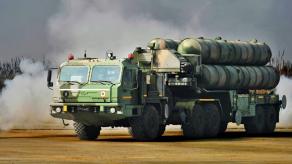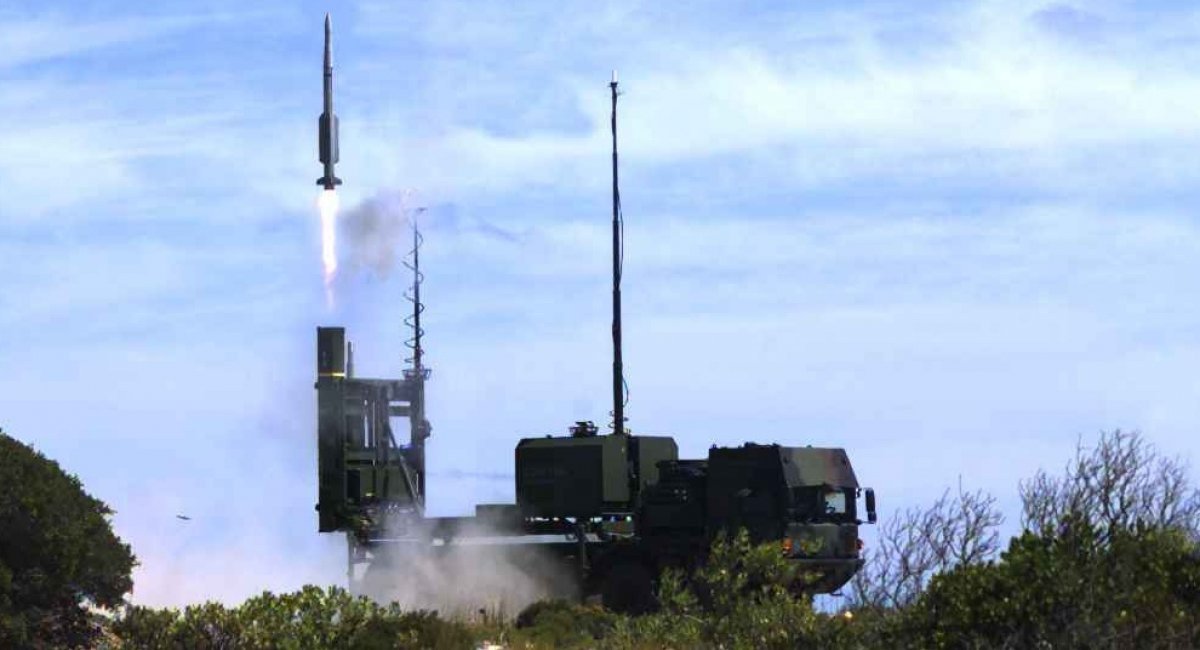
The German company Diehl Defence, renowned for its highly effective Iris-T SLM surface-to-air missile (SAM) system, has signed technological cooperation agreements with the Ukrainian Luch Design Bureau and Fire Point. This partnership is expected to provide a significant boost to the development of both cost-effective air defense solutions and a wider range of missile armaments.
The relevant agreements were signed at the Embassy of Ukraine in Germany on April 14. While specific details regarding upcoming projects have not been disclosed, the existing development portfolios of the three companies allow for informed projections.
Read more: Diehl Defence to Produce Up to 2,000 IRIS-T Missiles Annually as Demand from Ukraine Grows
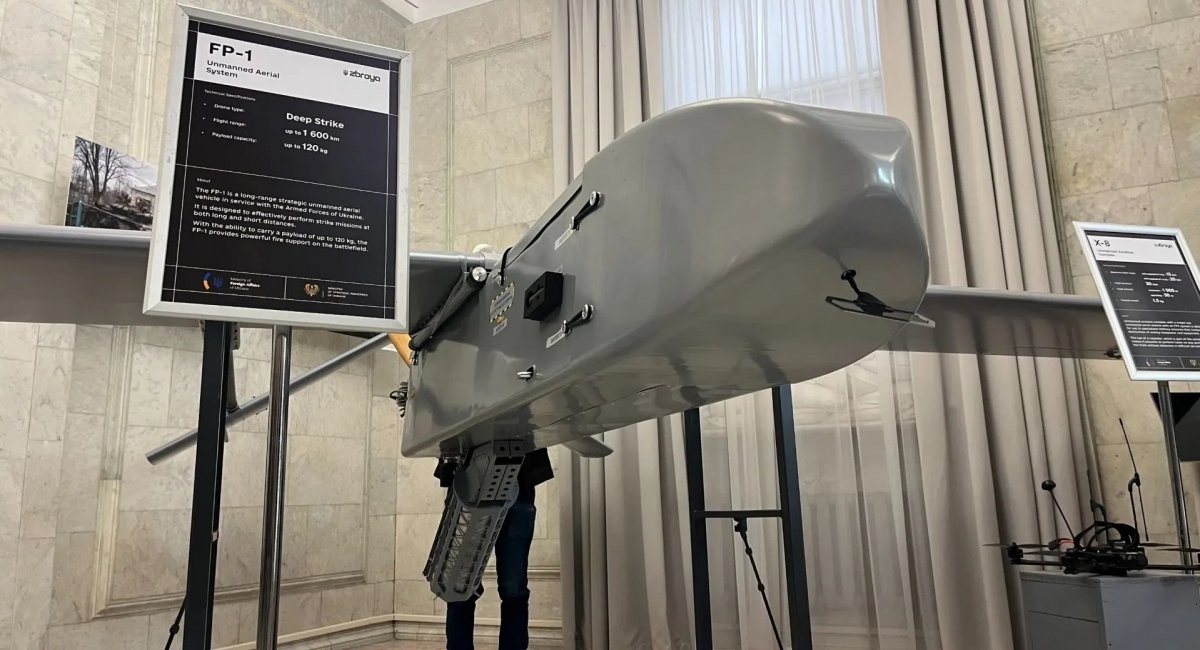
Fire Point is the manufacturer of the FP-1 and FP-2 strike UAVs, which are currently being deployed against russian infrastructure, air defense assets, and other high-value targets. These drones are produced in large quantities, ensuring a steady supply for frontline operations.
The company gained significant media attention for its FP-5 Flamingo cruise missile project, as well as its FP-7 and FP-9 ballistic missile concepts. Furthermore, Fire Point has previously invited Western enterprises to collaborate on the development of new air defense capabilities.
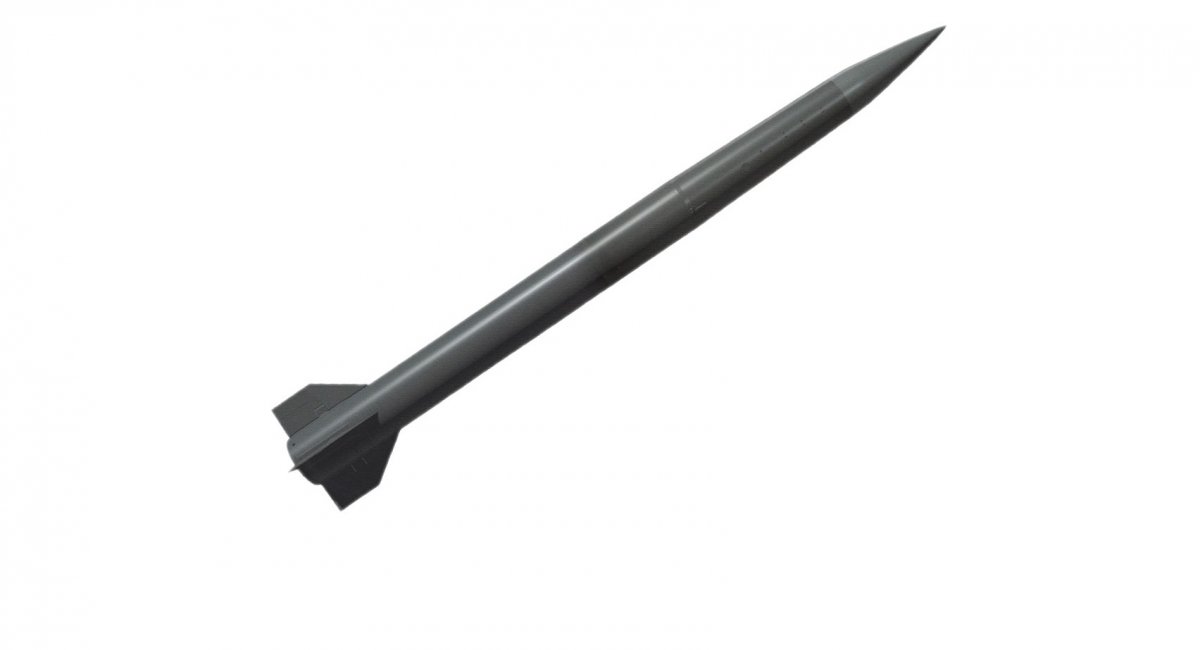
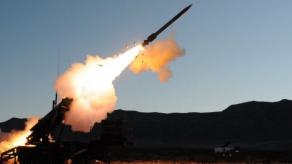
Regarding Diehl Defence, its most prominent products today are the Iris-T air-to-air missile family and its ground-based variant, the Iris-T SL. The latter has been actively utilized by the Ukrainian Defense Forces and has demonstrated exceptional combat effectiveness.
It is reasonable to assume that missile systems, and air defense in particular, will be the primary focus of this cooperation. The German side is expected to contribute advanced guidance systems and overall technical expertise. A key objective may also be the reduction of production costs for interceptor missiles.
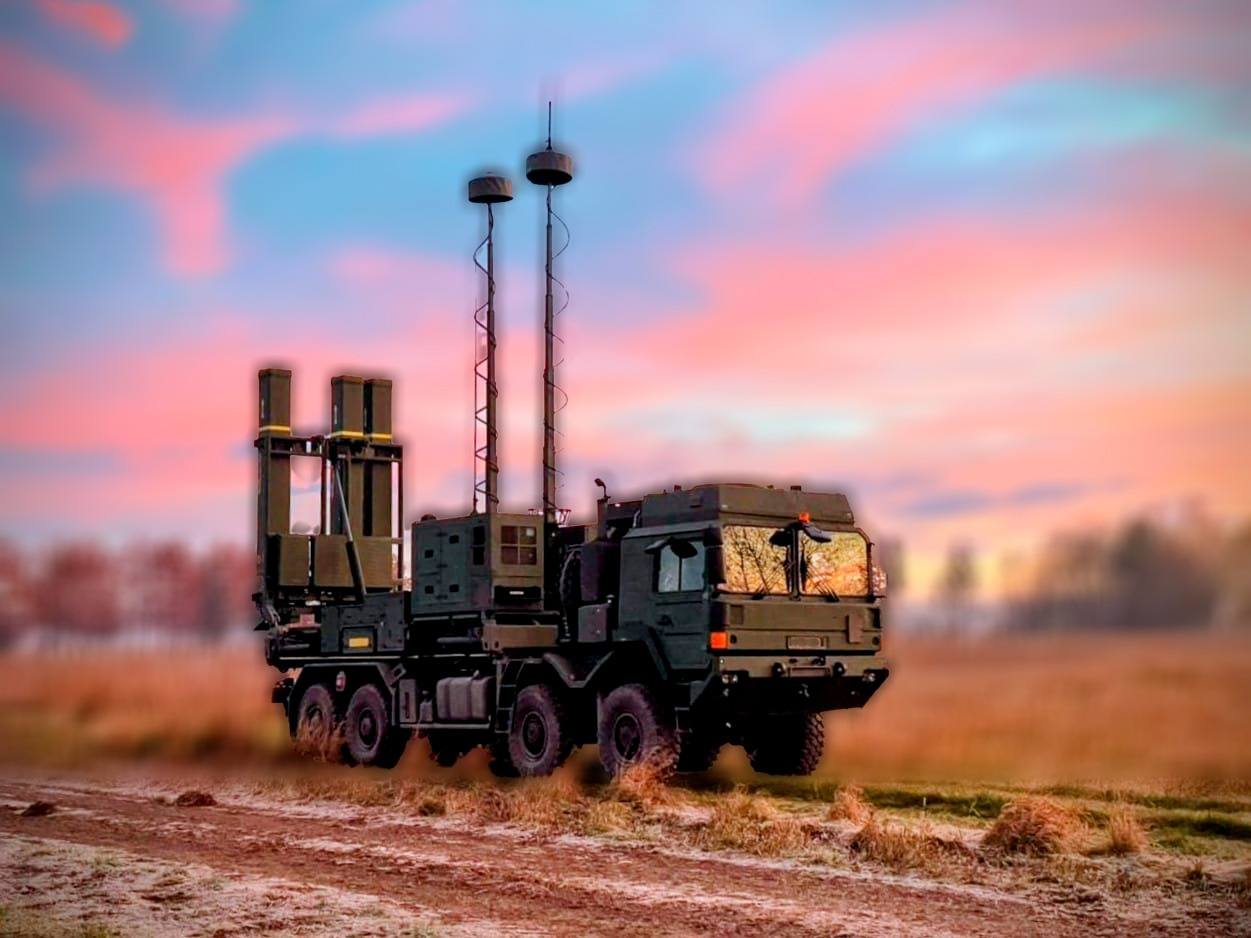
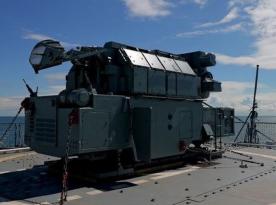
The Luch Design Bureau has its own ongoing air defense project, the Koral SAM system, which was unveiled prior to the full-scale invasion. Notably, Luch and Radionix had previously established a cooperation agreement with the Spanish firm Sener, a key component supplier for the Iris-T. This history suggests that the new deal with Diehl Defence will likely build upon these existing air defense foundations.
However, other promising avenues for collaboration exist. Luch is the developer and manufacturer of the Neptune cruise missile, as well as anti-tank guided missile (ATGM) systems such as the Stugna-P and Barier. The German company possesses highly compatible capabilities in these areas:
Anti-Ship Missiles: Diehl Defence co-produces the RBS 15 anti-ship missile with Saab (which is already in service with Ukraine).
ATGMs: Diehl is involved in joint ventures for the production of PARS 3 LR and SPIKE anti-tank missiles in Germany.
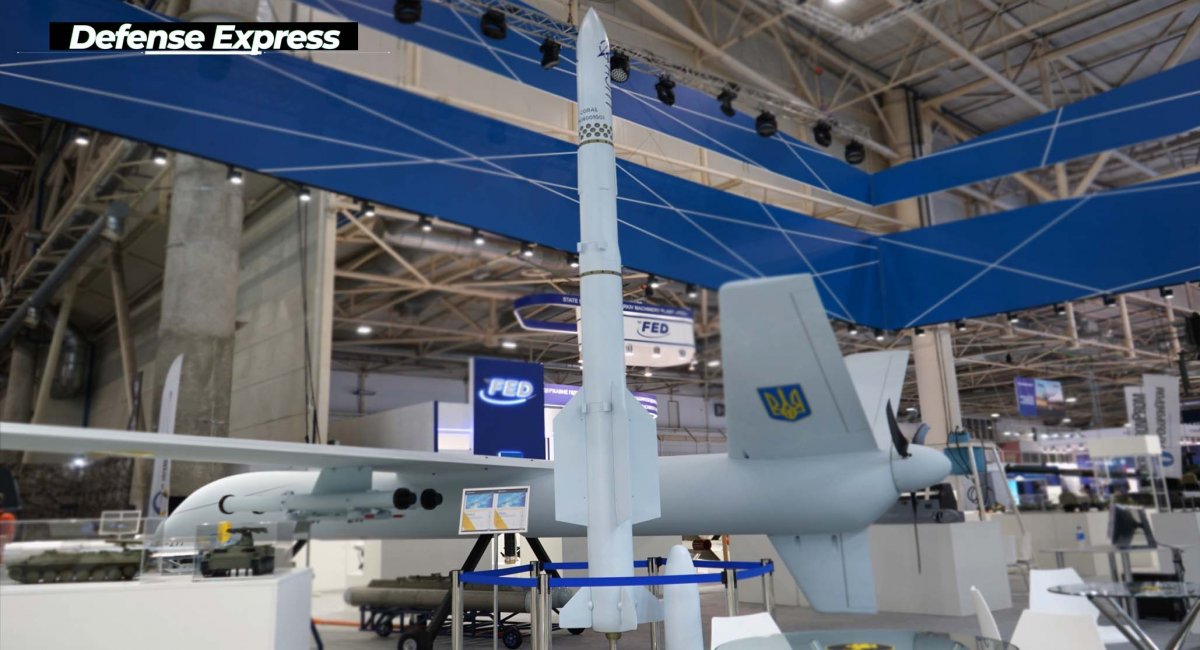
These overlaps suggest that Ukrainian anti-ship and anti-tank weaponry could see significant upgrades through this partnership.
Furthermore, the German firm is currently developing munitions for the MARS 3 (or EuroPULS) MLRS, including 122mm training rockets. This expertise could assist in refining Luch’s own long-range rocket project, the Vilkha MLRS.
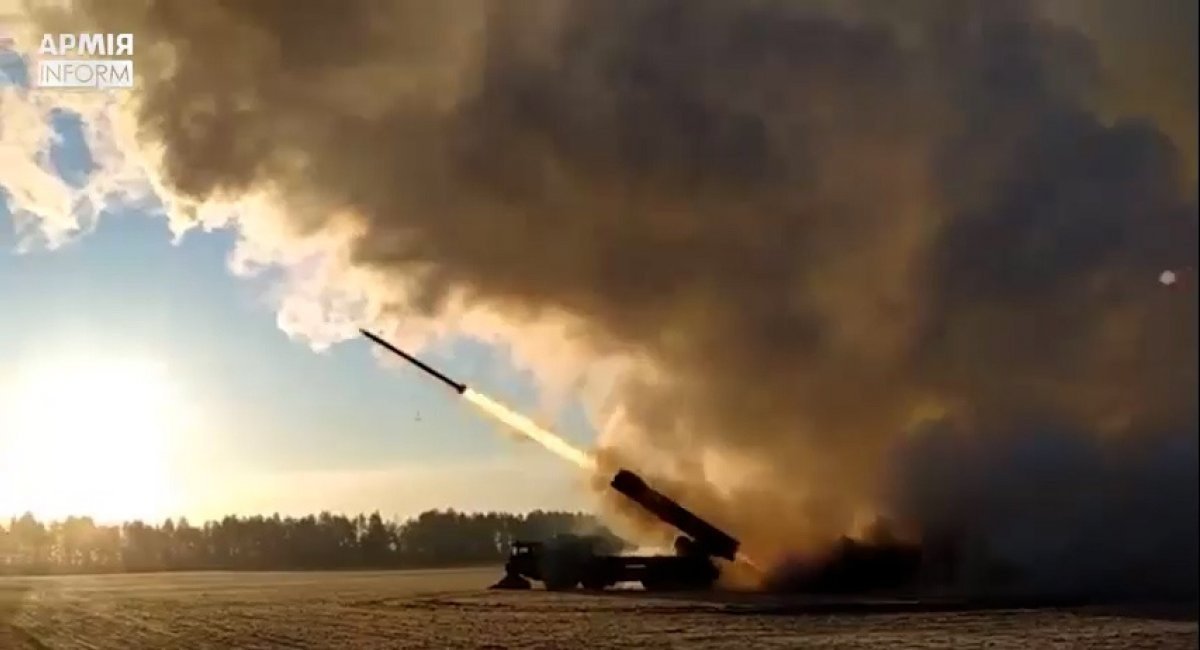
Based on official declarations between Ukraine and Germany, Berlin is committed to strengthening the protection of Ukrainian airspace, specifically by accelerating the development of ballistic missile countermeasures. Therefore, the cooperation is most likely to center on Integrated Air and Missile Defense (IAMD).
Ultimately, these agreements open the door to a wide range of collaborative developments. Both parties stand to benefit: Ukraine gains access to advanced Western technology, while Diehl Defence gains "budget-friendly" results derived from real-world combat experience.
Read more: Ukraine's FP-1 OWA Drone is Cheaper Than Shahed, and is Now Produced Just as Fast: Here's Why