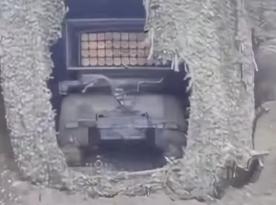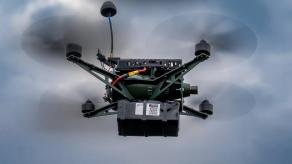



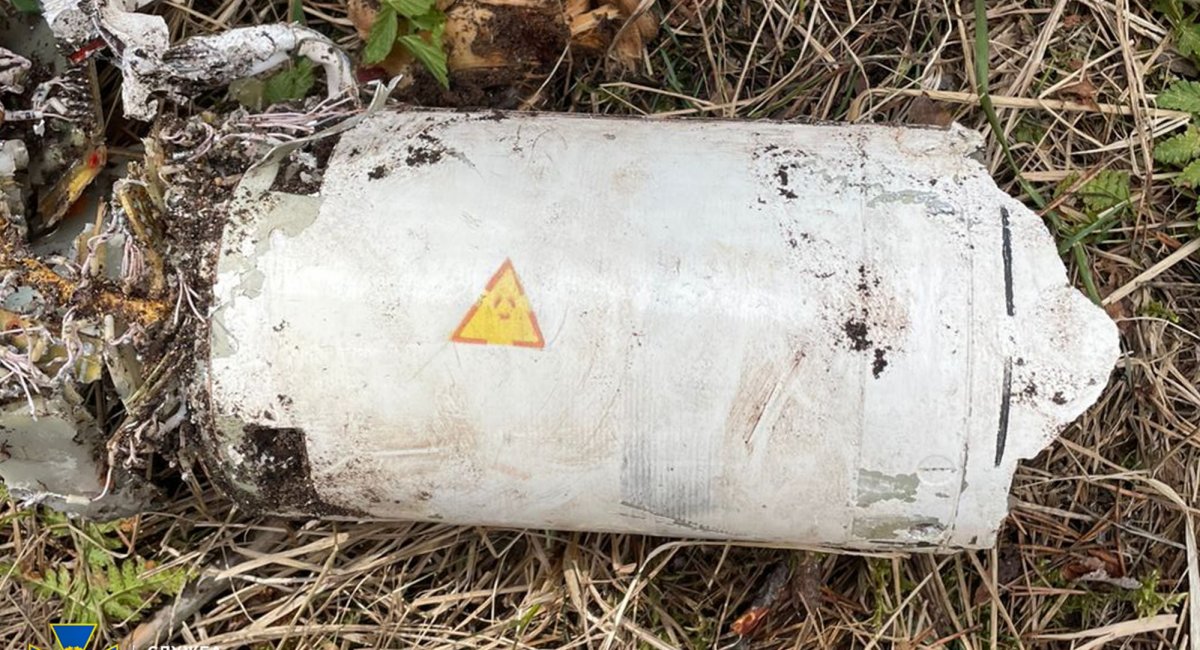
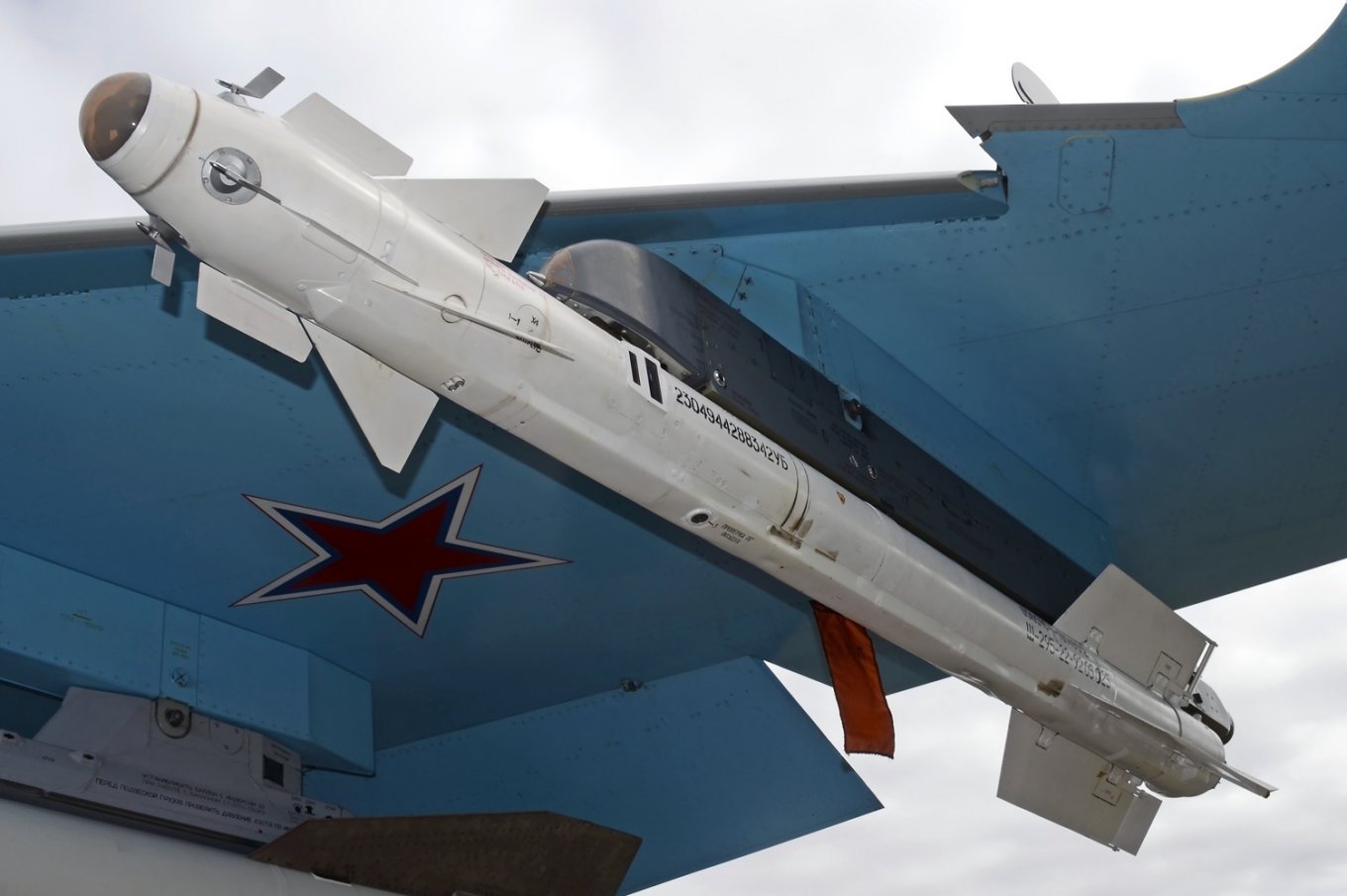
Ukraine's Security Service has reported the detection of elevated radiation levels in fragments of the R-60 air-to-air missile that had been mounted on russian Geran-2 loitering munition. The finding has raised renewed concerns about radiological risks associated with unexploded ordnance and debris from weapons used in russia's ongoing war against Ukraine.
According to the Security Service specialists, the measured gamma radiation reached approximately 12 µSv/h, significantly exceeding normal background levels of 0.1-0.2 µSv/h. Following the discovery, the agency urged civilians and military personnel to exercise extreme caution when encountering debris from drones, missiles, or other munitions, warning that damaged or burned ordnance may pose additional hazards due to potential radioactive dust exposure.
Read more: To Shoot Down Iskander-M with Patriot 5 Times Cheaper: U.S. Is Rushing to Develop New LCI Missile In Addition to PAC-3 MSE
The Security Service emphasized that the greatest danger comes from compromised munitions, particularly those exposed to high temperatures or explosions, which can alter material structure and increase environmental contamination risks. Authorities stressed that such remnants should not be handled directly and must be reported to specialized clearance teams.
The incident has also revived discussion about the use of depleted uranium in certain types of russian and Soviet-origin weaponry. In some variants of R-60M and R-60MK air-to-air missiles, depleted uranium is believed to have been used in kinetic components of the warhead, taking advantage of its high density and pyrophoric properties. These characteristics allow for compact yet heavy striking elements, increasing effectiveness in short-range aerial engagements.
Similar design principles have reportedly been applied to other Soviet-era short-range missiles, including R-73 unit, where depleted uranium components are also referenced in open-source materials. However, most of these systems are believed to date back to Soviet production or early russian modifications, rather than recent large-scale manufacturing.
Beyond air-to-air missiles, depleted uranium has been more definitively documented in russian tank ammunition. Armor-piercing fin-stabilized rounds such as 3BM32 Vant and 3BM59 Svinets-1 incorporate depleted uranium cores or elements, designed to penetrate modern armored vehicles used by NATO-standard forces and legacy Soviet platforms alike.
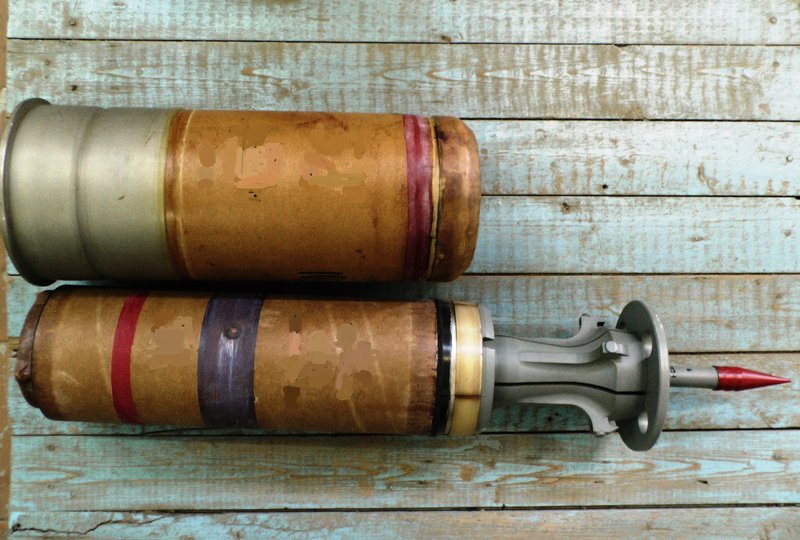
While these munitions exist alongside more common tungsten-based alternatives, their presence in russian arsenals adds another layer of concern regarding battlefield contamination. In particular, destroyed armored vehicles and burnt-out tank hulls from earlier phases of the war may still contain residual radioactive materials embedded in their ammunition or structural components.
Russia has historically been reluctant to publicly acknowledge the use of depleted uranium munitions, especially given its criticism of similar Western ammunition types, such as those used in U.S. A-10 aircraft and Bradley infantry fighting vehicles. Nevertheless, the Security Service warning highlights that potential radiological hazards on the battlefield may be more complex and widespread than previously assumed, reinforcing the need for strict safety protocols when dealing with war debris.
Read more: Shield AI's Hivemind Is Coming to America's Shahed Equivalent, One Operator, One Swarm, Real-Time Coordination