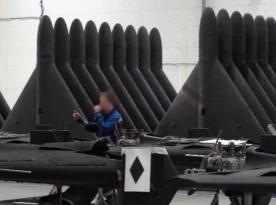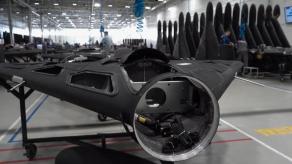
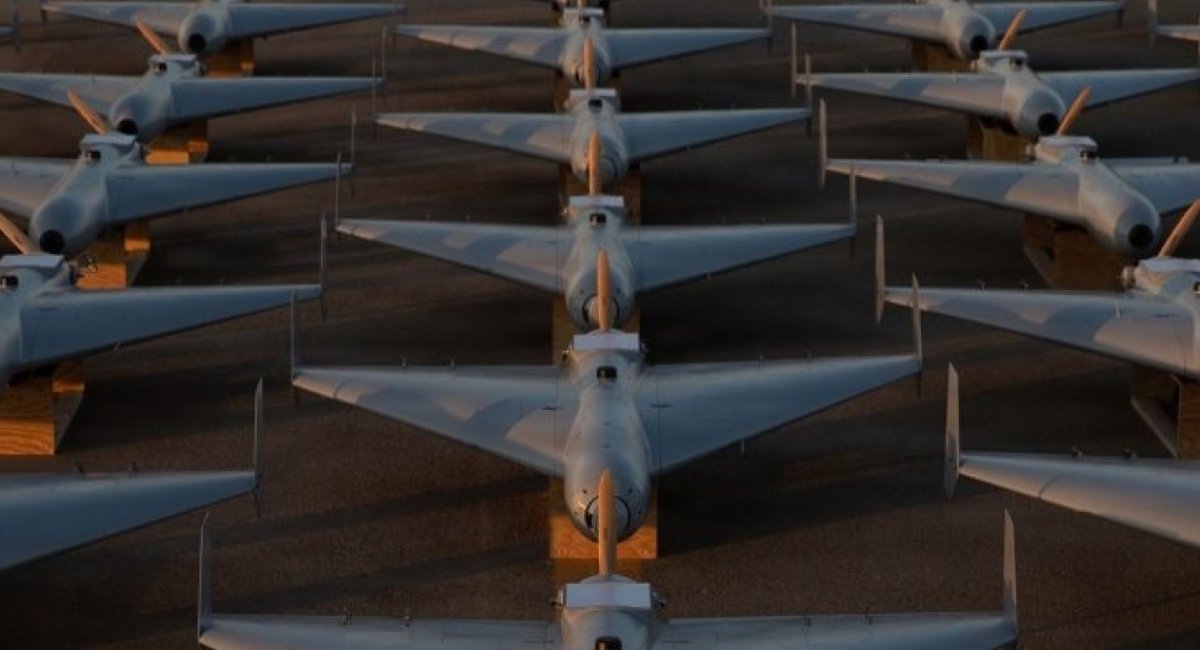
The Office of the Under Secretary of Defense for Research and Engineering (OUSD(R&E)) has selected technology company Shield AI to integrate its so-called combat artificial intelligence the Hivemind software, into the American Shahed equivalent: the Low-Cost Uncrewed Combat Attack System (LUKAS) long-range strike drone, which was first tested in combat during Operation Epic Fury against iran.
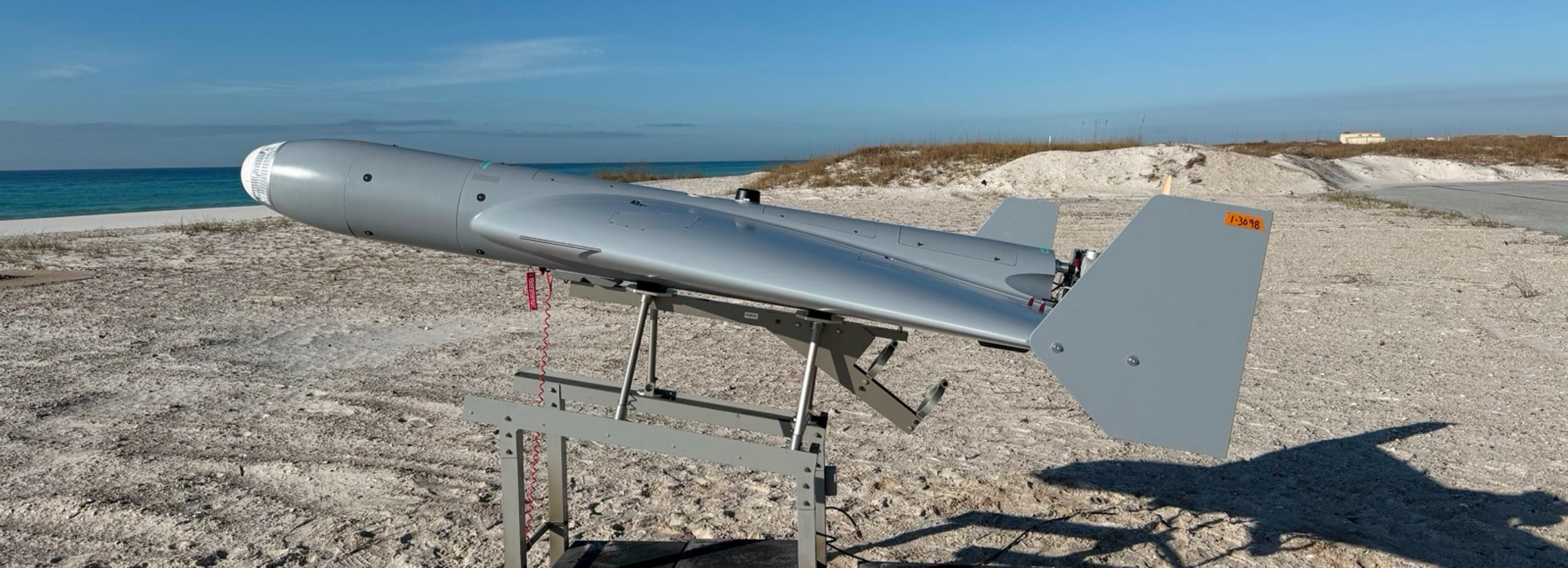
Shield AI is also known for covertly testing its experimental V-BAT drones in Ukraine, and its software is already installed on the Ruta cruise missiles and Hornet air defense drones from Destinus both of which are used by Ukraine, though it is not known whether Ukraine received them with Shield AI's combat AI onboard. This makes the prospect of Hivemind integration on Ukrainian long-range drones both interesting and realistic. How it works is explained below using LUCAS as the example.
Read more: Lockheed Martin Pitches F-35 Component Production to Portugal, but Saab Is Already Ahead on That Front
According to the company's press release, Shield AI will demonstrate Hivemind's combat AI capabilities on LUCAS drones this autumn, with a single operator controlling an unspecified number of long-range strike drones operating together in a single swarm.
Hivemind will serve as a pilot project for AI development within the American Shahed-equivalent program, enabling a drone swarm to coordinate actions in real time, maneuver, and adapt attacks to constantly changing conditions based on data received from military operators.
Hivemind provides strike platforms with dynamic responsiveness allowing, for example, in-flight mission rerouting, reaction to unforeseen circumstances, and obstacle avoidance. If a group of drones enters the engagement envelope of a mobile air defense unit, and one or more drones are detected or shot down, the remaining drones can immediately reroute to bypass the threat.
The ability for a single operator to manage a drone group positively affects the scalability of strike drone operations by reducing the need to train large numbers of individual operators, though the impact is not transformative, as the system requires other specialists to maintain and support it.
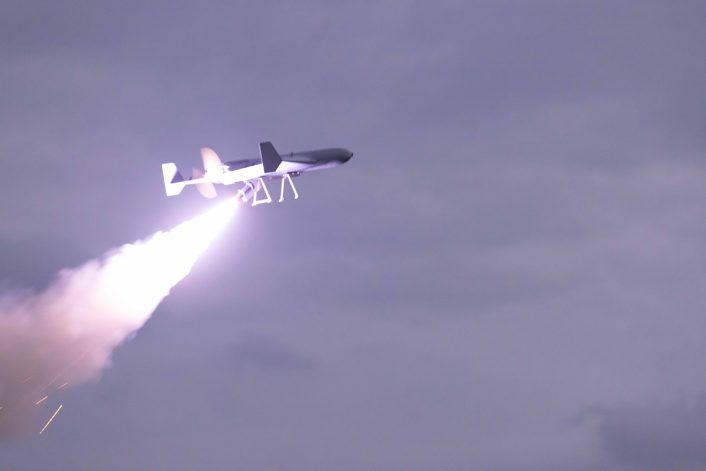
An open question remains how Hivemind integration will affect the unit cost of LUCAS drones, currently priced at $35,000 each. For comparison, the Ukrainian FP-1 drone costs approximately $55,000 per unit at 2025 prices, while a russian Shahed may be even more expensive. Given that the FP-1 and Shahed offer superior range characteristics and more powerful warheads, LUCAS is priced appropriately for its capabilities and currently fits comfortably in the category of a low-cost long-range strike weapon.
Hivemind is also being integrated on Anduril's YFQ-44A unmanned fighter, which might suggest it is a costly system, though this remains speculation.
In the case of LUCAS, the integration represents a conceptual shift from a cheap individual strike drone toward a system where individual units act as a unified combat entity. This is precisely the point emphasized by Shield AI president and co-founder Brandon Tseng, who notes that without coordination, the value of the mass support provided by LUCAS drones is limited.
Read more: russia Uses Double-Strike Shahed Tactics Against Ukrainian Air Defense Positions