


russian strike with the Oreshnik intermediate-range ballistic missile on December 8 on Lviv outskirts had no real combat purpose, because it was equipped with mass-dimensional mockups. And such, as they call it in russia, kinetic warhead, together with low accuracy, doesn't allow Oreshnik to hit anything at all.
Conditionally, it's like throwing 150kg blanks from space, whose hit area will equal their diameter. But for some reason russia has already struck Ukraine with this weapon for the second time.
Read more: U.S. Approves $45M Hellfire Missile Sale to Denmark Despite Active Threats to Seize Greenland
The first such strike on Dnipro on November 21, 2024 was a demonstration and rehearsal of a nuclear strike with a new intermediate-range ballistic missile, together with recognition of its existence in an attempt to intimidate Ukraine and Europe. But the second could hardly surprise anyone, because it critically didn't differ from the previous one.
Yes, technically the missile flew further, instead of approximately 800 km from Kapustin Yar test site to Dnipro, now somewhere 1,600 km to Lviv. But for Oreshnik the declared range is 5,500 km, which means the possibility of launching from the same test site at any point in Europe and even Greenland. And in case of launch from Belarus territory formally it's even possible to reach Canada.
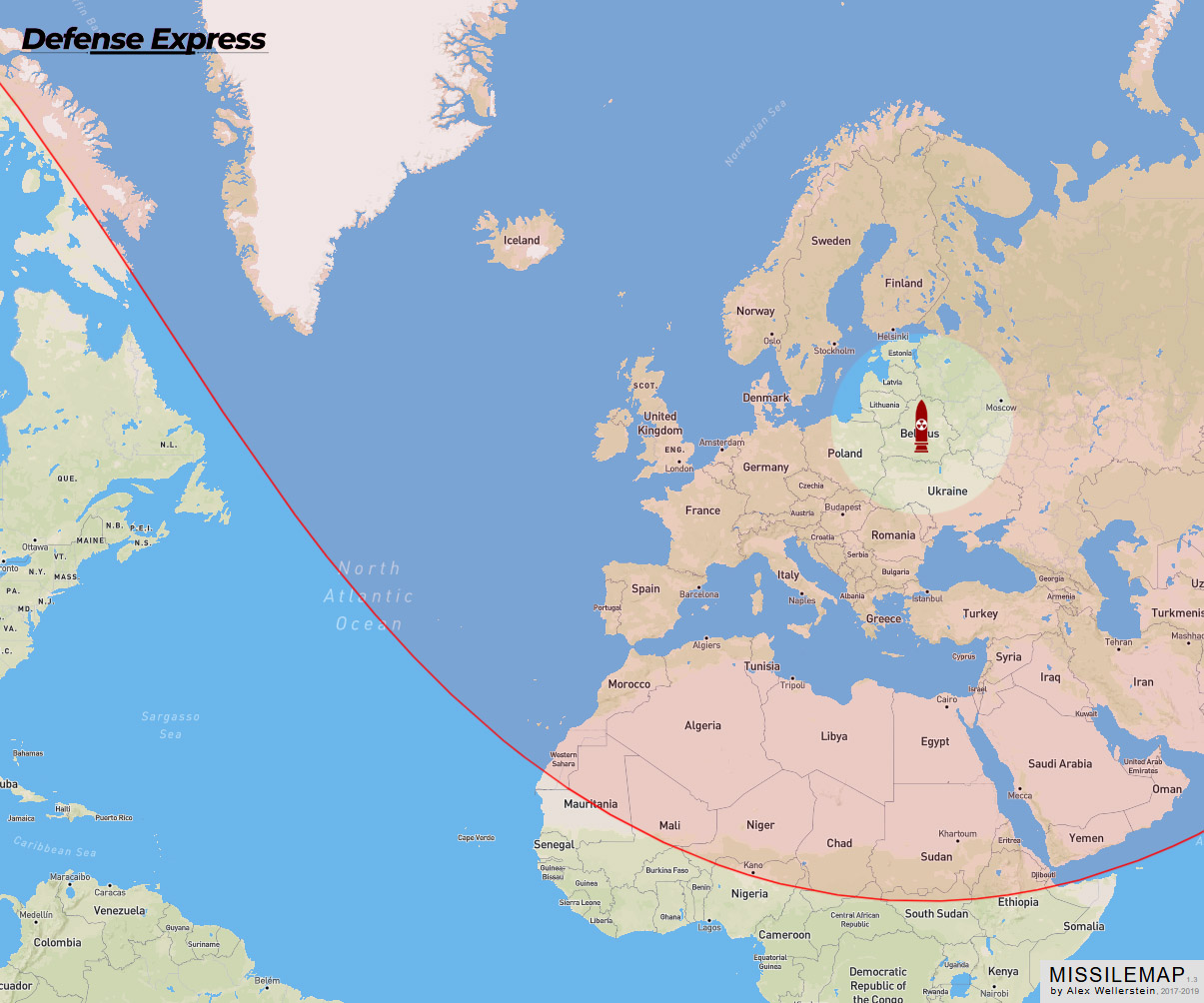
Moreover, this time the warhead was without additional decoys, which are intended to overcome missile defense systems. That is, its execution was simpler. Also, during such a strike, russians couldn't fully and in detail track the entire missile flight, as in the case of a launch at their own test site, when the missile flies over their territory and all necessary telemetry can be obtained from it.
But nevertheless, the Kremlin still decided to "throw away" one Oreshnik, which they plan to produce, according to Ukrainian intelligence, only six units in 2026, with one missile available as of October 2025. And therefore this launch was important for them not only with the goal of demonstrating something to the West, because, again, nothing new was shown.
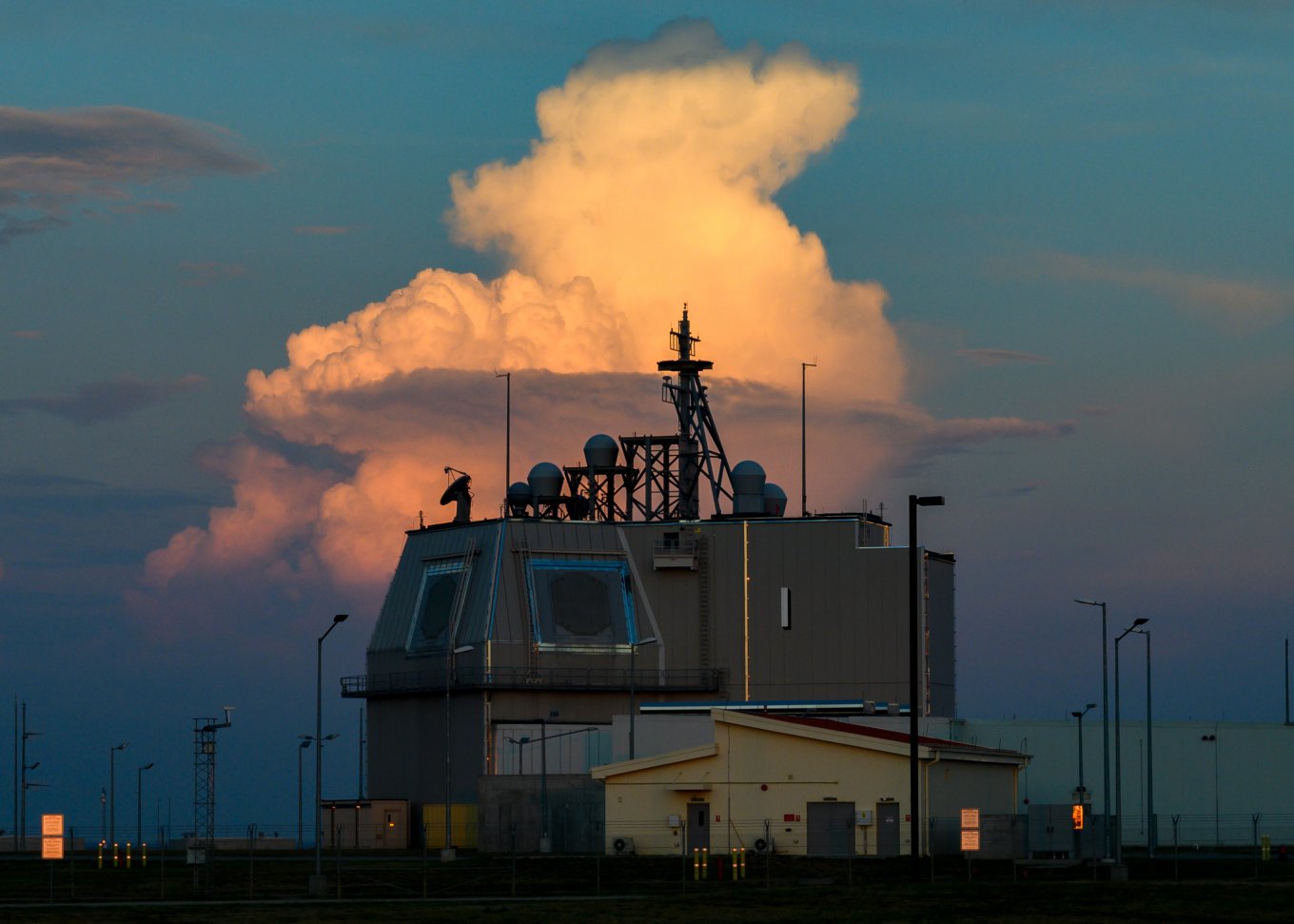
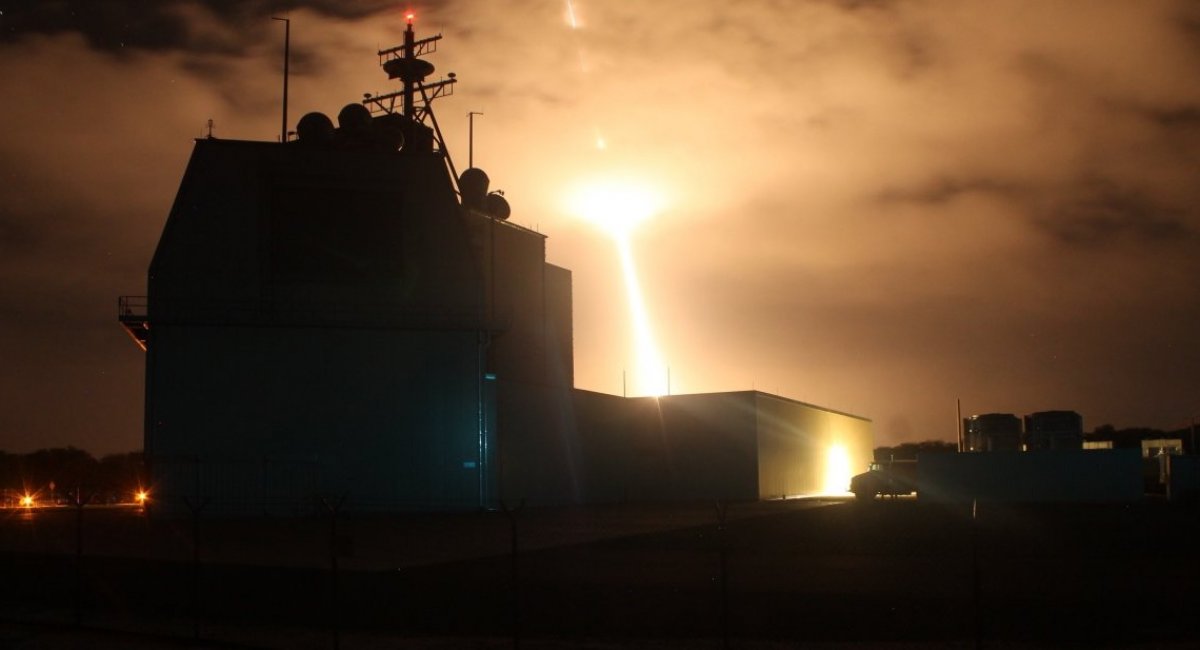
In particular, it's possible to assume that in this case russia was testing not its intermediate-range ballistic missile, but how it was tracked in Europe. In particular, three upper-tier ABM systems are currently operating in EU countries.
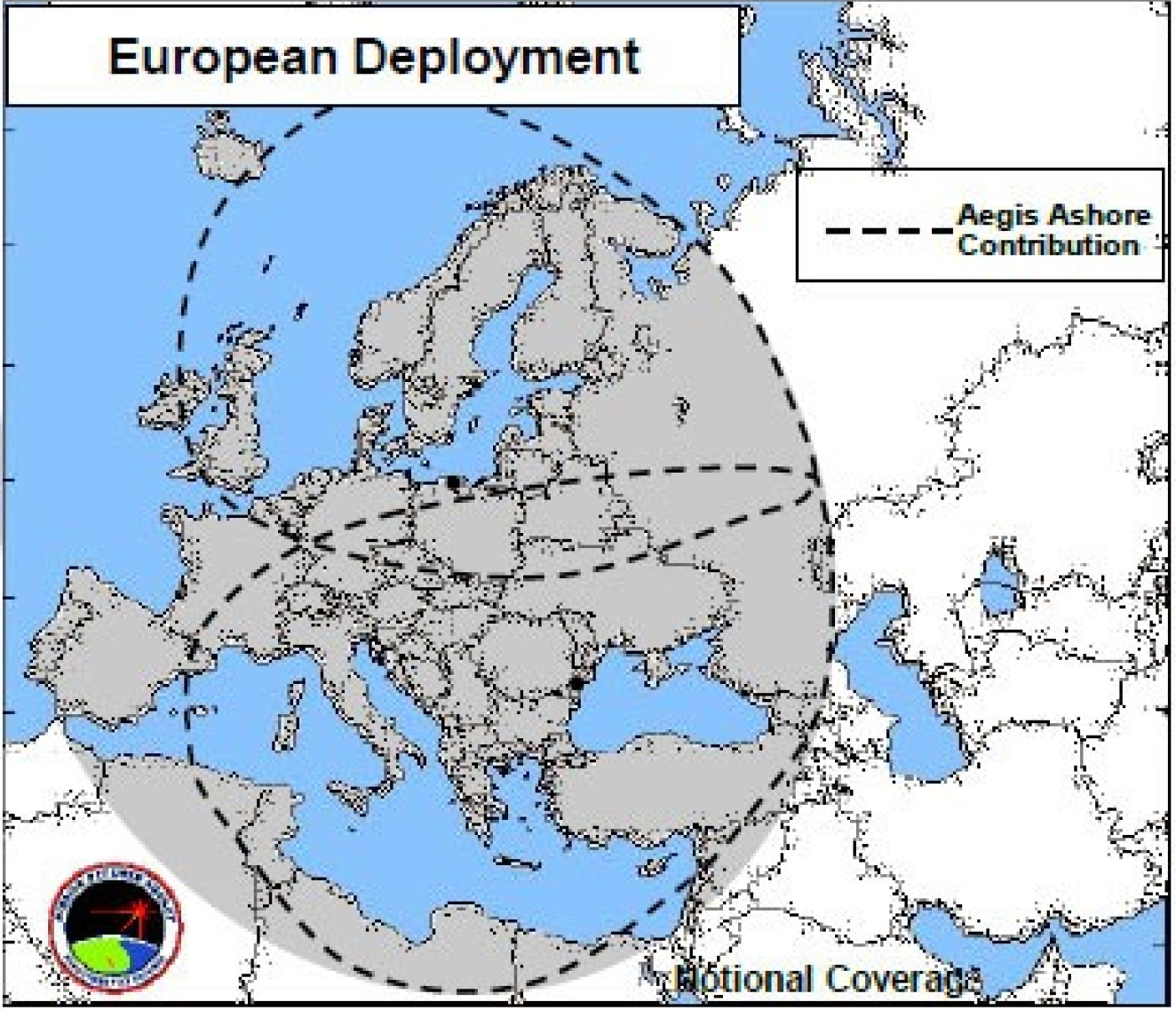
These are two American Aegis Ashore systems with AN/SPY-1 radar and SM-3 interceptor missiles, which should intercept targets outside the atmosphere. One of them is located in northern Poland in Redzikowo. The second in southern Romania in Deveselu. Their exact range of action has never been publicly stated, but the following illustration of these systems' range from a U.S. Missile Defense Agency presentation is known:
The third upper-tier ABM system appeared in Europe only recently in Germany at Feuerwehr Holzdorf air base near Annaburg city in the east of the country, the Arrow 3 purchased from Israel for $3.5 billion was officially put into operation. By the way, Germans noticed unknown drones above it the other day, which they couldn't counter.
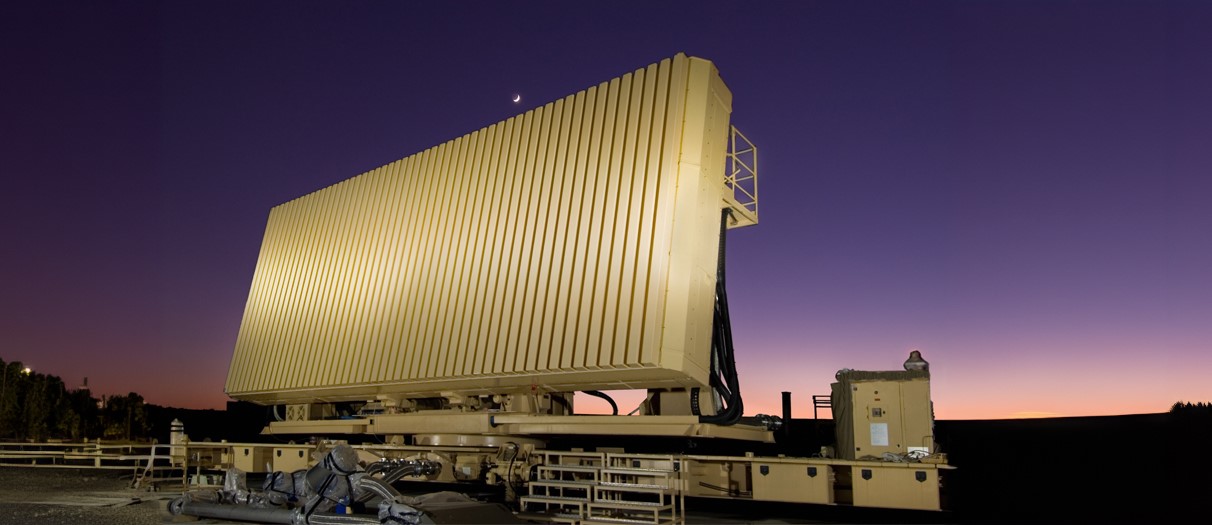
Arrow 3 has a stated exoatmospheric target intercept range of 2,400 km. At the same time, the system's EL/M-2080 Green Pine Block-B radar has a target detection range of up to 900 km. And such range is also sufficient to see the final flight trajectory of "Oreshnik" over Lviv, to which from German Arrow 3 is 800 km.
Also, the U.S., and with it NATO, should have been warned by the Kremlin about the intermediate-range ballistic missile launch. And thus all three ABM systems definitely should have been tracking the Oreshnik launch. And their operation should already have been tracked and analyzed by russian radio-technical reconnaissance means. At the same time, German Arrow 3 and its EL/M-2080 for the first time.
And although it may seem that such a Kremlin plan is win-win, the fact is that this works both ways. Because analysis of Oreshnik's trajectory and flight stages, as well as its maneuvers, is very important information for NATO countries.
Read more: russia Combines Shahed drones, Kalibr, Iskander-M, S-400 and Oreshnik Missiles in Major Strike on Ukraine