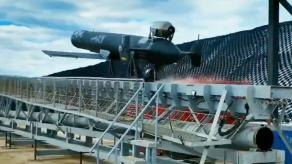

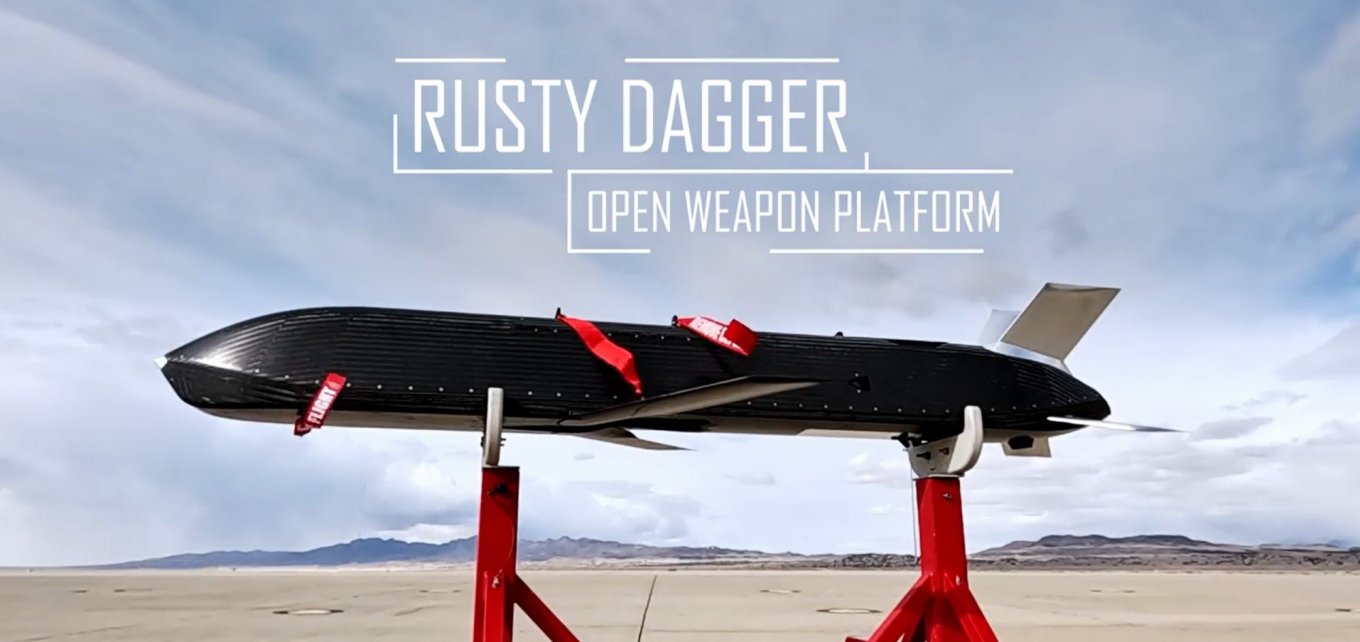
The new Rusty Dagger cruise missile from the American company Zone 5 Technologies, developed under the ERAM program, has successfully passed another stage of testing, during which it was equipped with a real warhead and was able to hit the target with high accuracy.
The tests were conducted at Eglin Air Force Base in the southern United States. According to the air base's press service, these tests "provided critical data for the development of a new, cost-effective, long-range strike system," which is being developed on an accelerated schedule.
Read more: Ukraine's Defense Intelligence Reveals Component-Level Breakdown of russian UMPK Modules
Photos of the missile strike and the detonation of its warhead were also released.
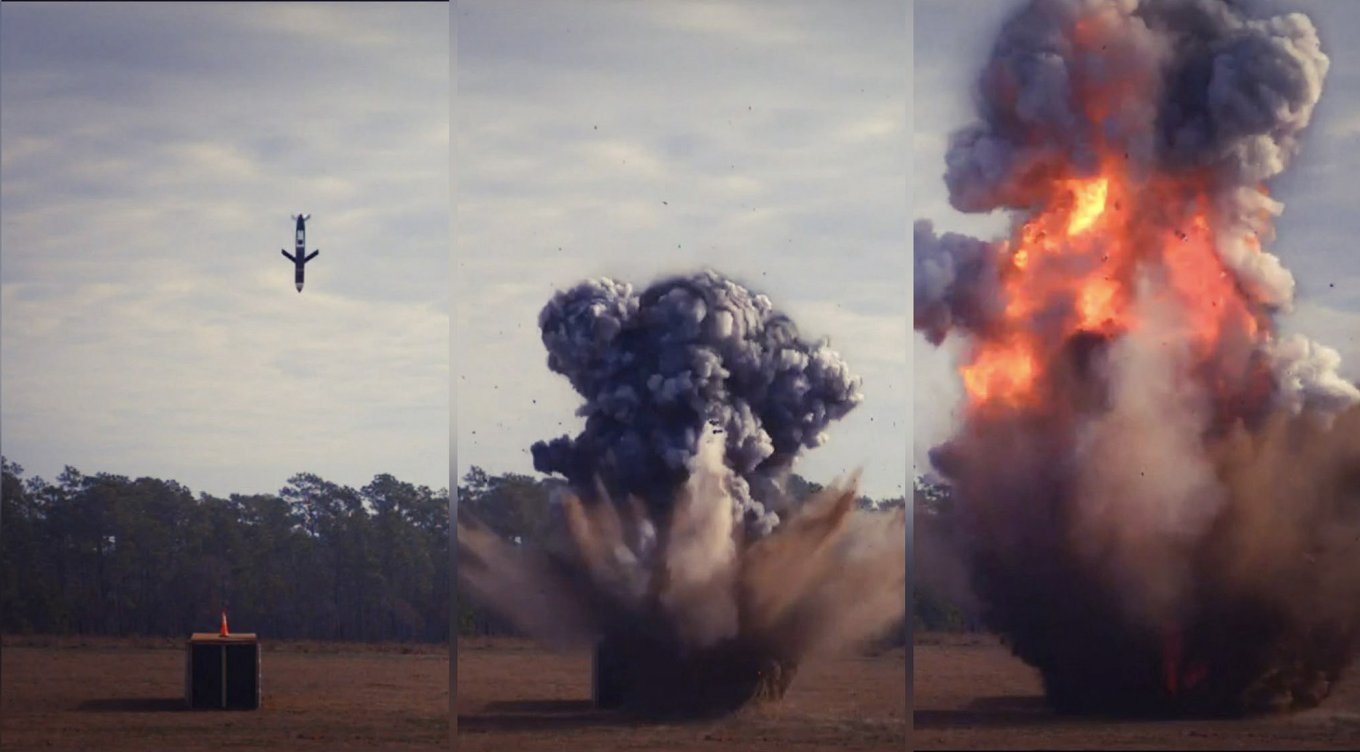
These photos show the high accuracy of the missile and a fairly powerful explosion for a munition estimated to weigh about 500 pounds (227 kg).
It is important to note that the original statement from Eglin Air Force Base likely contains a typo. The statement indicates that the tests were conducted on January 22, 2025, over a year ago, just 16 months after work began.
The fact is that the development of new cruise missiles under the ERAM program for Ukraine did not begin in 2023. The request for proposals, preceding competitor selection and contract signing, started on January 31, 2024, followed by the October order, which explains the 16-month timeline.
However, permission to sell these missiles to Ukraine was granted on August 28, 2025. Ukraine has been authorized to buy up to 3,350 ERAM missiles for $825 million from European partners, or roughly $246,000 per missile.
In addition to Rusty Dagger, CoAspire has created a conceptually similar RAACM under the ERAM program.
Both the Rusty Dagger from Zone 5 Technologies and the RAACM from CoAspire are required to meet the following specifications: a 500‑pound (227 kg) weight class, an approximate range of 400 km, a speed of Mach 0.6, accuracy within +/- 10 meters, the ability to operate in electronic warfare environments, low unit cost, and a production capacity of up to 1,000 missiles per year.
Read more: Why the U.S. Is Alarmed by China's Long-Range PL-17 Missile and What Makes It So Dangerous