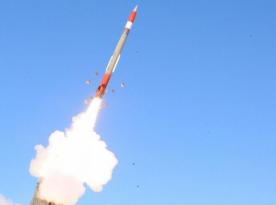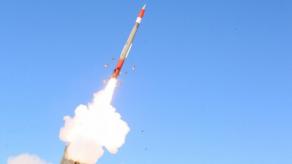



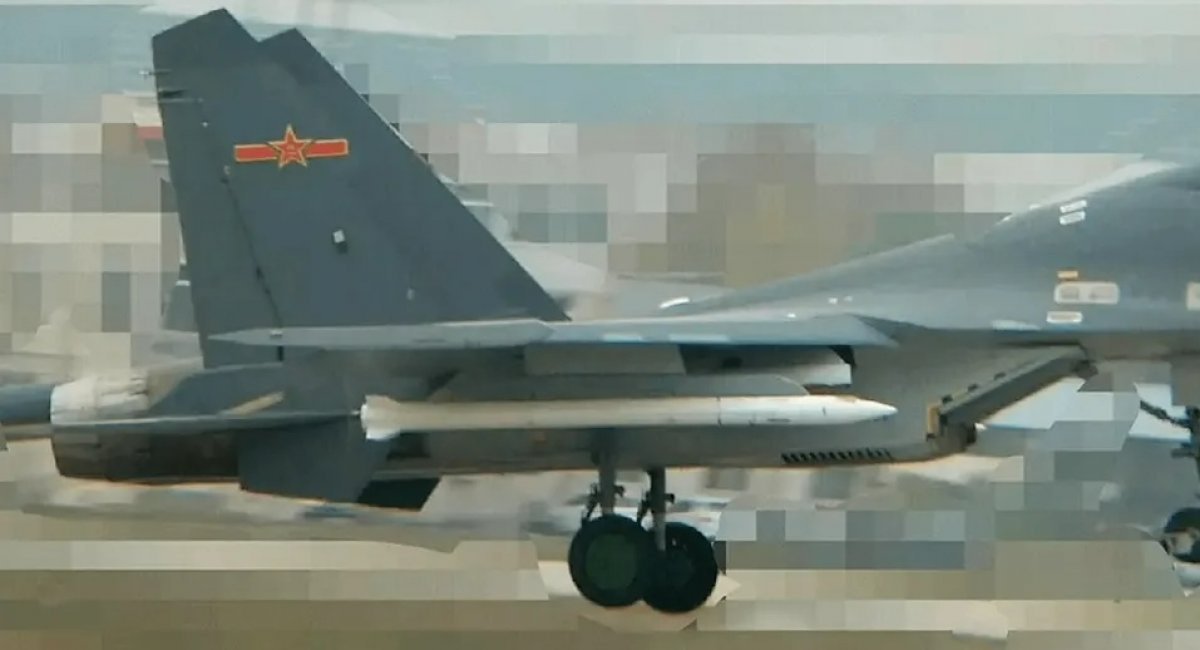
The appearance online of new photographs of China's PL-17 missile, designed to engage aerial targets at extremely long ranges, has triggered a wave of publications in the United States focused on this development.
While the released image is not the first known photograph of the missile, it is notable for having been taken at close range during a public display at the stand of an unidentified exhibition. Given China's traditional secrecy, this serves as a strong indicator that Beijing no longer considers detailed imagery of the PL-17 to be classified.
Read more: Why China Is Building USV Twice Size of Ukraine's Sea Baby — Despite Similar Armament
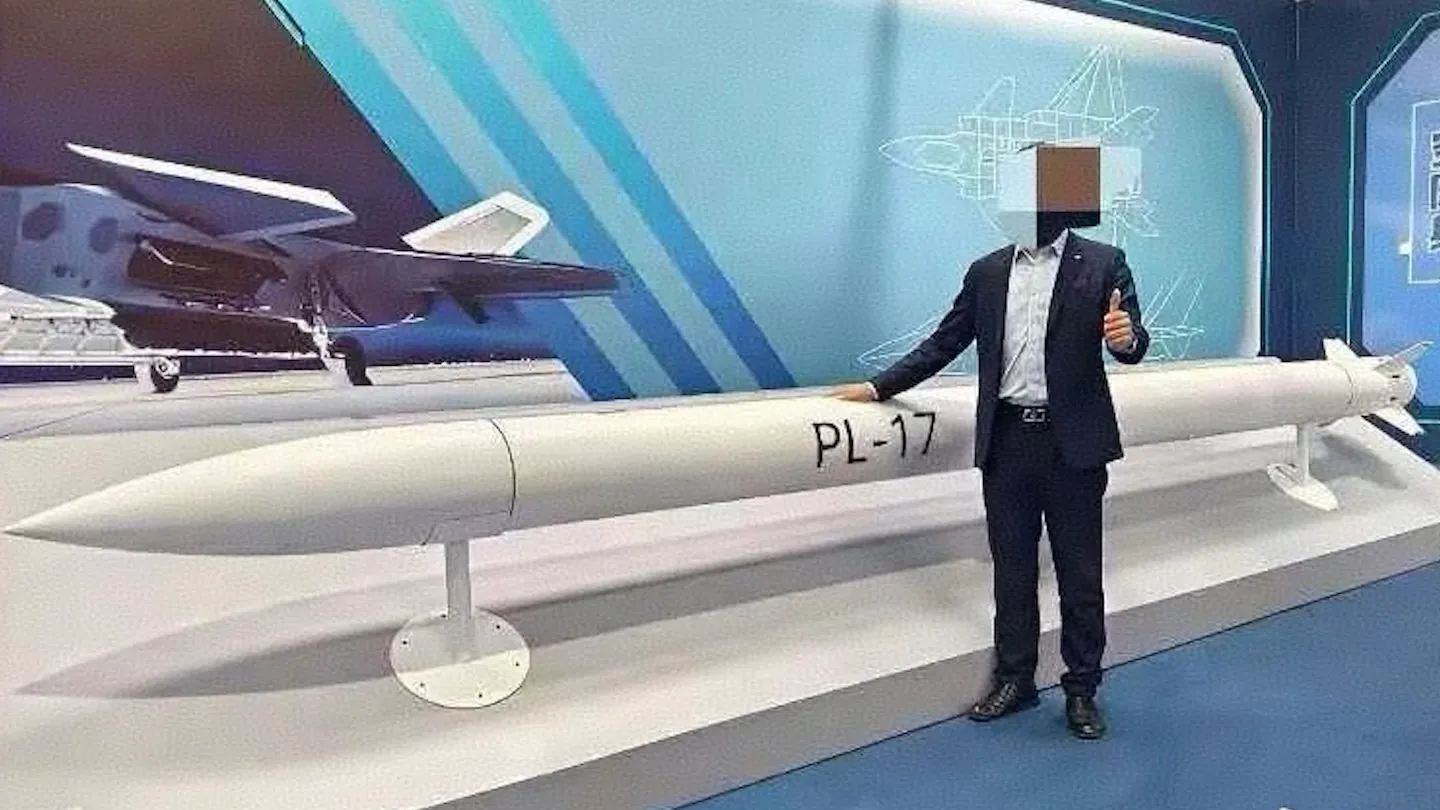
This, in turn, has further unsettled the U.S. expert community, which is actively assessing the missile's capabilities and intended role. Specialized outlets such as The War Zone have paid particular attention to the system, whose estimated launch range varies between 300 and 500 km, depending on different assessments.
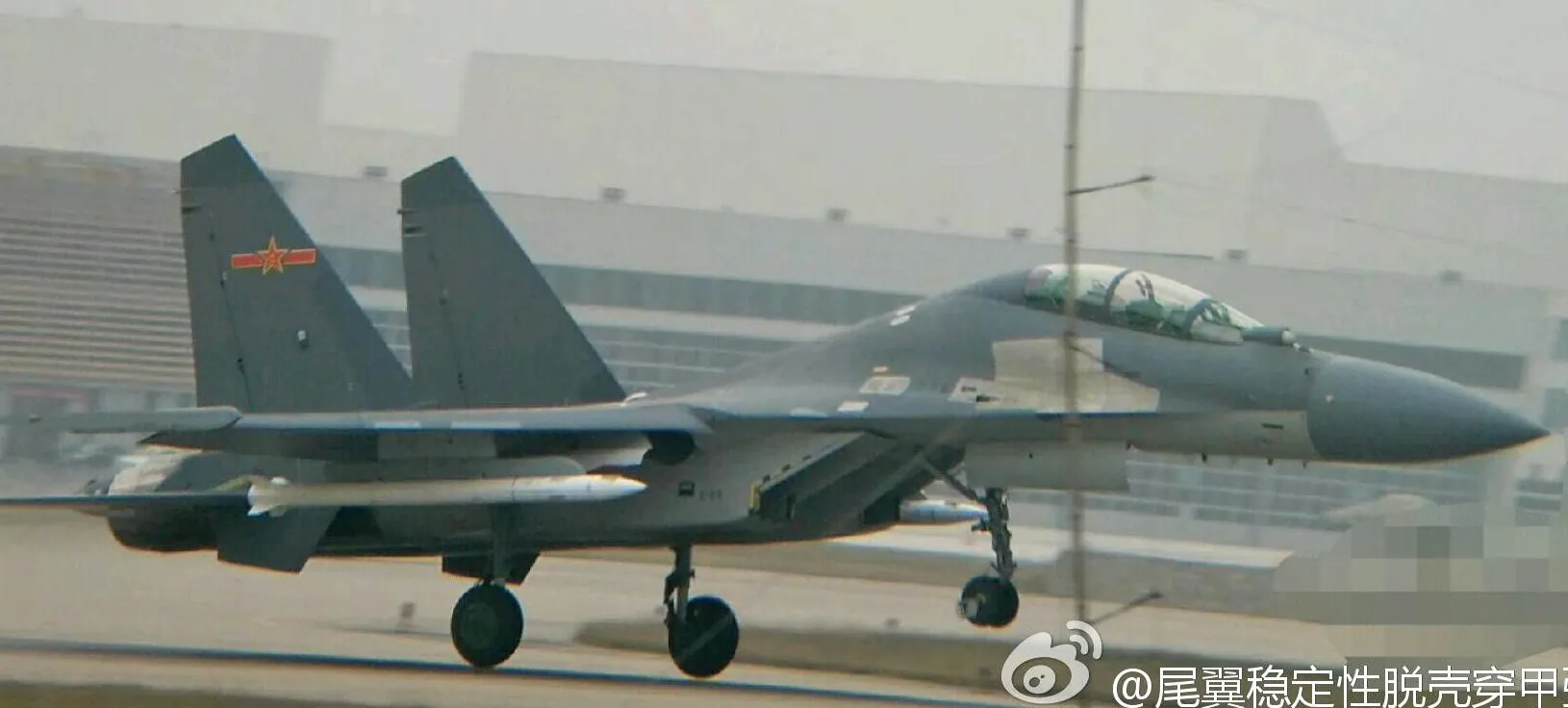
Importantly, the PL-17 is not a new development. The first high-quality image of the missile appeared as early as 2016, showing a Shenyang J-16 fighter (a Chinese modernization of the licensed Su-27, broadly comparable to the Su-30) carrying two then-unknown missiles.
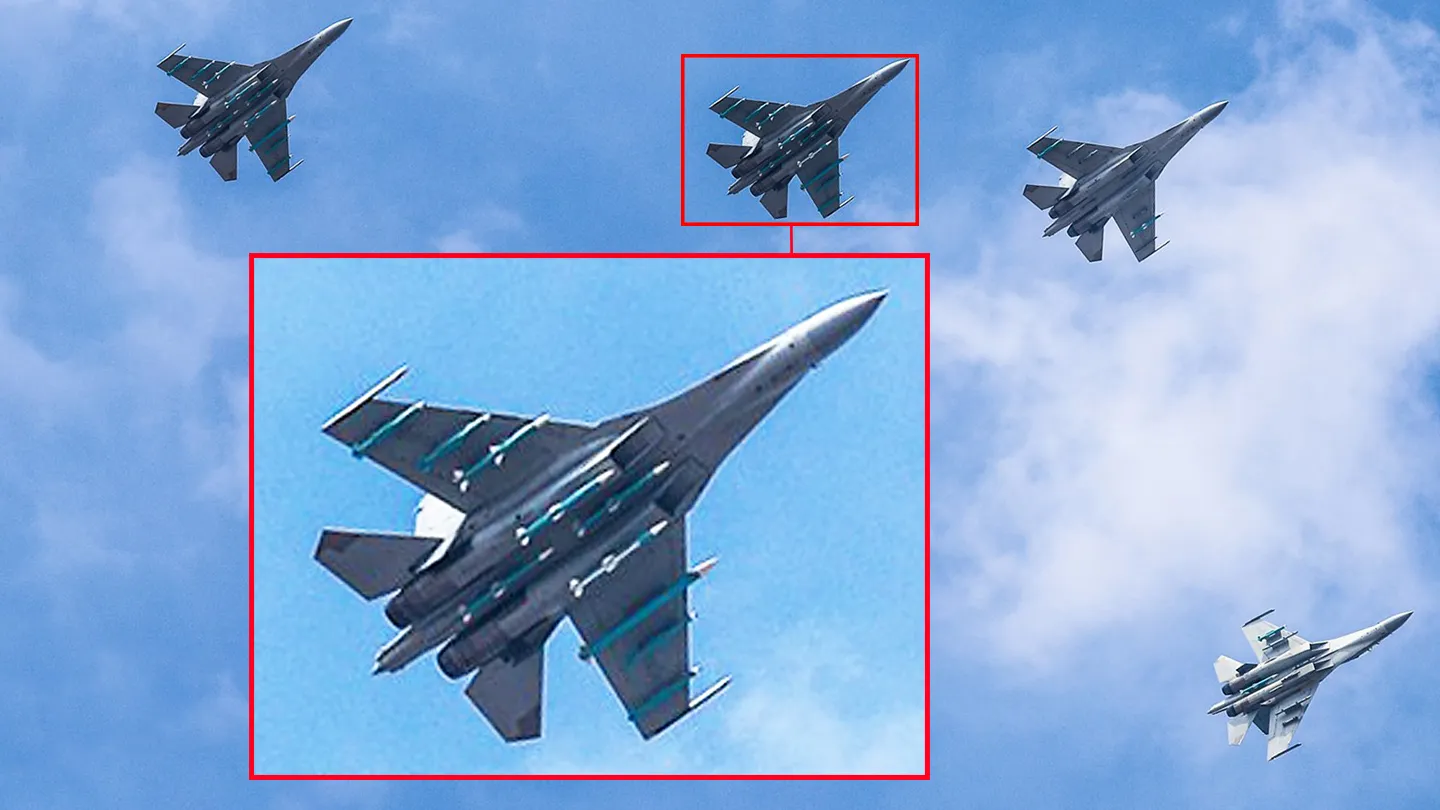
The first official publication of an image featuring the PL-17 occurred only in 2023, again on a J-16. This aircraft is produced in large numbers, with more than 300 units built. The image also demonstrated the diversity and weight of the J-16’s air combat loadout: four PL-10 and four PL-15 missiles, along with one PL-12 and one PL-17.
This indicates that the PL-17 has effectively existed for around a decade and, during that time, should have become relatively widespread and integrated onto additional platforms. What is known about the missile is that its 300–500 km range is enabled by a dual-pulse rocket motor of considerable size. The missile itself is approximately 6 meters long, around two meters longer than the AIM-120 AMRAAM or its Chinese counterpart, the PL-15.
Naturally, the missile is equipped with its own active radar seeker. However, given its extreme range, it must also receive continuous mid-course updates to refine the intercept point. These updates would primarily be provided by airborne early warning and control (AEW&C) aircraft.
While at maximum range the PL-17 is unlikely to be highly effective against highly maneuverable targets such as fighter aircraft, it serves a different and critically important mission for China: engaging high-value airborne assets, including AEW&C aircraft, aerial refueling tankers, and other large support platforms.
From Defense Express's perspective, attacks on aerial refueling tankers may represent the missile’s key mission. Without them, U.S. combat aviation would lose a significant portion of its effectiveness, including the ability to concentrate large forces in the air, conduct long-range tactical aviation operations, and sustain multi-hour combat air patrols.
Moreover, a substantial share of U.S. airpower would become critically tied to a limited number of forward air bases, many of which would fall within the reach of Chinese missile systems. In practical terms, this could amount to the paralysis of U.S. air operations in the theater.
This is precisely why the long-range PL-17 missile genuinely worries American planners. The concern is further amplified by the high likelihood that the PL-17 will become part of the armament of China's future sixth-generation fighters, which are expected to carry such missiles in internal weapons bays.
Although the United States already fields a comparable long-range capability in the form of the AIM-174B, an air-to-air adaptation of the SM-6 missile with an estimated range exceeding 500 km, questions remain regarding the available quantities of these weapons.
In addition, the Chinese Air Force in the Pacific theater benefits from a short and resilient continental logistics chain, an advantage that cannot be offset by missile capabilities alone.
Read more: China Built 500+ km "Wall" at Sea in Days — Dry Run for Taiwan?