


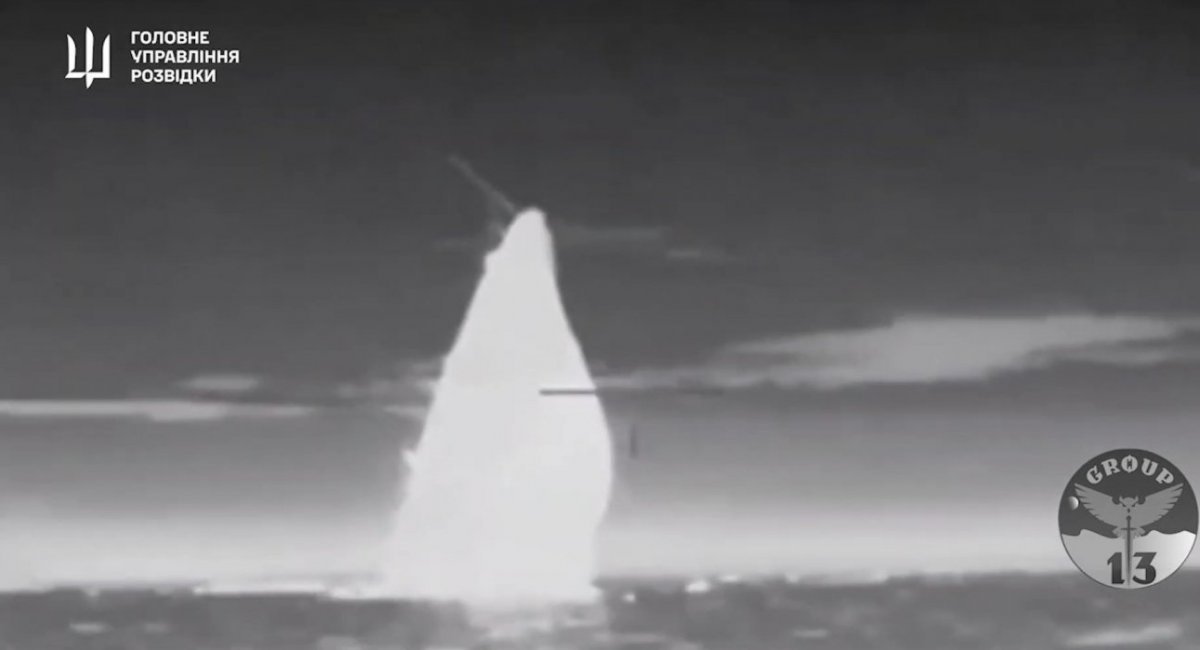
According to reports, during the 2025 REPMUS/Dynamic Messenger exercises in Portugal, Ukrainian forces simulated sinking a frigate from an unnamed NATO country using unmanned surface vehicles. The exercises also involved various ships and aircraft alongside the unmanned surface vehicles.
During the exercises, participants were split into two opposing forces: Blue and Red. It is known that the Red side included units from the United States, the United Kingdom, Spain, Ukraine, and other unnamed countries. Moreover, it was commanded by Ukrainian military personnel. This was reported by the Frankfurter Allgemeine Zeitung, citing its own source among the Ukrainian military personnel who participated in the exercises.
Read more: U.S. Considers Seizing Iran's Kharg Island — How Soon It May Happen?
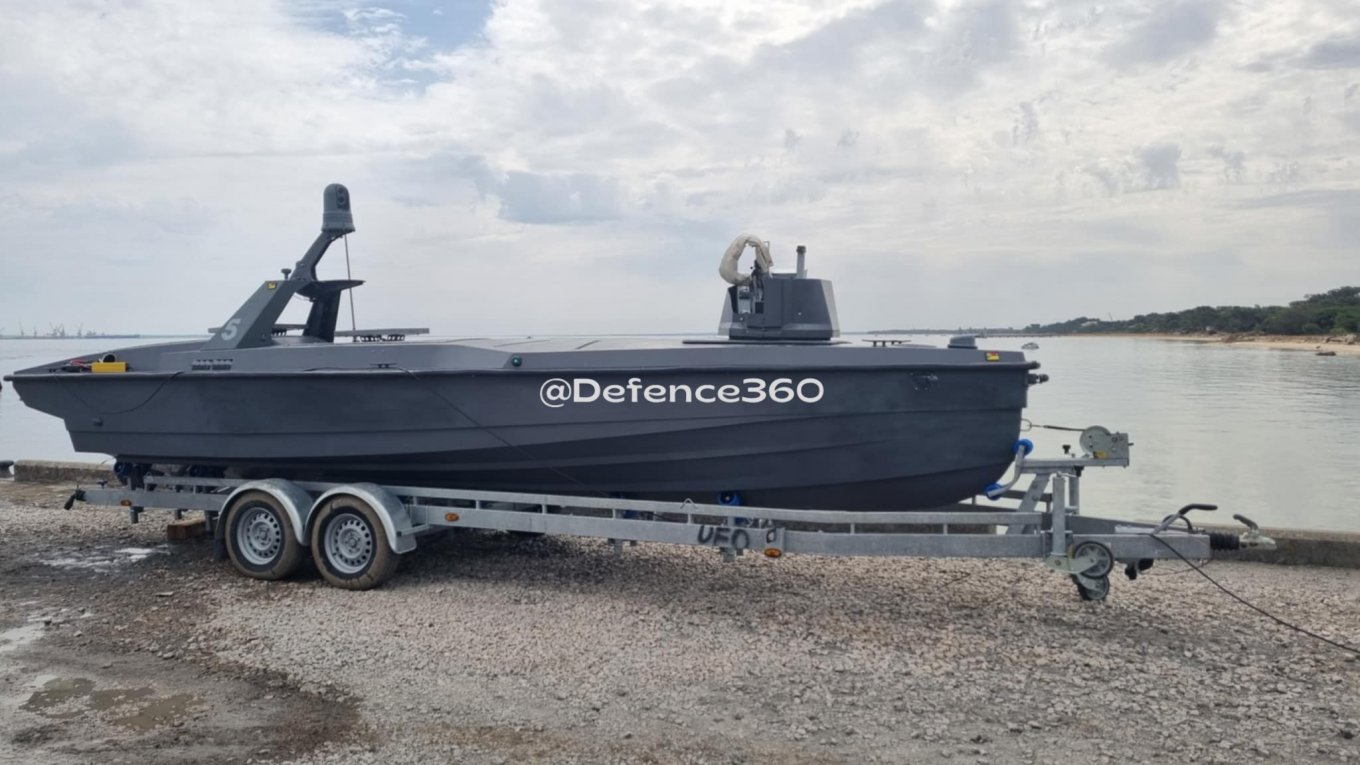
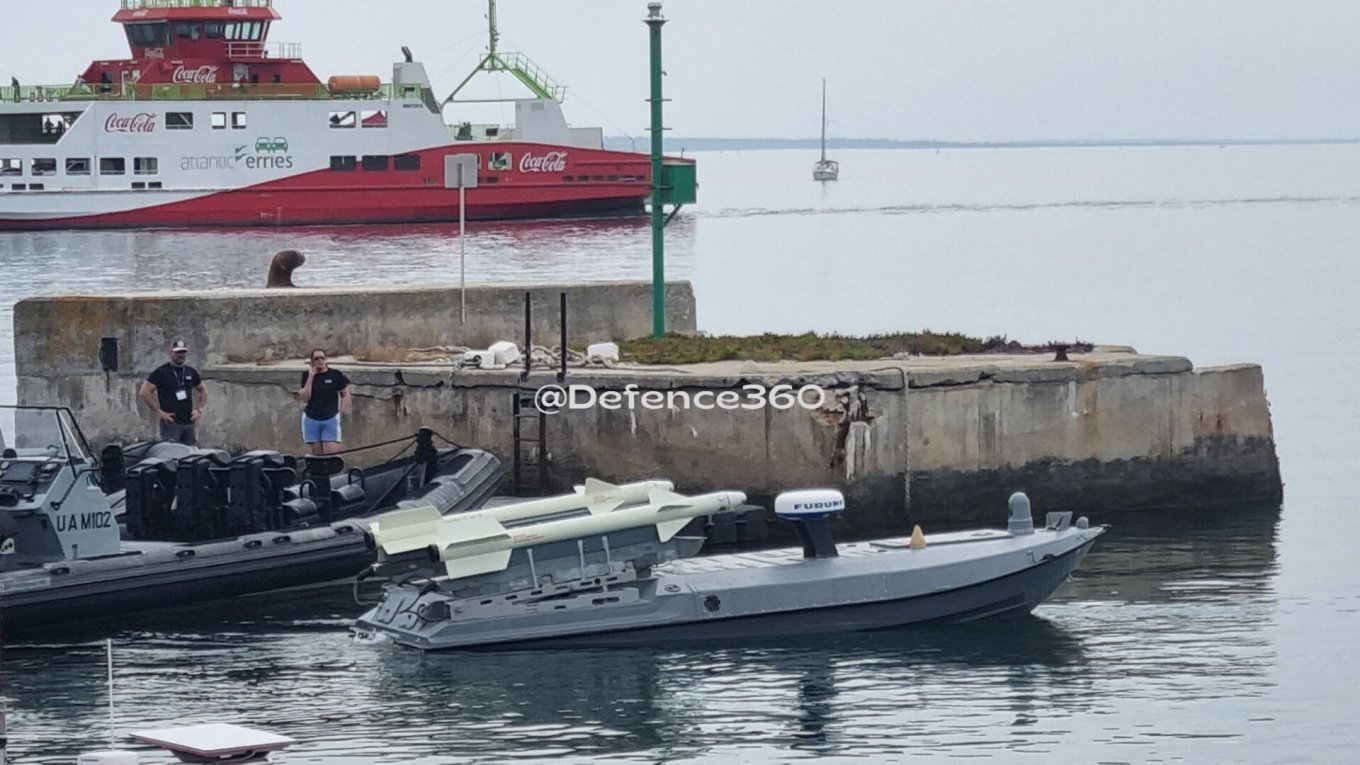
The Ukrainian military brought several Magura V7 unmanned surface vehicles equipped with combat modules and machine guns to the training exercise. To "destroy" a target, it was enough to aim at it and capture photo or video evidence—after which it was considered destroyed.
At first glance, a warhead-equipped Magura V7 would need to get within striking distance of the enemy vessel. The same works in reverse: pointing the camera at the target and recording it on photo or video was enough for it to be considered destroyed.
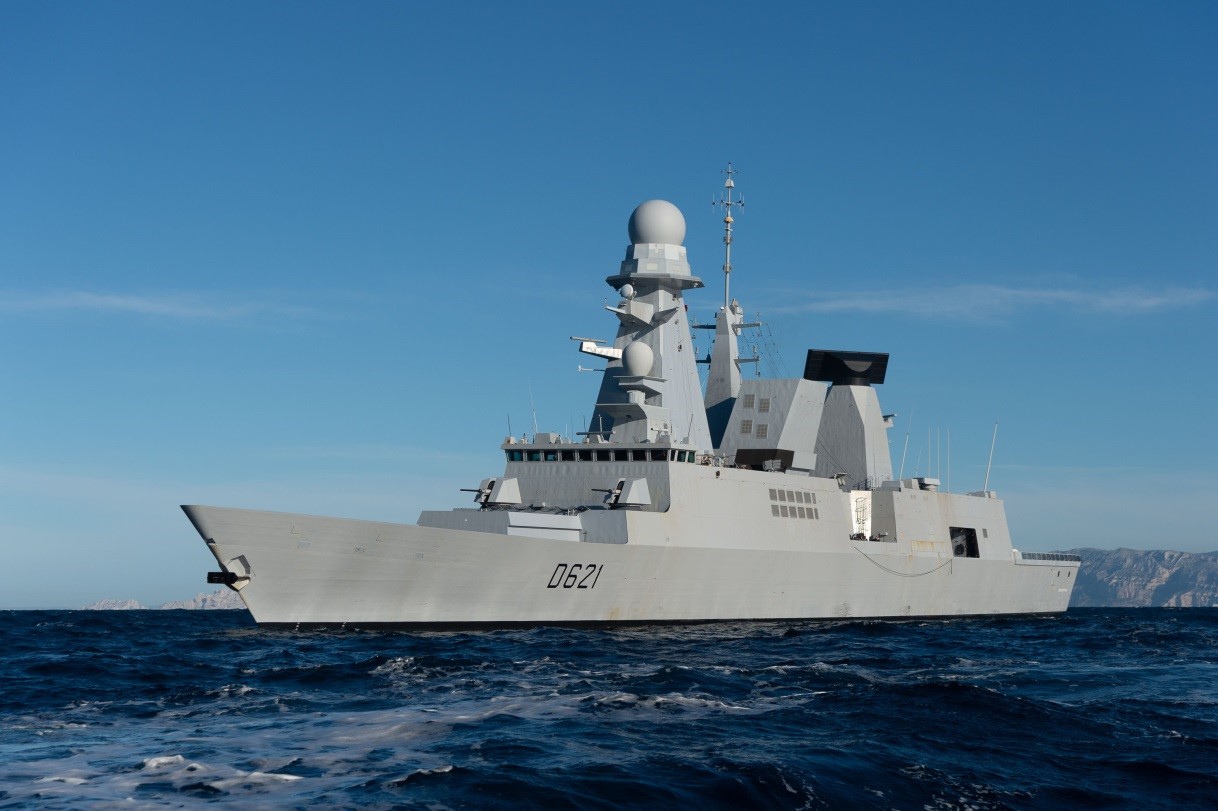
During one of the training exercises, Ukrainian military personnel simulated an attack on a frigate from the Blue side. As a result of the attack, the frigate sustained numerous simulated hits, which would have caused it to sink in a real battle. However, even after the attack ended, the ship's crew did not realize it had occurred.
Five minutes after the frigate was supposedly sunk, the Blue side wrote in the joint chat: "So, are you going to attack us now or not?" In their conclusion, the Ukrainian military stated that the problem was not a lack of weapons to repel the unmanned surface vehicles' attack, but rather the detection, since the crew didn’t even realize they had already been attacked.
From Defense Express we would like to add that NATO frigates are heavily armed, particularly with automatic cannons and machine guns. If the unmanned boats had been detected, they likely wouldn't have been able to get close enough to launch an attack. It is more likely that they would all have been destroyed.
To detect targets, frigates are equipped with a comprehensive suite of sensors, including various radar systems, sonars, cameras, and more. However, made from radar-transparent materials, Ukrainian maritime drones are extremely hard to detect.
In addition, they are small in size and have a shallow draft, making them very difficult to detect using sonar or cameras. They can simply hide among the waves and remain unnoticed.
Therefore, detection capabilities should be one of the main tools for combating unmanned boats. These include a greater number of cameras equipped with artificial intelligence for identification, unmanned aerial vehicles, and specialized radars designed specifically to detect such targets.
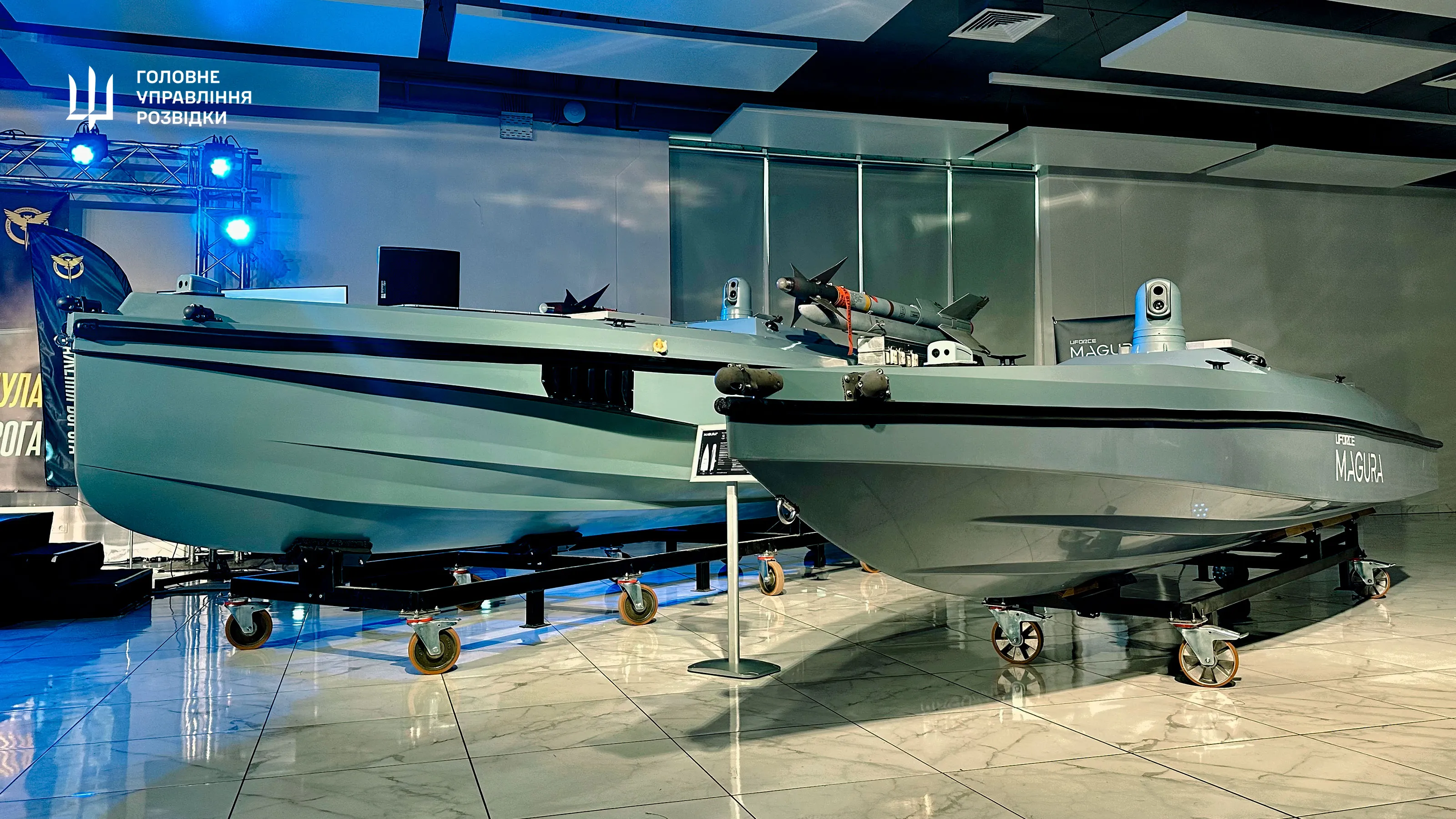
According to reports, following the four-week REPMUS/Dynamic Messenger 2025 exercises, the Red team, led by Ukrainian military personnel, was declared the winner.
Read more: Ukraine Gives Allies Access to Real War Data to Train AI Drone Systems