


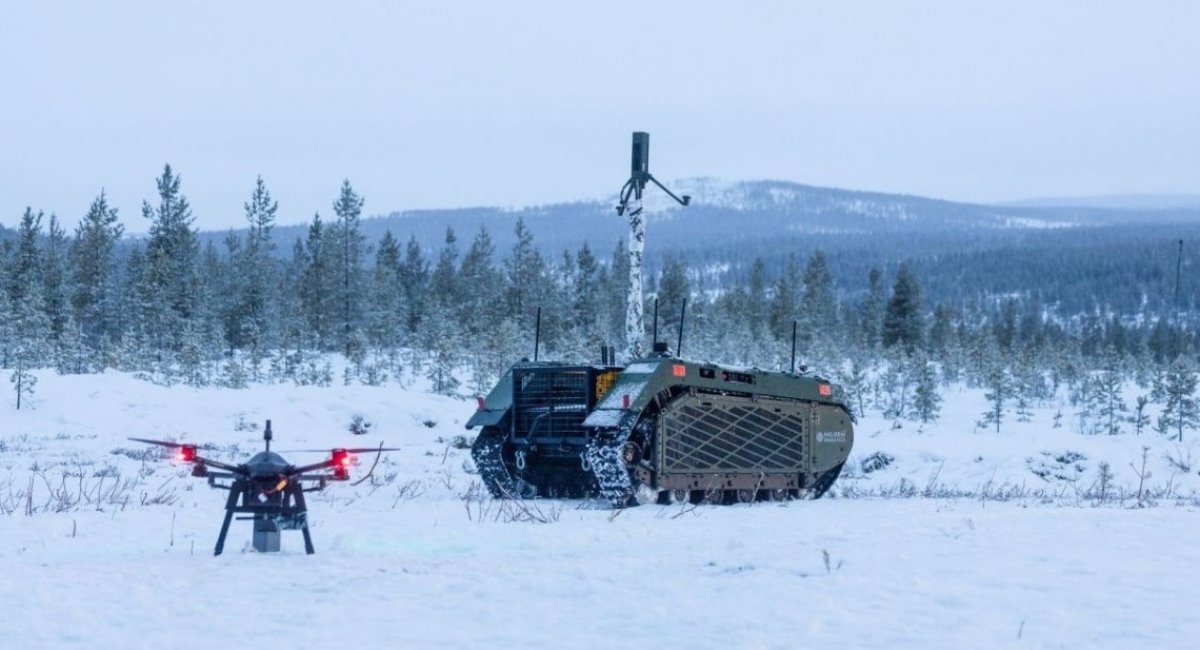
Sweden's Defence Materiel Administration FMV (Försvarets Materielverk) has published requirements for small ground robotic platforms for the country's armed forces and the specifications suggest Sweden has carefully analyzed Ukrainian military experience with this type of equipment and drawn the right conclusions about what characteristics actually matter.
FMV's press release states that evaluation criteria will include: off-road capability; platform adaptability and open system architecture; unit cost and maintenance costs; ease of payload integration; and enhanced operator support for UGV crews. Most importantly, a maximum declared payload capacity of 500 kg has been set.
Read more: Shield AI's Hivemind Is Coming to America's Shahed Equivalent, One Operator, One Swarm, Real-Time Coordination
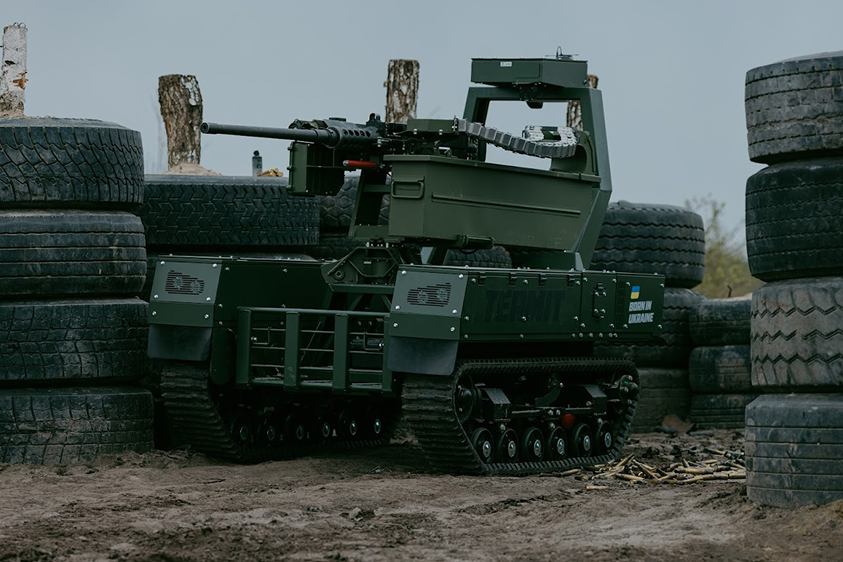
These stated requirements allow for a cautious assessment that Sweden is on the right track and avoiding the typical mistakes made by countries that, despite having access to Ukraine's Defense Forces' combat experience, continue to ignore real battlefield lessons and produce technically impressive platforms that risk being conceptually unviable on the modern battlefield.
A case in point is the Romanian IRON-690 UGV, based on the TAF 690 S5 tractor, which boasts an impressive 7-tonne payload and solid cross-country mobility but would be highly vulnerable to drone attacks. Sweden, by contrast, is looking at a considerably more compact platform: the 500 kg payload ceiling places it in the same category as Ukrainian UGVs, where the Protector from Ukranian Armored Vehicles one of the largest in service carries up to 700 kg, while most Ukrainian UGVs average between 150 and 350 kg. A 500 kg ceiling signals that Sweden wants a genuinely compact platform.
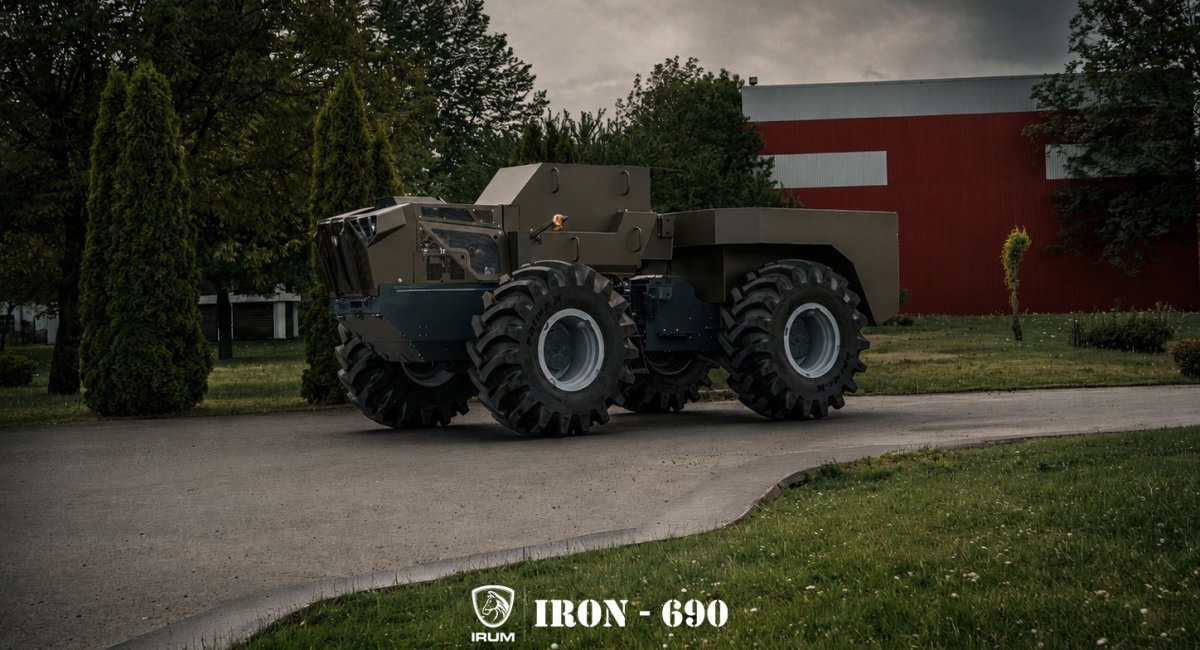
Sweden also grasps another important reality of UGV operations that such vehicles may operate in high-risk areas where the loss of individual systems is, to a greater extent, an inevitable risk. Ground robotic platforms on the battlefield are therefore expendable, and there is simply no point in developing excessively expensive high-technology systems; the emphasis must be on volume.
UGVs still need to incorporate modern technologies, however. FMV notes that operating a ground drone often creates high cognitive load for the operator missions can last hours and involve significant difficulty navigating limited passability and visibility making a high level of autonomy an important requirement.
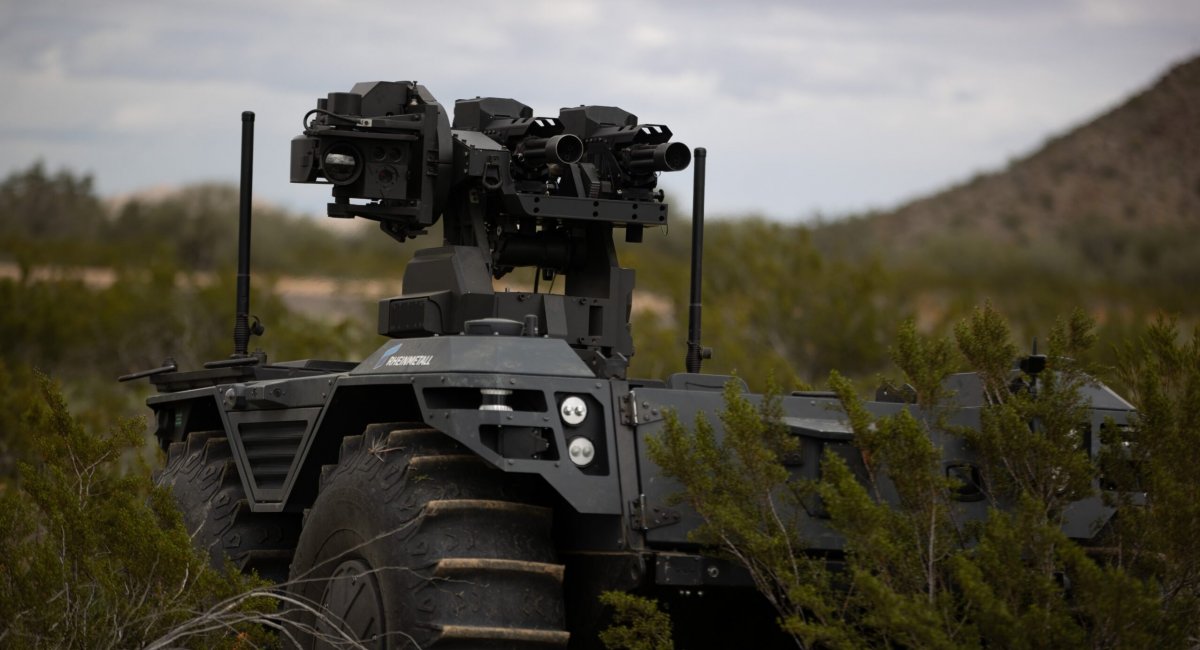
At the same time, Sweden acknowledges that current market offerings for UGVs have a number of limitations, which typically mean they are designed and developed to address only specific individual tasks.
This is partially addressed in the requirements through the emphasis on platform modularity and enhanced operator support. Modular architecture allows a platform to be rapidly reconfigured for different missions: logistics, casualty evacuation, fire support though the battlefield sometimes demands purpose-built platforms tailored to the specific requirements of a given mission.
Read more: Ukraine's Black Sea Drone Expertise Goes to the Baltic: Stark Proposes Vanta USV to Counter russia's Shadow Fleet