In the South China Sea, China has recently been conducting unusual exercises involving fishing vessels belonging to its so-called maritime militia. On at least two occasions, these vessels were used to assemble what can be described as a maritime "wall."
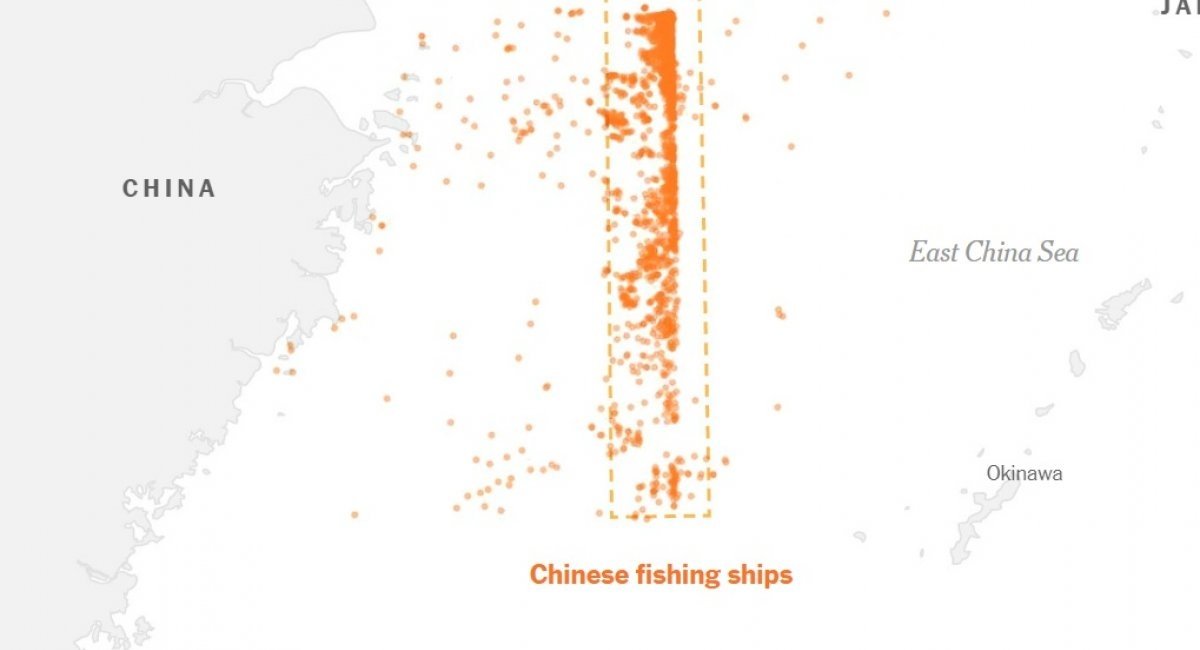
The first such incident occurred on December 25, Christmas Day. More than 2,000 vessels were assembled, forming a "wall" over 290 miles (466 km) long. Notably, the formation included a turn, after which it extended for several hundred additional kilometers. This was reported by The New York Timse.
Read more: How China Could Gain Critical Edge by 3D-Printing Jet Engines for Cruise Missiles, UAVs
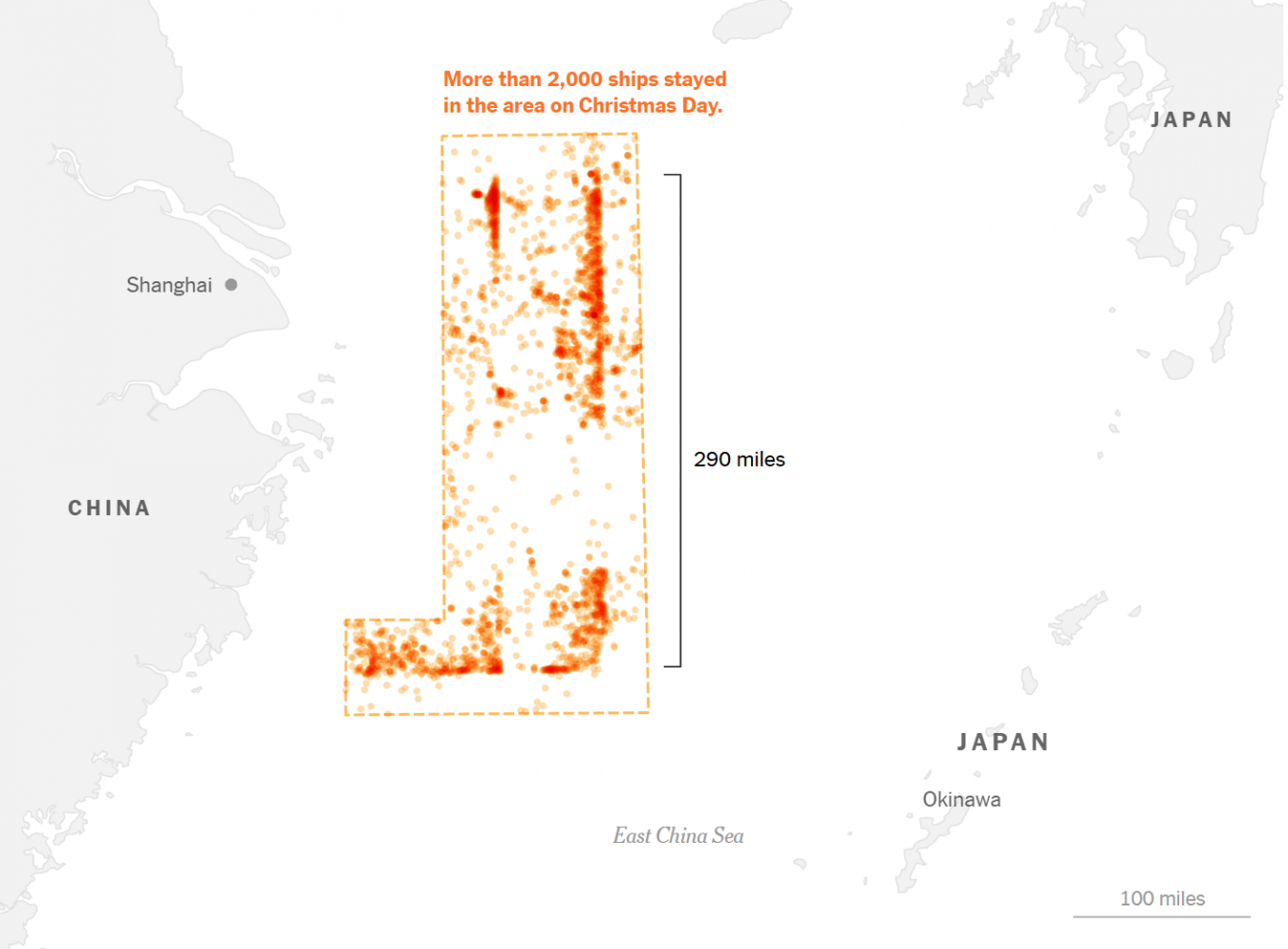
The second instance took place between January 9 and 12, when a "wall" more than 200 miles (321 km) long was formed using around 1,400 vessels.
In practice, what was observed was not a continuous solid wall, but rather a rectangular zone of concentrated vessels spaced at certain intervals from one another. These were ordinary fishing boats that were initially engaged in fishing. Upon receiving orders, they immediately ceased operations and moved to designated positions, coordinating precisely with other vessels.
At this stage, these actions were most likely exercises aimed at testing whether more than 2,000 civilian vessels can be coordinated simultaneously with such precision to form maritime barriers directly at sea. It is worth noting that China actively uses such vessels for provocations and to advance its geopolitical interests, including the seizure of disputed shoals and reefs.
It is entirely possible that similar barriers made up of fishing vessels could be formed in the future around various contested areas. They could also be used, for example, to encircle Taiwan in the event of hostilities. To fully or partially surround Taiwan, a barrier roughly 1,500 km long would be required — a task that appears feasible given that China operates the world’s largest fishing fleet.
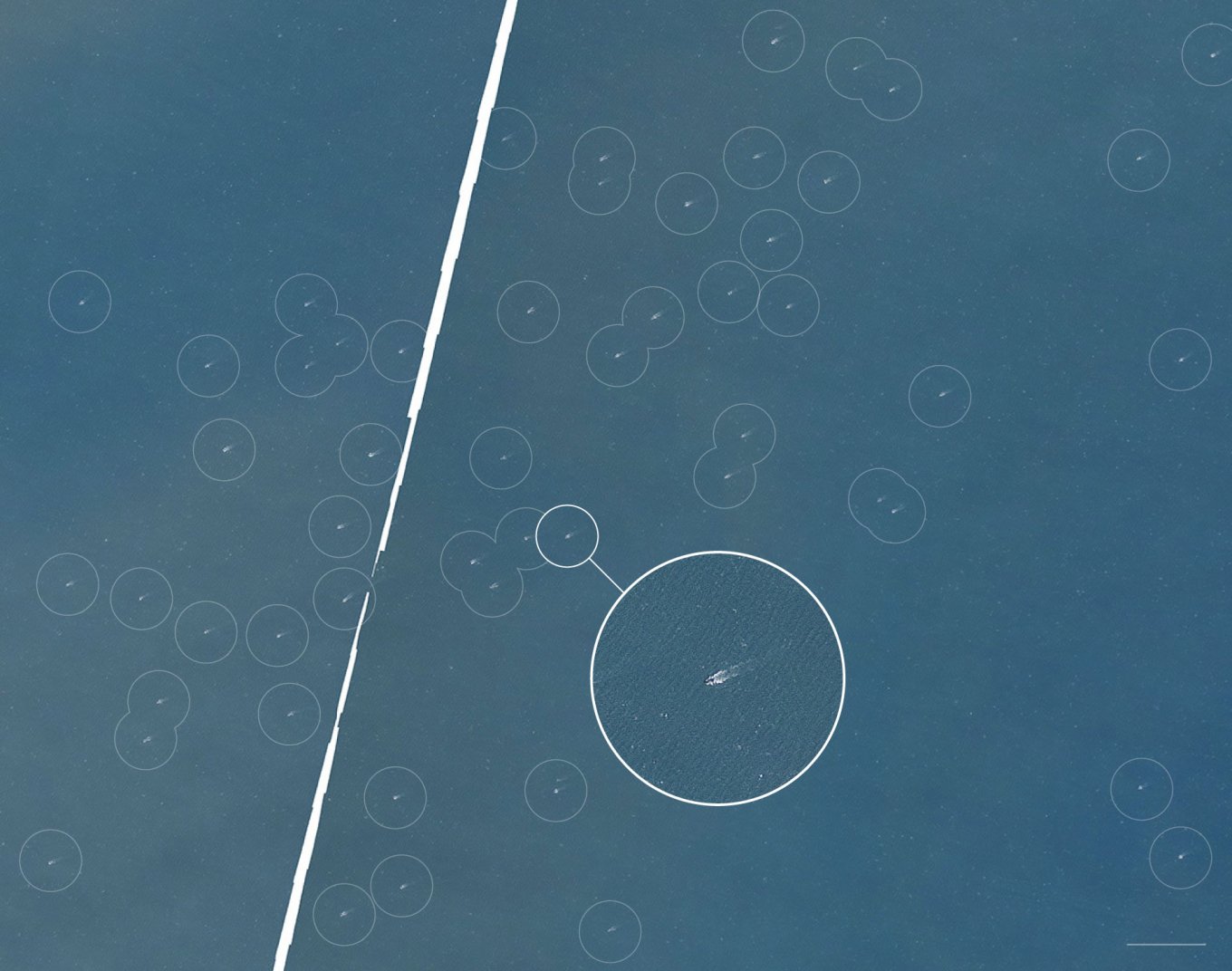
Such a barrier would not constitute a full naval blockade. However, it could significantly complicate the movement of other vessels or force them to transit through narrow corridors controlled by Chinese military forces. In this sense, it could serve as one element of a broader blockade strategy.
Defense Express would also note that such vessels could theoretically be equipped with small electronic warfare systems, radar stations, or sonar to detect submarines and underwater drones.
Other weapons could also be concealed onboard — ranging from machine guns for countering drones, boats, or commercial vessels attempting to break through a blockade, to even disguised anti-ship missiles. For now, this remains an assumption, but one that aligns with China's broader strategy of militarizing commercial and civilian vessels.
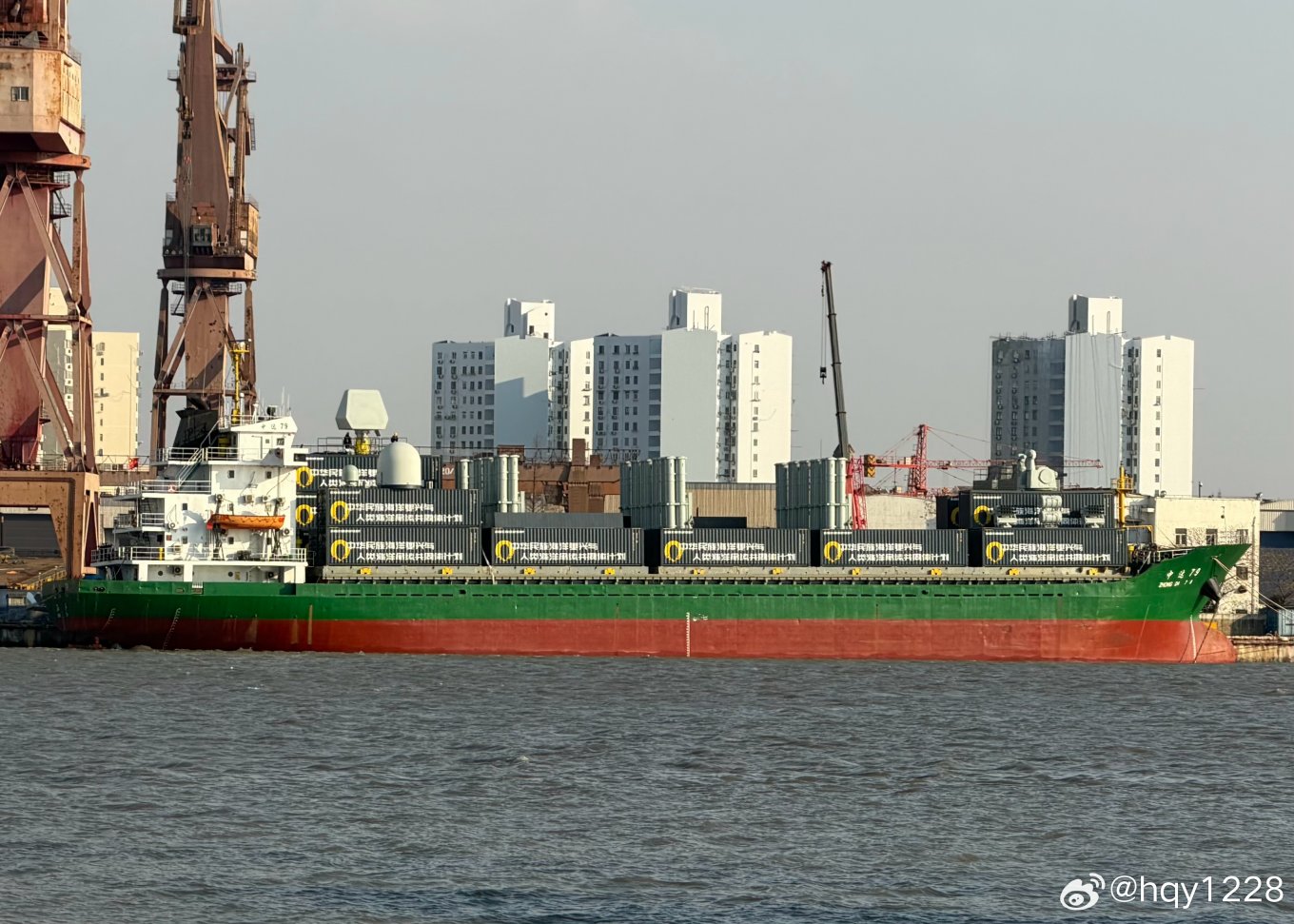
It is worth recalling how China previously converted a container ship into an improvised air-defense vessel equipped with 60 surface-to-air missiles, radar systems, and anti-aircraft guns. Later, the same container ship was reportedly fitted with an electromagnetic catapult for launching interceptor drones.
When considering China's civil-military fleet integration, it is also important to recall its fleet of roll-on/roll-off (Ro-Ro) vessels, which can be rapidly converted into large amphibious assault ships. China has already built a second set of massive floating piers specifically for these vessels. For comparison, during World War II, just two floating harbors were sufficient to land 2.5 million troops in Normandy over nine months — raising the question of how many such systems China might ultimately deploy.
Read more: China Increases Landing Barges Amid Taiwan Invasion Preparations: How Many Are Needed?