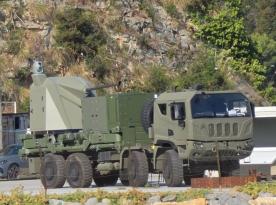



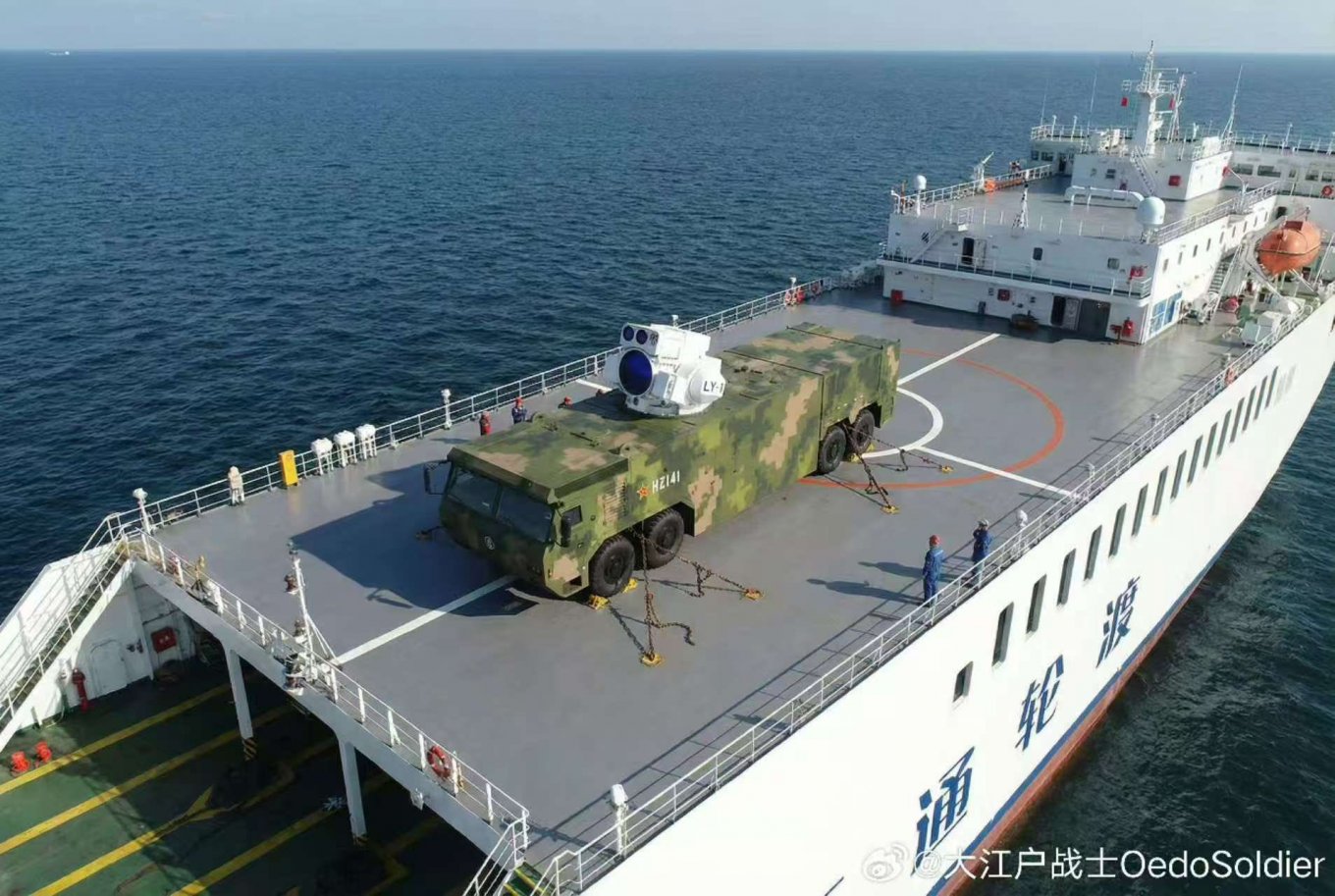
A photograph has emerged online showing a LY-1 mobile anti-aircraft laser installed on the Bo Hai Heng Tong, a Ro-Ro commercial vessel.
This laser was installed to the helicopter pad with cables. The LY-1 is China's most powerful air defense laser, originally designed for deployment on various ships. In addition to destroying drones, the LY-1 is capable of hitting anti-ship missiles, according to Chinese officials.
Read more: russia Deploys New Pantsir-S1M With Hypersonic Missiles in Crimea, Reportedly Moved From the Crimean Bridge
But why would such equipment be placed on civilian ships that primarily transport electric vehicles?
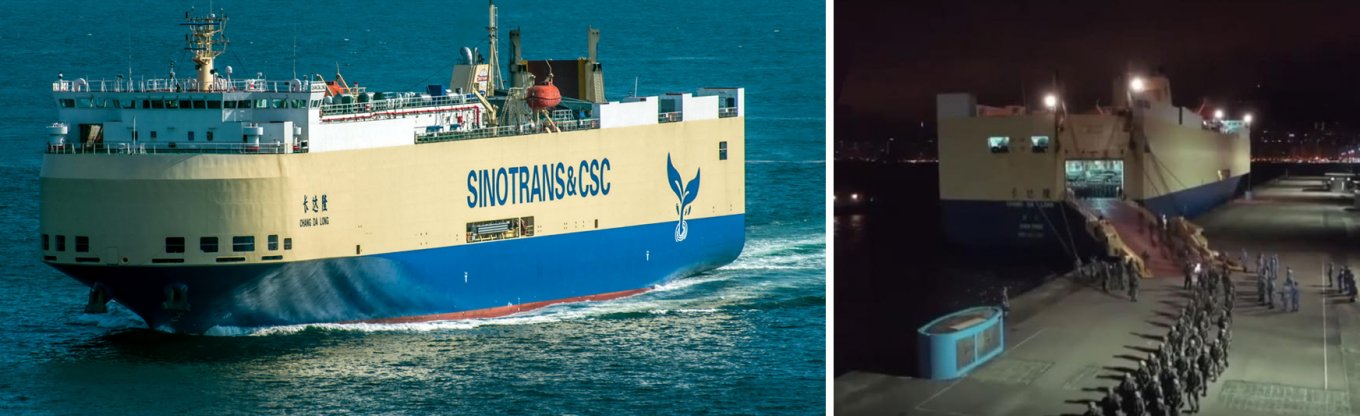
It should be noted that China considers such ships to be dual-use vessels. Until the war begins, they will continue to carry out civilian transport along their routes.

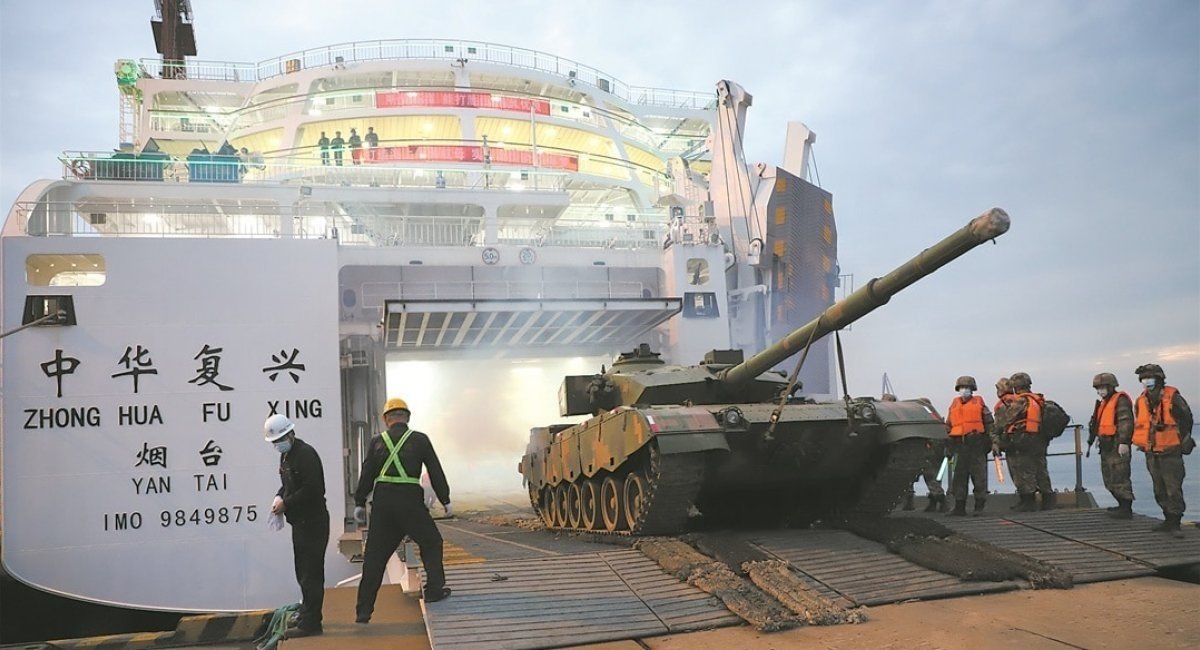
However, as soon as China decides to invade Taiwan or another country, hundreds of amphibious vehicles will be loaded onto these ships along with troops. After that, these ships would approach the enemy coast to a designated distance and deploy amphibious forces directly into the sea to secure a foothold on the shore.
They can also unload at already‑captured ports, or use special landing barges built for amphibious and Ro‑Ro ships to dock and deploy troops directly onto the shore.
Due to the current boom in electric car exports, China plans to build roughly 80 such vessels by 2025. They all need to be built so they can be mobilized for maritime transport when required. Usually, large Ro-Ro ships can transport between 7,000 and 9,000 passenger vehicles.
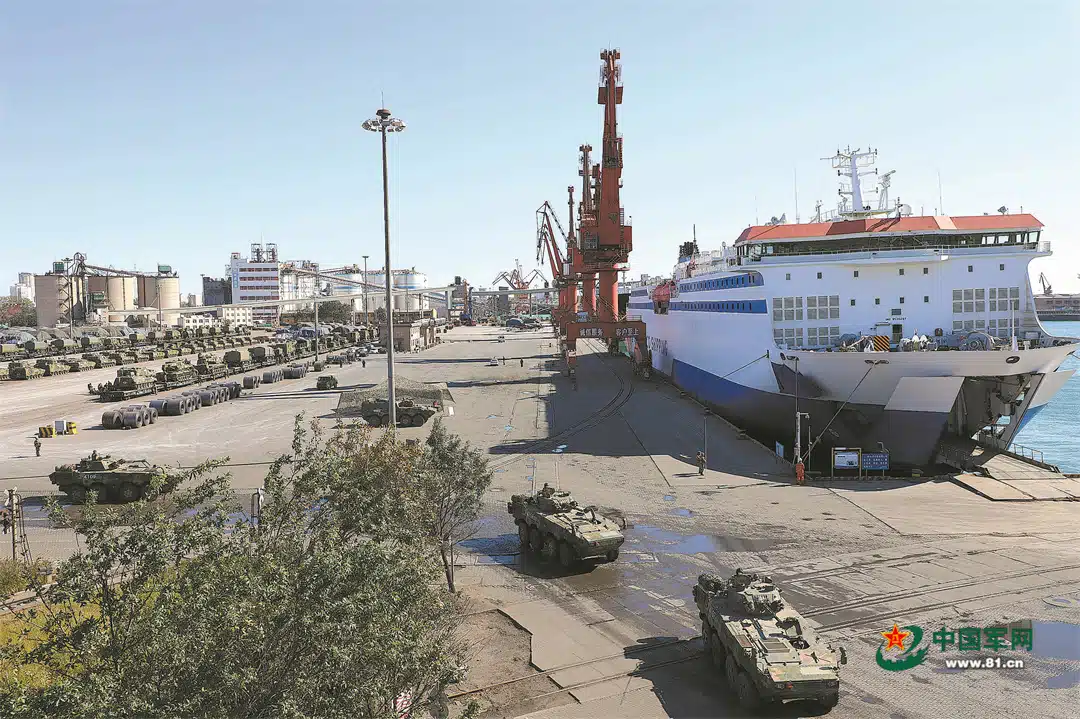
These ships, being mainly commercial, are not equipped with defensive weapons, even though they may carry thousands of troops and hundreds of military vehicles. Taiwan, in turn, has a lot of anti-ship weapons, including anti-ship missiles. This is why China equipped the ships with LY-1 anti-aircraft lasers, providing protection against drones and missiles.

However, it is unclear how targets will be detected, since the ships lack the necessary radars, and the LY-1 apparently does not have them either. This suggests that either additional radars must be installed on the ships, or the system will rely on laser units operating within a single automated network for information sharing and target designation.
Read more: BRAWLR that Shot Down 400 Targets in Ukraine May Go Autonomous for Frontline Missions