


Ukraine's Ministry of Defense has outlined a clear logic behind the growing number of long-range strikes against targets inside russia, suggesting that the Kremlin may only reconsider the war once it begins to directly affect life in major cities.
"There is one simple understanding - russia will start thinking about ending the war when it becomes uncomfortable for those in Moscow, St. Petersburg, Krasnodar, and other major cities to live," the ministry stated.
Read more: Ukrainian Drone Units Destroy russian Buk, Tor Systems, and Nebo-U Radar in Three-Day Strike Campaign (Video)
According to Ukrainian officials, this approach is not new but rather the result of a long-term strategy. "For years, our Defense Forces have been paving the way to bring the war back to where it came from," the statement reads.
Recent developments indicate that this effort is beginning to produce visible results. Ukrainian strikes are increasingly reaching deep into russian territory, targeting both military and economic infrastructure.
"And recently, this has been becoming their reality: around-the-clock attacks on Moscow, strikes in the Leningrad region, including port infrastructure, and constant raids on Sochi. And this is only us testing the ground," the ministry emphasized.
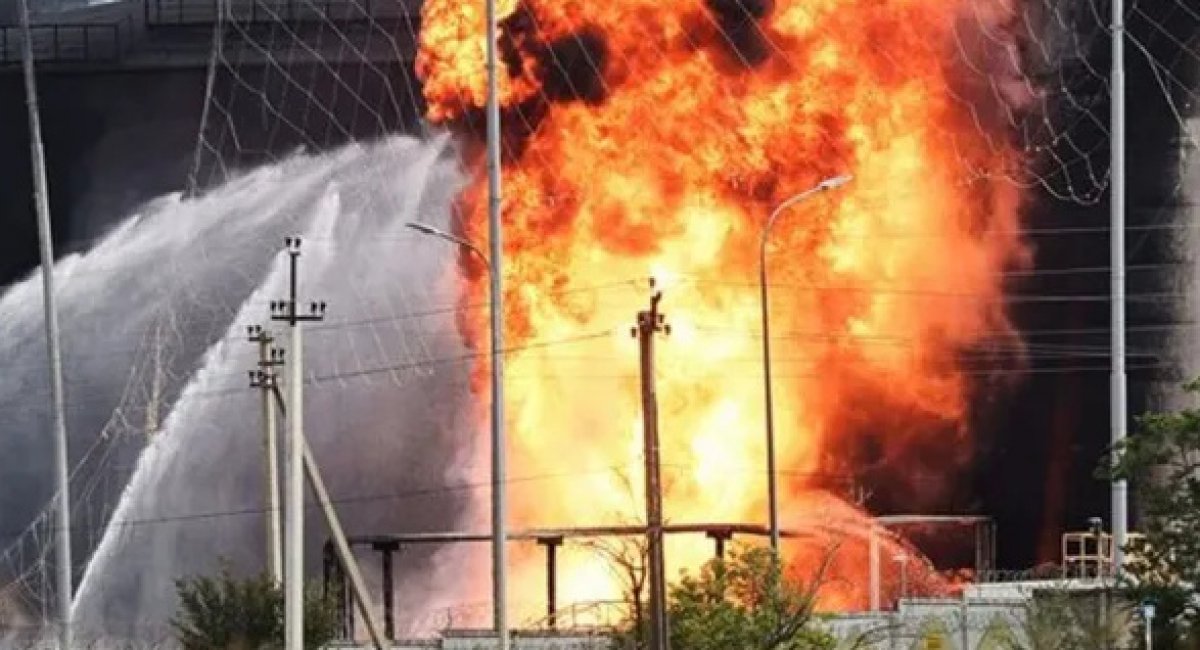
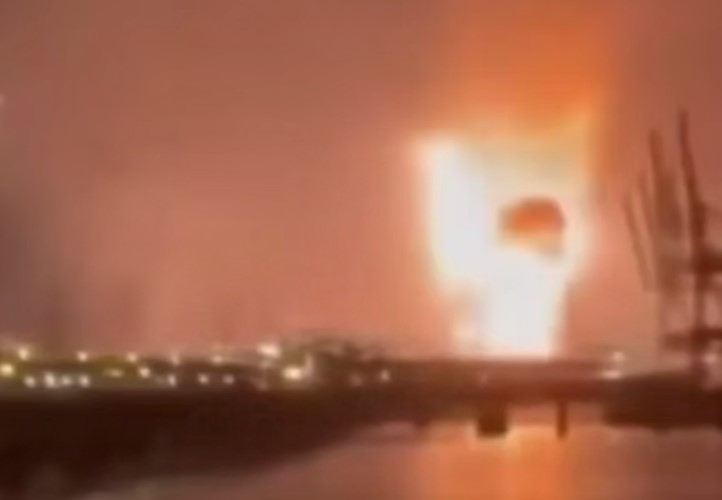
Over the past weeks, Ukrainian long-range operations have become more systematic and geographically broader. One notable example occurred on the night of March 23, when drones struck one of russia's largest oil export terminals in Primorsk, located in the Leningrad region.
The General Staff of the Armed Forces of Ukraine confirmed the strike, reporting damage to facilities operated by Transneft at the port. Preliminary information suggests that both fuel storage tanks and oil loading infrastructure were hit.
Just days earlier, on the night of March 21, russia reported what it described as its largest drone attack of the year. Explosions were recorded in multiple regions, including Moscow and Saratov, while the most intense activity was observed in the Rostov region.
Ukrainian officials frame these operations as part of a broader campaign aimed at increasing pressure far beyond the front line.
Read more: First Ka-52 Downed by Drone: How Fiber-Optic FPV Made Historic Kill Possible