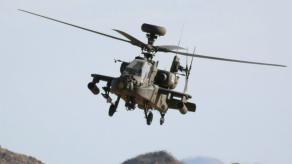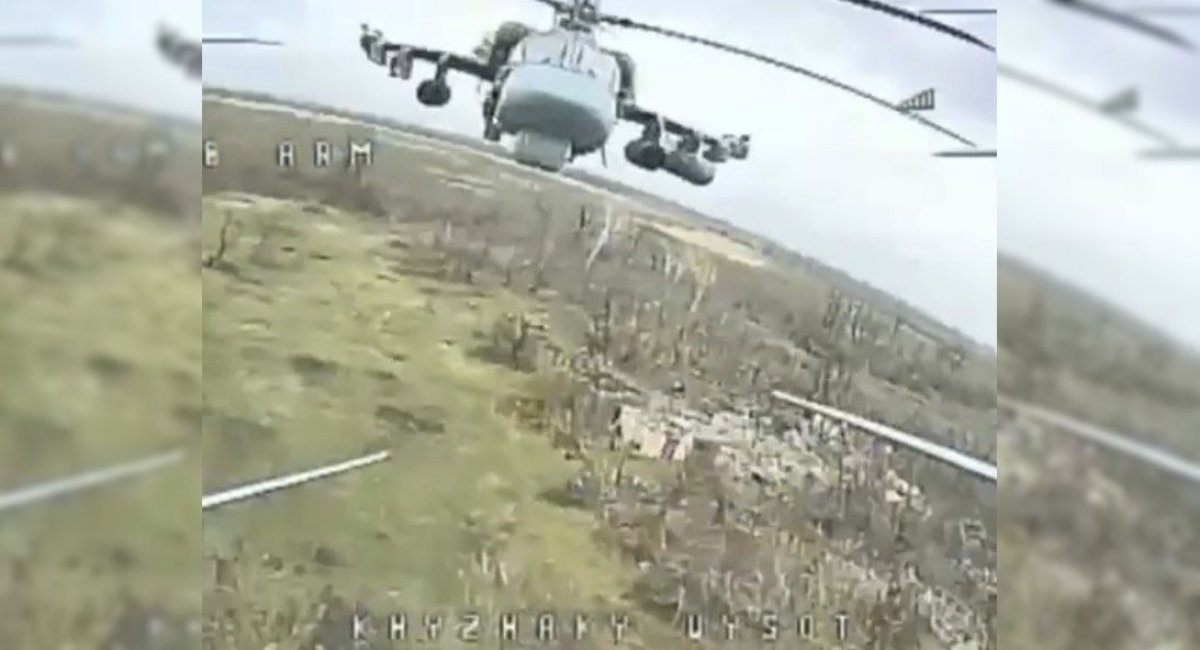
On Friday, March 20, UAV operators of the 59th Assault Brigade of Unmanned Systems Forces of Ukraine shot down a russian Ka-52 attack helicopter during fighting in the Pokrovsk sector. This marks the first known instance in the russia–Ukraine war of a Ka-52 being destroyed by a drone.
The broader significance of this event was highlighted in a video released shortly after the incident by the media group of the 413th Raid Regiment of the Unmanned Systems Forces. However, it is worth examining the technical aspects of this shoot down in more detail, particularly the use of a fiber-optic FPV drone.
Read more: Ukrainian Drone Hunters Take Down $16M Ka-52 Helicopter with Fiber-Optic FPV (Video)
The use of such a system was reported by the manufacturer General Chereshnya, which indicated that the drone involved was the General Chereshnya OPTIX.
The company announced the codification (official certification) of the General Chereshnya OPTIX in late December 2025. These drones are available in configurations based on 10-, 13-, and 15-inch frames, with spool lengths and operational ranges of 15, 20, 25, 30, and 35 kilometers. Different combinations of frame size and spool length can be selected depending on mission requirements.
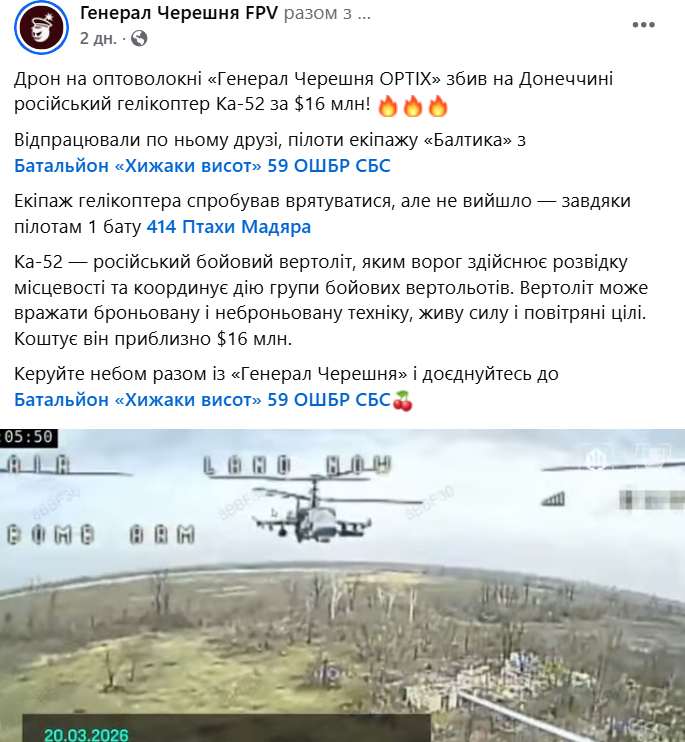
The General Chereshnya OPTIX fiber-optic drone shot down a russian Ka-52 helicopter worth $16 million in the Donetsk region! It was engaged by the pilots of the Baltika crew from the Khyzhaky Vysot unit of the 59th Assault Brigade of Unmanned Systems Forces of Ukraine. The helicopter crew tried to escape but failed - thanks to the pilots of the 1st Battalion of the 414th Magyar's Birds. The Ka-52 is a russian attack helicopter used by the enemy for terrain reconnaissance and coordinating the actions of a group of attack helicopters. The helicopter can engage armored and unarmored vehicles, personnel, and aerial targets. It costs approximately $16 million.
Preparation for the operation reportedly took one and a half months. During this time, UAV operators tracked the flight routes of russian army aviation and identified potential interception points. This was stated by Major Maksym Bohachuk, commander of the 1st Battalion of the 59th Brigade, as reported by ArmyInform.
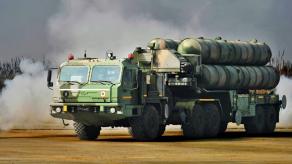
This detail highlights the level of effort required for such an engagement. It was the result of deliberate planning rather than improvisation. For comparison, previous discussions on how to shoot down a Ka-52 using S-300 systems have also shown that this type of attack helicopter is a difficult target even for conventional air defense.
Open-source reports indicate that the downed Ka-52 belonged to the 17th Army Aviation Brigade of russia's Central Military District. The crew reportedly consisted of relatively young and trained personnel, born in 1997 and 1999.
The idea of shooting down a helicopter with a drone has been discussed for some time. In August 2024, during operations in the Kursk region, Ukraine's Security Service used a drone to damage a russian Mi-28 attack helicopter. In September 2025, operators from the same 59th Brigade shot down a russian Mi-8 helicopter using an FPV drone over temporarily occupied territory in Donetsk region. In November 2025, Special Operations Forces reportedly destroyed a Mi-8 over russian territory using a long-range FP-1 strike drone.
Another noteworthy case occurred in May 2025, when Myanmar insurgents reportedly shot down a government Mi-17 helicopter using an FPV drone. However, the conditions of that conflict differ significantly from those of the russia–Ukraine war.
Rekaman Video Amatir dan dari Drone FPV milik kelompok Pemberontak Etnis Kachin Myanmar ( Kachin Independence Army ) saat menghantam satu dari 3 Helikopter Mil-17 Angkatan Udara Myanmar yang tengah mendrop Pasukan di kawasan Bhamo pada tanggal 20 Mei lalu. pic.twitter.com/rY8zhOSzMo— Golden Eagle (@Y_D_Y_P) May 22, 2025
The key takeaway is that operations described as "first in history" require extensive preparation by Ukrainian Defense Forces, relying on their own tactical innovation and available strike capabilities. These examples illustrate the scale of effort needed to successfully carry out such missions.
The 413th Raid Regiment of the Unmanned Systems Forces is currently raising funds to support its anti-air UAV unit. Donations can be made via the following details:
Jar link: https://send.monobank.ua/jar/5dZxSu9x4B
Card number: 4874 1000 2019 7854
Ivan Kyrychevskyi, serviceman of the 413th Raid Regiment of the Unmanned Systems Forces of Ukraine and weapons expert at Defense Express.
Read more: Ukrainian Drones Destroy russian Mi-8, Ka-52 Helicopters at Airfield Deep Inside russia