Ukraine's Unmanned Systems Forces carried out a series of coordinated strikes over three days, targeting some of russia's most critical air defense and logistical assets. The operations, conducted between March 21 and 23, highlight a growing emphasis on deep, precision disruption rather than purely tactical engagements along the front line.
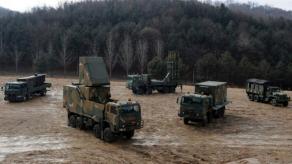
On March 21, operators of the Raid 413th Battalion executed one of the most notable strikes of the campaign in russia's Bryansk region. A single, well-placed hit destroyed two elements of the Buk air defense system simultaneously: a modern Buk-M3 launcher and a transporter-loader vehicle associated with Buk-M2 system. The Buk-M3, introduced into service in 2016, is among russia's most capable medium-range air defense systems, designed to engage aerial targets at distances of up to 70 kilometers.
Read more: Ukrainian Drone Takes Out russian Tor-M1 Air Defense System (Video)
The destruction of both systems in one strike suggests not only precise targeting but also effective reconnaissance and timing, likely exploiting moments when assets were clustered or transitioning. Eliminating a transporter-loader vehicle is particularly significant, as it directly impacts the system's ability to sustain operations even if other launchers remain intact.
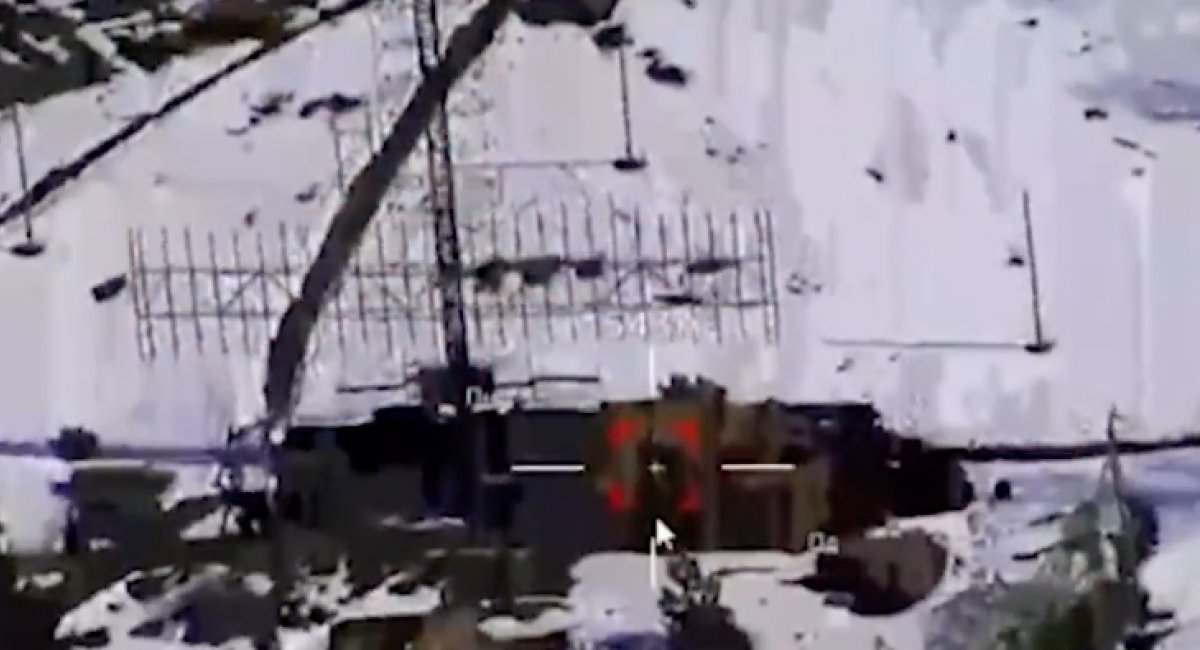
The following day, Ukrainian drone operators targeted and destroyed rare and valuable Nebo-U radar system. This long-range surveillance radar plays a key role in detecting high-altitude and stealth targets, forming part of russia's layered air defense network. Its loss creates gaps in situational awareness, particularly in rear or border regions.
Also on March 22, operators from the Kairos Battalion struck russian Tor-M1 short-range air defense system in Donetsk region. Designed to protect frontline units from drones and precision-guided munitions, the system's destruction further degrades russia's ability to shield its forces from aerial threats at the tactical level.
Additional strikes targeted radar components of the S-300/S-400 systems in Donetsk region, indicating a systematic effort to dismantle not only launchers but also the sensor infrastructure that enables engagement. By focusing on radar assets, Ukrainian forces aim to blind entire air defense networks rather than simply reducing the number of interceptors available.
On March 23, operators from the 1st Separate Center struck a fuel train in Luhansk region, hitting tank cars carrying fuel and lubricants. This attack extends the campaign beyond air defense suppression, targeting logistical chains that sustain russian military operations over time.
All operations were conducted in coordination with Ukraine's Deep Strike Center, underscoring an increasingly integrated approach to long-range warfare. Rather than isolated drone attacks, these strikes appear to be part of a broader campaign designed to systematically degrade russia's air defense coverage, logistics, and ability to regenerate combat power.
Read more: Ukrainian Drones Hit russian TOS-1A System, 2S3 Akatsiya Unit, and Tank on the Belgorod Axis (Video)