


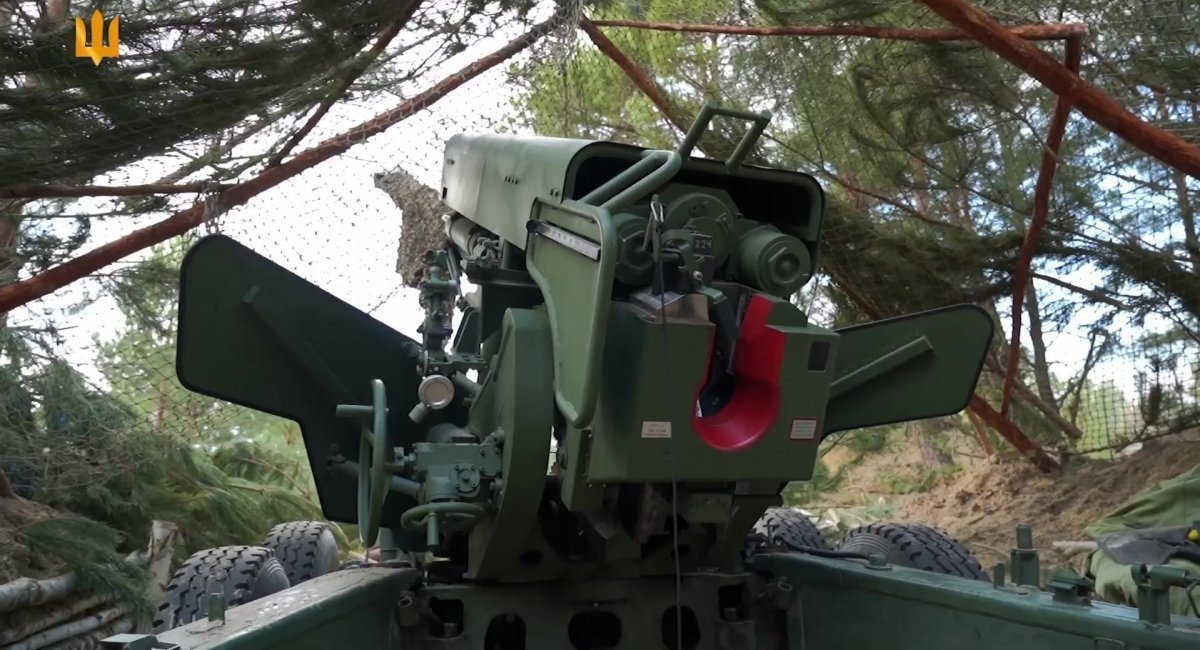
Automated fire-control systems are generally regarded as an important feature of modern artillery, helping crews aim faster and engage targets more efficiently. However, some Ukrainian artillerymen argue that such a system may offer limited benefits for towed artillery and specifically for Ukraine's 155 mm 2P22 Bohdana-B.
This view was shared by servicemen of the 40th Separate Artillery Brigade named after Grand Duke Vytautas in comments to Dumka. The artillerymen also discussed the advantages of the Ukrainian-made system over the American M777 while highlighting several areas that could be improved.
Read more: How Many Bohdana SPGs, Bohdana-BG Guns Has Ukraine Already Built, When Could Production Reach 1,000 Units?
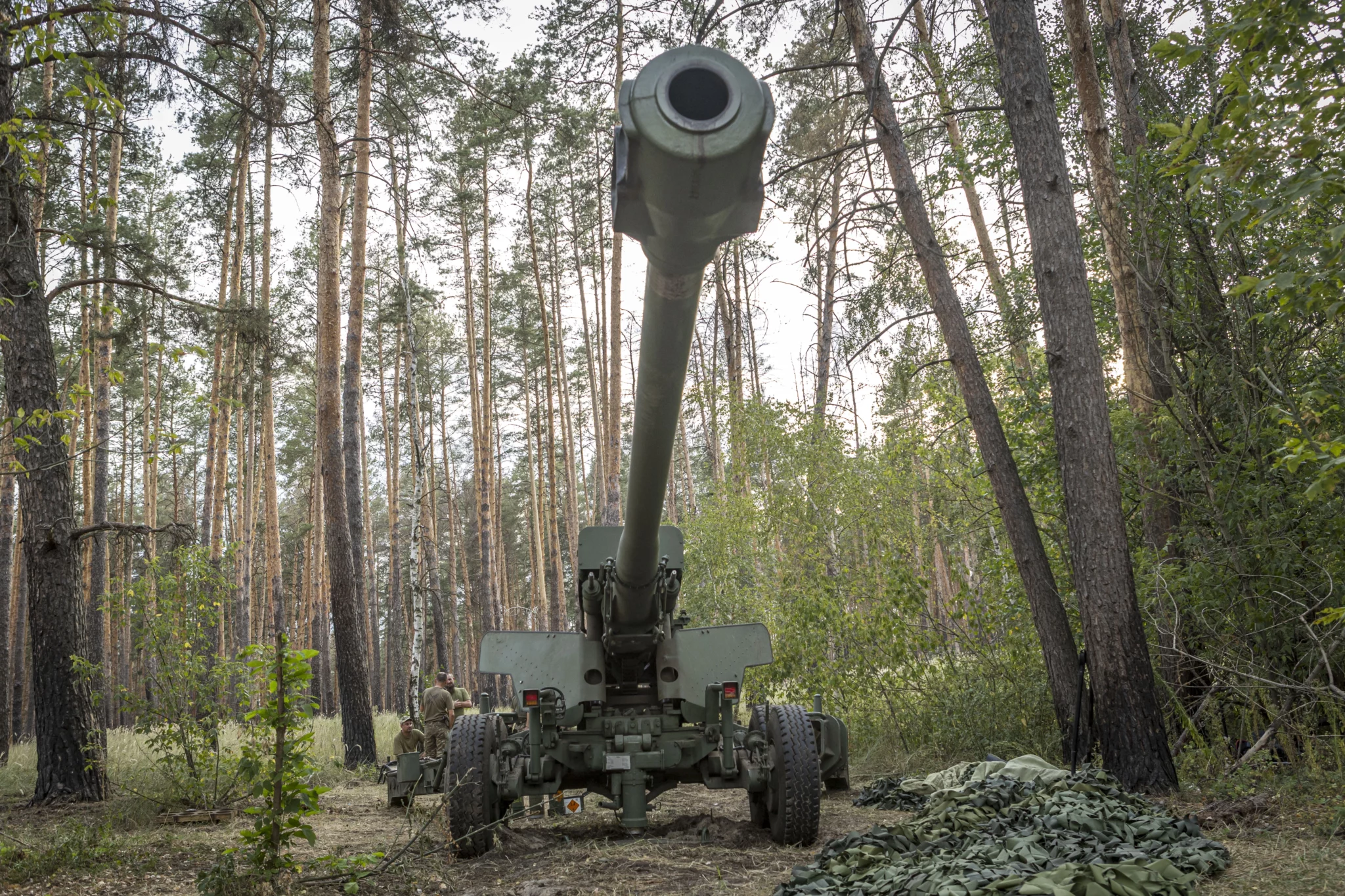
According to the soldiers, GPS signals at firing positions are often degraded or completely unavailable due to russian electronic warfare activity. As a result, an automated fire-control system may be unable to determine its position accurately and establish the reference data required for targeting and firing.
For that reason, the crews argue that such a system may prove more useful under training conditions than in actual combat operations. They also note that the Bohdana-B already delivers a high degree of accuracy without additional automation.
The video below shows the automated fire-control system in operation on the Bohdana self-propelled howitzer.
At first glance, this assessment may appear counterintuitive. After all, the Kropyva-based automated fire-control system has already been integrated into the self-propelled Bohdana. However, both approaches can be justified depending on the platform's intended role and operating environment.
Today, electronic warfare systems capable of disrupting satellite navigation operate even more than 20 kilometers behind the frontline. At the same time, towed artillery can often be deployed closer to the front than self-propelled guns because it is easier to conceal, camouflage, and entrench.
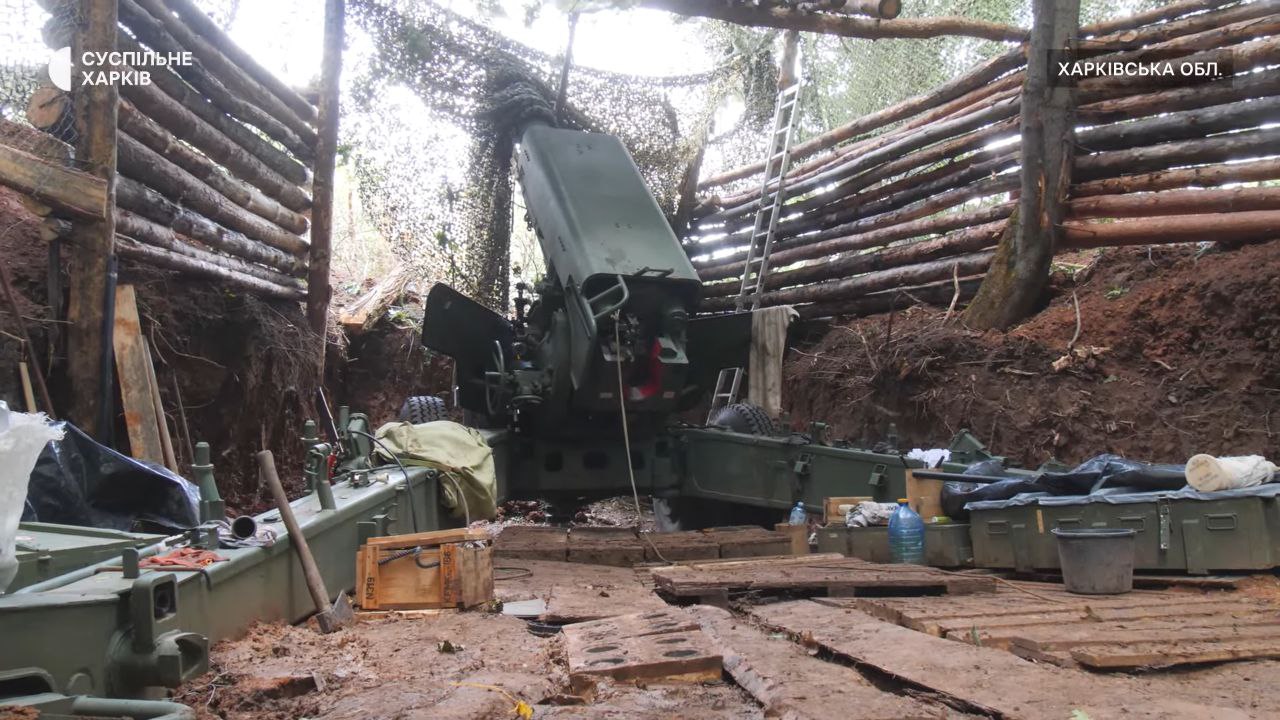
Automation may also increase a howitzer's complexity, cost, and physical footprint while creating additional maintenance requirements. For the Bohdana-B, there is a strong argument for preserving a relatively simple and rugged design that can be produced in large numbers, operate from protected positions, and withstand nearby fragmentation impacts.
The calculation is different for the self-propelled Bohdana. The vehicle is already a large platform, particularly in its 8x8 configuration, meaning an automated fire-control system adds relatively little burden. In exchange, crews gain faster deployment and targeting, reducing the amount of time the gun remains exposed before relocating to avoid enemy counter-battery fire.
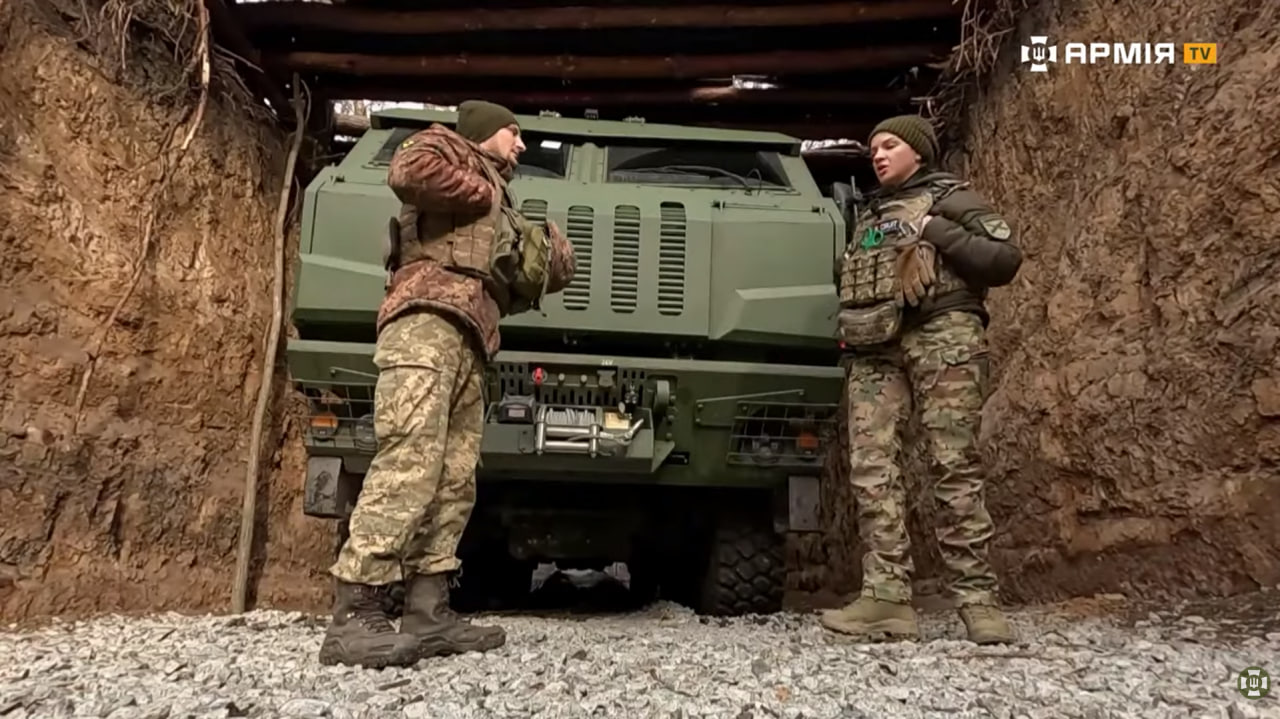
As a result, the value of an automated fire-control system depends heavily on the type of artillery platform and its role on the battlefield. For a towed weapon expected to operate closer to the frontline, compact dimensions, reliability, survivability, and ease of maintenance may be more important than additional automation.
At the same time, it would be premature to draw definitive conclusions from a single unit's experience. Any decision regarding the adoption of an automated fire-control system will ultimately depend on operational requirements and broader battlefield data. Moreover, such systems do not have to rely solely on GPS. Alternative navigation and positioning methods can mitigate that limitation, while automation itself may still provide meaningful advantages in speed, efficiency, and crew workload reduction.
Read more: Ukrainian Bohdana Artillery Systems Have Already Fired Over 800,000 Shots - How Many Were Produced