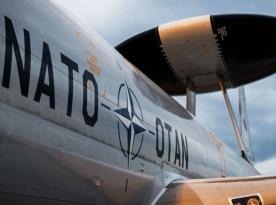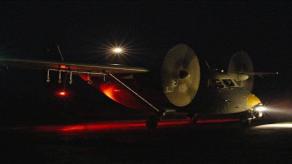
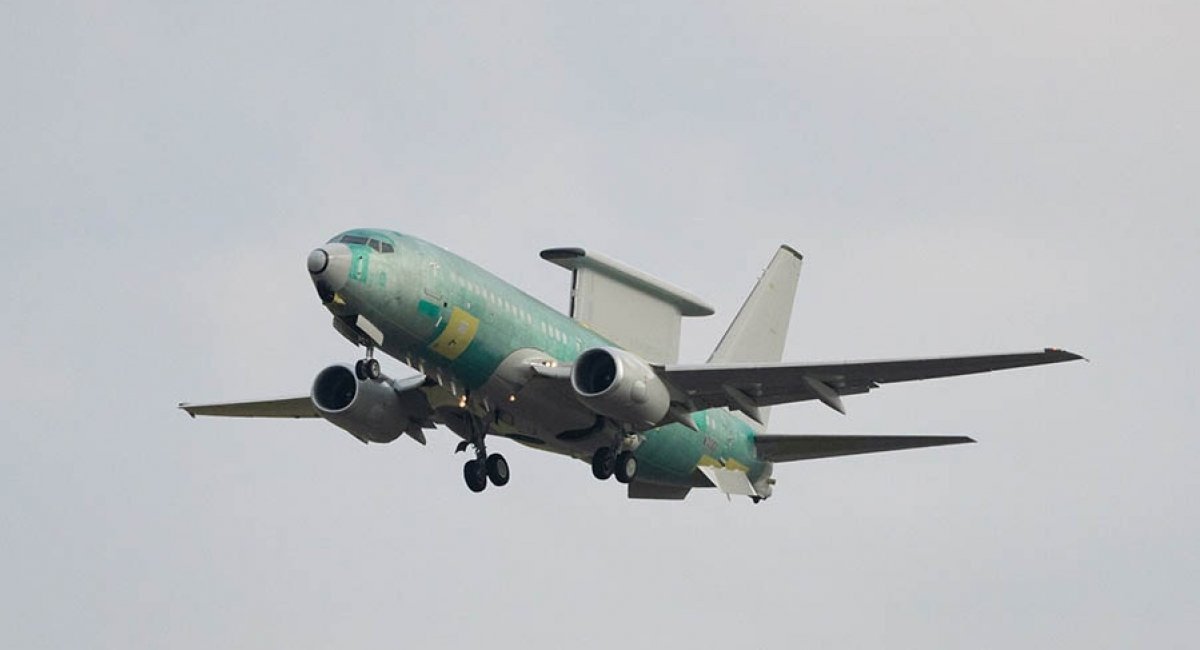
The Royal Air Force's Boeing E-7 Wedgetail AEW&C aircraft, locally designated AEW1, has flown just four times throughout 2025. Notably, its radar has not been activated even once during this period.
According to Defence Eye, this information was disclosed by military sources. Overall, this means that the first British aircraft of this type has flown only seven times since its maiden flight in September 2024, despite the fact that flight testing is officially underway.
Read more: U.S. Reverses Decision Restores E-7 Wedgetail AWACS Program Due to Lack of Alternatives
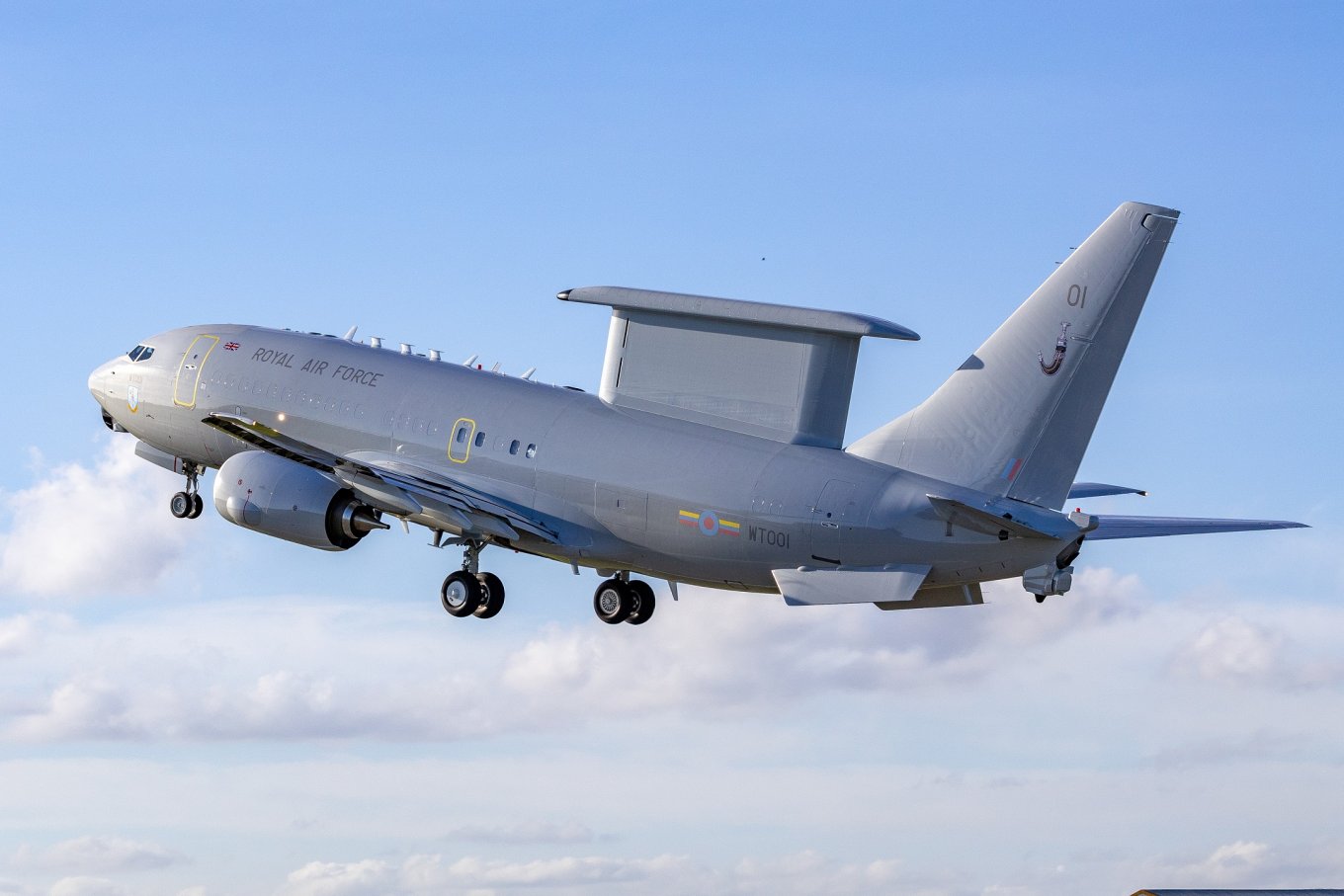
Official sources have declined to comment or to provide any final timelines for completing the tests, citing both Boeing's commercial confidentiality and the sensitive nature of information that could potentially benefit hostile states.
At the same time, unofficial sources claim that AEW1 testing has been delayed due to shortages of materials, components, and qualified personnel. These challenges are reportedly affecting the global aerospace industry as a whole.
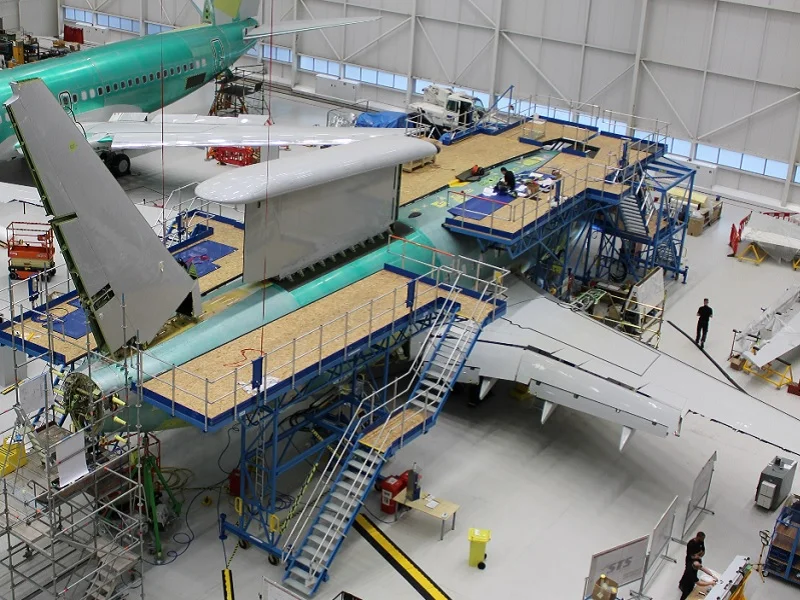
It is also noted that Boeing is required to undergo a complex, UK-specific acceptance procedure for the first aircraft of this type. In addition, enhanced inspections are being carried out, which appears reasonable in light of the scandals surrounding the Boeing 737 MAX. According to available information, eight additional test flights are planned, after which AEW1 is expected to be formally inducted into service in 2026, in line with earlier plans.
From the Defense Express perspective, it is worth recalling that the UK has already encountered difficulties with the E-7 Wedgetail program. In particular, London reduced its order from five aircraft to three as a cost-saving measure. However, this decision resulted in a significant reduction in capabilities, which are now insufficient to ensure continuous operational coverage.
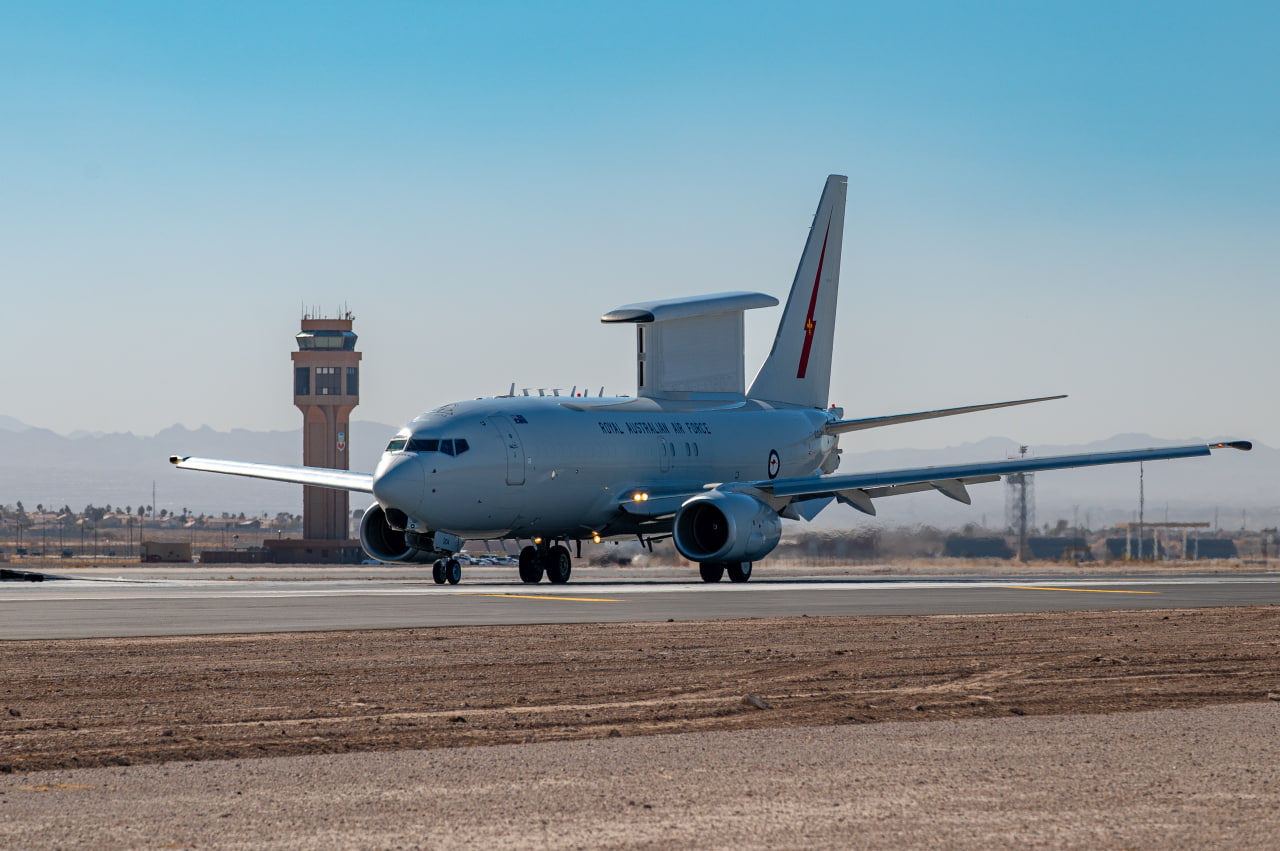
Nevertheless, the UK continues to invest in the program, which NATO previously abandoned due to controversial decisions by the United States. Moreover, Britain is expected to manufacture these AEW&C aircraft for U.S. requirements.
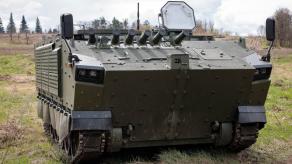
As for the extended and particularly rigorous testing process, this approach appears justified for the UK. Given the scandal surrounding the Ajax infantry fighting vehicle, which has been reported to suffer from serious structural issues, the military, government officials, and the manufacturer are keen to re-check all aspects in order to avoid another high-profile failure.
Read more: Australian E-7A Wedgetail AEW&C Aircraft Deployed in Europe to Track Ukraine Arms Deliveries and russian Threats