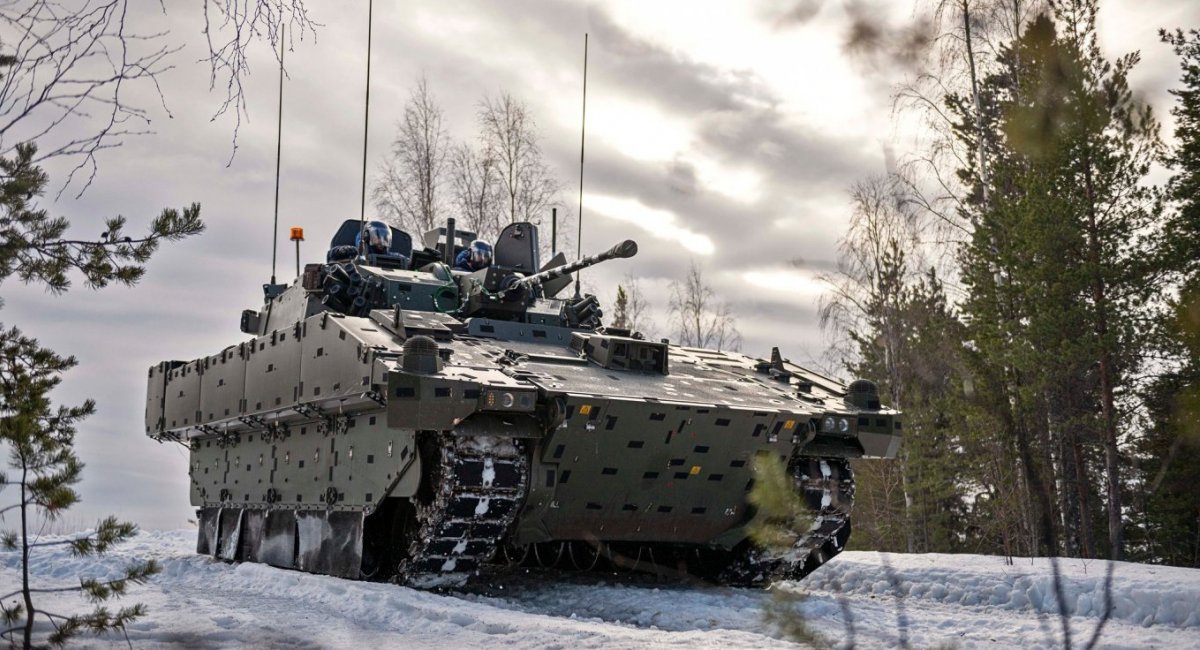
The scandal surrounding the troubled British Ajax IFV continues to gain momentum as new information comes to light. Increasingly, it appears that the vehicle is quite literally falling apart while in motion, while the manufacturer, General Dynamics Land Systems UK (GDLS UK), is allegedly focused on maximizing profits and concealing deficiencies.
Most of the new details were published anonymously by the fill your boots account on the social media platform X (formerly Twitter). At first glance, these claims might seem unsubstantiated, but video evidence has gradually begun to emerge to support them.
Read more: 2 Critical Fleets Suspended in One Week Britain's Ajax 6,000 Trucks Raise Readiness Fears
One such video (linked above) demonstrates poor build quality, with various components inadequately secured and visibly wobbling or shaking. This raises serious questions about the manufacturer's capabilities, as well as the quality control procedures applied during vehicle acceptance.
Another documented case concerns the rear ramp. Its emergency shut-off system reportedly fails to activate upon contact, resulting in a mannequin's legs being crushed during troop transport trials. At the same time, the rear door cannot be opened electronically, and there is no manual quick-release mechanism. As a result, opening it reportedly requires around 15 minutes and the concerted effort of the crew.
Concerns also extend to other components of the IFV. The onboard battery reportedly cannot support even routine operation, while the auxiliary power unit, intended to compensate for this limitation, suffers frequent breakdowns. Consequently, troops reportedly have to carry backpack batteries even during training, significantly limiting their operational capabilities.
Fuel tanks have also reportedly failed, requiring manual fuel transfer between vehicles. In addition, water and other fluids reportedly accumulate inside hull cavities, to the point that one could literally "wash their hands" inside the vehicle. Draining these fluids then becomes a serious challenge.
A particularly telling illustration of the Ajax's overall quality is an episode in which vehicles were expected to leave the factory and immediately begin live firing. This proved impossible due to a wide range of technical issues, including problems with the tracks, incorrectly installed or entirely missing electronics, and sighting systems. As a result, out of four armored vehicles, only one managed to fire just ten rounds.
The vibration and noise levels inside the IFV—issues that initially led to the suspension of its operation—are reportedly even worse than previously assumed. Crews have stated that they personally witnessed various internal cables coming loose while the vehicle was in motion.
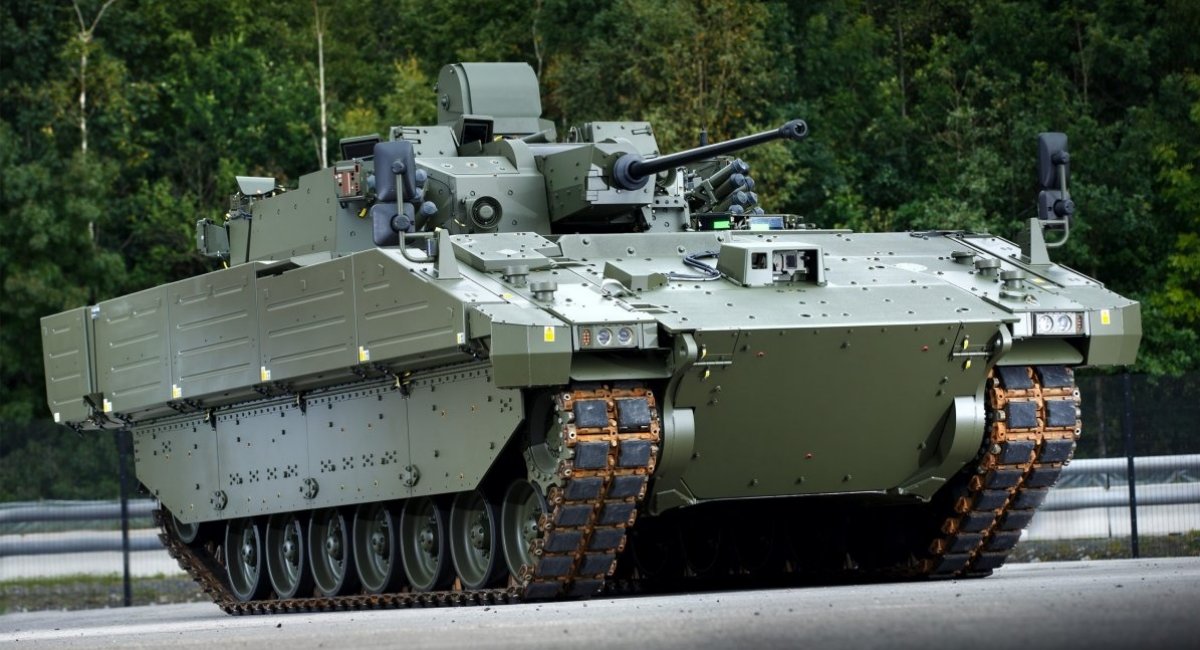
Maintenance under such conditions already sounds like a nightmare, yet the situation has reportedly been made even worse. The technical documentation reportedly runs to more than 20,000 pages and is often unclear to military personnel. At the same time, GDLS is said to significantly overcharge for components and repair work, as the project itself has proven insufficiently profitable.
According to observers, this is far from a complete list of the Ajax's problems. The most troubling aspect is the apparent desire of representatives of the UK Ministry of Defence and the manufacturer to conceal or downplay the shortcomings, or even to blame military personnel for improper operation.
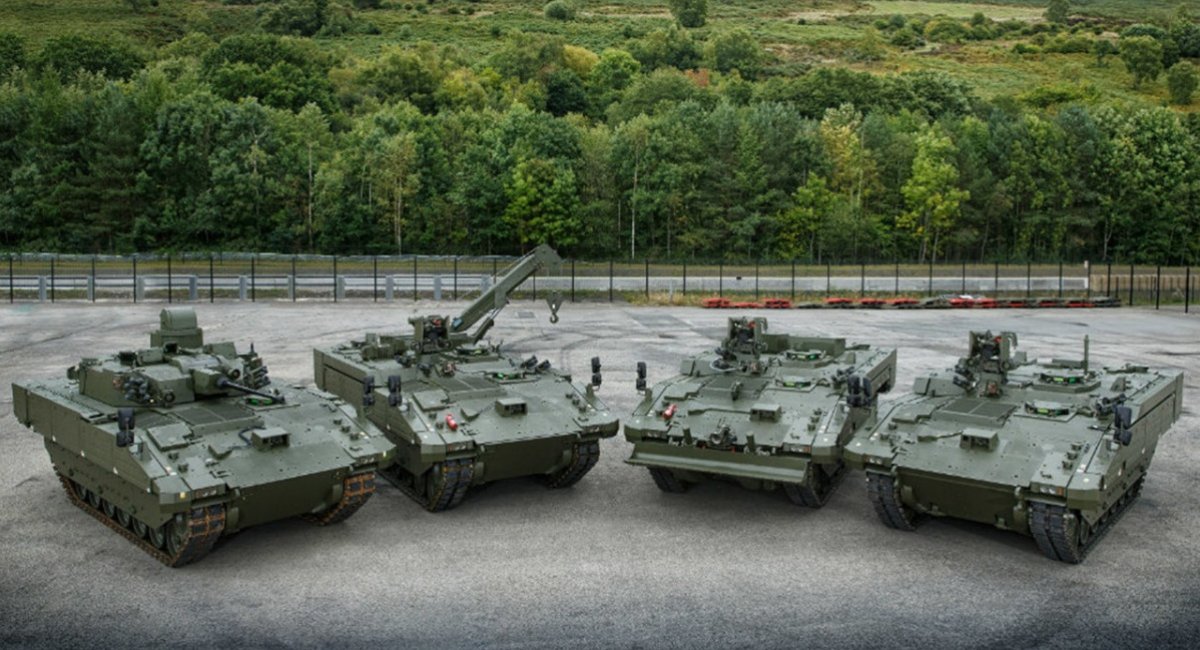
As a result, the United Kingdom has effectively found itself without a tracked IFV, as the aging Warrior fleet is already being prepared for retirement. Given limited resources, it might now be reasonable to cancel the Ajax program altogether and meet the Army's needs with wheeled vehicles currently available on the market, followed later by tracked alternatives. However, such a move would require a difficult political decision that would formally acknowledge shortcomings in the Army's capabilities.
Read more: Troubled Ajax Strikes Again: British Soldiers Hospitalized After Training