Based on lessons from the war in Ukraine and more recent developments involving Iran, NATO is rethinking its airborne surveillance capabilities. This view was expressed by Supreme Allied Commander Transformation (ACT) Admiral Pierre Vandier.
In an interview with Breaking Defense, he stated that the Alliance must adopt a more cost-effective approach. Decisions should be guided by metrics such as cost per effect, identifying the most efficient means of early warning, detection, or engagement, while ensuring that allied spending remains lower than that of a potential adversary.
Read more: Article 5 Doesn't Require Fighting U.S. Could Send Deep Concern Instead of Troops, Stay Within NATO Treaty
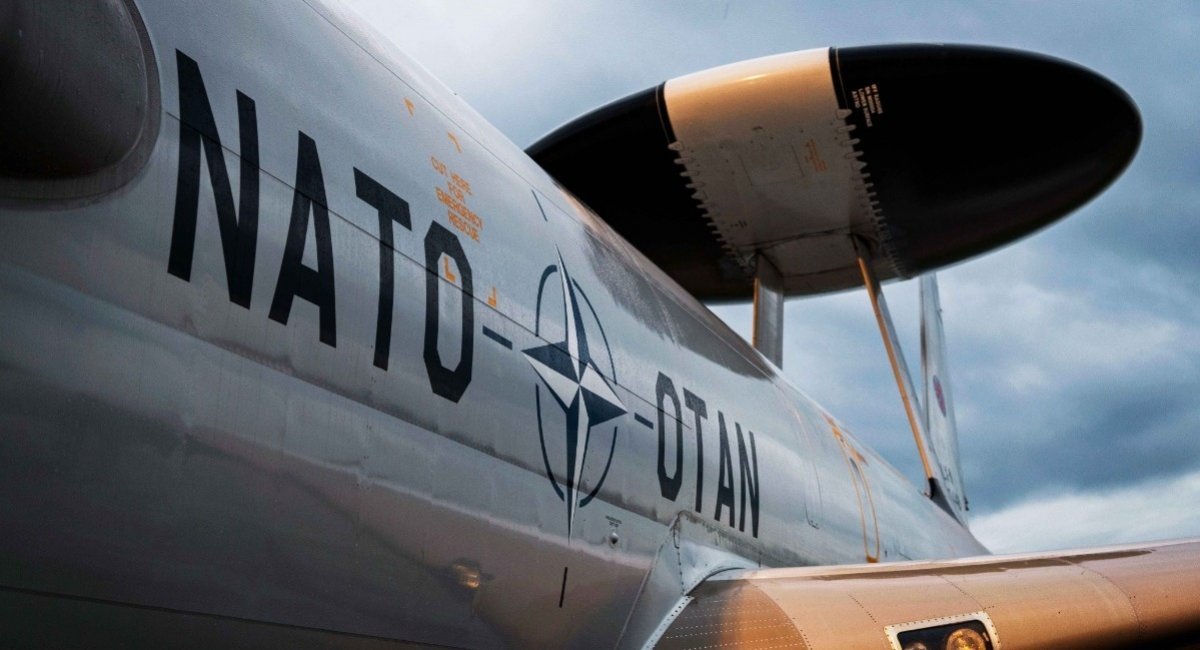
NATO is currently reassessing its broader approach to surveillance and defense, including airspace monitoring, command and control, and air defense. A key element in this effort is the Allied Federated Surveillance & Control (AFSC) program, intended to replace the aging Boeing E-3A AWACS aircraft.
However, the focus is shifting away from reliance on a single platform. Instead, NATO aims to build a multi-layered "system of systems," forming a distributed network of surveillance assets. This includes air, space, and ground-based components, including advanced radar systems that would be difficult to neutralize, Vandier emphasized.
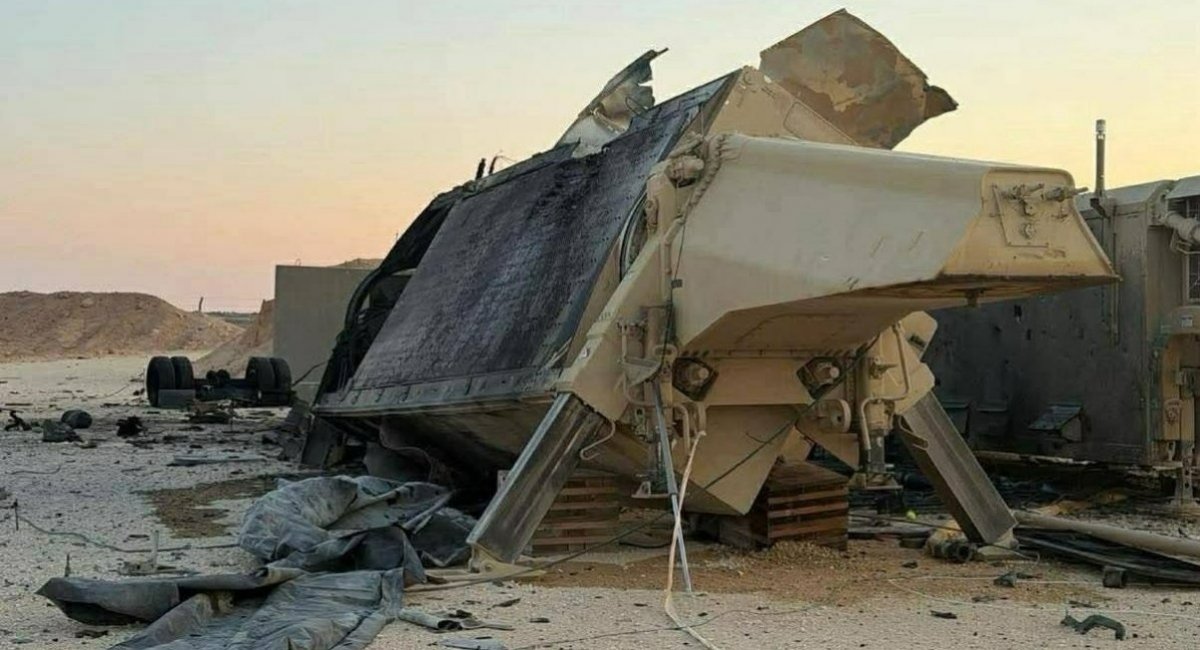
From Defense Express' perspective, recent developments highlight the vulnerability of even high-value assets. In particular, reports from the Middle East suggest that a drone destroyed a highly valuable AN/TPY-2 radar, estimated at around $500 million, which supports the THAAD missile defense system.
Returning to NATO's AWACS plans, it should be recalled that last year the European segment of the Alliance reconsidered plans to procure the U.S.-made E-7A Wedgetail. This reflects broader shifts, including the United States exploring space-based air surveillance through satellite systems.
Earlier, Defense Express also examined scenarios involving a potential U.S. withdrawal from NATO, including legal constraints and possible timelines.
Read more: AN/TPY-2 Radar Worth Up to $1 Billion Hit at Prince Sultan Air Base, THAAD System Impacted