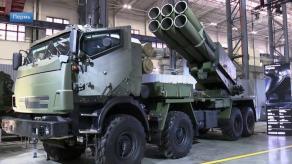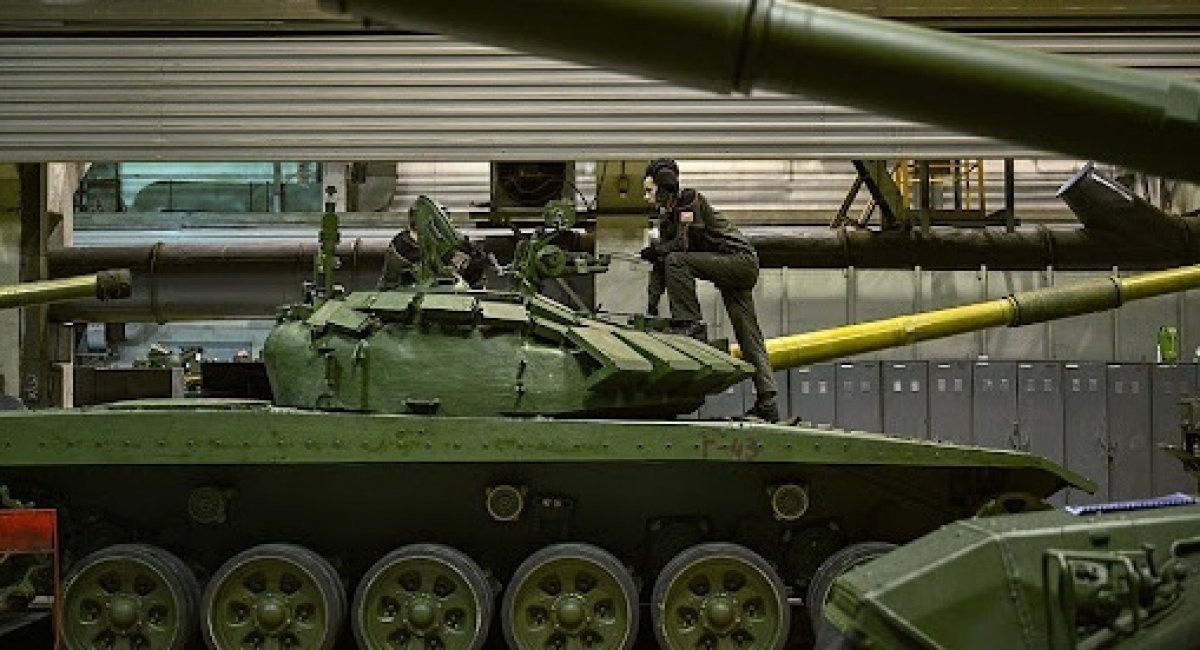
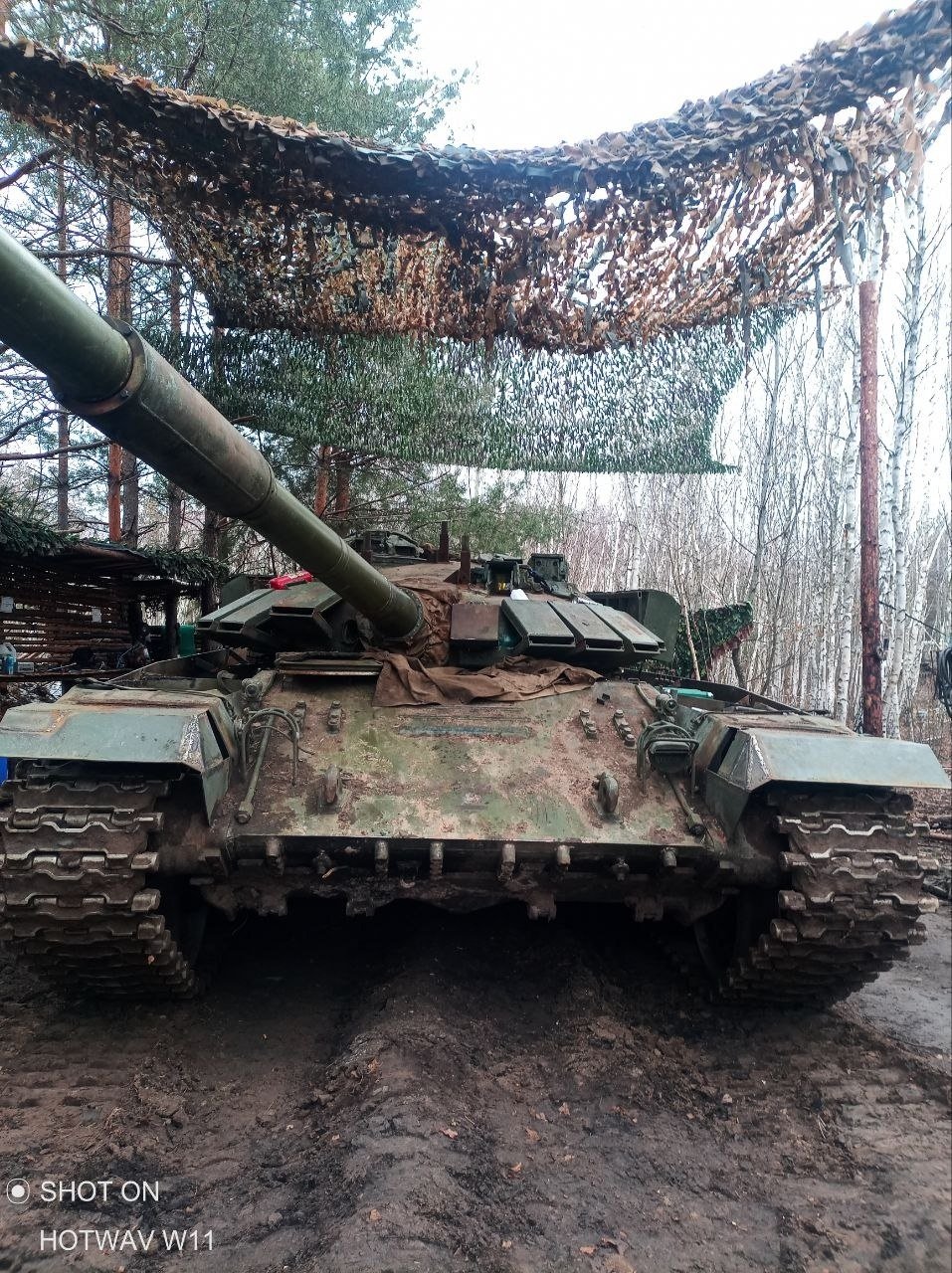
Photos of a tank designated T-72B3M—which was converted from a T-72A and was in service with the Kazan Tank School in russia—have been made publicly available.
According to Andriy Tarasenko, a specialist in armored vehicles, this suggests that russia's available stockpiles of T-72B tanks have been depleted, forcing a shift to T-72A reserves estimated at around 800 units—equivalent to approximately four years of production at Uralvagonzavod.
Read more: Raven Air Defense System Has Downed Over 400 russian Targets in Ukraine, New Raven 5 Variant Spotted for First Time
It is important to first outline the key differences between the T-72A and the T-72B: the T-72A features weaker armor, a simpler fire control system, and a less powerful engine (the V-46-6, rated at 780 horsepower).
The T-72B3M features an upgraded fire control system, Relikt reactive armor, and a more powerful engine (the V-92S2F, rated at 1,130 horsepower). Against this backdrop, upgrading older T-72A tanks to this standard may enhance their combat capabilities, although their underlying armor protection remains unchanged.
However, the T-72A tanks stored in russian depots are in significantly poorer technical condition than the T-72B tanks previously used for conversion into T-72B3M models. The situation is further complicated by the fact that, at Uralvagonzavod, tanks are largely overhauled manually, increasing both labor intensity and repair time.
According to Andriy Tarasenko's estimates, the current stock of around 800 T-72A tanks could sustain Uralvagonzavod's workload from 2026 to 2029, roughly four years. If the conversion of T-72A tanks to the T-72B3M standard started in autumn 2025, this would imply an output of up to 200 vehicles per year for Uralvagonzavod's T-72 production and overhaul line.
It is likely that russia's military and political leadership views the situation through the lens of available stockpiles: if enough tanks of a given type remain for approximately four years of use, this enables continued frontline deployment of armored vehicles against the Ukrainian Armed Forces.
Ivan Kyrychevskyi, serviceman of the 413th Raid Regiment of the Unmanned Systems Forces of Ukraine and weapons expert at Defense Express
Read more: UK Positions Challenger 3 as Its Most Advanced Tank, Armata Counterpart, Claims Edge Over russian Armor