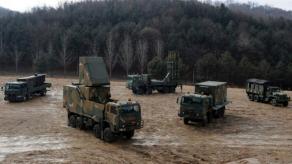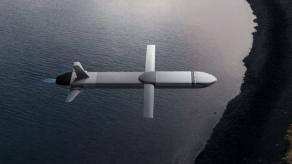
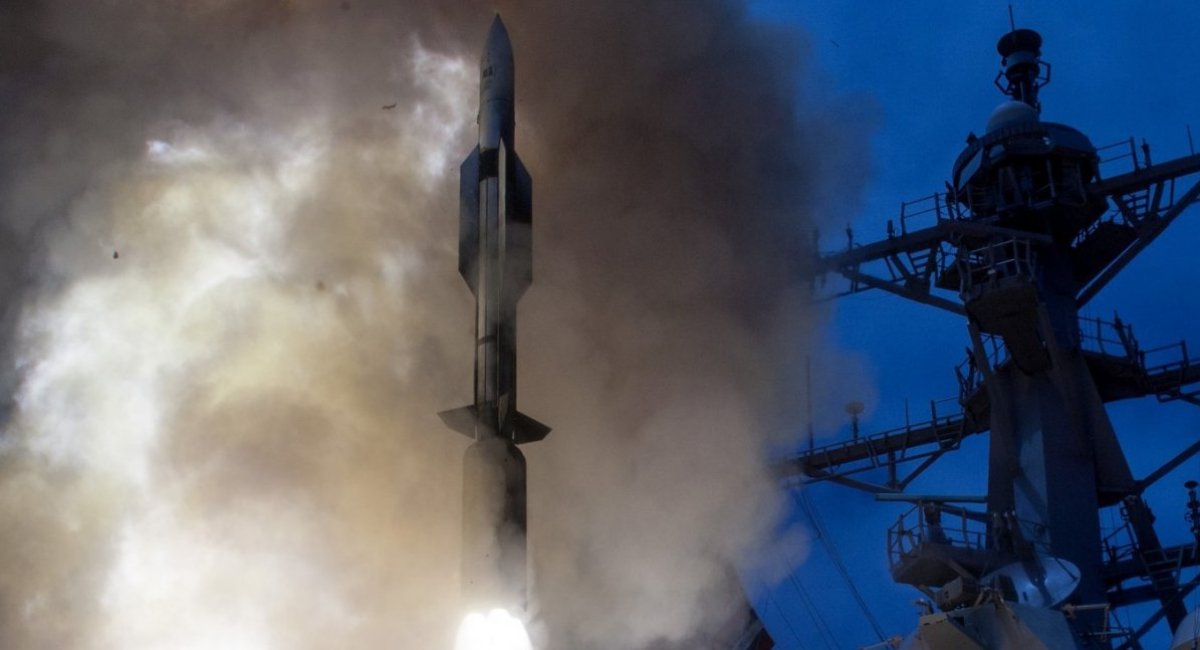
The United States is working to expand production of SM-6 surface-to-air missiles to meet the growing needs of the U.S. Navy, a move that highlights both the strategic value of the interceptor and the current strain on American missile manufacturing capacity. The issue is particularly pressing given that SM-6 system is one of the few systems capable of countering hypersonic threats such as russia's Kinzhal and Zircon missiles.
According to details released by the Pentagon, Raytheon has received a $29.2 million contract modification aimed at preparing for increased production. The funding is intended for the development and procurement of specialized tooling and equipment required to scale up output. The planned completion date for this phase is September 30, 2028, underscoring that expansion of missile production is a long-term process rather than a quick fix.
Read more: U.S. Seizes russian-Flagged Marinera Tanker on Route From Venezuela to Murmansk: What Is Known
This contract modification is part of a broader effort by the U.S. Department of Defense to expand industrial capacity and build up missile stockpiles for the armed forces. Despite the urgency of modern threats, the timeline reflects the complexity of high-end missile manufacturing, where supply chains, skilled labor, and testing infrastructure all impose hard limits on how fast production can grow.
The SM-6 missile is currently the most versatile and capable air and missile defense interceptor in the U.S. Navy service. It can engage ballistic, cruise, and hypersonic missiles, as well as aircraft and helicopters, and even has the ability to strike surface targets. As anti-ship weapons proliferate globally, such multi-role interceptors are increasingly critical for protecting naval task groups during maritime operations.
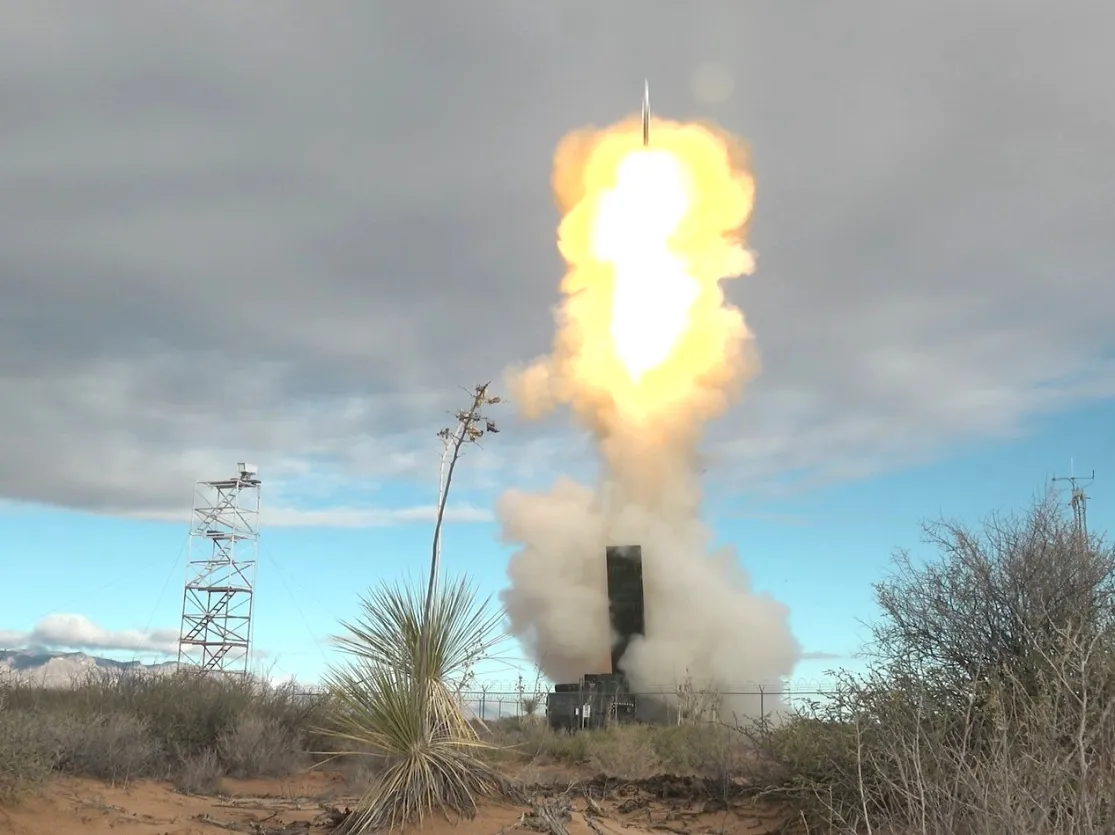
Beyond shipborne use, SM-6 missile also has a land-based dimension. The missile can be launched from Typhon ground-based system, which is also designed to fire Tomahawk cruise missiles. This further increases demand for SM-6 missiles, as it is no longer limited solely to naval vertical launch systems but is becoming part of a broader, multi-domain deterrence architecture.
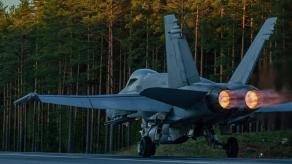
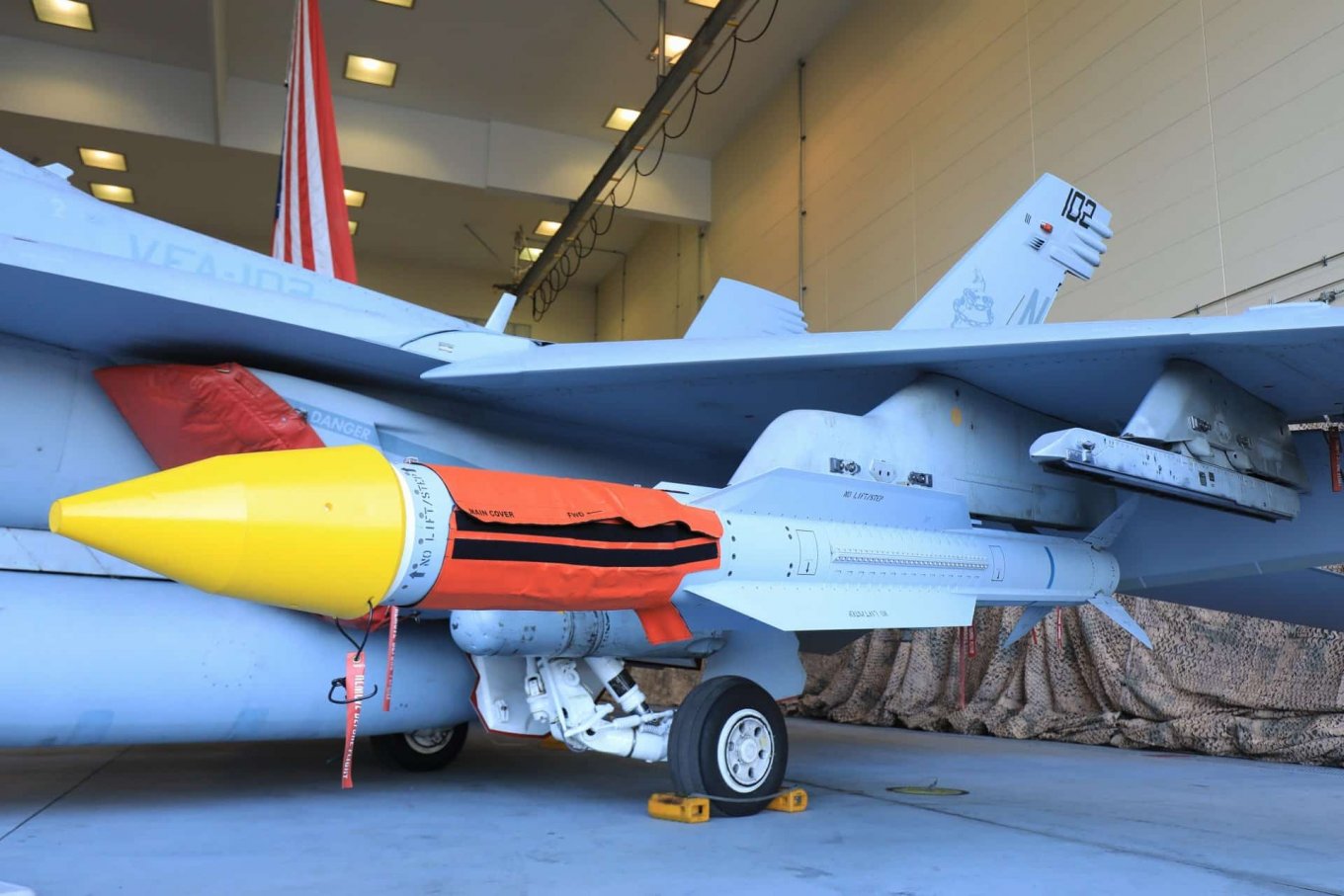
An air-launched variant, designated AIM-174B, adds another layer of complexity. Currently integrated only on F/A-18 jet, it allows fighter aircraft to engage targets at ranges exceeding 300 kilometers. Plans call for adaptation of this capability to additional aircraft types, which will further increase pressure on production volumes.
At present, production capacity remains a major bottleneck. From the moment an order is placed, delivery can take between 33 and 36 months, while the cost of a single missile may reach up to $17 million. These constraints pose challenges as the U.S. Navy considers future force structure changes, including discussions about building large surface combatants and the reality that some future frigates may lack vertical launch systems altogether.
Taken together, these factors explain why expanding SM-6 production has become a strategic priority for the United States. However, the long timelines and high costs also illustrate a broader problem facing Western militaries: even the most advanced missile systems cannot be scaled up quickly enough to match the pace at which potential adversaries are producing ballistic and hypersonic weapons.
Read more: UK's Gravehawk Delivery to Ukraine Delayed – 2 Prototypes Tested, 15 More Coming With Ukrainian R-73 Missiles