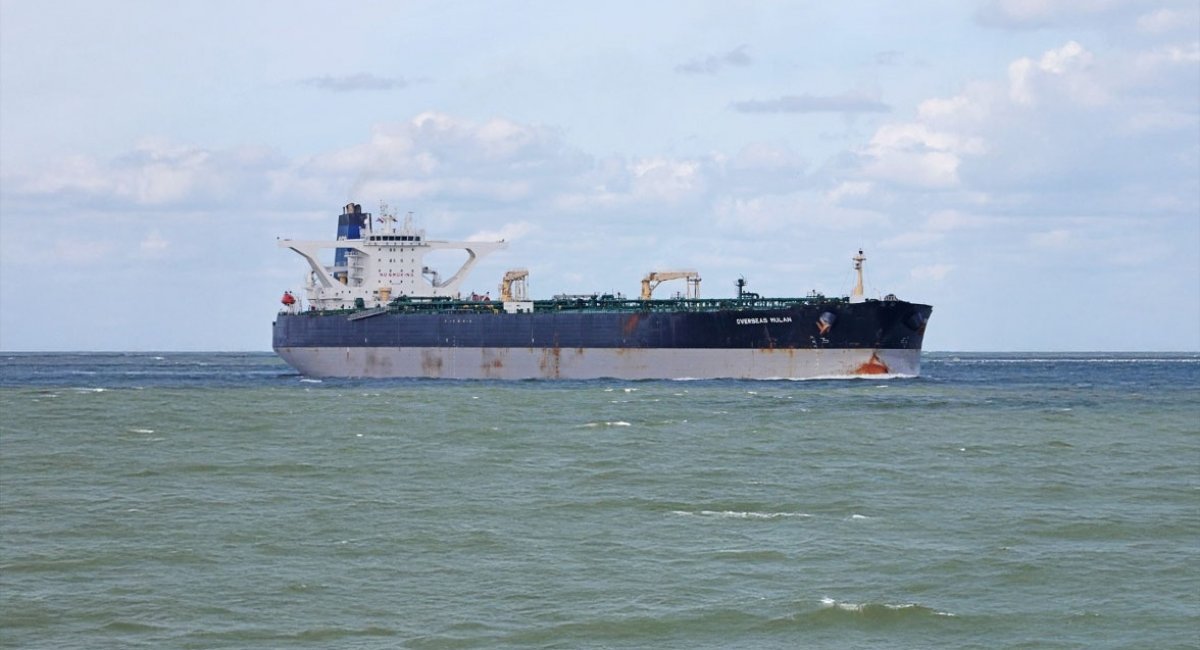
Washington ultimately decided to seize the sanctioned vessel, which had raised the russian flag and been renamed Marinera. The tanker was sailing from Venezuela toward Murmansk and had reportedly been under escort for more than two weeks. At the time of the operation, it was believed to be operating near the coast of the United Kingdom.
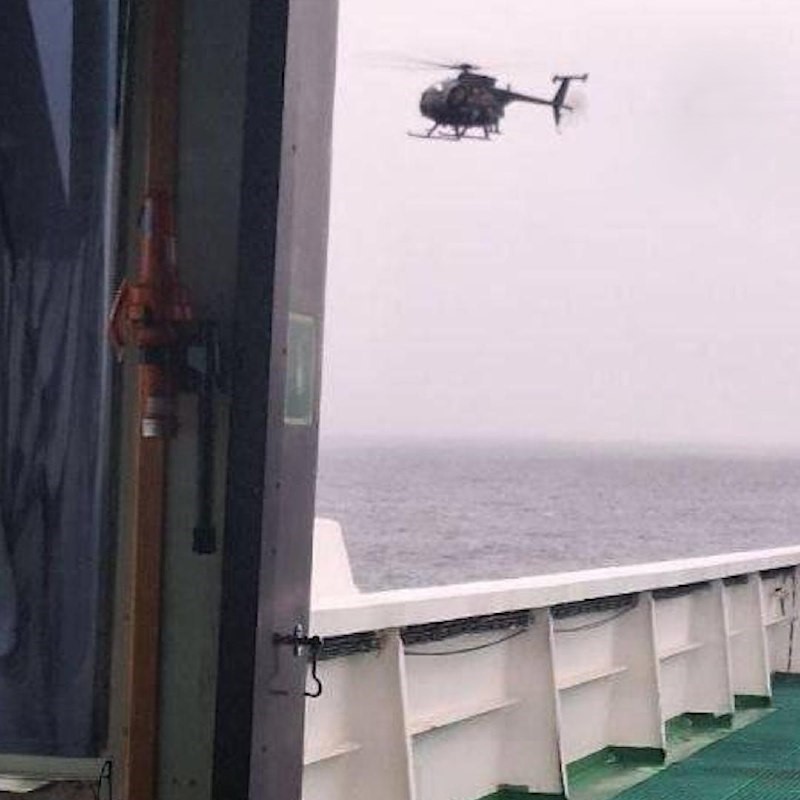
Several Western media outlets were the first to report the boarding, citing their own sources. Just minutes earlier, photographs had appeared online showing an MH-6 Little Bird light helicopter hovering over the tanker with a boarding team ready to deploy. At the same time, it is highly unlikely that the seizure of a vessel of this size was carried out by only a small group of special operations personnel.
Read more: U.S. Used Kamikaze Drones for First Time in Venezuela, Despite Extensive Missile Arsenal
Shortly thereafter, U.S. European Command officially confirmed the successful interception of the tanker.
The @TheJusticeDept & @DHSgov, in coordination with the @DeptofWar today announced the seizure ofthe M/V Bella 1 for violations of U.S. sanctions. The vessel was seized in the North Atlantic pursuant to a warrant issued by a U.S. federal court after being tracked by USCGC Munro. pic.twitter.com/bm5KcCK30X— U.S. European Command (@US_EUCOM) January 7, 2026
The operation was conducted despite russia having dispatched naval assets to protect the vessel, reportedly including a submarine, and despite repeated and emphatic warnings from the Kremlin not to interfere with the tanker.
Overall, the episode surrounding Marinera appears highly tense, and the scale of forces involved seems disproportionate for what is officially described as an empty, aging tanker. The story dates back to December 20 of last year, when the U.S. Coast Guard in the Caribbean attempted to intercept the vessel while it was sailing empty toward Venezuela under the name Bella 1 and without a national flag.
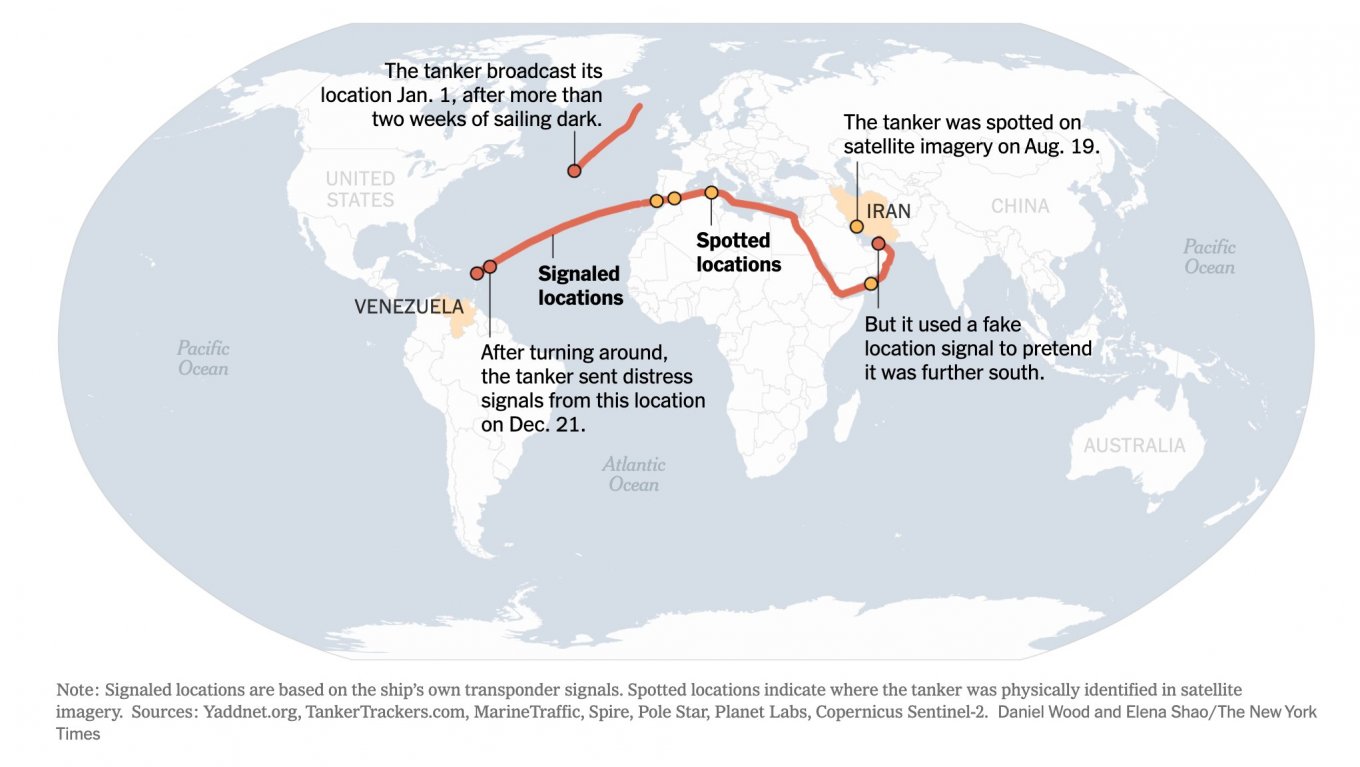
The tanker was under sanctions for transporting Iranian oil and was expected to become yet another vessel taken under U.S. control as part of the blockade of Venezuela. According to available data, difficult to obtain because the tanker frequently switched off its transponder and transmitted false coordinates, the ship had been in Iran as recently as August, before transiting the Mediterranean Sea and the Atlantic Ocean, officially empty, to Venezuela.
However, the boarding of Bella 1 either did not take place or proved unsuccessful; the reasons have never been officially disclosed. Instead, the tanker reversed course and headed toward the North Atlantic, with the U.S. Coast Guard cutter USCGC Munro (WMSL-755), a Legend-class vessel, closely tailing it. On December 30, the tanker suddenly raised the russian flag, was renamed Marinera in maritime registries, and declared Murmansk as its destination.
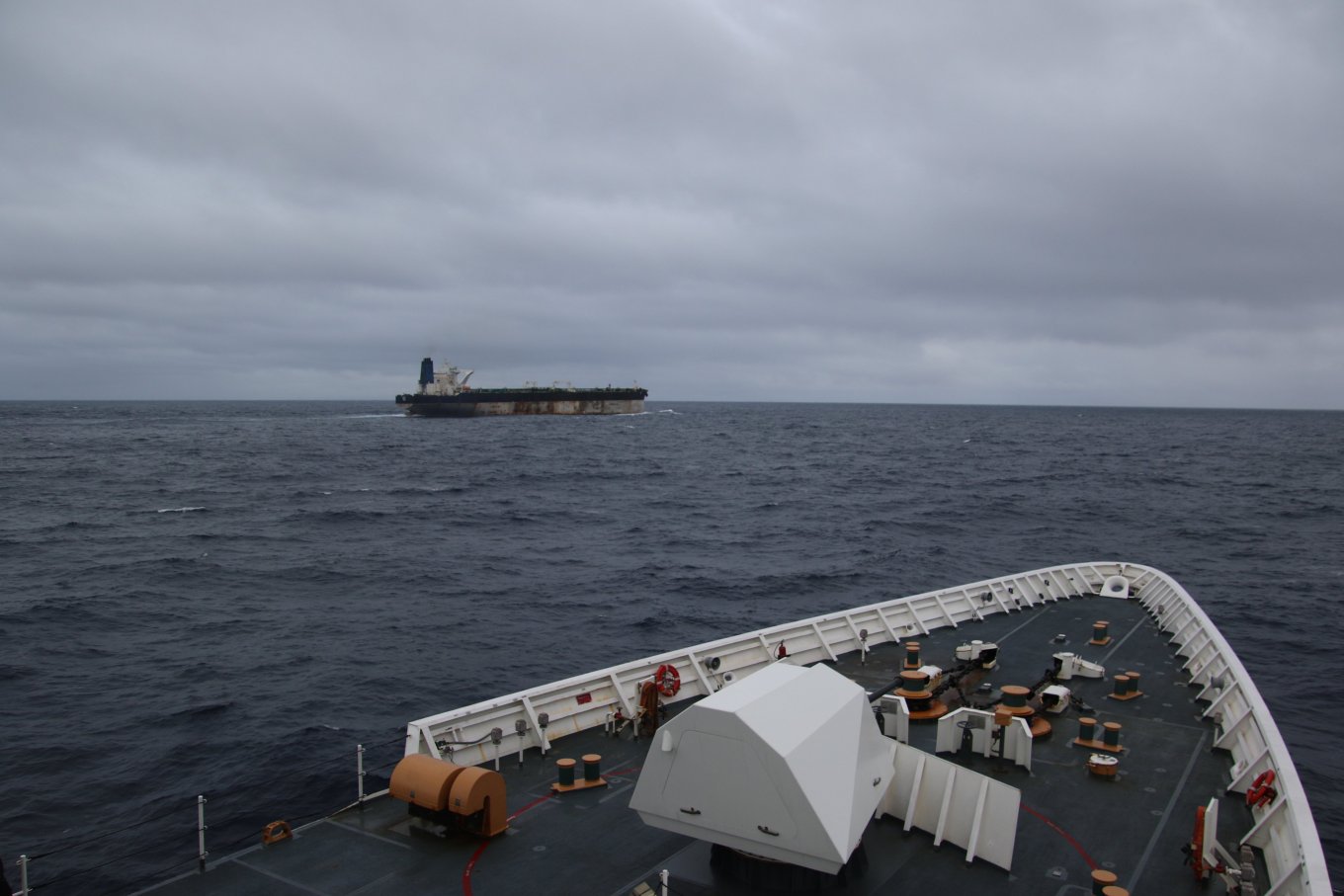
Meanwhile, the U.S. Coast Guard continued to shadow the tanker with a Legend-class cutter which, despite its official designation as a "cutter", is roughly the size of a frigate and offers comparable seakeeping capabilities. In addition, the United States unexpectedly deployed elite special operations units to the United Kingdom, along with P-8 Poseidon maritime patrol aircraft and AC-130J Ghostrider gunships. According to Western defense media, the purpose of this deployment was specifically to support a potential boarding of Marinera.
This assessment was reinforced by data indicating intense activity by U.S. Navy P-8 Poseidon aircraft conducting sorties in the area where the tanker was believed to be operating. These flights were coordinated with the UK Royal Air Force, which also deployed an RC-135W Rivet Joint signals intelligence aircraft and launched Typhoon fighters supported by a KC-2 aerial tanker. Irish Air Corps C-295W patrol aircraft were also involved in the surveillance effort.
These assets were clearly not deployed merely to determine the tanker's exact location, but rather to search for and monitor russian naval forces assigned to protect it. At the same time, the scale of resources concentrated by the United States for this mission far exceeds what would normally be required to intercept a single tanker. This suggests either the beginning of a more systematic enforcement approach or the pursuit of a broader, as yet undisclosed objective.
Read more: US Deploys Delta, SEAL Team 6, Venezuela Op Veterans to UK, But One Tanker Seems Too Small Target