

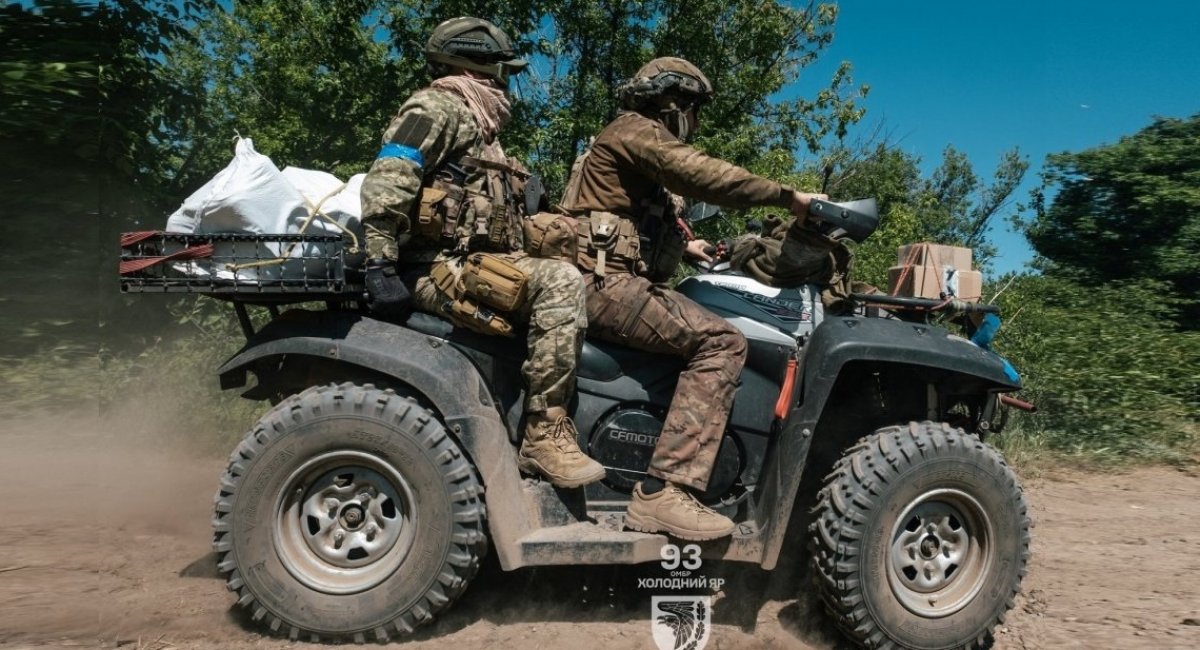
The experience of the russian-Ukrainian war has firmly established ATVs and unmanned ground systems (UGS) as a core element of last-mile logistics the final and often most dangerous stage of delivering supplies directly to frontline positions.
Modern combat units require highly mobile transport. ATVs enable the delivery of supplies and ammunition, rapid maneuvering, and casualty evacuation in areas where pickup trucks or armored vehicles are quickly detected and become vulnerable to enemy strikes.
Read more: France Fires Its X-Fire MLRS Launcher for First Time — Europe's HIMARS Alternative Takes a Step Forward
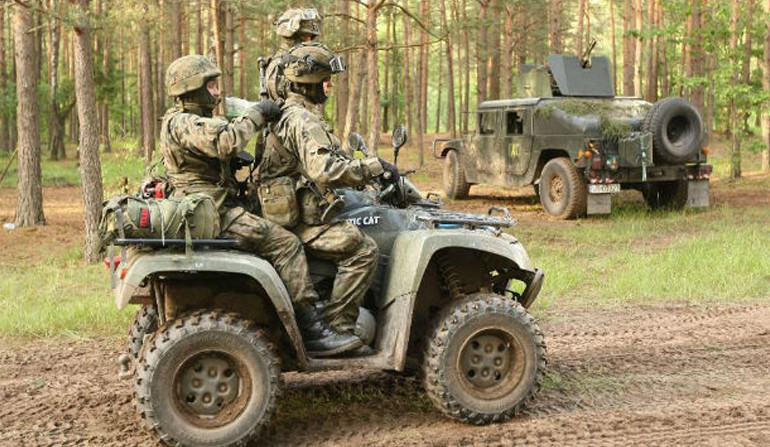
However, the large-scale delivery of civilian ATV models to the frontline exposed their critical technical limitations under conditions of intensive combat.One of the main constraints is insufficient power and torque. Standard utility ATVs with 400–500 cc engines (30–45 hp) were designed for moderate civilian workloads.
At the frontline, when the vehicle must carry two fully equipped soldiers (an additional 200–250 kg) or tow an evacuation platform or trailer through deep mud, heavily damaged terrain, tracks left by armored vehicles, or steep slopes, a low-power engine quickly loses performance. Reduced traction and speed turn the vehicle into a static target.
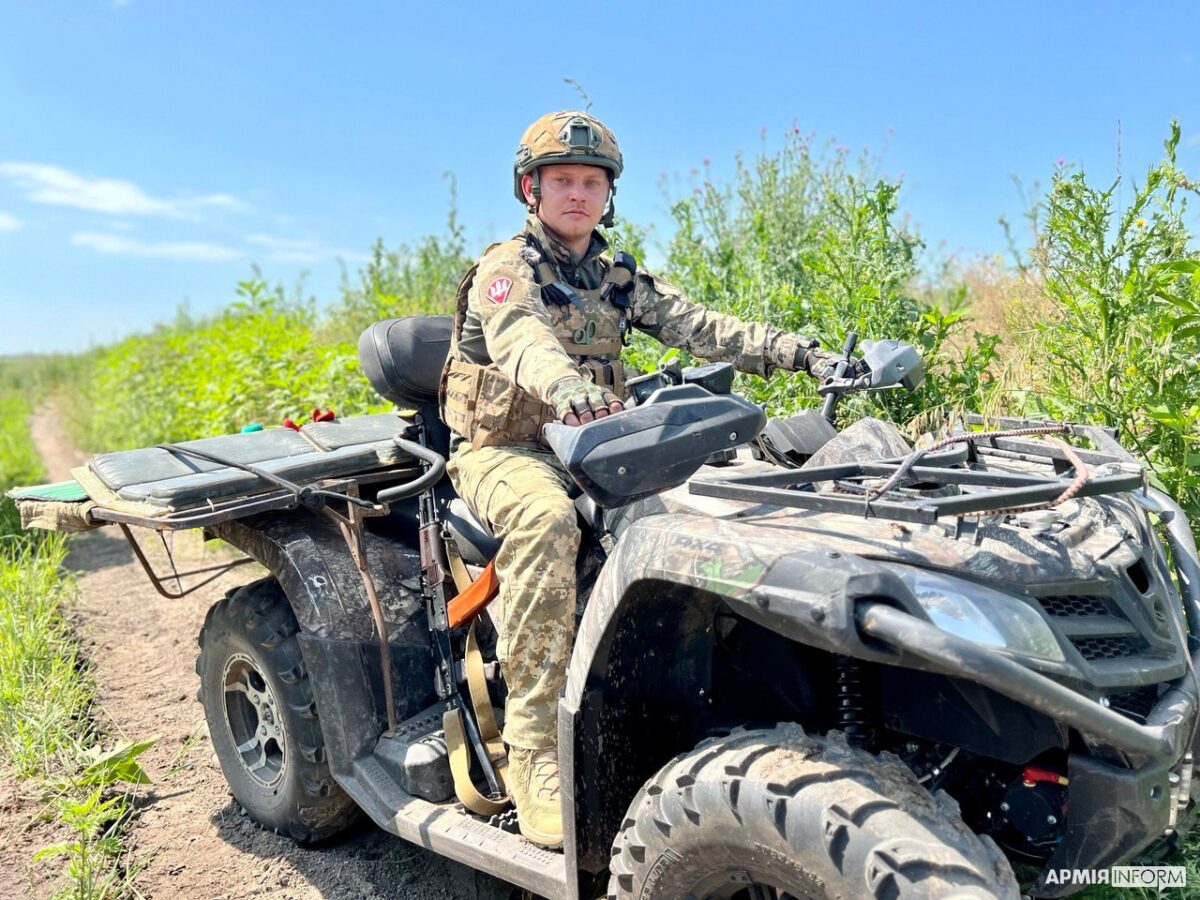
Other major issues include limited off-road capability and structural weakness. Most civilian platforms lack forced differential locking. Their standard cooling systems clog quickly with wet mud, causing critical engine overheating. Without reinforced protection and specialized tires, such vehicles become little more than anchors during the muddy autumn and spring seasons.
Analysis of maintenance reports and feedback from the frontline pushed Ukrainian engineers and integrators toward developing heavier, specialized platforms.One example of this approach is the ATC Nord 1000 ATV developed by the Ukrainian GROUND FORCE group of companies
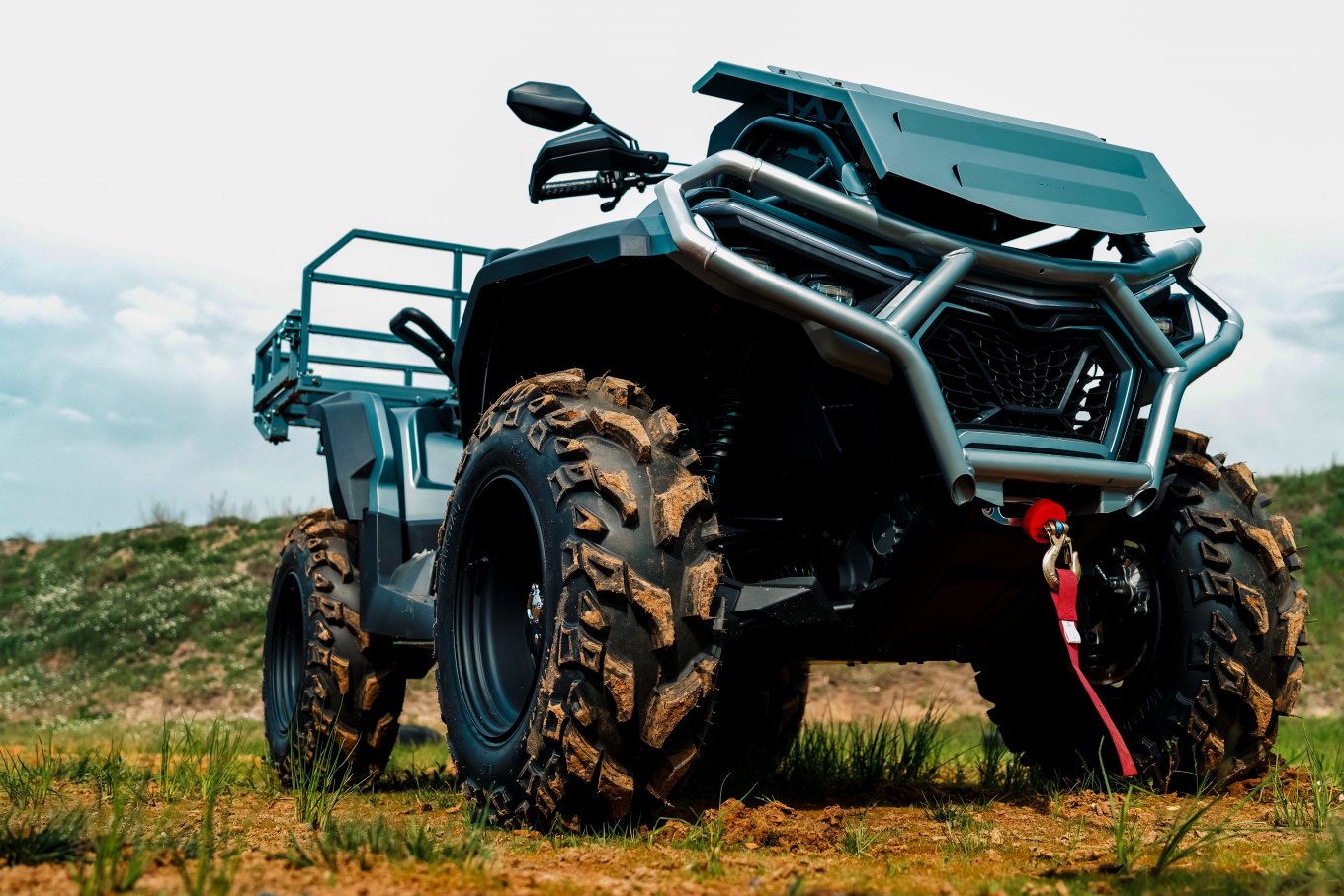
Its effectiveness comes from its engineering approach: a properly matched powertrain, transmission, and suspension package designed to deliver the tactical performance required in modern combat conditions.
The ATV uses a 976 cc V-twin engine producing 92 hp, providing sufficient power reserves to transport heavy payloads while maintaining mobility under high loads.
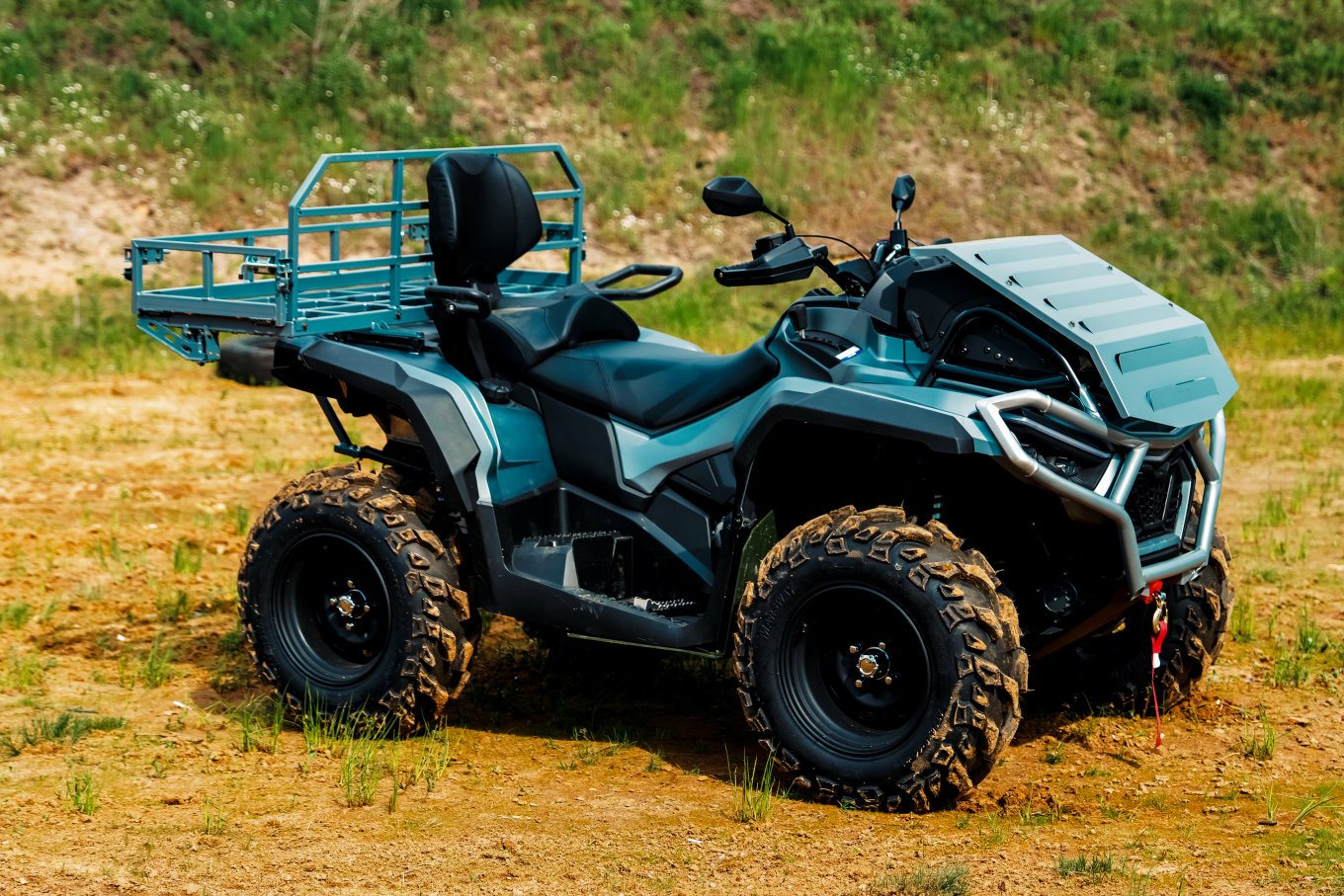
Its all-wheel-drive system with forced front differential lock, reinforced suspension for increased payload capacity, and electric power steering (EPS) significantly reduce driver fatigue during maneuvering through deep ruts. A wider track improves rollover stability on uneven terrain, while 10-ply mud tires with reinforced sidewalls offer greater resistance to punctures and cuts caused by debris and fragments.
For military missions, the vehicle can be equipped with a dedicated package of battlefield modifications known as the Military Pack. This includes an elevated cooling module protected by a metal housing against mechanical damage and small fragments, a recovery winch with 1.5–2 tonnes of pulling force for self-recovery and vehicle extraction, and a reinforced tow hitch for pulling trailers carrying ammunition or wounded personnel.
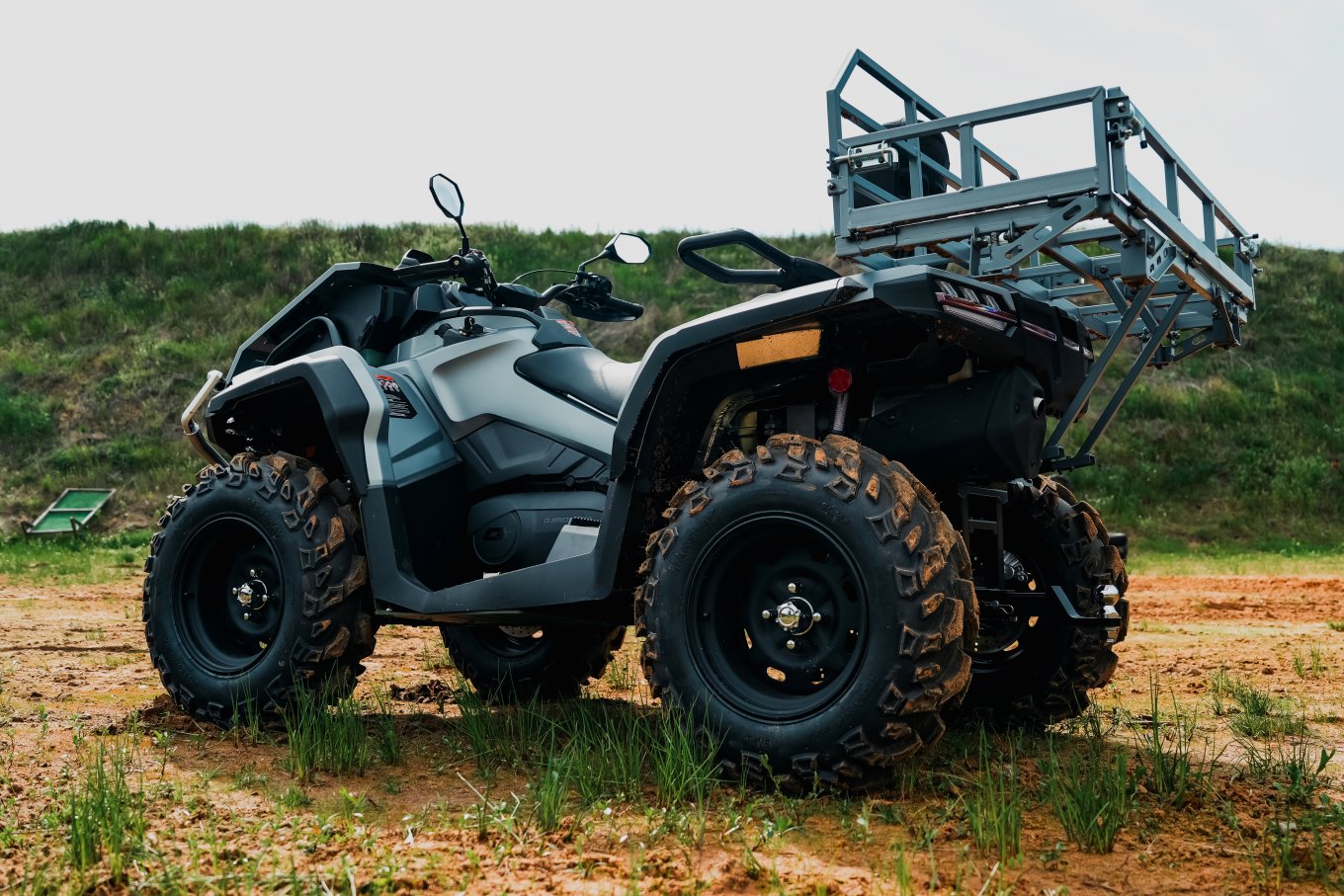
Military users also highly value the universal tactical cargo rack, adapted for quick mounting of medical stretchers or standard ammunition boxes, as well as armor panels protecting critical systems and components.The heavy tactical ATV ATC Nord 1000 by GROUND FORCE demonstrates what deep militarization of a civilian platform looks like when adapted to the realities of modern warfare.
The combination of a 92 hp engine, increased survivability of the running gear, and integrated solutions for light discipline and protection transforms it from a transport vehicle into a dedicated military asset capable of operating in extreme weather and terrain conditions.
Today, comparable heavy ATVs are already standard equipment for expeditionary forces and light infantry units across many NATO militaries.
Read more: Ukraine's Chornyi Lis Brigade Destroys Key russian 5N63S Air Defense Radar (Video)