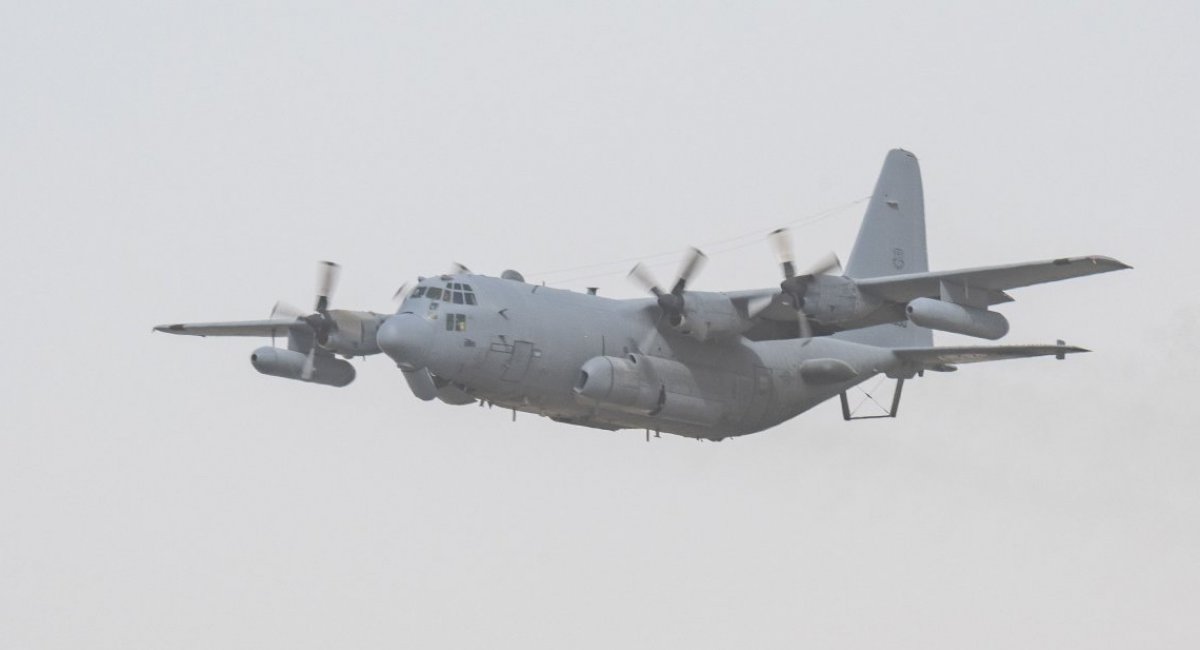
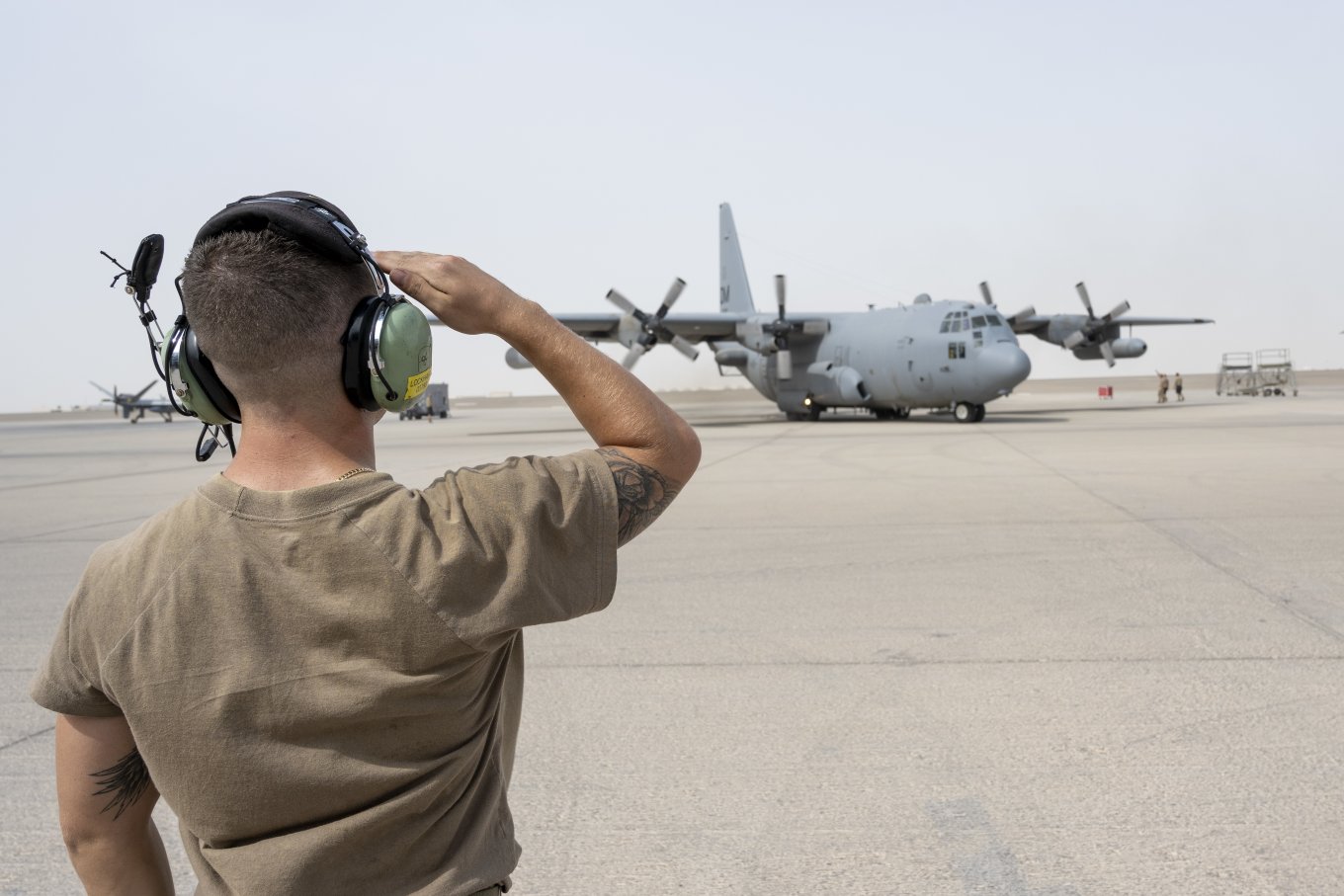
Reports are emerging that an iranian strike likely a ballistic missile damaged two rare EC-130H Compass Call electronic warfare aircraft simultaneously.
While official confirmation is still pending, two newer EA-37B Compass Call aircraft have already departed the United States as apparent replacements a development that effectively corroborates the reports.
Read more: UK Was Ready to Send Unfinished DragonFire Laser Prototypes to Ukraine for Combat Testing, But Never Delivered
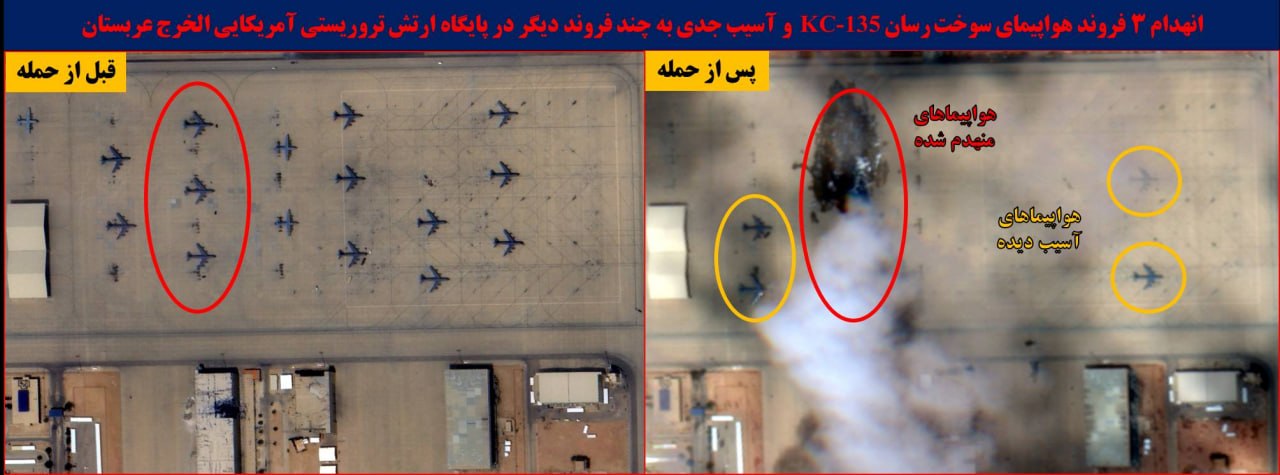
Of the 14 EC-130H Compass Call aircraft ever built, only between two and four remain in active service depending on the source.
In other words, Iran may have damaged either half or the entirety of the U.S. Air Force's remaining fleet of this type in a single strike.
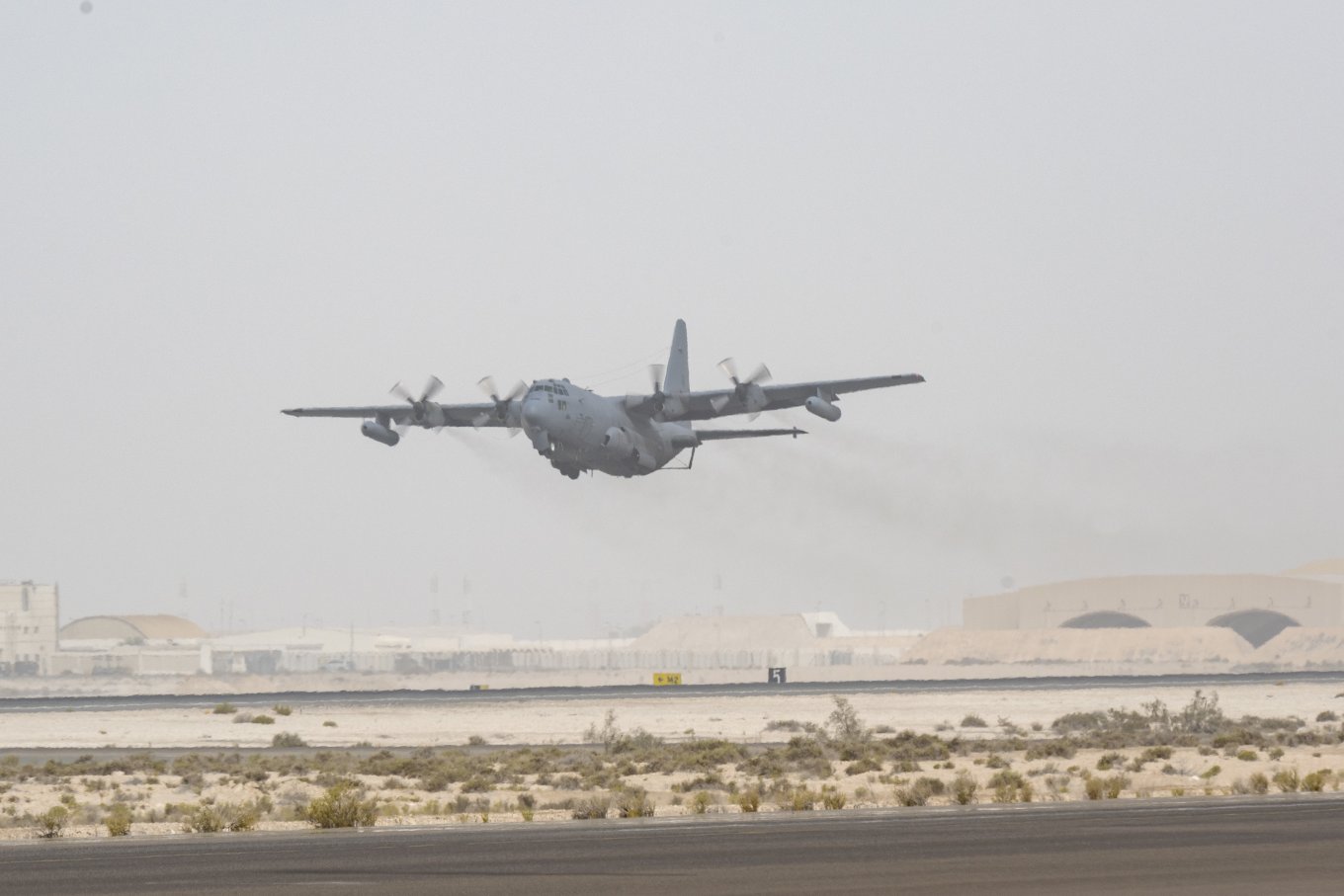
The EC-130H Compass Call built on the airframe of the venerable C-130 Hercules transport and operated by a 13-person crew is designed to suppress enemy air defenses and radar systems while jamming communications.
It is also worth noting that the EC-130H is a genuinely old aircraft. It first flew in 1981 and entered service in 1983, and despite successive upgrades, age has caught up with it. Its replacement, the EA-37B Compass Call, the very aircraft now en route from the United States is already in production and gradually assuming its duties.
If the damage to the two aircraft proves even moderately serious, the Air Force will in all likelihood retire them outright rather than invest in repairs.
Spending resources on restoring aircraft at the end of their service life, when a successor type exists, makes little strategic sense even if the EA-37B fleet has not yet been built out to sufficient numbers.
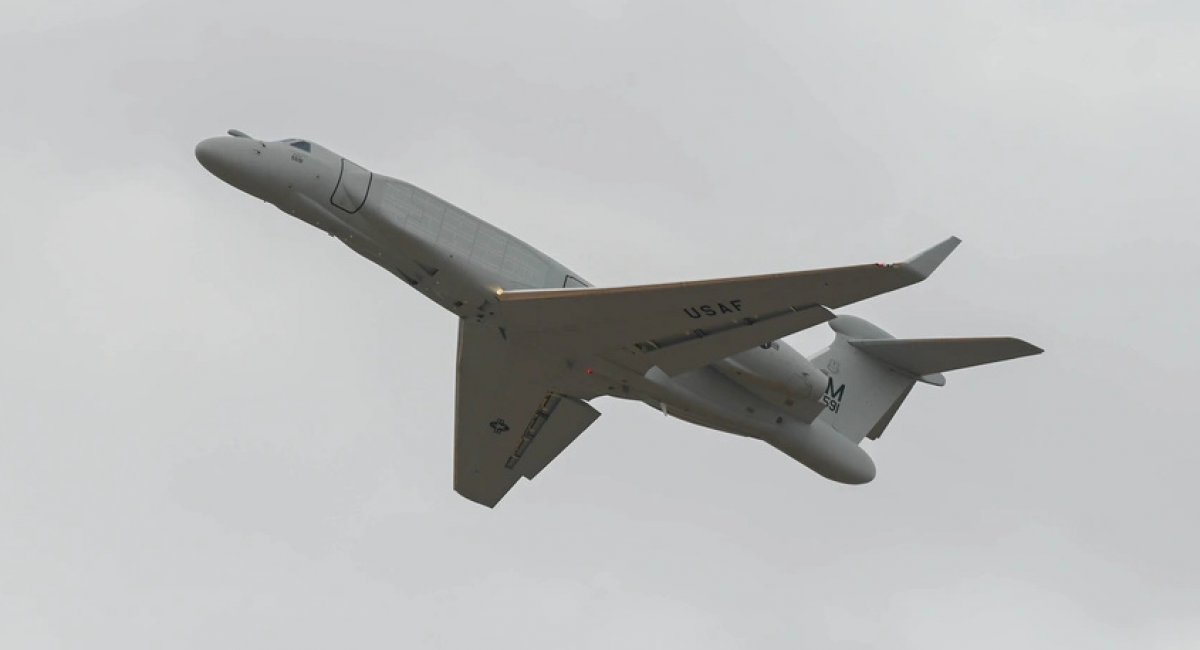
That gap is the real problem. The loss of two aircraft of this type deals a significant blow to U.S. electronic warfare capabilities at a moment when the threat picture from both russia and China is intensifying.
More immediately, the strike left Operation Epic Fury without this class of EW coverage for however long it takes replacements to arrive or for other electronic warfare platforms to absorb their mission load.
Read more: New TigerShark Strike Drone With 1,000 km Range Completes First Flight, Could Be Supplied to Ukraine