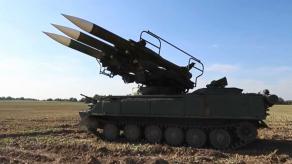


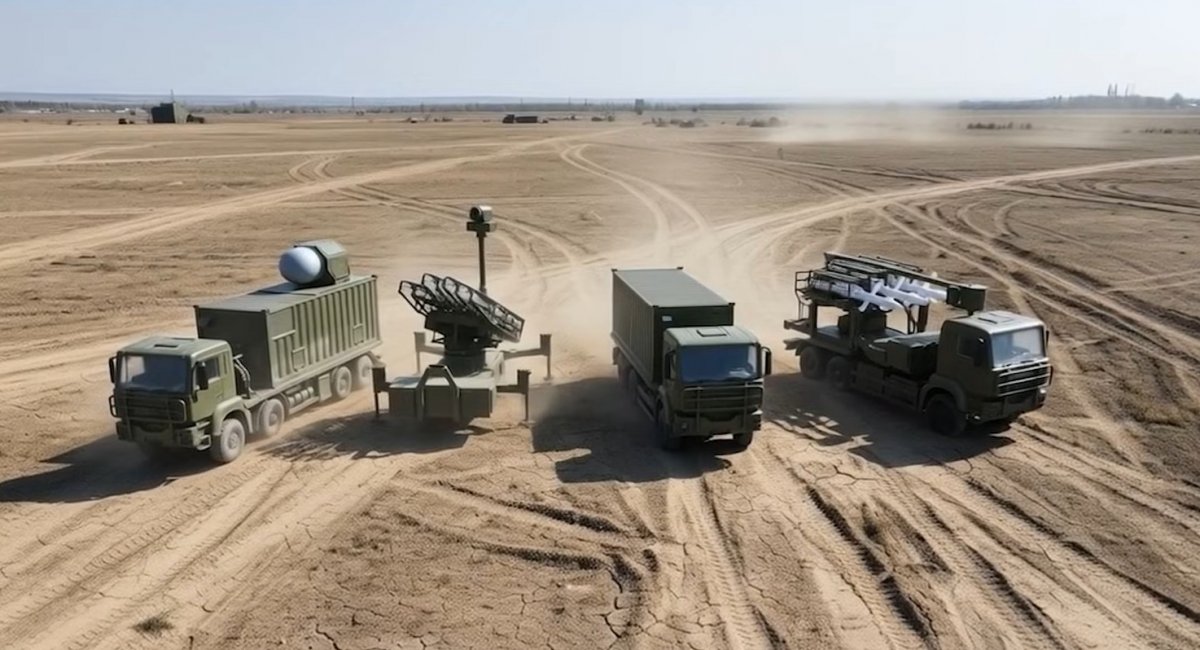
The FrankenSAM program takes its name from a reference to Victor Frankenstein, who assembled a complex organism from different parts. For Ukraine, the concept means combining Soviet surface-to-air missile (SAM) platforms with advanced Western missiles. The project began in 2023 as a joint initiative of the United States Department of Defense and the Armed Forces of Ukraine and became a strategic response to the shortage of Soviet-era missiles.
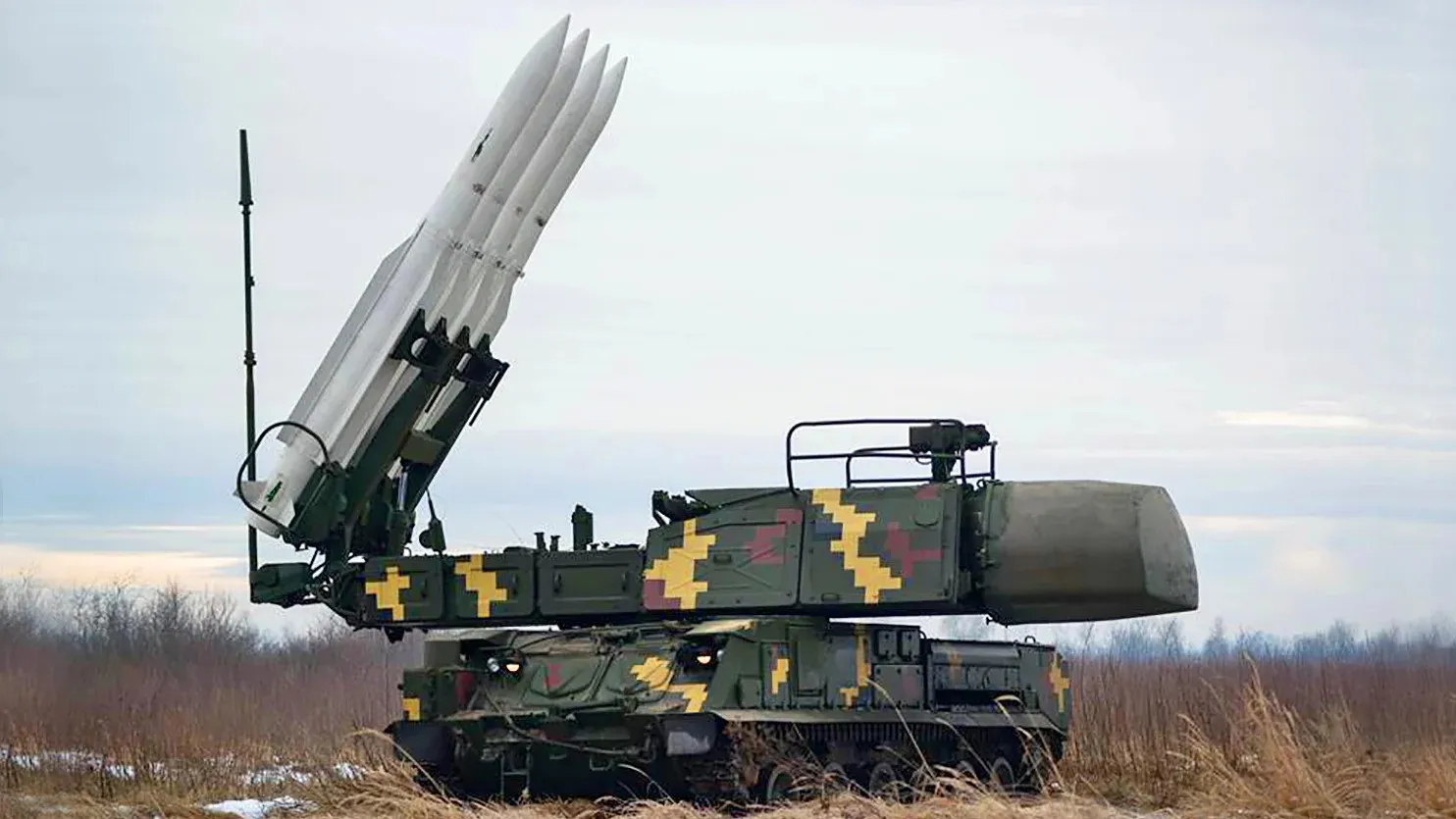
Today, the concept goes far beyond integrating RIM-7 Sea Sparrow missiles into the Buk-M1 air defense system, adapting AIM-9 Sidewinder missiles for Soviet launch platforms, or pairing launchers from the MIM-104 Patriot system with Ukrainian radars. It has evolved into the creation of a unified and intelligent network that integrates different technologies into a single mechanism for protecting the skies.
Read more: U.S. Seems to Have Started Making FrankenSAM Systems with AIM-9M Missiles in Ukraine
At the core of this architecture are digital interface modules known as bridge modules. These components act as a "digital nervous system" that enables several key capabilities:
- Sensor synchronization. Modern radars such as the AN/MPQ-64 Sentinel operate in a shared battlespace together with Ukrainian radar systems.
- Emission control, or "radio silence." Launchers can receive targeting data from external sources, including AWACS aircraft or the Delta battlefield management system. They do not need to activate their own radars until the moment of launch, which significantly reduces their vulnerability to anti-radiation missiles.
- Economics of interception. Large NATO stockpiles of legacy missiles allow defenders to intercept relatively cheap drones while preserving expensive interceptors from systems like MIM-104 Patriot for ballistic missile threats.
The breakthrough of the FrankenSAM project began in January 2024, when the first confirmed combat use of the system was reported. Ukrainian defense forces used the hybrid launcher to destroy a Shahed drone at a distance of about nine kilometers. In May 2024, the Ukrainian Air Force published the first photographs of the system, providing documentary confirmation that the concept was operational.
Another important milestone came in December 2025, when the first official video of a modernized Buk-M1 operating under the FrankenSAM program was released. The footage clearly showed a missile launch and the successful interception of aerial targets during a nighttime attack.
A major milestone came when FrankenSAM expanded into the maritime domain. Ukrainian engineers managed to integrate an AIM-9 Sidewinder missile onto the Magura V7 naval drone. In 2025, the downing of a russian Su-30 fighter jet by such a drone removed the remaining doubts about the effectiveness of the concept.

The next stage in this evolution was presented at the World Defense Show 2026 in Riyadh. Ukraine unveiled the new Shershen multi-caliber air defense system, designed to provide maximum flexibility. The system has reportedly been tested with five different missile types, from infrared-guided AIM-9L/M missiles to radar-guided RIM-7. Positioned as a significantly more affordable alternative to systems such as NASAMS or IRIS-T SLM, Shershen reflects the plug-and-fight principle.
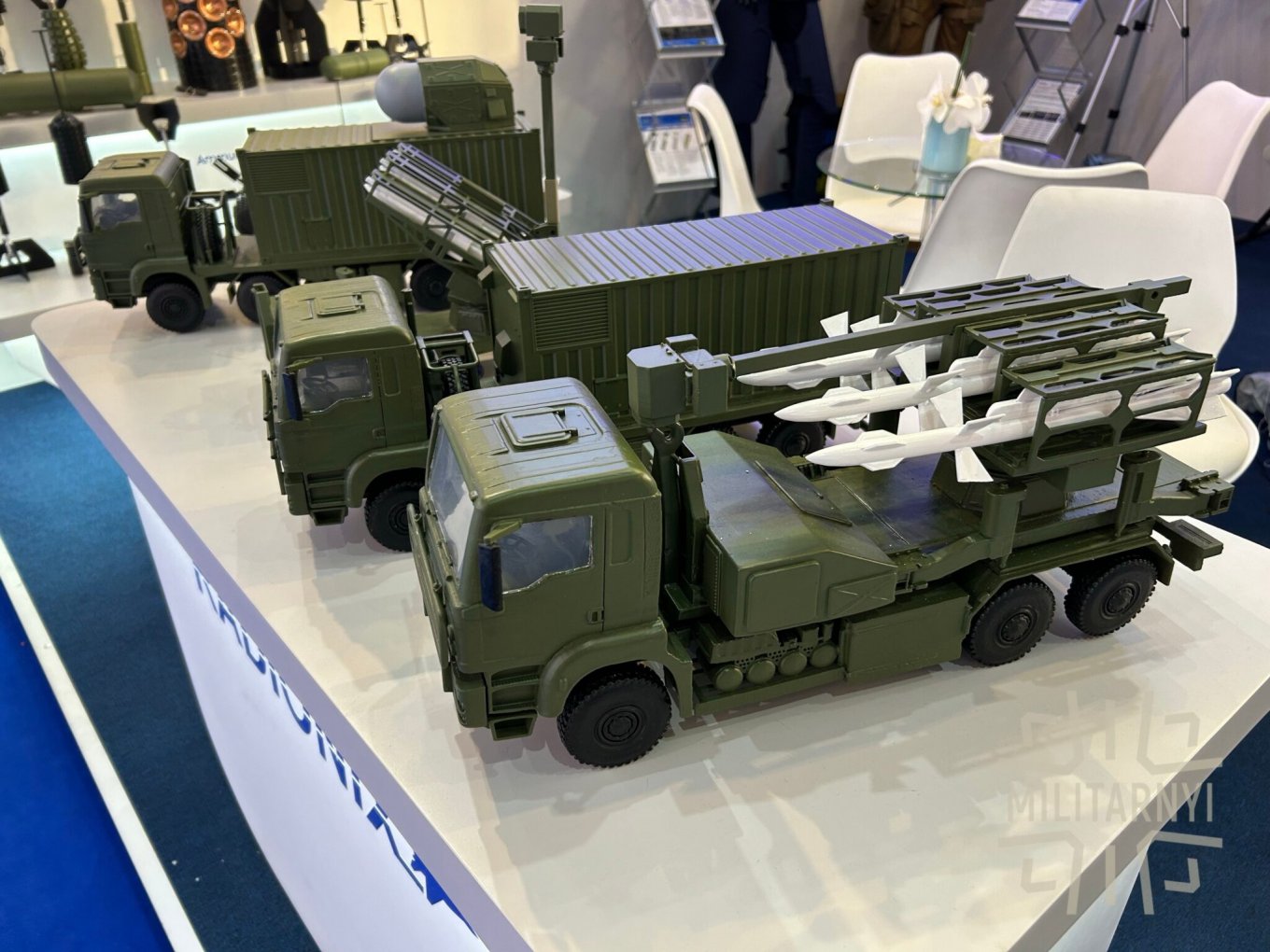
Today, FrankenSAM has evolved from a series of isolated experiments into a standardized family of weapons. The project has moved from an urgent response to missile shortages to a stable and scalable defense solution. Ukraine’s receipt of full technical documentation in 2025 made it possible to localize assembly, allowing the project to transition fully into a large-scale industrial phase.
The era of monolithic and extremely expensive air defense systems that take decades to develop is gradually coming to an end. FrankenSAM has helped introduce the concept of open architecture to the battlefield. Ukraine’s experience demonstrates that in modern warfare flexible software can be just as important as armor thickness or the number of launchers. What began as an experiment has become a new global standard.
Read more: Ukrainian Forces Show the FrankenSAM Project System for the First Time (Photos)