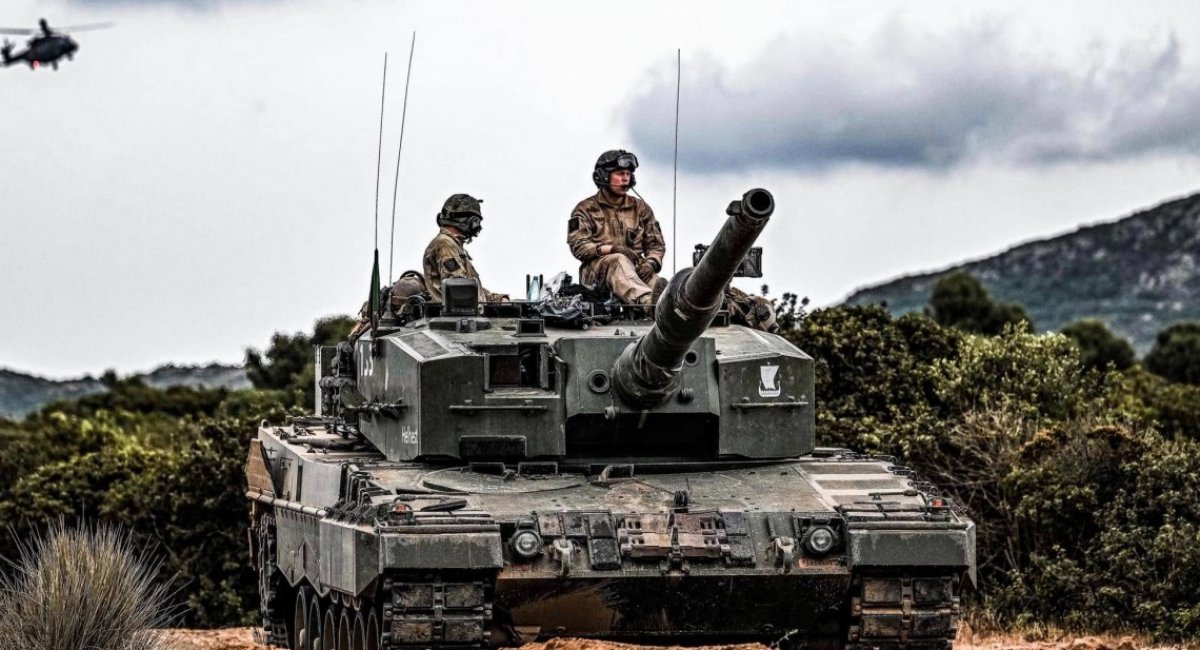
If the United States follows through on halving the forces assigned to the European theater and the defense of NATO allies, it will represent a genuinely enormous blow to the defensive capability of the free world. The central question becomes how long it will take European countries to compensate for such a reduction.
During the Cold War, the United States planned to commit 55% of all its forces in Europe in the opening phase of a war against the USSR. Cutting that figure in half means the commitment would now stand at roughly 30% of total U.S. forces and assets.
Read more: Uralvagonzavod Offers India T-72 and T-90 Upgrades Based on Ukraine War Experience, Four Years In
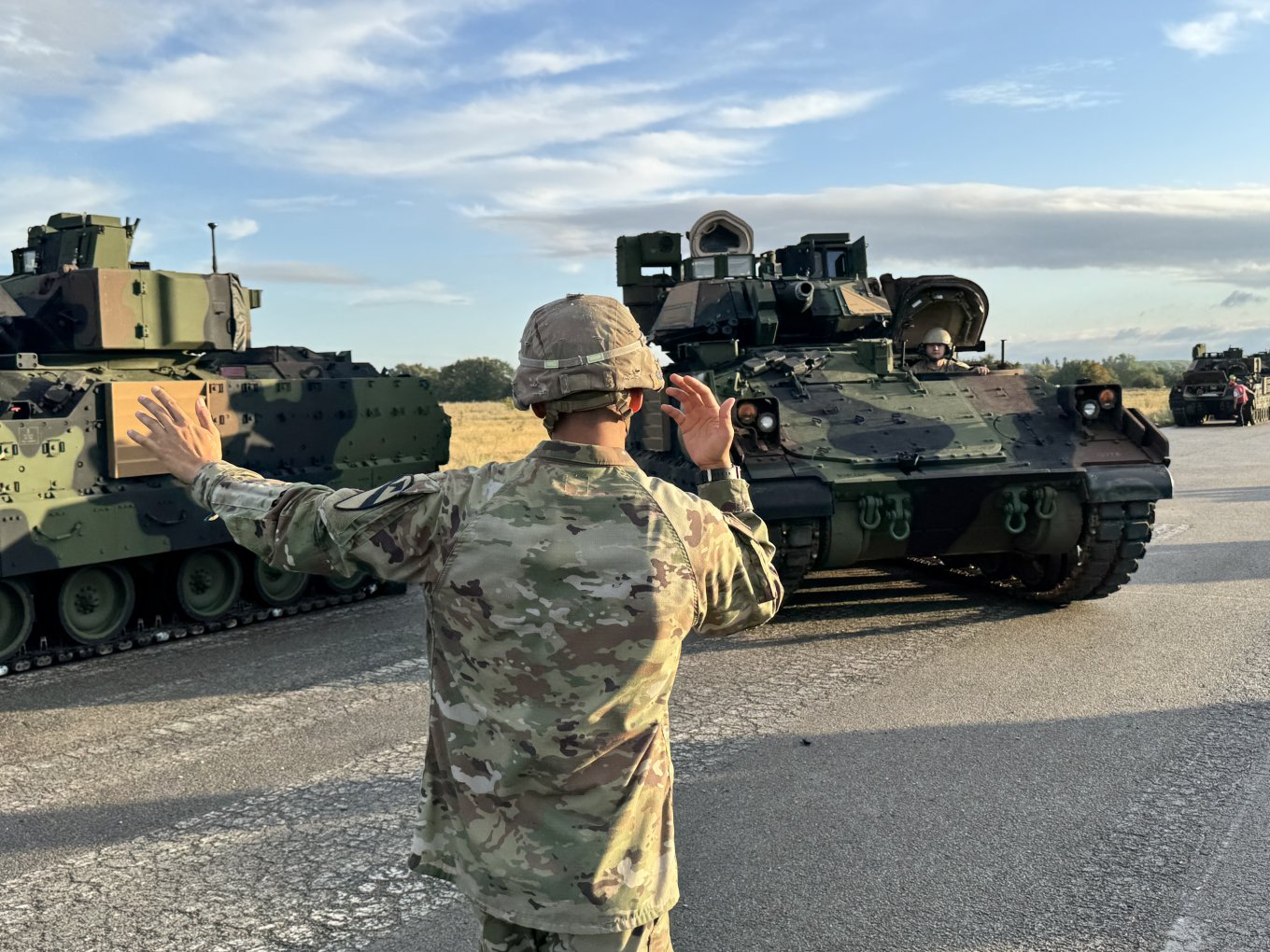
On that basis, to maintain current ground force combat effectiveness, European countries would need to form and keep combat-ready an additional two full-strength divisions. To compensate for American forces, these would need to match the equivalent level of combat capability and capacity. For scale: Germany currently fields three divisions, one of which is shared with the Netherlands, and none is at full combat readiness. France has two divisions, with plans for a third composed of reservists. The United Kingdom has two, one of which exists largely on paper and the other is a light expeditionary formation.
More critically, European countries would need to form these divisions not by merging existing brigades and formations, but from scratch. A mechanized division requires approximately 18,000–20,000 personnel, 200–300 tanks, 400–600 APCs and IFVs, 100 artillery systems, and a vast array of other equipment.
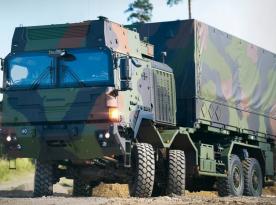
These figures must be multiplied by two given the need for two divisions, while the totals must be weighed against current annual production of approximately 50 Leopard 2A8 tanks and around 200 Boxer wheeled vehicles, already allocated years in advance. Factoring in personnel recruitment and training, realistically achieving a fully combat-ready regular heavy mechanized division would take approximately 10 years.
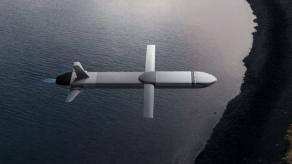
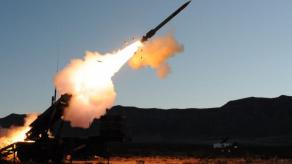
Beyond ground forces, the plans to reduce the number of missile destroyers made available to NATO are particularly alarming. These vessels fulfill two critical functions: ballistic missile defense against medium and intercontinental-range ballistic missiles, and long-range strike using Tomahawk cruise missiles.
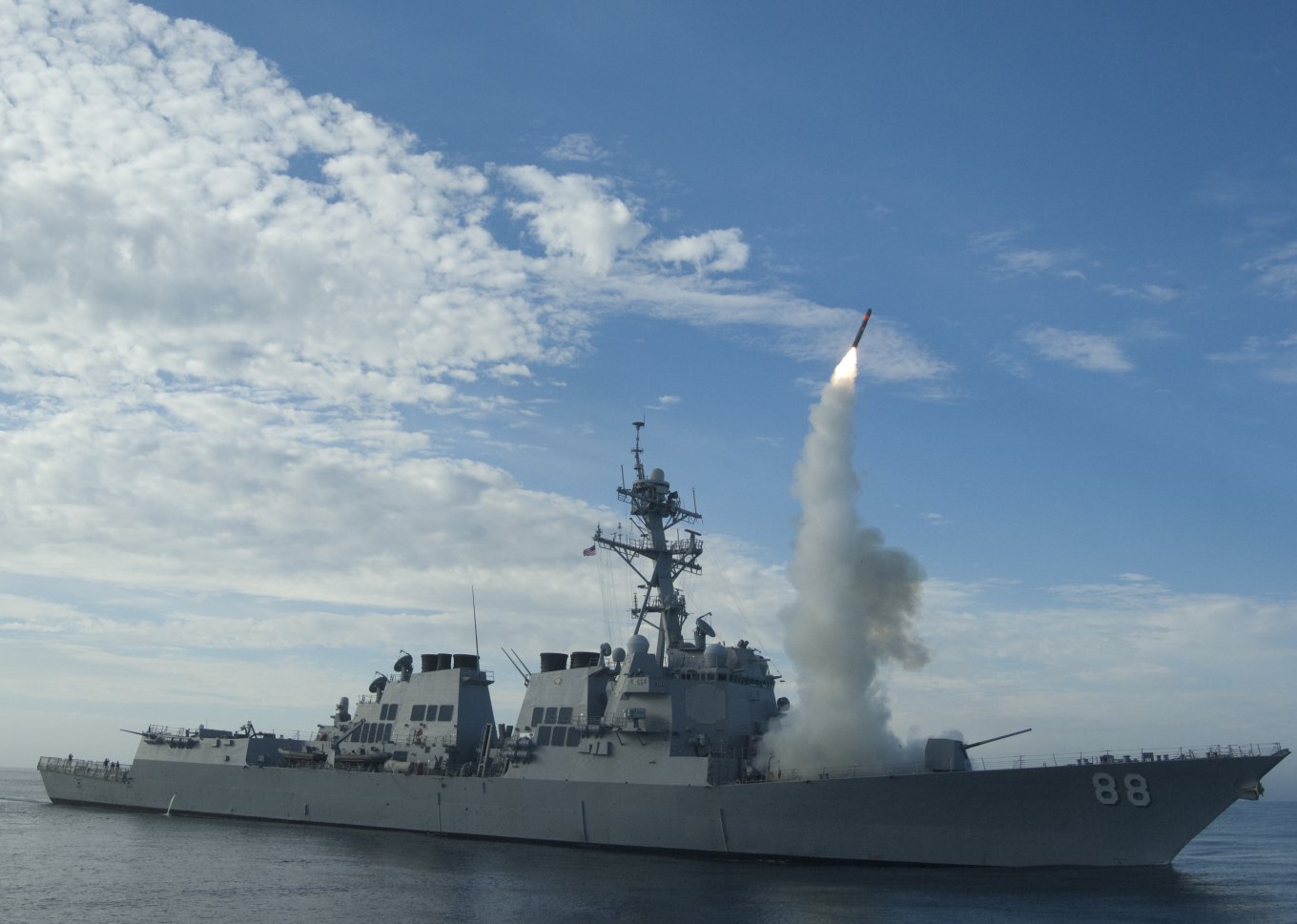
Cutting the number of strategic bombers committed by half will also negatively affect long-range strike capability and assessing how to compensate for this is only meaningful once European serial production equivalents actually exist.
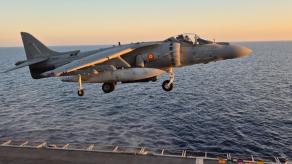
The decision to withhold nuclear-powered submarines entirely raises questions about the protection of logistical routes across the Atlantic. A reduction in aerial refueling tankers will reduce the operational tempo of all NATO air forces, which will also lose approximately a third of the fighter aircraft currently assigned to European operations, representing a rough deficit of around 200 aircraft. That number could technically be compensated over four years at the current combined production rates of Rafale, Eurofighter, and Gripen not accounting for existing order backlogs.
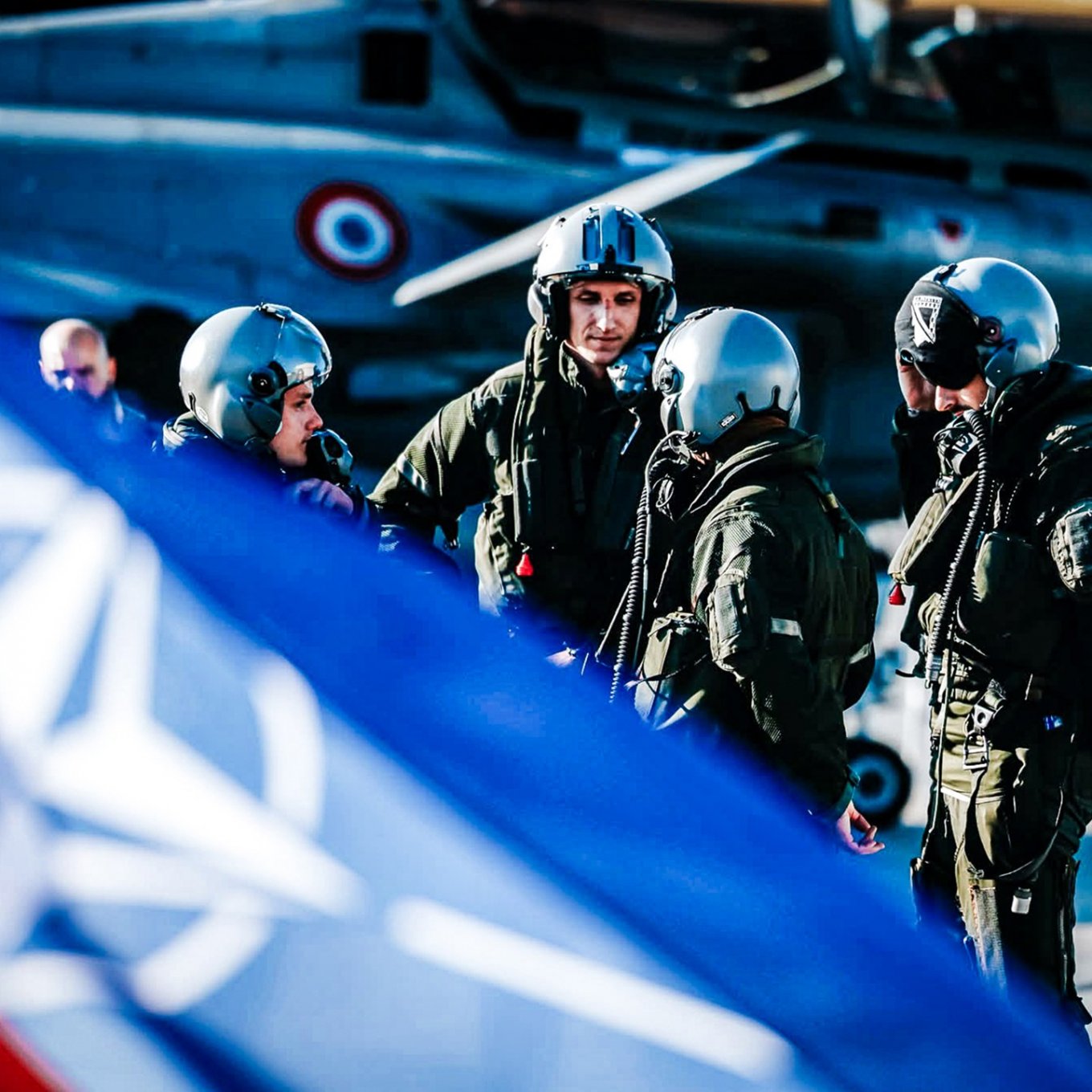
In short, any realistic timeline for compensating for the withdrawal of U.S. forces points to somewhere in the 2030s — and only if substantial resources are committed and production of all necessary weapons categories is accelerated. What makes this particularly damaging is that where European defense efforts had previously been aimed at growing NATO's combat capability, every investment made and planned from this point forward will go merely toward compensating for the deficit created by Washington's own decision.
Read more: RMMV HX Are Used by Ukraine’s Armed Forces for Logistics – How Much They Cost As of Germany’s 2,000 Vehicles Contract