

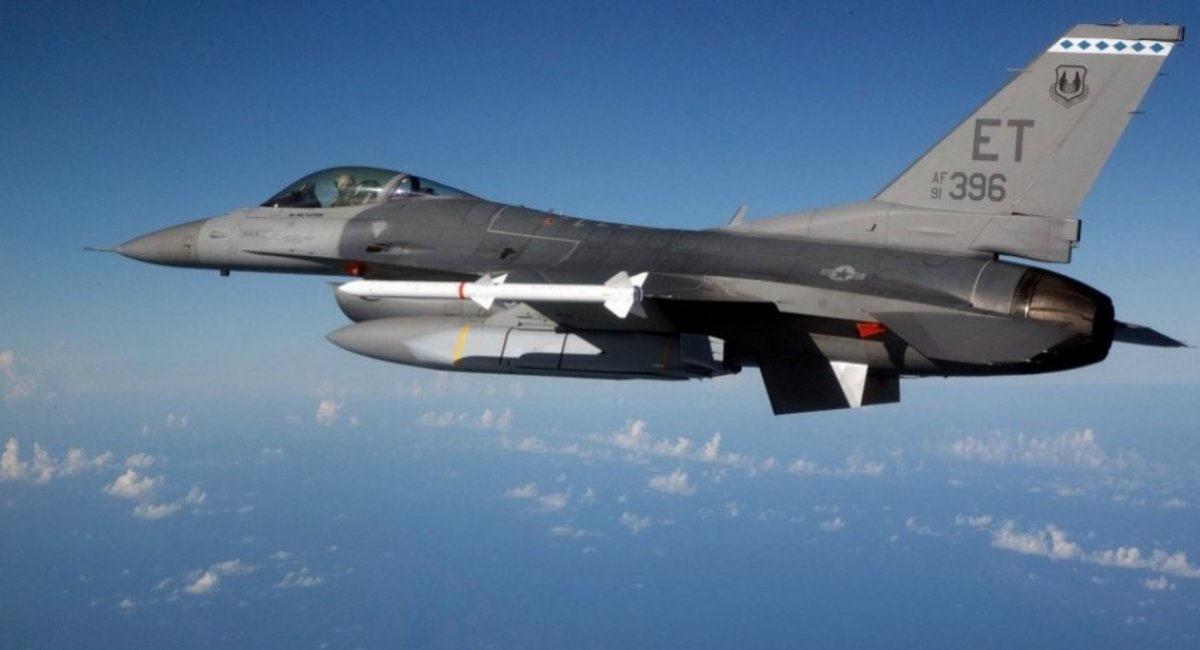
The Netherlands is in negotiations with the U.S. government over the procurement of additional AGM-158B Joint Air-to-Surface Standoff Missile Extended Range (JASSM-ER) low-observable air-launched cruise missiles, a weapon that was also previously considered for arming Ukraine's F-16 fighters.
The Netherlands wants to procure additional JASSM-ER missiles to replenish operational stocks for its fifth-generation F-35 fighters. As stated in the country's national defense projects review, the missiles will help address an important capability gap in NATO in Europe.
Read more: South Korea Mulls K30 Biho Export to UAE, While War There Continues but Ukraine Was Refused for Same Reason
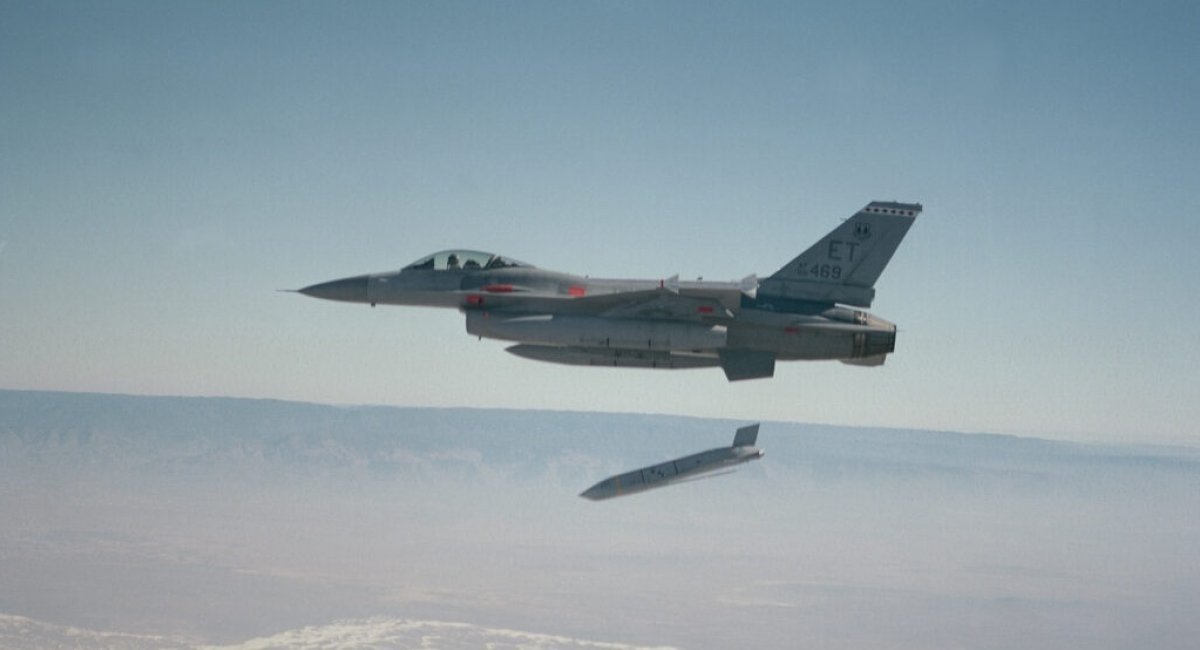
Breaking Defense reports on the development, noting that the exact number of additional AGM-158B JASSM-ER missiles the Netherlands plans to order for its air force is not currently known.
As a reminder, in early 2024 the United States approved the sale to the Netherlands of 120 JASSM-ER missiles at a ceiling price of $908 million roughly $7.6 million per unit at which point it was already noted that the cruise missile's price had nearly tripled. The unit cost may have risen further still given inflation and other factors.
The Netherlands appears prepared to accept the high cost of the weapon, given that it is a high-technology precision strike system with a 900 km range and a 450 kg warhead.
Another consideration is delivery timelines. The United States has been explicit: in order to replenish its own stocks depleted during Operation Epic Fury against iran, deliveries to other countries will be delayed.
Breaking Defense, citing research by the Center for Strategic and International Studies (CSIS), notes that JASSM deliveries can take as long as four years from contract signature.
The question of supplying Ukraine with JASSM/JASSM-ER missiles for its F-16s has surfaced repeatedly in media reporting, though as of today there is no official confirmation — nor even any indication that this process is moving forward.
How realistic such a prospect is in practice is itself a separate discussion. Even if an agreement were reached, delivery timelines would be significant; funding would likely need to come through the PURL program, under which weapons are purchased from the United States using partner nations' funds making this a question of competing priorities, since budgets are finite and the cost of a few dozen missiles could instead fund a range of other equally important capabilities.
Read more: russia Admits MiG-UTS Trainer Still Not in Metal, Despite Urgent Need to Replace L-39s