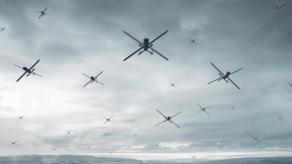
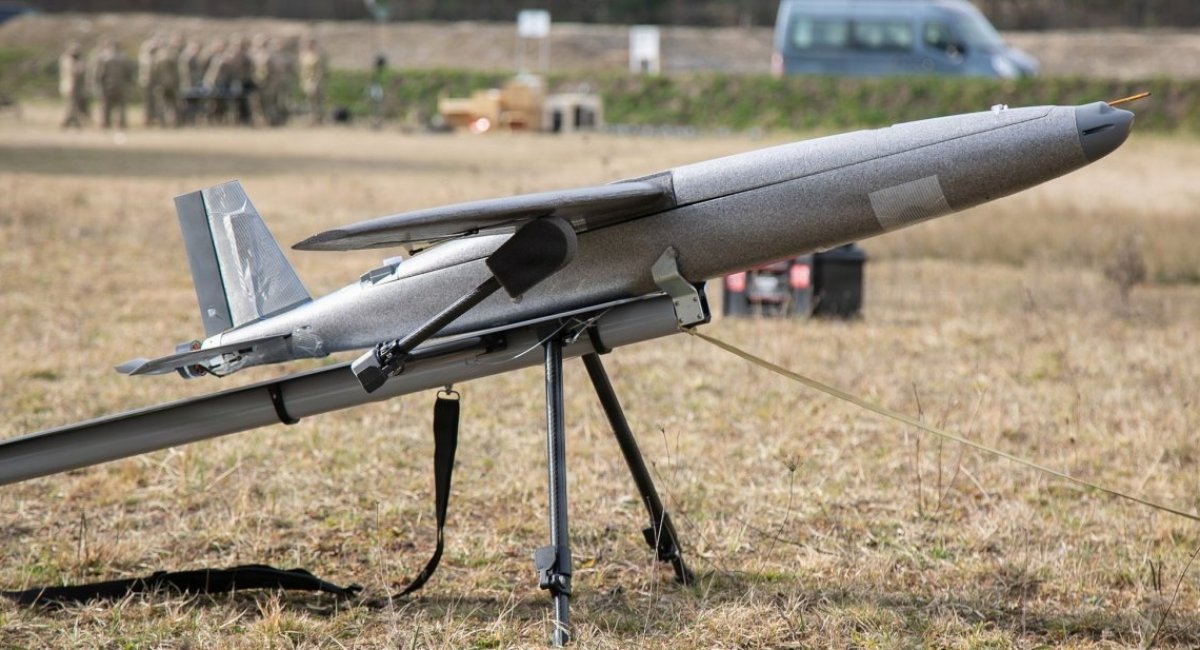
Due to the active use of Hornet strike drones by the Ukrainian Defense Forces to cut off the logistics routes of russian troops at a distance of 50 to 150 km, the occupiers have really begun to suffer significant losses and actively suffer.
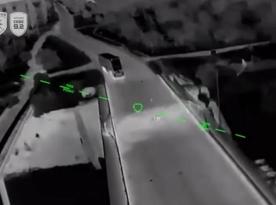
A large number of videos with the successful destruction of transport with military cargo and other similar targets from the Ukrainian side are rapidly spreading across the network. The key roads on which Ukrainian drone operators destroy russian equipment are the R-280, which connects Rostov-on-Don with occupied Crimea via Mariupol, Berdyansk and Melitopol, as well as the section of the H-20 Donetsk-Mariupol highway.
Read more: Mysteries of Swift Beat: Ukraine's New Drone Supplier With Director Ex-Google CEO, White Stork, and AI
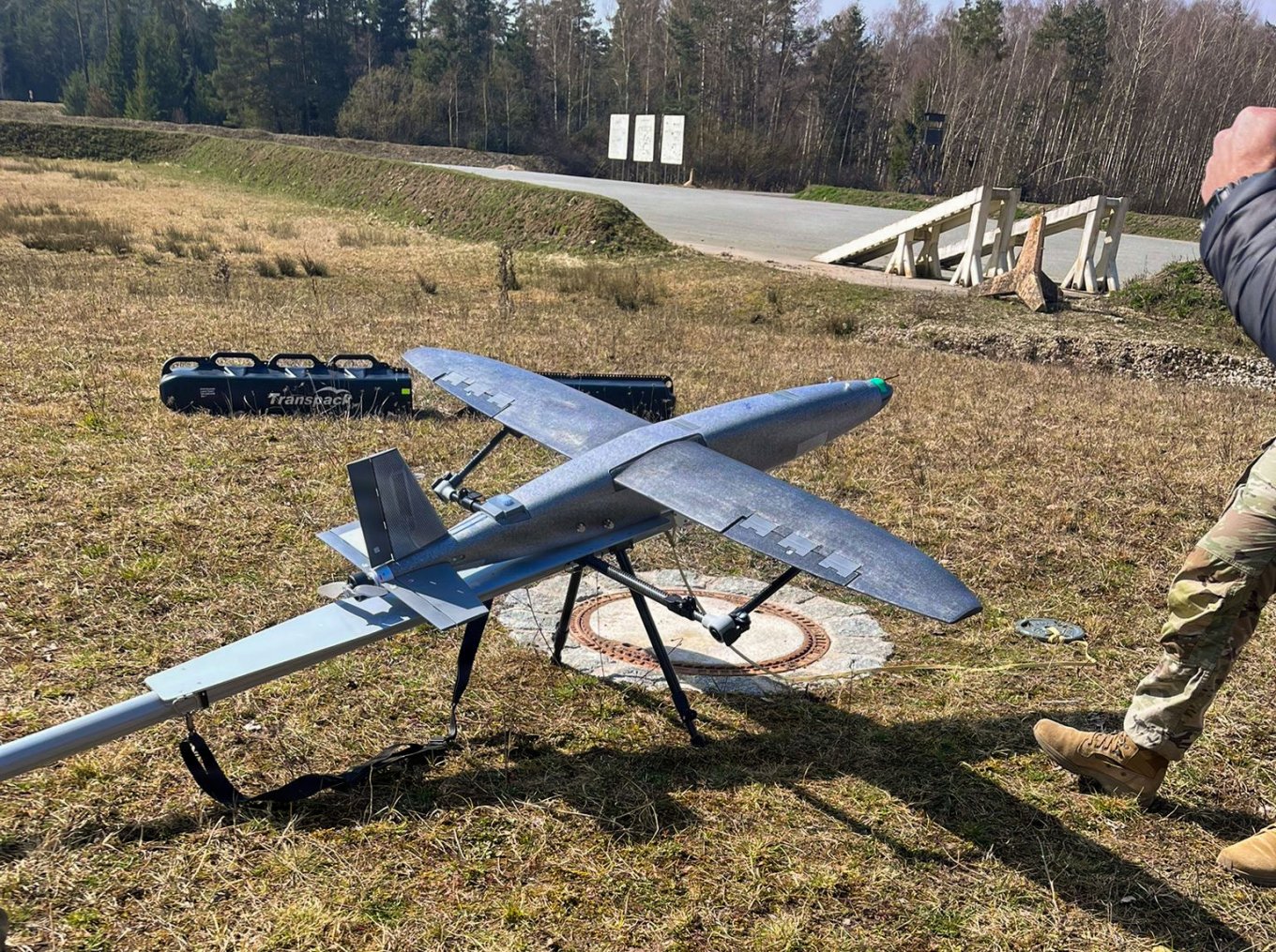
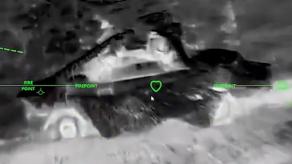
At the same time, the video shows quite clearly that the Hornet has advanced guidance algorithms, and most importantly, high image quality, despite the fact that the shooting is carried out at a distance of about 60-70 km behind enemy lines.
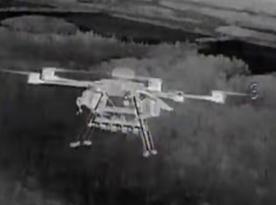
That is why it is quite interesting to know what the design features of the UAV are. The answer to this question was given in detail by russians themselves, who also call this drone "Martian-2". The analysis of the design of this UAV was published in russian profile groups on social networks in early May of this year, and a video with the "disassembly" of the Hornet UAV can be found in public access since the end of April of this year. The U.S. Army also actively publishes images of the drone. It should be noted that a non-public analysis of the design of this UAV by russian military personnel was most likely done even earlier.
Hornet strike UAVs are produced by Swift Beat LLC, a company founded by former Google CEO Eric Schmid. Ukraine officially announced cooperation with Swift Beat in July 2025. At that time, it was reported about plans to produce hundreds of thousands of drones of various types by the end of 2025 and increase this figure in 2026.
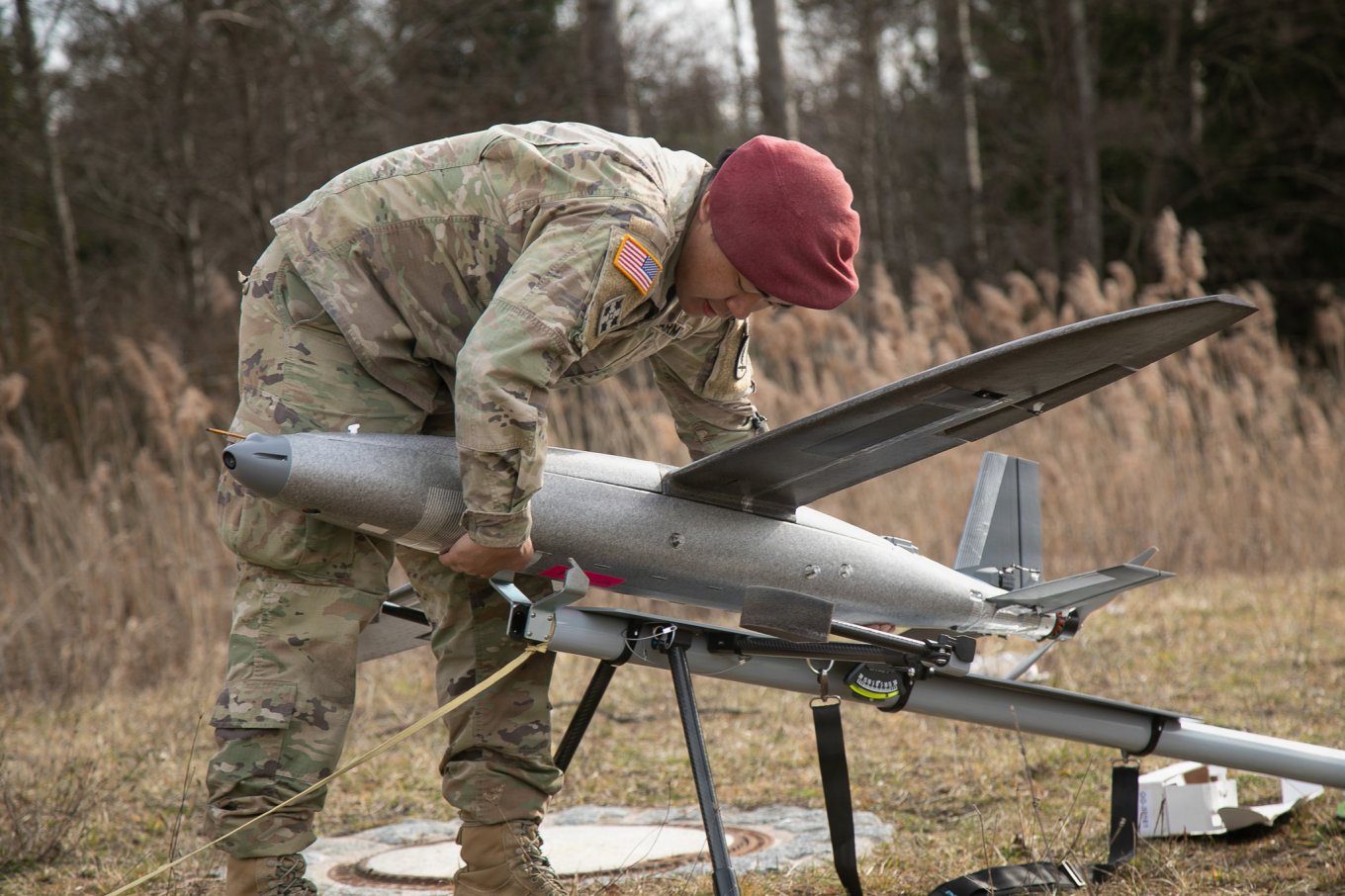
The analysis shows that such indicators can be quite real, because the Hornet UAV is made with the maximum technological level and taking into account the production of a large number of units. The UAV has a take-off weight of about 15 kg, a wingspan of 2.2 meters, a length of 1.4 meters, a cruising speed of about 100-120 km/h, a maximum of up to 200 km/h.
The body of the aircraft-type drone is made of foamed polypropylene - a light, durable, radio-transparent material that allows the fuselage and wing to be made by injection molding. The power elements and tail fin are made of carbon and molded plastic.
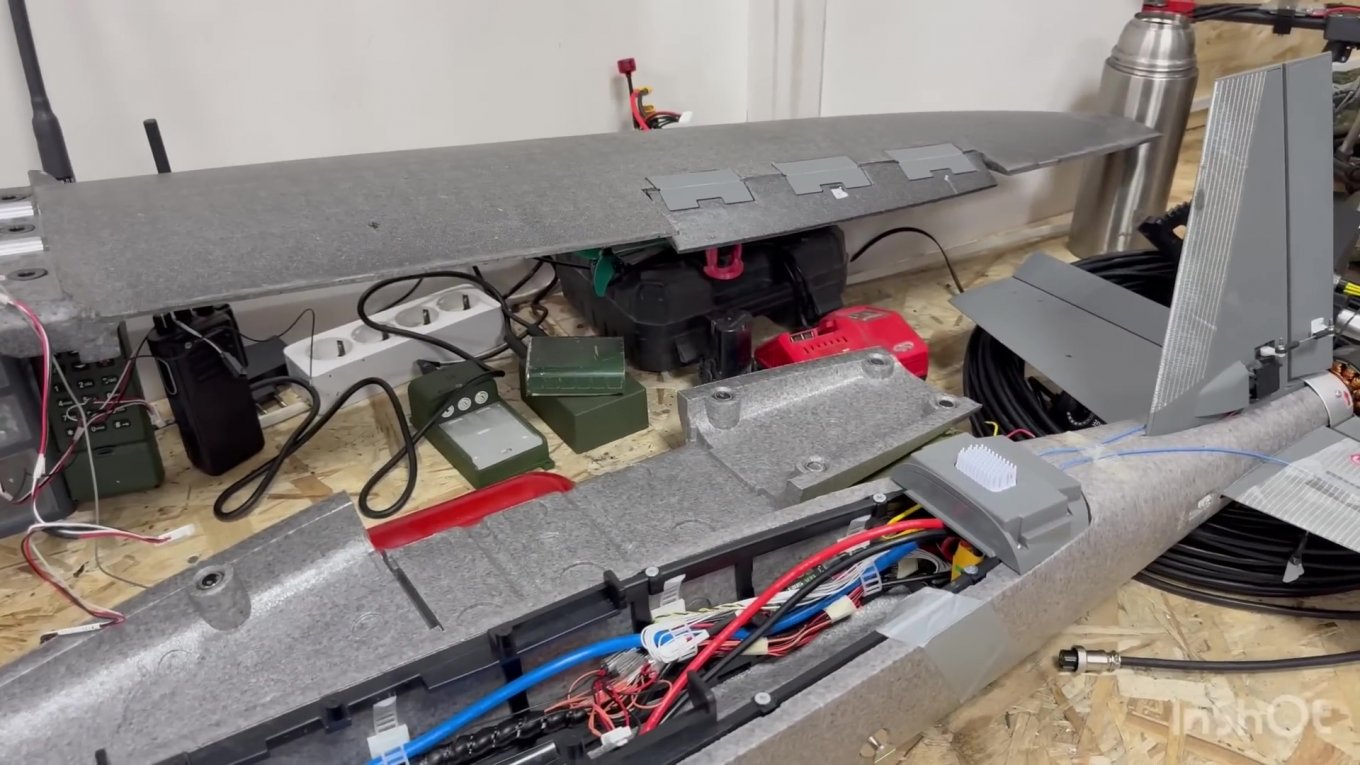
In the nose of the airframe there are two cameras, one of which is a course camera, the other is directed downwards, and control units. Next is the warhead, the weight of which can reach 5 kg. Behind it is a battery with a capacity of 10 thousand mAh, weighing 1.9 kg, in the tail there is an electric motor with a pusher propeller.
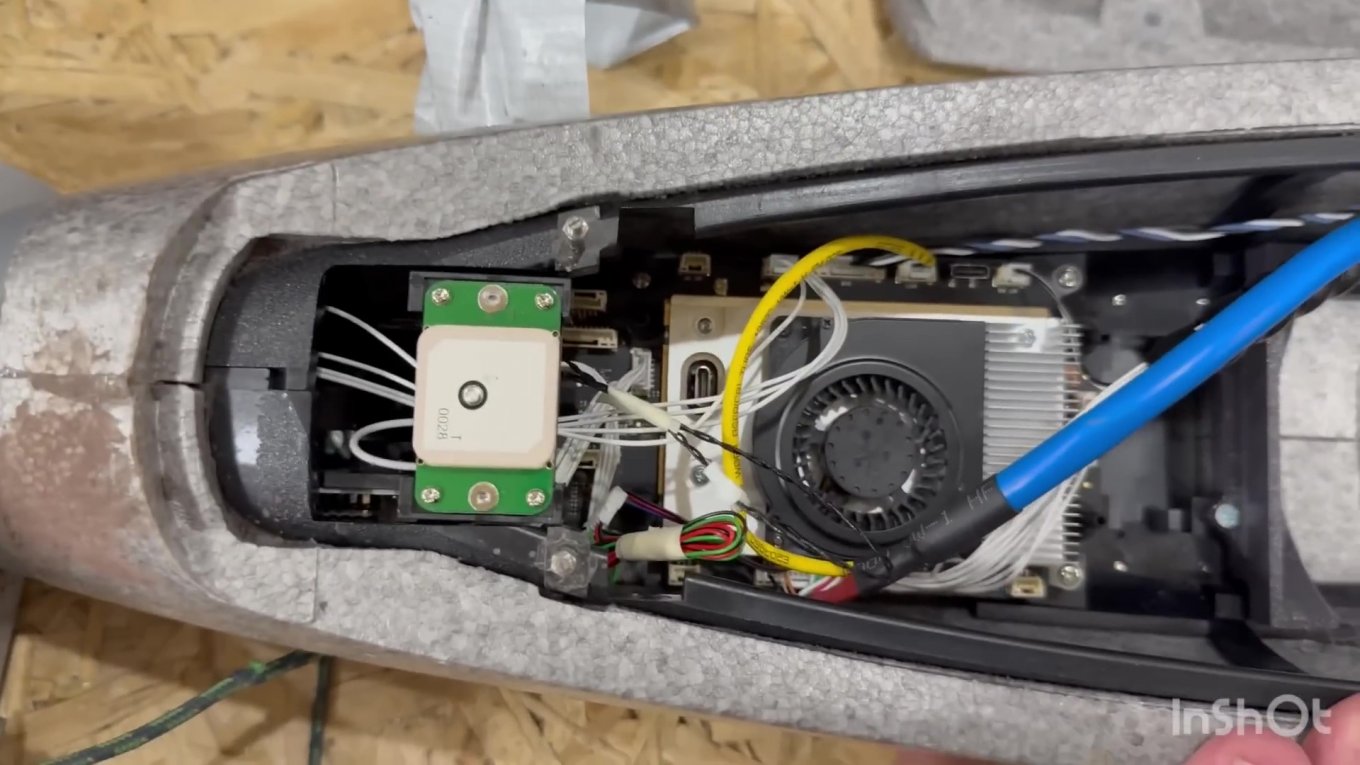
The main feature of the Hornet UAV is its high autonomy with target detection and capture algorithms, as well as visual navigation, for which a camera looking down is needed. This allows it to be independent of satellite navigation. That is why this drone does not have a multi-element anti-jamming GPS system.
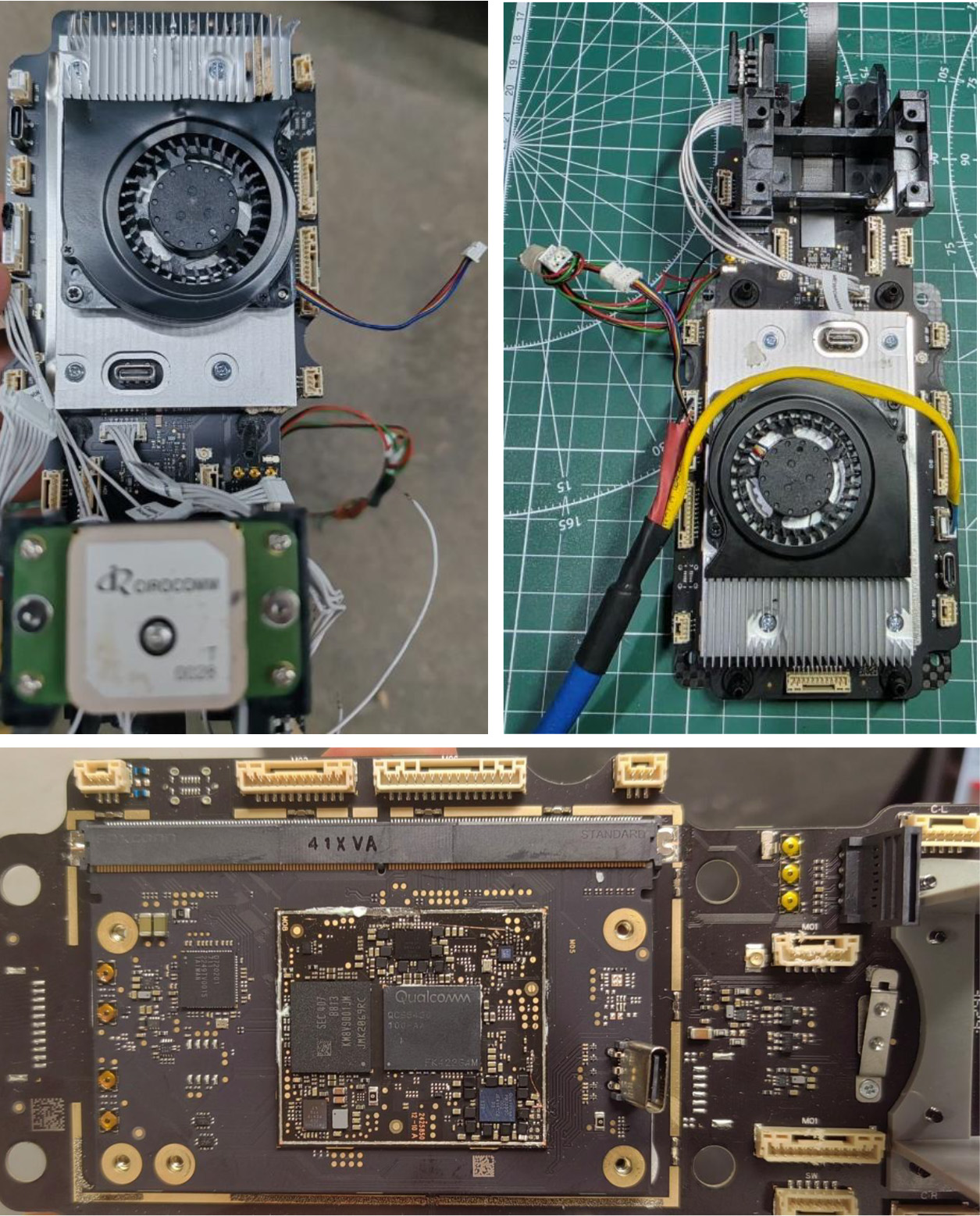
The module based on the Qualcomm QCS5430 processor is responsible for executing all algorithms with artificial intelligence elements, and the databases are stored on a 128 Gb drive, another 64 Gb drive is used for software.
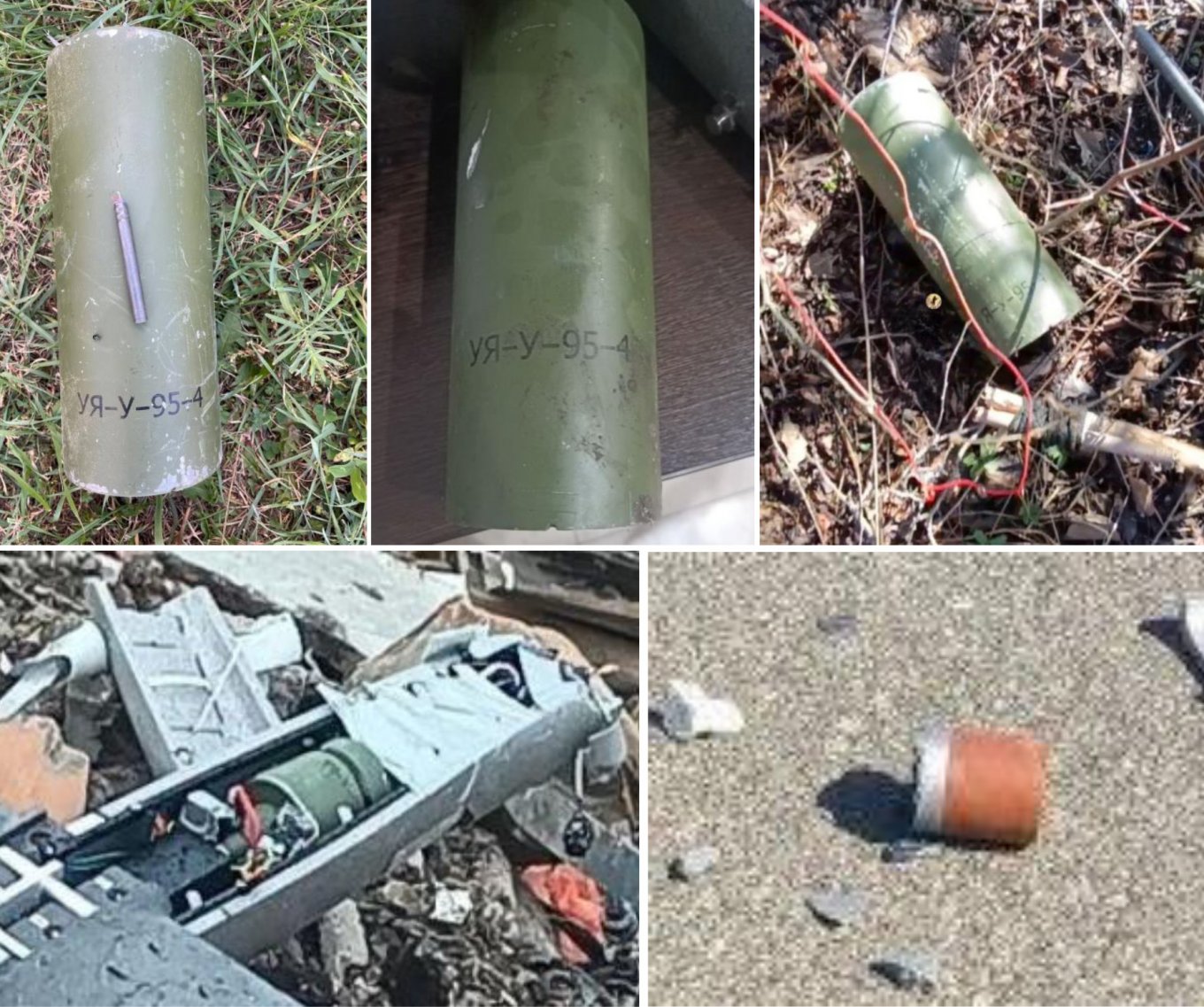
The UAV usually has a warhead of the type of impact core with a total weight of 1.5 kg or 4 kg. It is also known that this UAV can also be equipped with a high-explosive fragmentation warhead. The warhead is detonated by the initiation board when the accelerometer threshold is exceeded or when a separate command is given.
The enemy also carefully studied the means of remote control of the drone via a radio channel, the frequencies of which are specially selected for the range of the most common russian radio stations. This was done specifically to make the Hornet less visible to electronic intelligence, and also means that the enemy will jam such a channel along with his communications.
It is known that now the Ukrainian military is already actively using Starlink terminals on the Hornet UAV, which allows them not to be bothered by russian electronic warfare equipment. russians also complain that mesh modems were also noticed on these drones, which together may indicate the intention of the Ukrainian side to deepen the strikes through relaying.
It can be stated that there is nothing top-secret in the Hornet UAV inside in the "Hard" category. This is a high-tech, but potentially simple to manufacture strike UAV, which has high flight characteristics and controllability and is distinguished by a high culture of design and production. But its key feature is "sewn" somewhere in the closed software and advanced algorithms ("Soft"). Let's recall that thanks to balloons, Hornet UAVs will now fly even further.
Read more: Capabilities of Mysterious Drones From Destinus Allegedly Supplied to Ukraine: Lord, Ruta, and Hornet