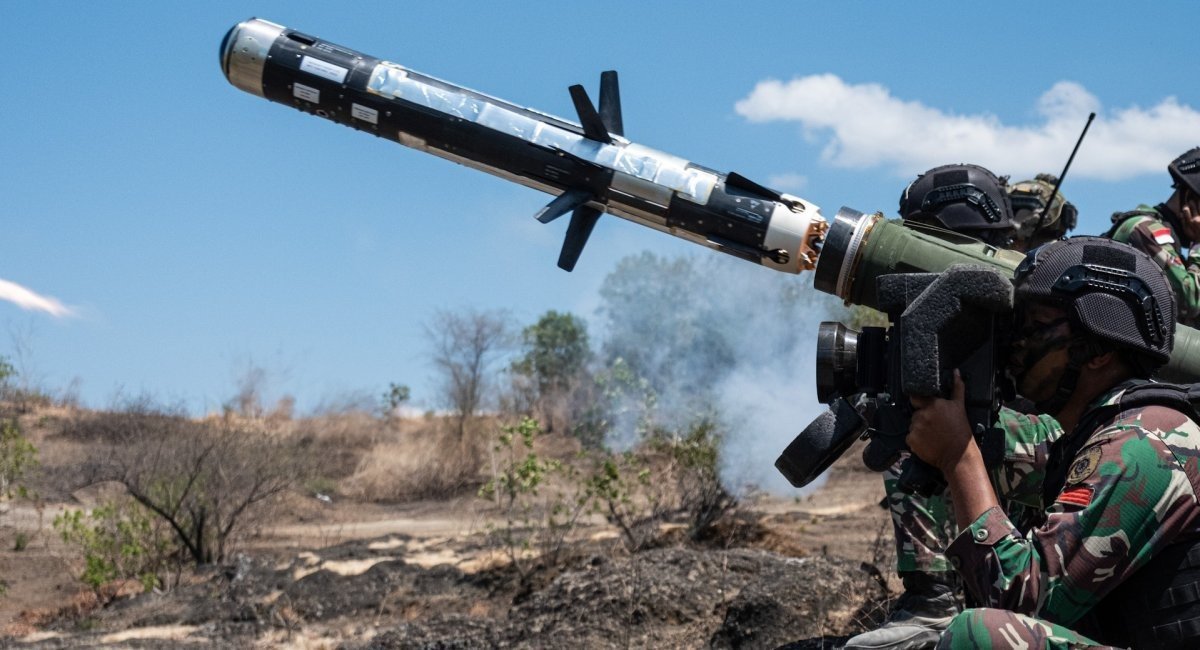
The American defense company Lockheed Martin reports ongoing efforts to expand production capacity for the Javelin anti-tank guided missile system, as global demand continues to grow. Last year, the company focused on coordinating with suppliers to ensure a stable and reliable supply chain.
The Javelin supply chain is extensive, involving around one hundred component suppliers and 25 major subcontractors. Each implemented upgrades within 8 to 10 months to increase output. According to Lockheed Martin, this allowed the company to procure all required components on time while maintaining high product quality.
Read more: After Winning a Contract with Malaysia, Turkiye's Javelin Rival is Set to Compete in the Evolving Era of Drone Warfare
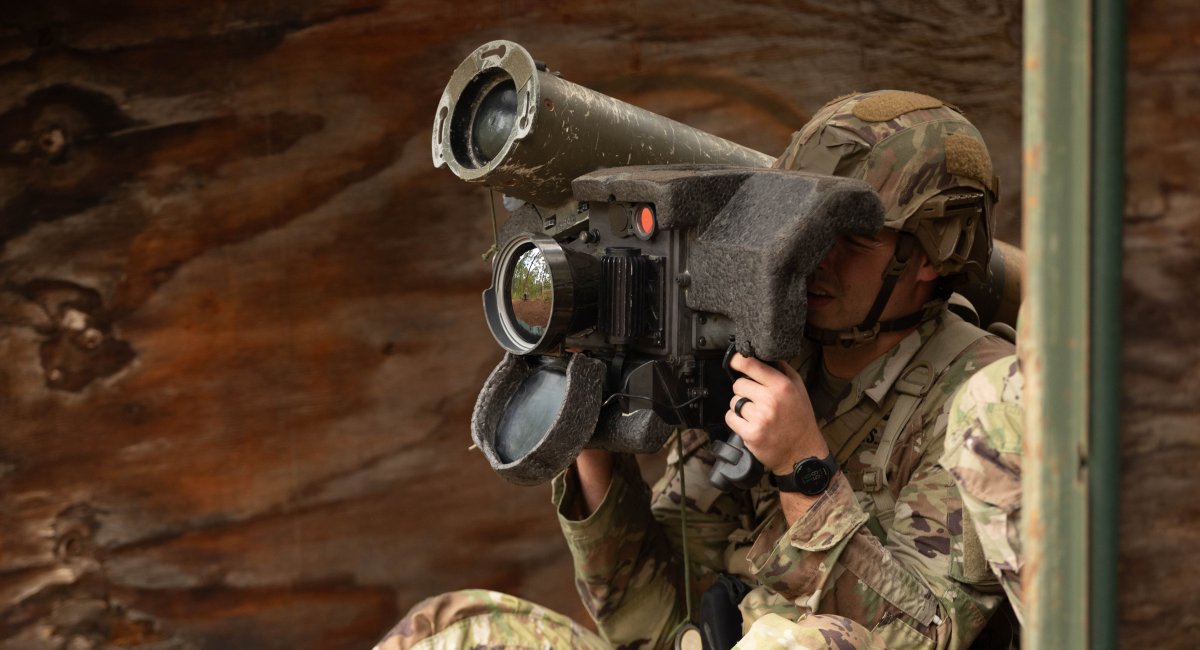
"This coordinated approach gives us confidence that the Javelin supply chain will support accelerated production rates and meet future requirements," said Rich Liccion, Vice President of the joint venture and Javelin Program Director.
These efforts have also enabled the development of long-term solutions to support further upgrades of the missile. These include automation, AI-based forecasting, and continued modernization.
Looking ahead, Lockheed Martin aims to reduce delivery times for all components to 52 weeks and build up reserves of critical parts. This is expected to improve the company’s ability to respond to further spikes in demand.
In the era of drones, it is reasonable to question whether investing in expensive anti-tank missile systems makes sense when significantly cheaper FPV drones are available. However, this class of weapon remains in demand on the global arms market. New systems and variants continue to emerge in response to modern requirements. One example is Israel’s L-SPIKE 4X, a sixth-generation ATGM that is closer to a drone than a traditional missile.
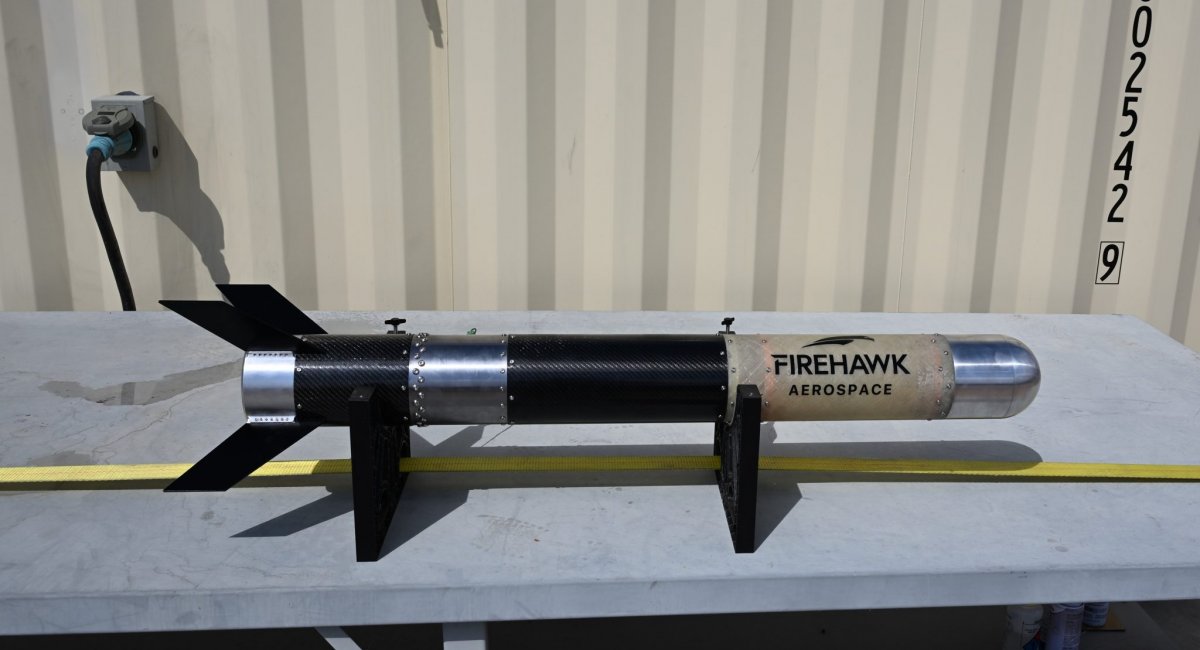
Returning to Javelin, it is worth noting that last year Firehawk Aerospace tested solid rocket motors for these missiles, as well as for the Stinger system, using 3D-printed fuel.
The cost of a standalone Javelin missile remains high. In 2023, the price for the United Kingdom exceeded $200,000 per unit. Last year, for India, under its first order, the estimated cost reached around $500,000 per missile.
Earlier, Defense Express reported that systems such as the Stuhna-P and other Ukrainian ATGMs could regain relevance through further development.
Read more: 3D-Printed Fuel For Javelin and Stinger Sparks Logistics Revolution