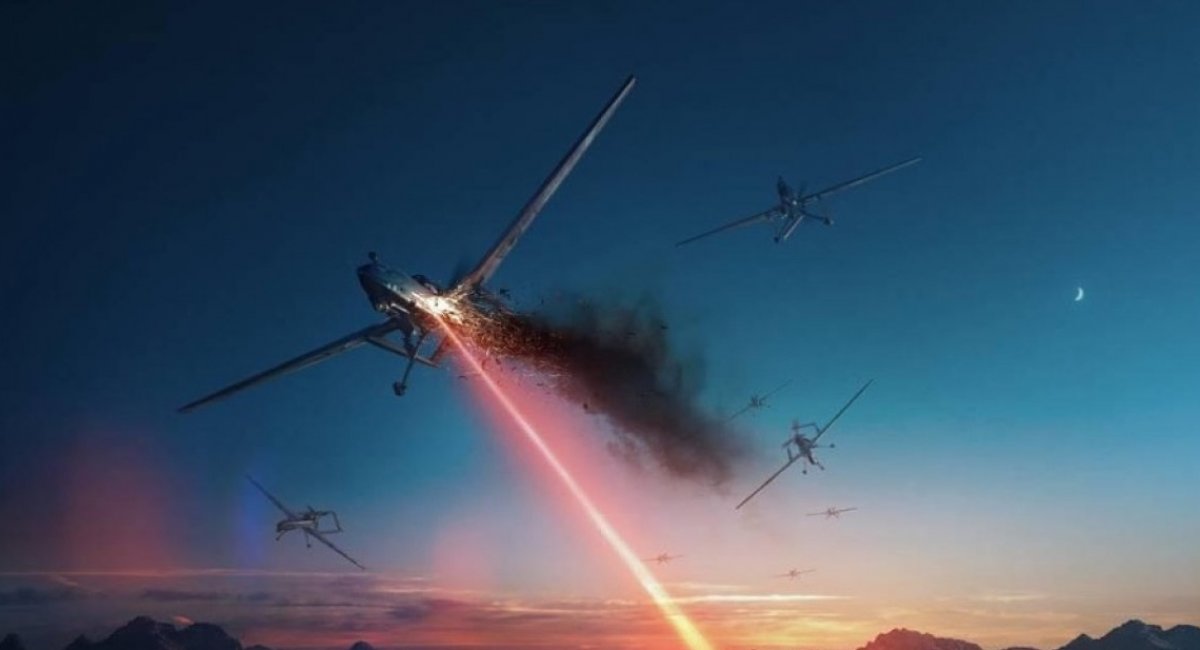
Laser weapons have genuinely interesting potential as an anti-aircraft asset, however as of today they have not yet gained wide adoption, as making a truly working and effective sample has proven not so simple.
India in search of solutions for intercepting cheap strike assets like unmanned aerial vehicles wants to try betting on an ambitious laser weapons program from Defence Research and Development Organisation (DRDO), specifically samples such as Mk-II(A) and DURGA II, whose main advantage should be almost zero cost of shooting down an aerial target compared to other traditional assets.
Read more: U.S. Army Signs 10-Year $20B Deal With Anduril to Consolidate 120+ Contracts Into Single AI-Powered Lattice Software Framework
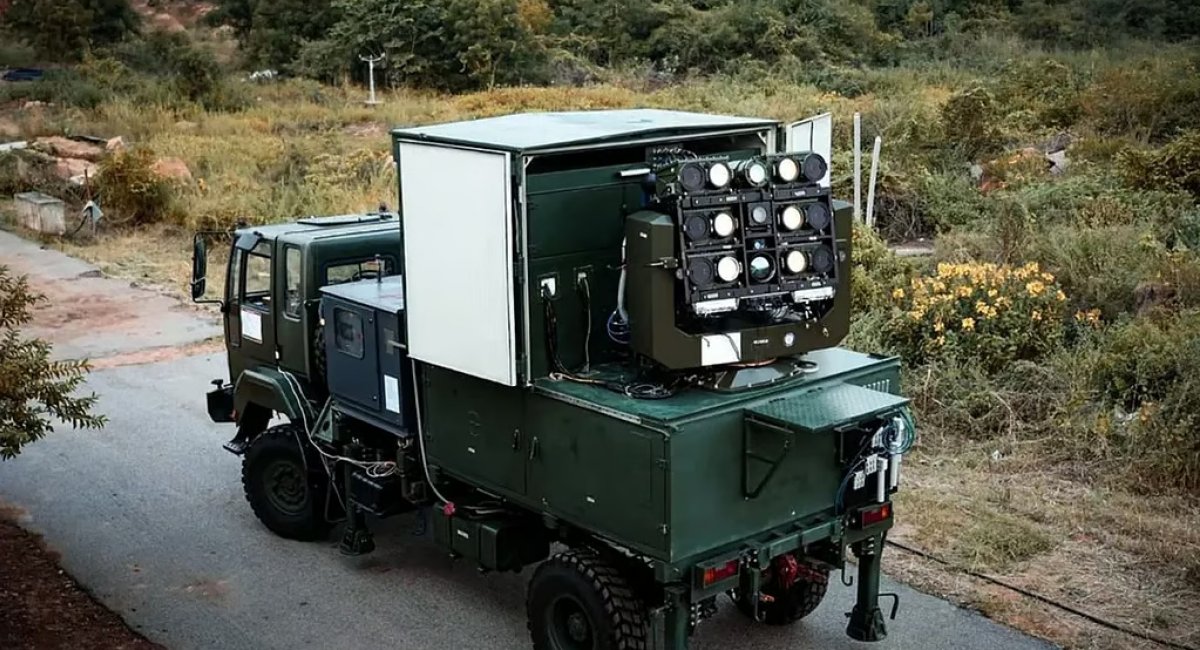
IDRW notes this. ack in November last year it became known that 16 Mk-II(A) systems are planned for order for Indian Air Force, which have 10 kW power and can shoot down targets at ranges up to 2 km.
At the same time, DURGA II is a significantly more powerful system having power over 100 kW and will be capable of combating a significantly wider list of aerial threats. Specifically in the photo the publication demonstrates, one can see an illustrative image of a DRDO-developed 300 kW laser shooting down an unmanned system designated as Turkish Bayraktar TB2.
At the same time, this is by no means a new project, which appears to stretch back to the 2000s, with progress apparently very, very slow.
For example, in open sources one can find mention that only in 2017 a 1 kW power laser with range of only 250 km was tested, while reports about having a 25 kW power system in work appeared around 2022. Given this, it should be noted that a genuinely working 100 kW power sample, let alone 300 kW, will appear by no means today.
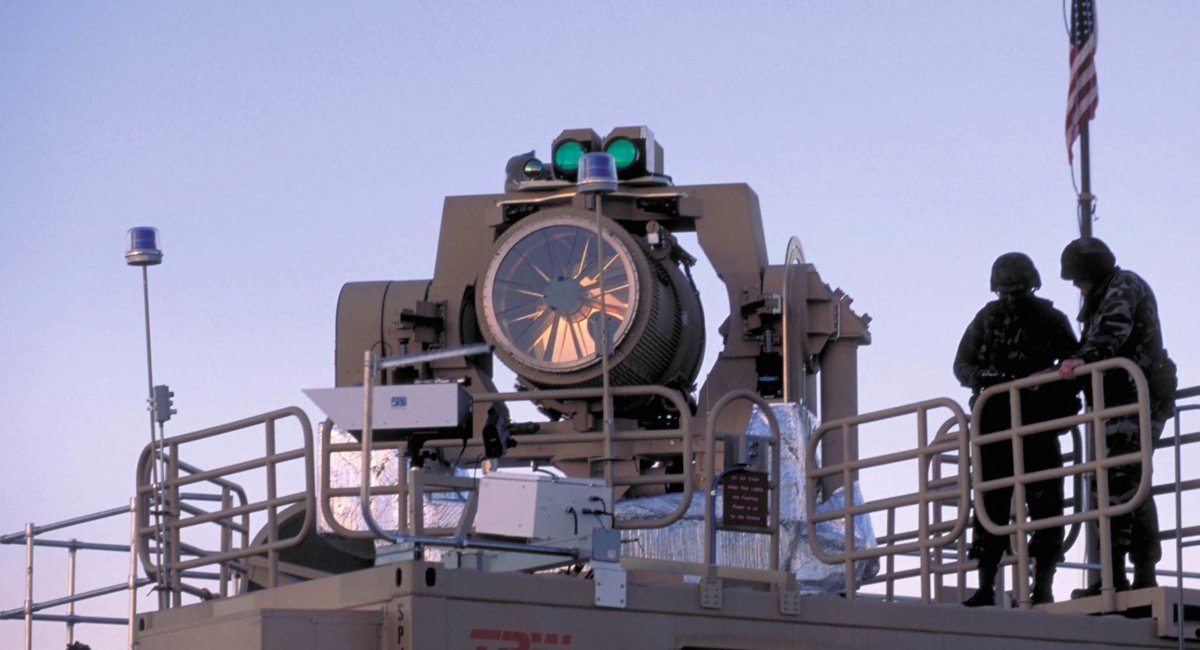
Although in theory laser weapons can be effective, in practice they have not gained wide adoption. Some developments — like American-Israeli THEL, which even shot down shells launched from Katyusha went into oblivion, as it proved cumbersome and extremely expensive.
Israel spent as many as 12 years creating the 100 kW Iron Beam laser system. In December it was officially introduced into operation. At the same time, now one can see reports that it is allegedly not ready for real intensive combat operations and for repelling such complex targets as ballistic missiles.
Finally, one can also recall the story of how Saudi Arabia purchased Chinese laser weapons and was disappointed in them, as they proved worse than electronic warfare against Shaheds.
Previously, Defense Express reported that combat lasers and microwaves have no place in Ukraine yet — what are the reasons for such weapons' impracticality.
Read more: russia Desperately Offers India Two-Seat Su-57 That Doesn't Exist Yet, Plus New Engines, Tech Transfer to Close Sale