Directed-energy weapons, including combat lasers and high-power microwave systems, are not yet suitable for large-scale counter-drone operations in Ukraine, despite their theoretical advantages. This conclusion was reached by researchers from the U.S.-based analytical corporation RAND, who assessed the current maturity of such technologies in the context of modern, high-intensity warfare.
According to the study, directed-energy systems offer several compelling benefits, most notably a very low cost per engagement and the absence of traditional ammunition logistics, as they rely primarily on electrical power. High precision and near-instant engagement speeds also make these weapons conceptually attractive for countering small and fast-moving unmanned aerial vehicles.
Read more: Türkiye Proposes Bayraktar TB2/TB3 to Country With Only 3 Global Hawks, Rented Sea Guardians
However, RAND analysts stress that these advantages remain largely theoretical at present. The technologies involved have not yet reached the level of reliability, robustness, and scalability required for sustained battlefield use, particularly in a combat environment as demanding and drone-saturated as Ukraine's.
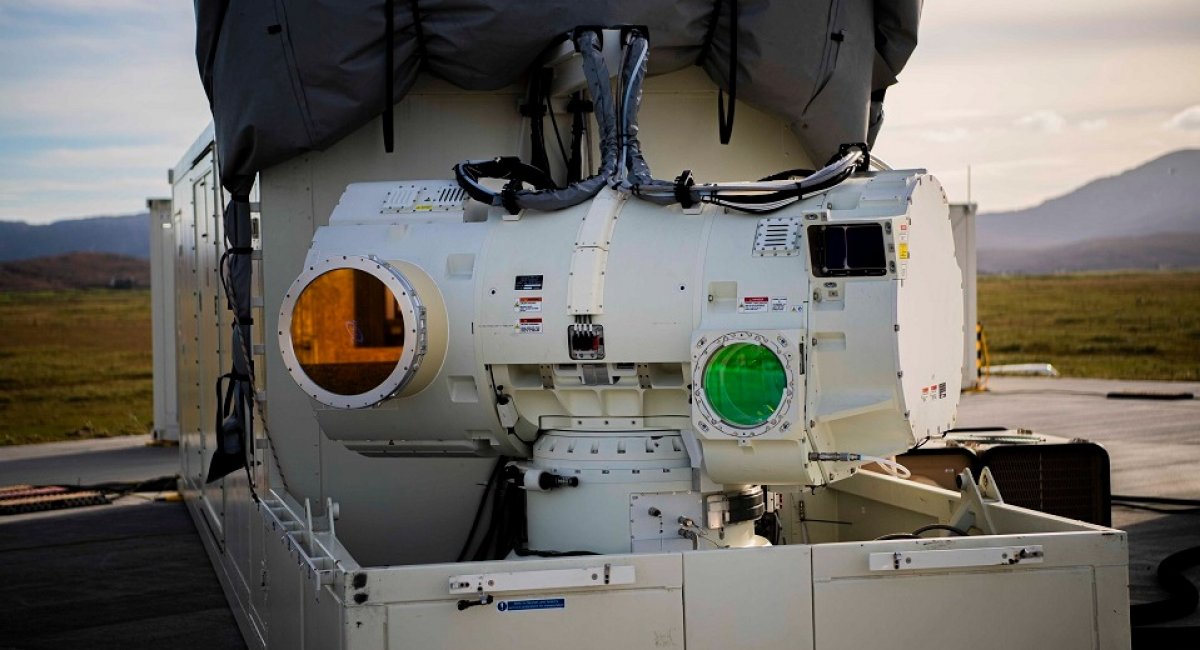
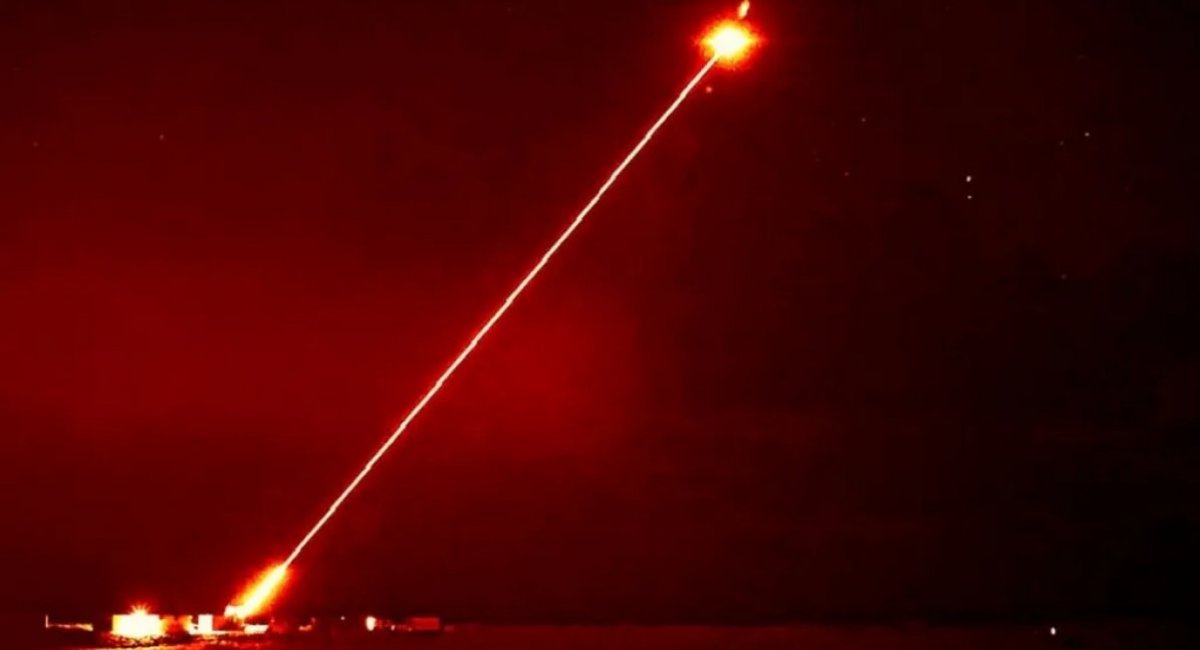
As an example of laser systems, the study references British DragonFire program, which has been discussed as a potential candidate for trials in Ukraine and is expected to reach initial operational readiness with the Royal Navy around 2027. While DragonFire system has demonstrated impressive accuracy under controlled conditions, it remains a developmental system rather than a mature, mass-deployable solution.
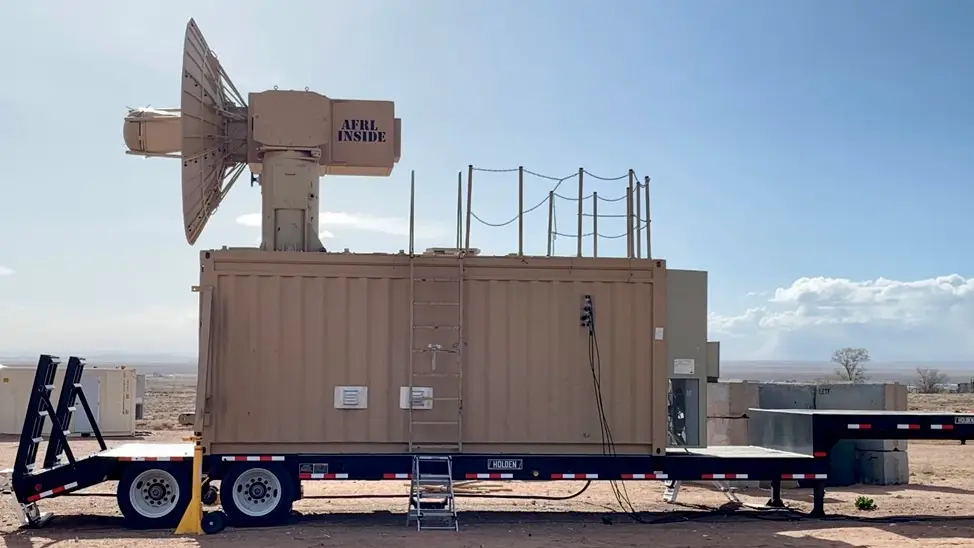
In the category of high-power microwave weapons, the report examines U.S. systems such as THOR (Tactical High-power Operational Responder) and Mjolnir, which are designed to disable or destroy drones by “frying” their electronics. Although both systems are at an advanced testing stage, they are still not finalized products and continue to face technical and integration challenges that require additional funding and refinement.
Beyond developmental hurdles, there are also fundamental technological limitations. Directed-energy weapons require powerful and stable energy sources, their effectiveness can be significantly degraded by adverse weather conditions, and they are generally limited to engaging targets within direct line of sight. These constraints sharply reduce their flexibility in real combat scenarios.
Many of these issues are already well known, including from past disappointments, such as Saudi Arabia's experience with Chinese laser systems that failed to meet operational expectations. This history underscores that while directed-energy weapons are promising in theory, practical implementation remains far more complex.
In Ukrainian context, proven solutions such as interceptor drones and conventional air defense artillery continue to offer greater reliability. As a result, near-term efforts are more likely to focus on scaling up systems that already work in combat, including additional deliveries of platforms like Skyranger 35 system, rather than betting on still-immature directed-energy technologies.
Read more: Ukrainian Tank Anti-Drone Protection Proves So Effective It's Replicated in Syria