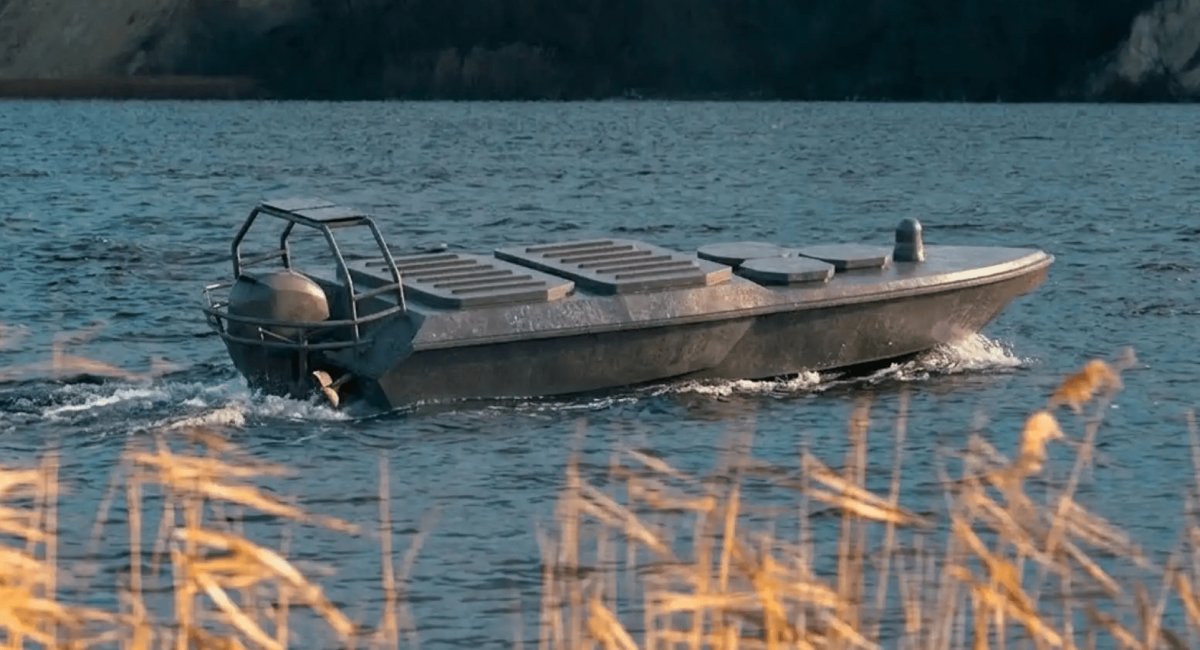
Ukraine's latest naval drone development suggests that the country is moving beyond the traditional concept of unmanned surface vessels and toward fully networked robotic combat platforms. According to newly released reports, Katran X1.2 naval drone has been tested as a mobile launch platform for AI-guided interceptor drones capable of engaging aerial threats, including Iranian-designed Shahed loitering munitions used extensively by russia.
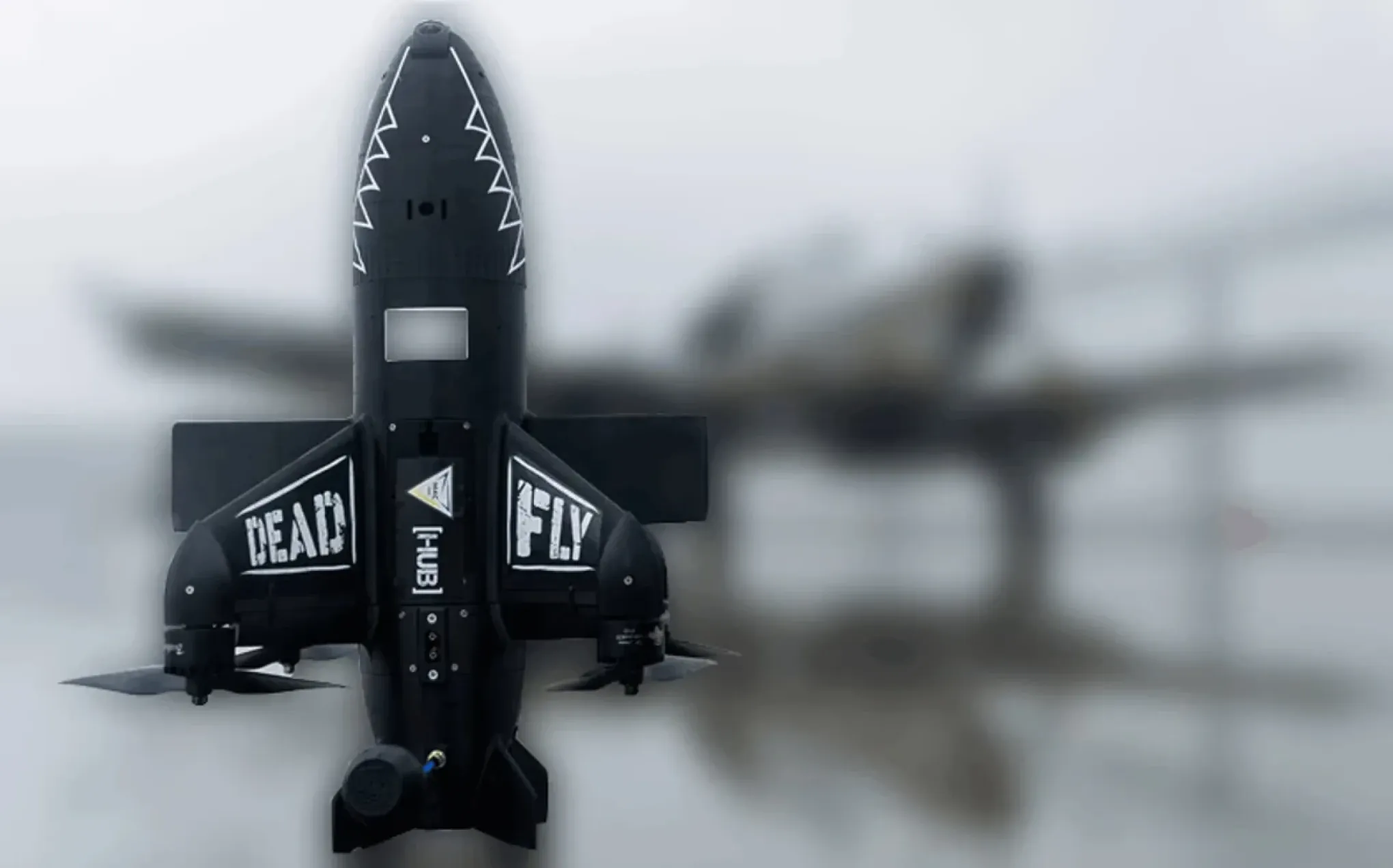
The system was reportedly developed through cooperation between Ukrainian company MAC HUB and the Black Sea Legion, a naval unit operating under Ukraine's Defense Intelligence. During trials conducted on the Dnipro River, Katran X1.2 system carried up to 27 MAC Dead Fly interceptor drones, creating what developers describe as a new defensive layer capable of operating directly along drone attack corridors.
Read more: Ukrainian Robotic System Outsmarts russian FPV Drone Ambush (Video)
The tactical logic behind the project reflects the changing nature of russian long-range drone strikes. Shahed drones frequently exploit river routes and low-altitude flight paths to reduce detection and bypass portions of Ukraine's air defense network. By deploying interceptor drones from mobile naval platforms, Ukrainian forces can push defensive coverage farther forward instead of relying solely on fixed ground-based systems.
Technically, Katran X1.2 drone appears designed as a multi-role combat platform rather than a single-purpose strike drone. Reports indicate the vessel is approximately nine meters long, powered by a 350-horsepower engine, and capable of ranges up to 1,600 kilometers. In addition to carrying interceptor drones, the platform can reportedly operate as a strike drone itself and may also carry R-73 short-range missiles or additional aerial systems.
The interceptor element may be the most strategically important feature. MAC Dead Fly drones reportedly use onboard artificial intelligence for autonomous target detection and can reach speeds of around 380 kilometers per hour, with efforts underway to increase that figure to 450 kilometers per hour. Those performance levels are intended specifically for countering Shahed-type drones, which have become one of russia's primary tools for exhausting Ukrainian air defenses and targeting infrastructure.
The project also demonstrates how Ukraine continues integrating multiple unmanned domains into unified combat systems. Both the naval drone and its airborne interceptors were reportedly coordinated through the MAC Mission Control network, allowing operators to manage several robotic platforms simultaneously from a shore-based mobile command center.
Read more: russia Uses Double-Strike Shahed Tactics Against Ukrainian Air Defense Positions