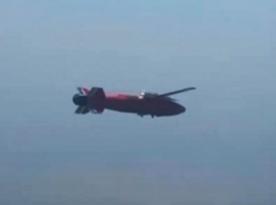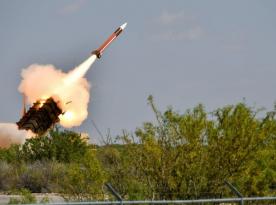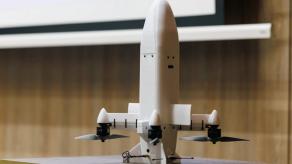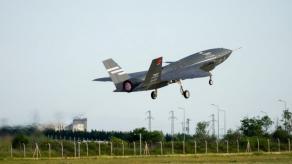



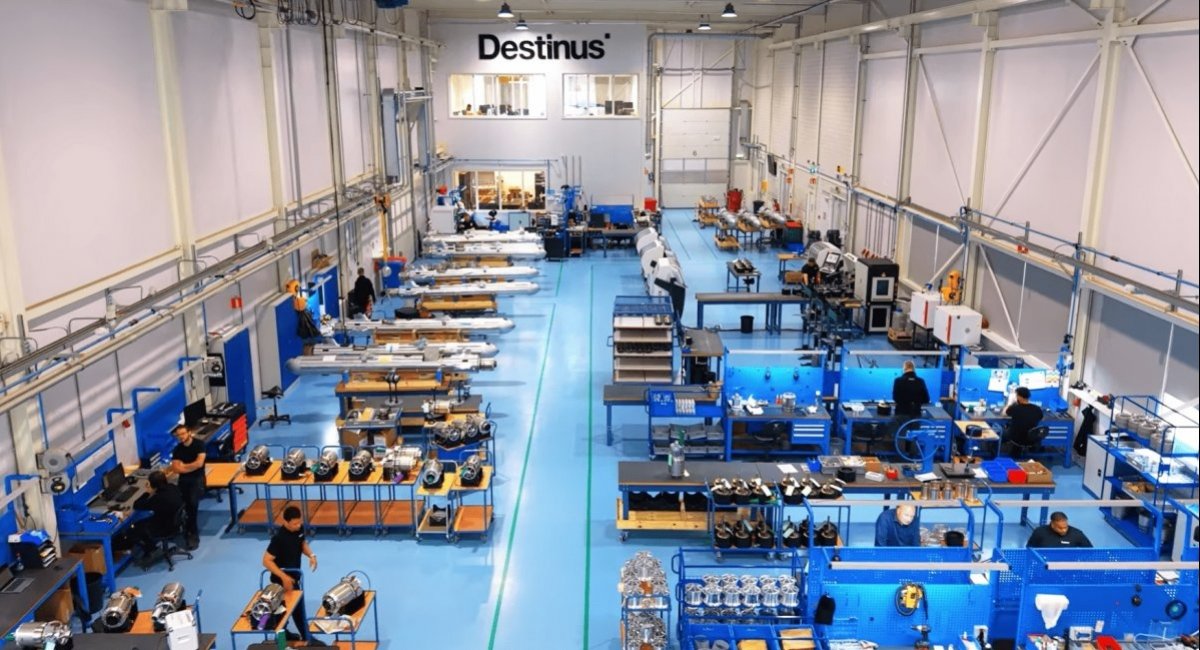
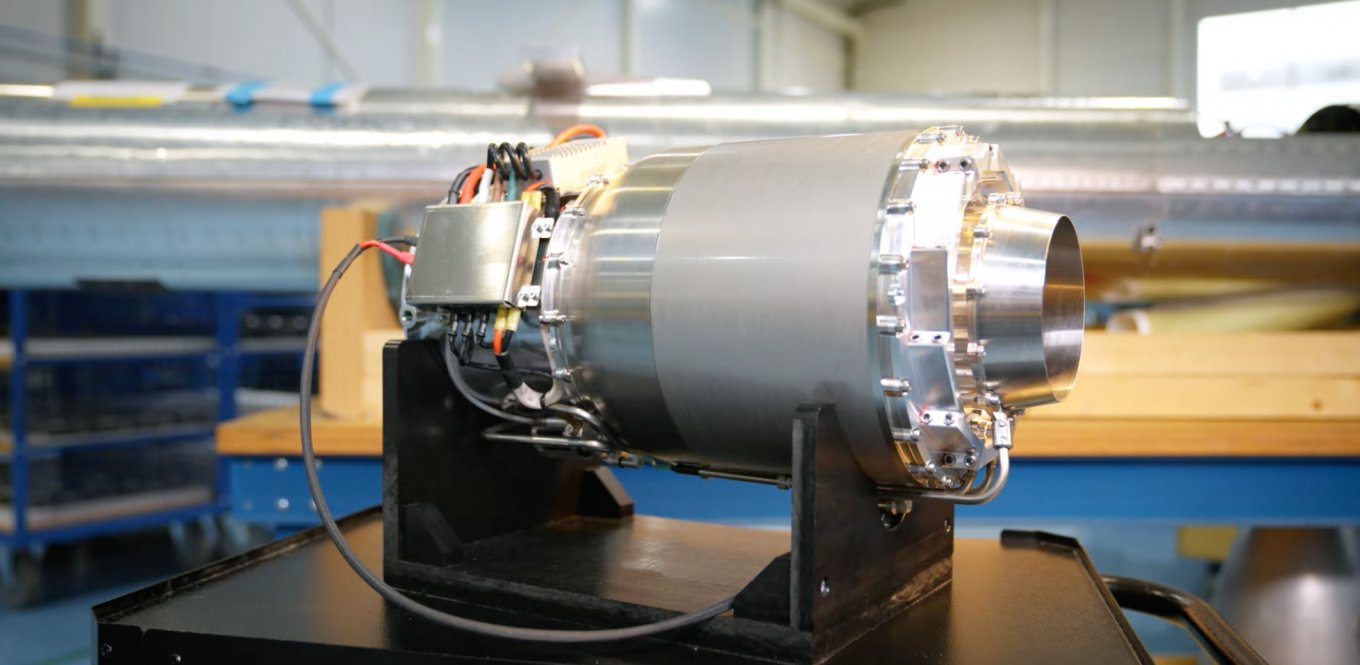
Destinus, a Dutch defense technology company, announced in a press release dated June 18 the production of the 1,000th T150 engine and announced the entry into industrial production of turbojet engines in Europe. This engine is intended for installation on products such as Ruta family cruise missiles, namely B1 (Block 1) and B2 (Block 2) modifications.
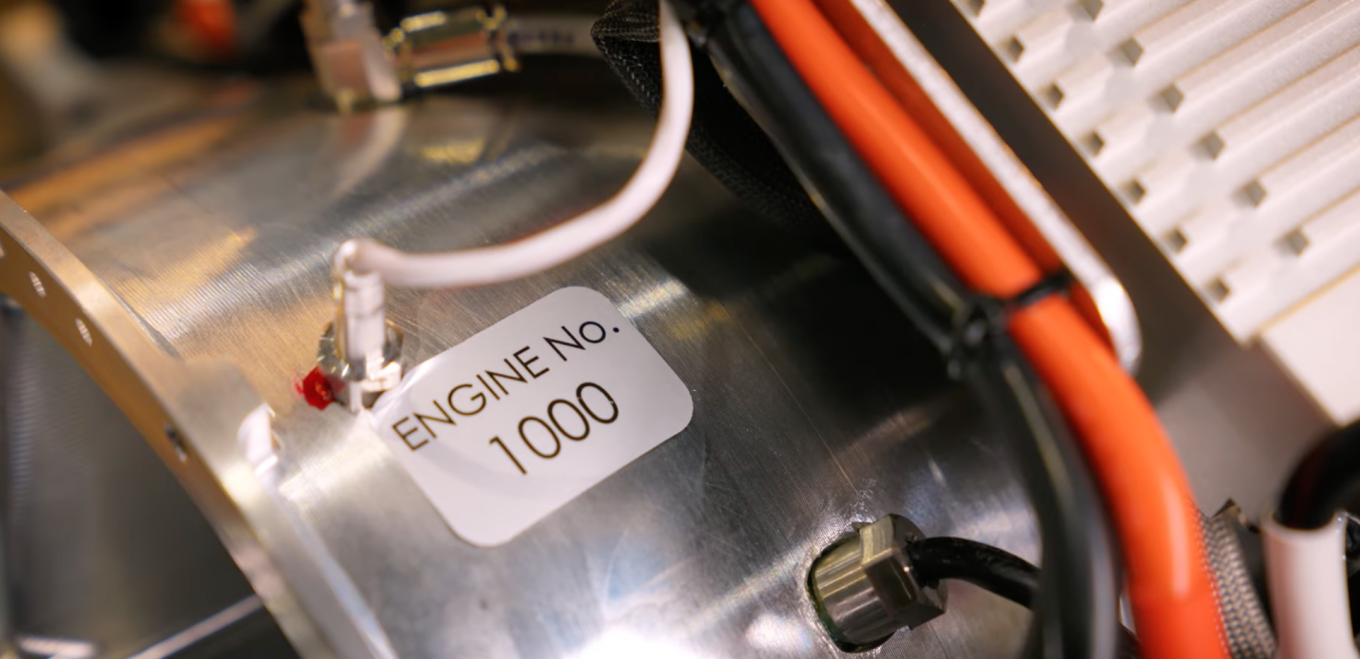
"The milestone strengthens Europe’s ability to produce cruise-class propulsion at an industrial scale," says a message on the company's website. It is noted that this engine was developed from scratch by the company and is manufactured on a production line located in Europe. The share of European components in the engines is not disclosed, nor is it known what the production rate is.
Read more: Capabilities and Specs of Ukraine's Ruta Drone: It May Seem New, But It’s Been Around
As the company's Chief Manufacturing Officer, Sidney Berndt, noted, "it is a European production system that can sustain the production of thousands of missile systems per year." According to the representative of Destinus, “the T150 production line is designed for continuous ramp-up, supporting both current Ruta output and planned capacity expansion, including through the Rheinmetall Destinus Strike Systems joint venture."
From the Defense Express side, we note that the data on the production of T150 engines for Ruta B1/B2 cruise missiles is a positive signal for Ukraine, as it suggests that the company will be able to supply the Ukrainian Defense Forces with Ruta cruise missiles within the framework of the planned order in a fairly short time.
Thus, the other day, the head of the Ukrainian Defense Ministry, Mykhailo Fedorov, announced that the Netherlands is ready to finance the supply of about 700 Ruta cruise missiles, but it is not known which modification. During Fedorov’s visit to the Destinus enterprise, he was shown the Ruta B1 variant.
Recall that recently, Destinus presented the third iteration of the Ruta B3 (Block 3) cruise missiles with the T220 engine, which is already under development. It will have a range of up to 2,000 km, a 250 kg warhead and a thermal imaging homing head. Flight tests of the Ruta B3 are scheduled for 2027.
For comparison, the Ruta B1 has a range of over 300 km and it can carry a payload of over 150 kg, while the Ruta B2 has an increased range of 700 km, as well as a number of other improvements - the use of stealth technologies, the ability to launch from aircraft, etc.
It is not known how many Ruta missiles have been delivered to Ukraine so far. It can be assumed that these are test batches, based on the results of which the company is improving existing versions and developing new ones. It was previously reported that the Ruta has been supplied to the Defense Forces since the beginning of 2024.

If Ruta B1 can really be called a jet drone, then in the Ruta B2 and Ruta B3 versions it is a full-fledged cruise missile. In addition, Destinus, together with Shiled AI, is actively working on integrating the Hivemind combat artificial intelligence into Ruta, so Ukraine may soon be able to strike targets on russian territory with swarms of these missiles under the coordination of the V-BAT reconnaissance drone.
Read more: Moscow Shrouded in Smoke as Ukraine Launches Largest Drone Attack, Hitting Oil Refinery