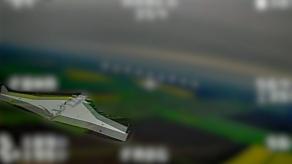
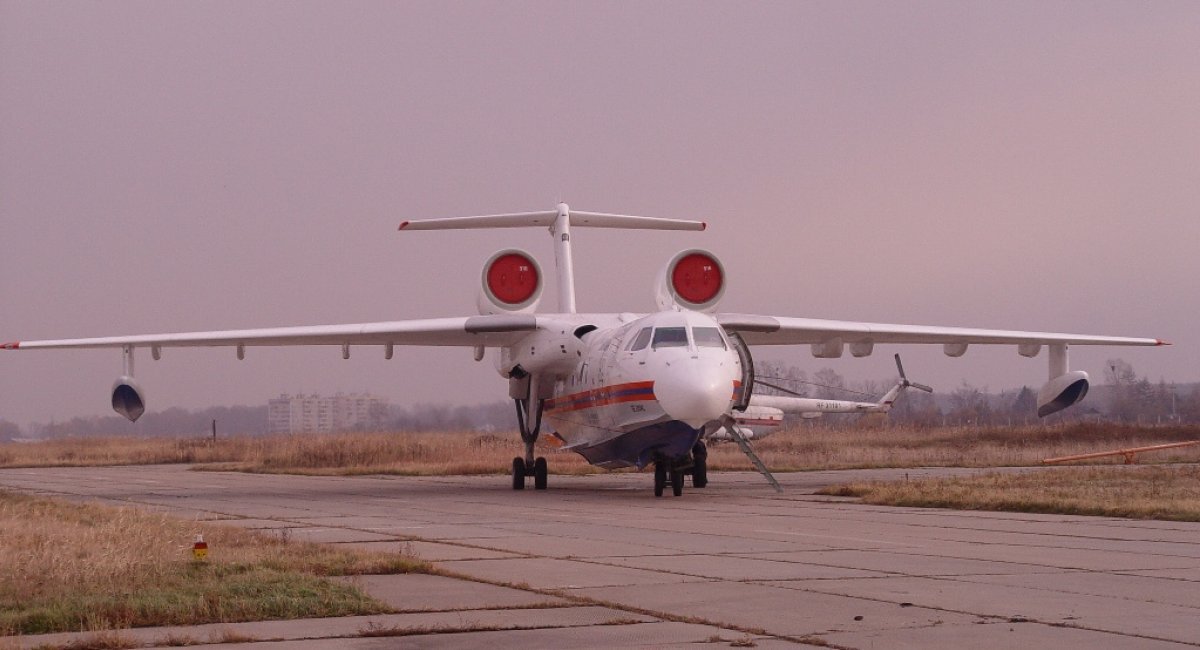
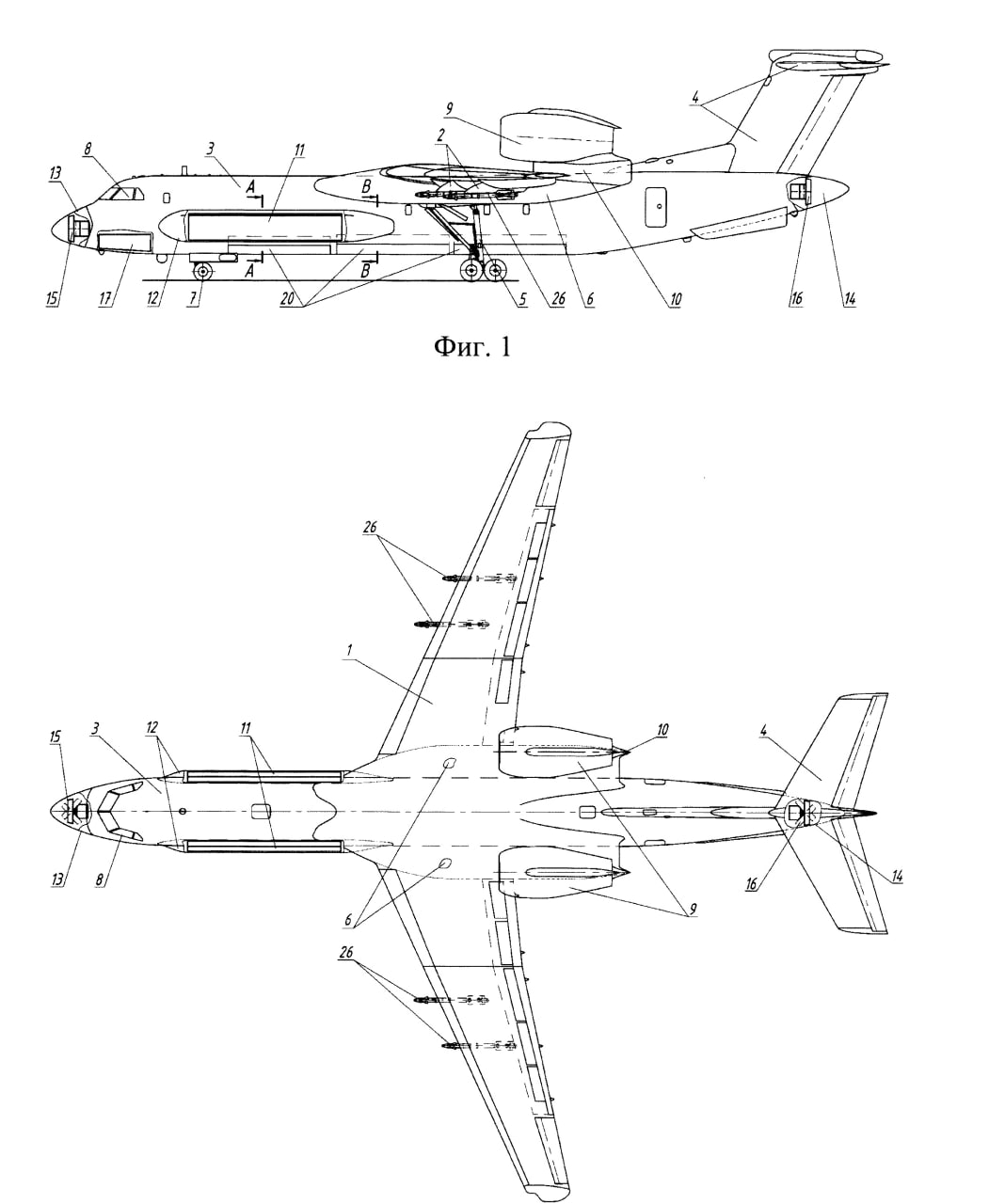
russian designers have not abandoned the idea of producing a new AEW&C platform. They are now working on a concept that would also perform patrol, reconnaissance, and anti-submarine missions. This aircraft closely resembles the Be-200 amphibian, despite the fact that the proposed variant would be unable to land on or take off from water.
The patent was filed by the Beriev Taganrog Aviation Scientific-Technical Complex, the design bureau responsible for the A-50 and the ill-fated A-100 project, which russia ultimately cancelled.
Read more: Restart of russia's A-50 AEW&C Production Faces Delays and Uncertain Future
After repeated failures and further delays in resuming A-50 production, Beriev appears to be shifting its attention to another of its designs, the Be-200 amphibious aircraft. Although nominally in serial production, only 25 units have been built in 25 years.
The program is now struggling even to secure state orders. Existing contracts cannot be fulfilled because Ukrainian engines are no longer available, while the development of russia's own engines, supposedly compatible with the Superjet, remains unfinished. The outlook, therefore, is highly uncertain.
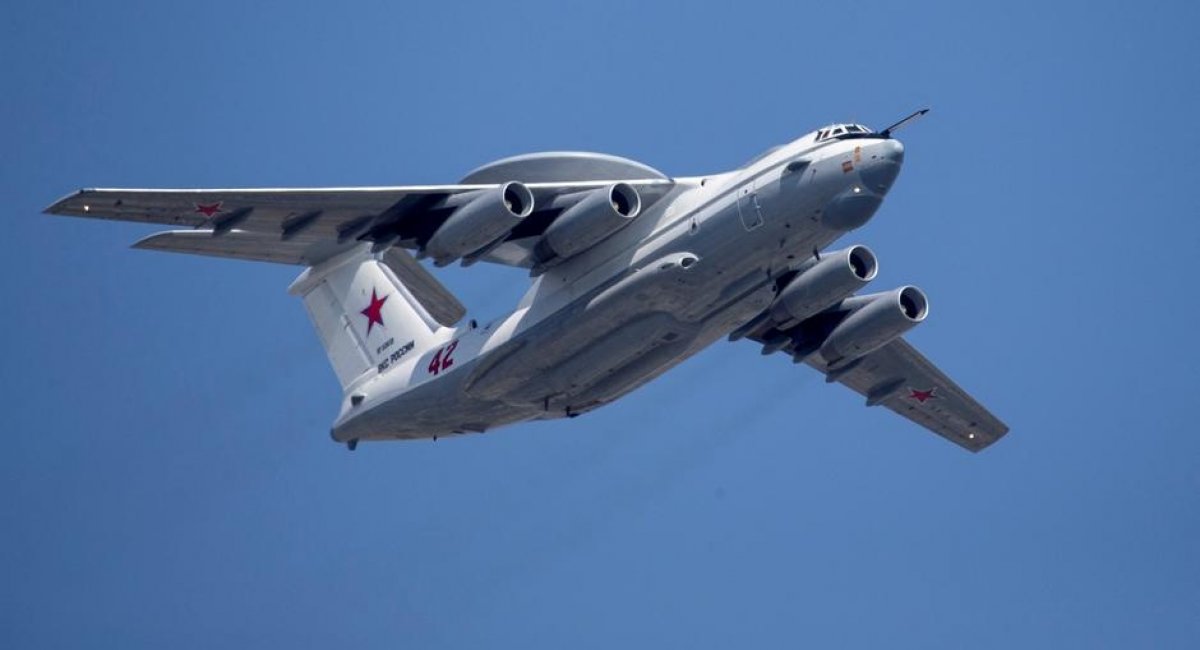
Nevertheless, this has not stopped Beriev from proposing a Be-200-based design, even though the A-100 was built on the much newer Il-76MD-90A airframe, which, despite production delays, is at least manufactured in series. The choice may reflect a desire by Beriev to rely exclusively on its own products.
To make the concept appear viable, the proposal envisions an aircraft combining AEW&C, reconnaissance, patrol, and anti-submarine functions—none of which currently have a replacement in production in russia. Alongside the mission systems, the design includes two internal bays for anti-submarine or missile weapons and four R-73 air-to-air missiles under the wings for self-defense.
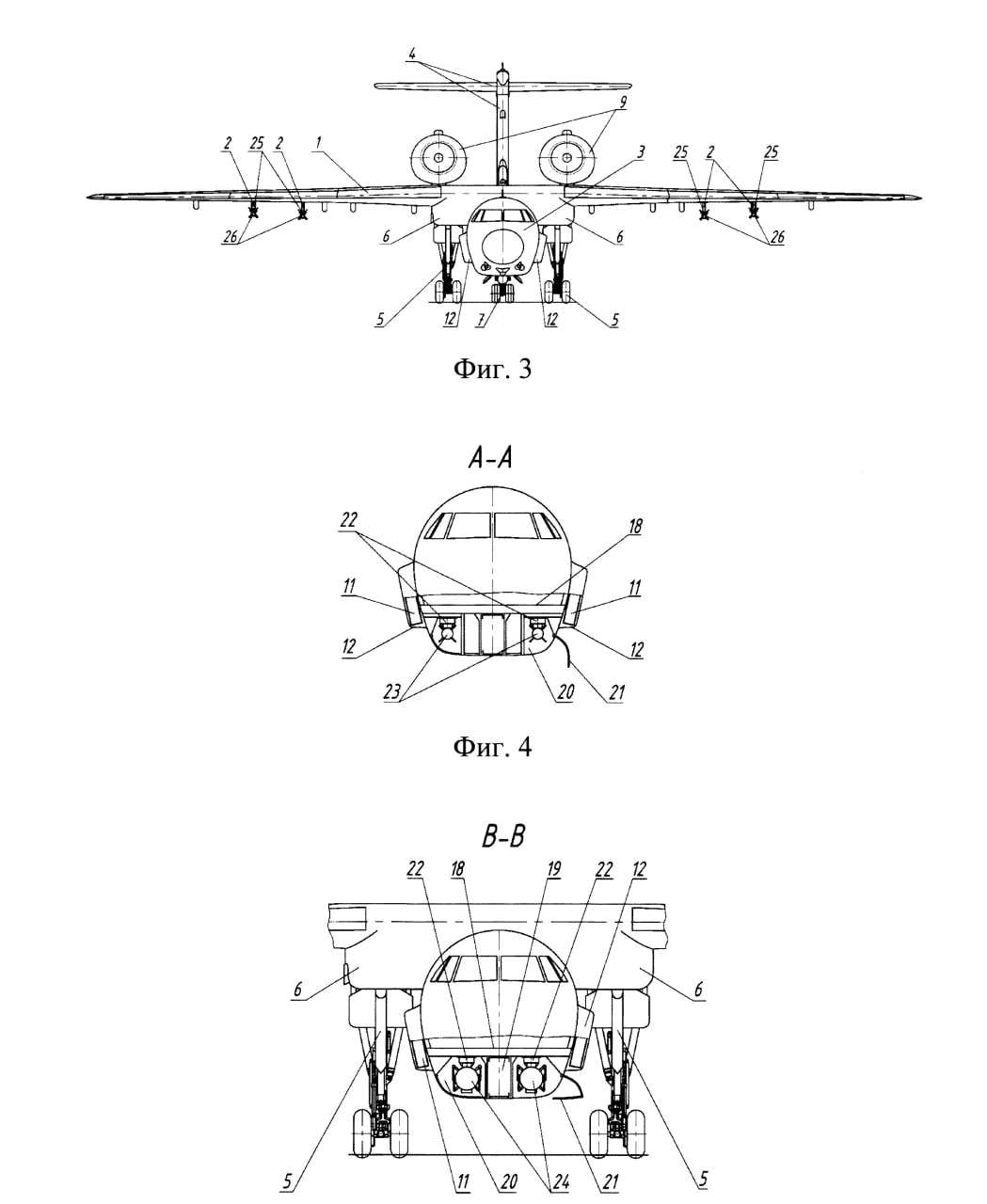
In theory, a single platform can cover such a broad mission set—the European Atlantique (Atlantic) and its successor, the ATL2, are examples. However, in practice, these roles are usually separated to optimize each aircraft for its mission and avoid overburdening a single airframe with the extensive equipment required for such versatility.
Ultimately, it should be noted that this is merely another patent—one that is highly unlikely to ever materialize. This is also because the proposed AEW&C design would not be an amphibious aircraft, while the land-based Be-200T variant has itself remained on paper for many years.
Read more: If russia Halts the A-100 Premier AEW&C Project, What Happens to A-50 Restoration