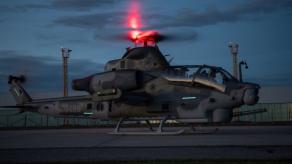



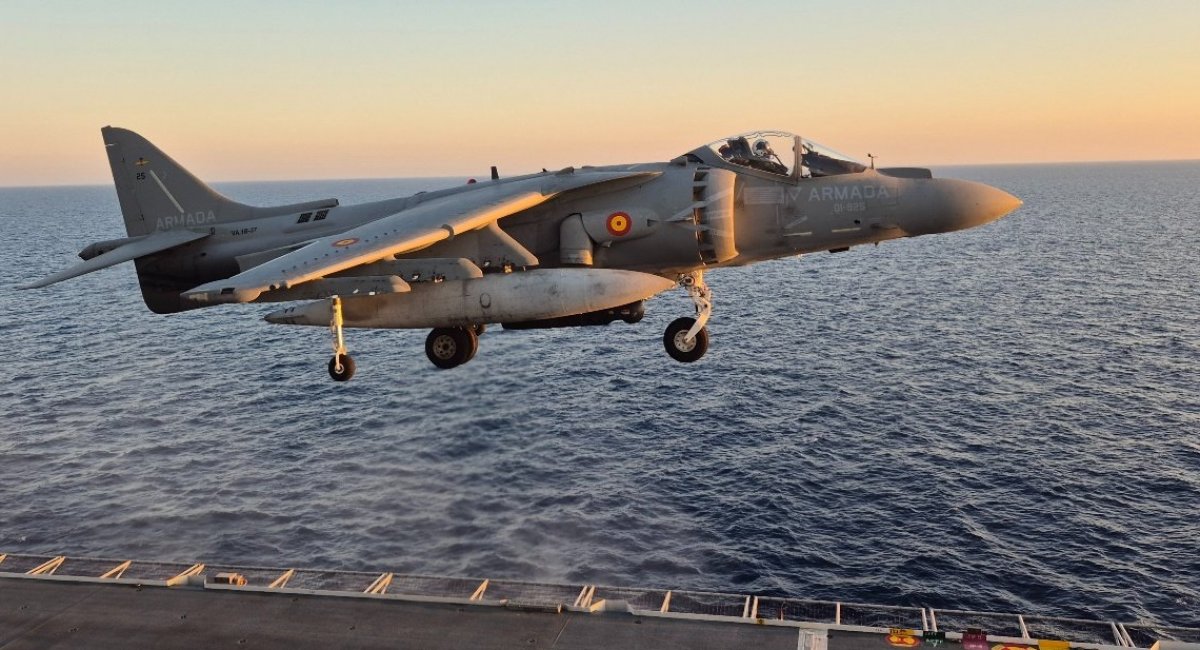
Spain's Navy will continue operating the AV-8B Harrier short take-off and vertical landing strike aircraft until at least 2032. The decision allows the country to retain carrier aviation through continued full operation of the Juan Carlos I and maintain its status as a carrier-capable nation.
The decision was officially confirmed by Secretary of State for Defence Maria Amparo Valcarcel Garcia during a session of the parliamentary defense committee, as reported by Zona Militar. To sustain AV-8B Harrier operations through 2032, an appropriate quantity of spare parts has been procured and the capacity of domestic industry has been strengthened.
Read more: Britain Signs £36M LMM Deal After Using Missile to Down 100+ Drones in Middle East
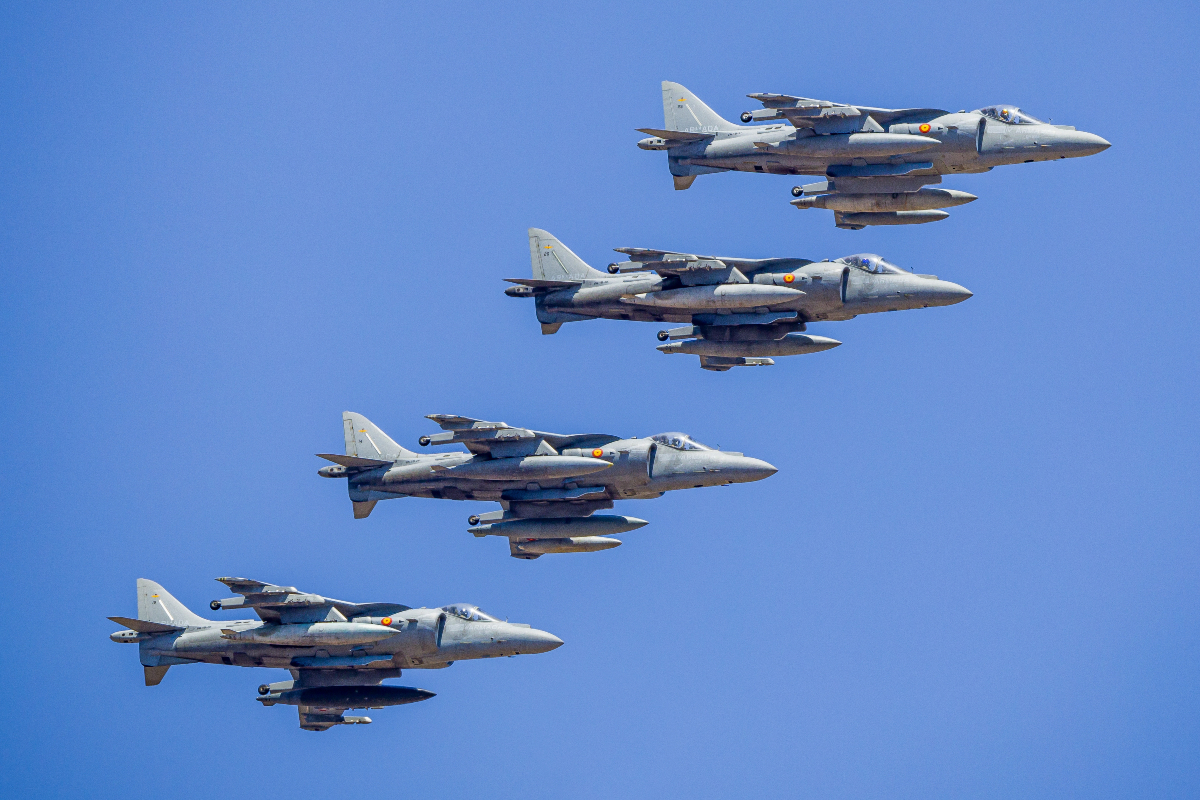
Defense Express notes that Spanish aviation industry faces a far from straightforward challenge. By 2032, the AV-8B Harrier will be 45 years old, a very advanced age for a strike aircraft under any circumstances. In the Harrier’s case, however, the situation is considerably more precarious, as it is a carrier-based vertical take-off and landing platform subject to far more demanding structural requirements than land-based aircraft, as well as significantly greater operational stress in an aggressive maritime environment.
Keeping Spain's AV-8B Harriers, received in 1987–1988, not merely airworthy but combat-ready is therefore no trivial undertaking. Spain will soon be the type's sole operator, with the U.S. Marine Corps retiring its last Harriers in 2026, after which Italy will follow suit.
While the U.S. and Italy are replacing the AV-8B Harrier with the F-35B, that option is not available to Spain at least under its current foreign policy course. Madrid’s relationship with Washington has deteriorated significantly over security-related disagreements: Spain is not spending 5% of GDP on defence and has no intention of doing so, and has barred the U.S. from using the Moron and Rota bases as well as Spanish airspace for strikes against iran.
The F-35B is, meanwhile, the only fighter in series production capable of operating from the Juan Carlos I, which was ordered in 2003 and specifically designed around the aircraft. That ship, which joined the Spanish Navy in 2010 at a cost of €462 million, effectively loses its status as a fully capable combat unit without embarked fixed-wing aircraft.
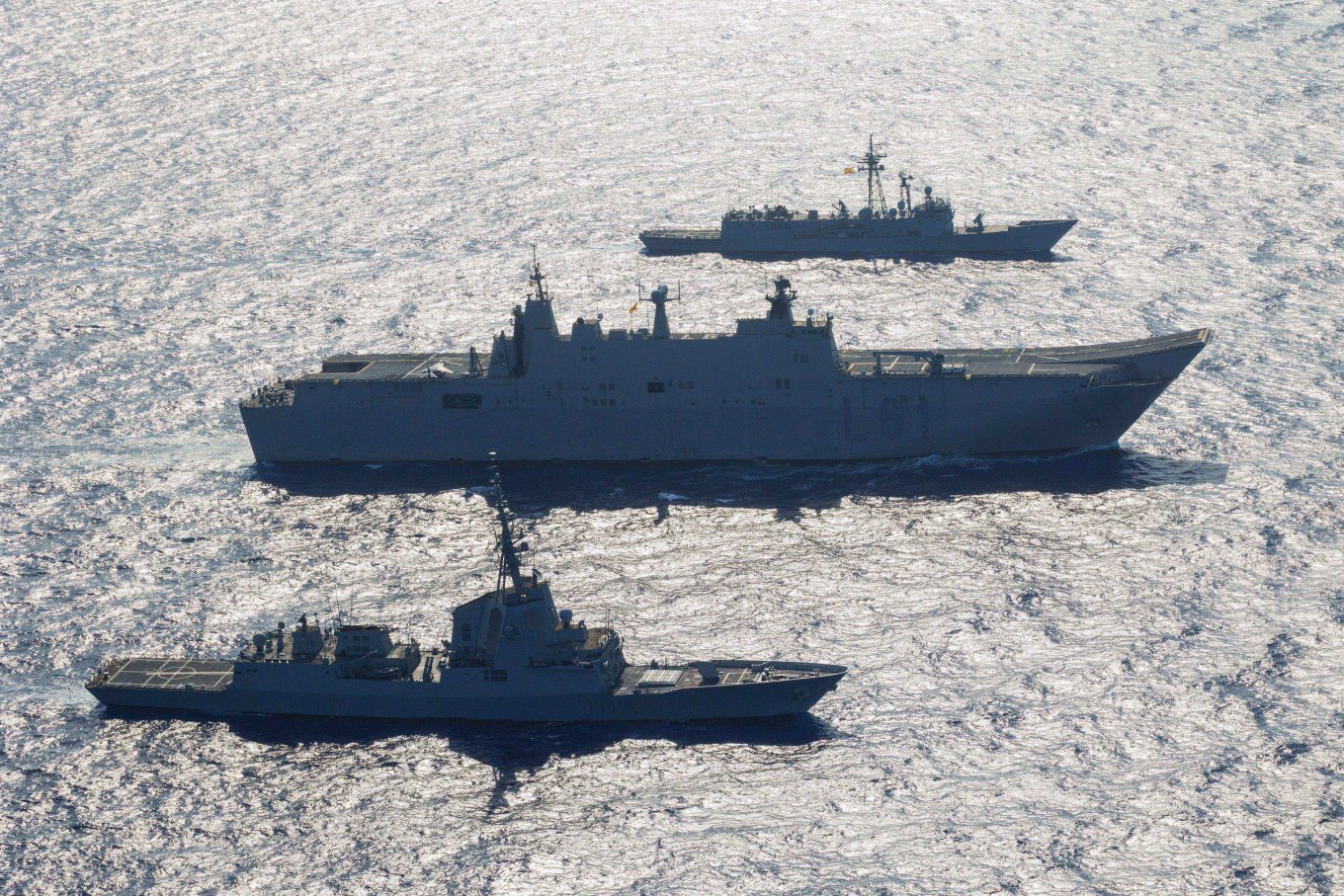
Spain has no real alternative, it is caught in an F-35B trap. Its options are limited to keeping the AV-8B Harrier flying for as long as possible in the hope that relations with the U.S. improve, or building a new carrier capable of operating catapult-launched aircraft such as the Rafale and, in the future, FCAS, if that programme materialises in one form or another.
The Spanish Navy's vision does include acquiring a full-sized carrier by around 2040, which means the timeline needs to accelerate. Even a several-year gap in full Juan Carlos I operations could mean the end of Spain's carrier aviation competencies, precisely the outcome Madrid is trying to prevent by keeping the Harrier in service against all odds.
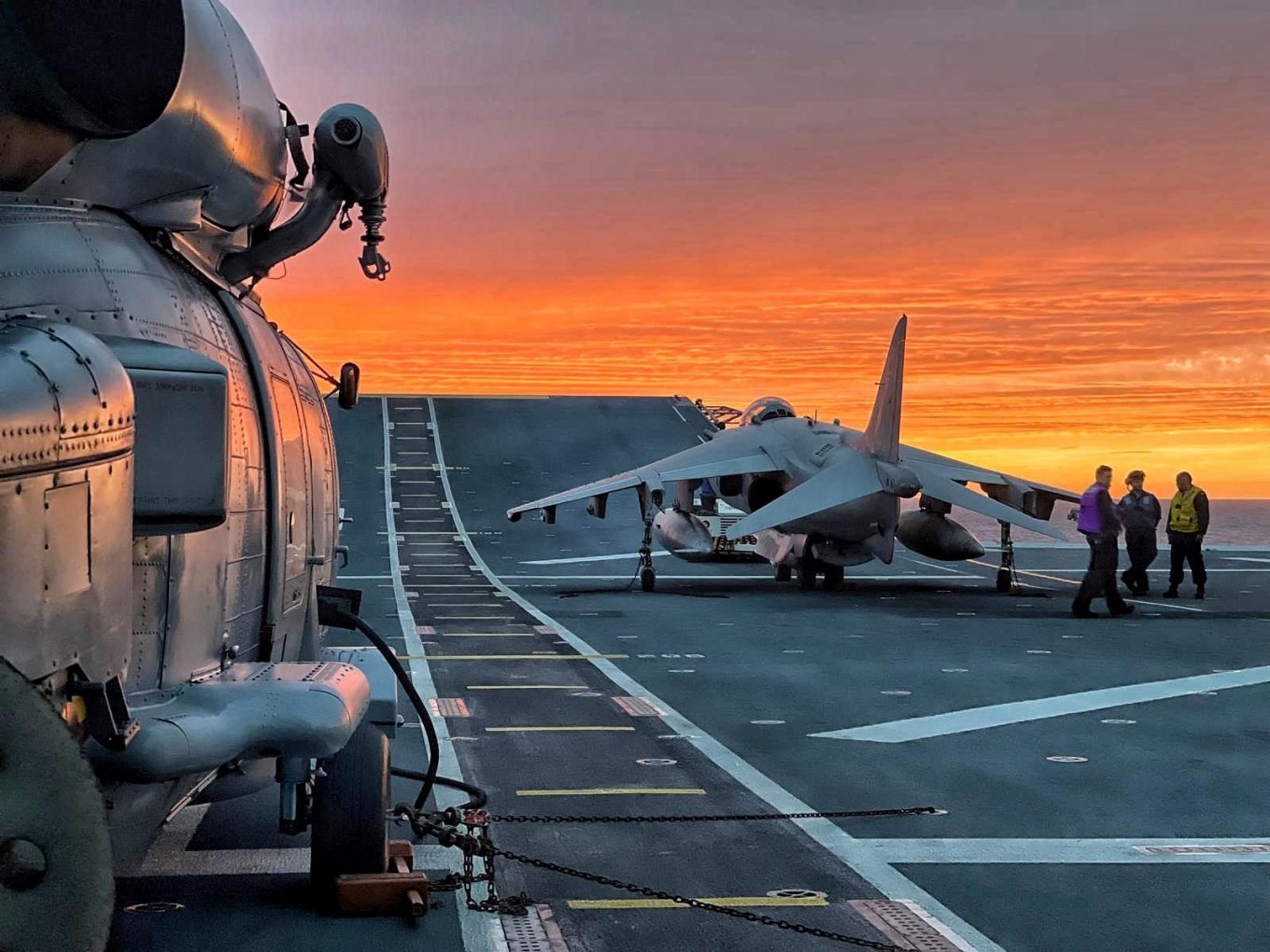
It is worth noting that this same argument, the risk of losing institutional competency, was invoked by France's Ministry of Defense when parliament began discussing a possible delay to the new PANG carrier programme.
Then-Defense Minister Sebastien Lecornu warned that a four-to-five year pause would trigger a brain drain, erosion of expertise, and loss of real-world experience, effectively requiring carrier aviation to be relearned from scratch. The possibility of deferring the new carrier was dropped after that, and construction of the vessel named France Libre was ultimately approved.
Read more: U.S. F-15E Fighter Jet May Shot Be Down in Iran by a Chinese MANPADS, While Radar Supplied by China Helped Detect F-35