

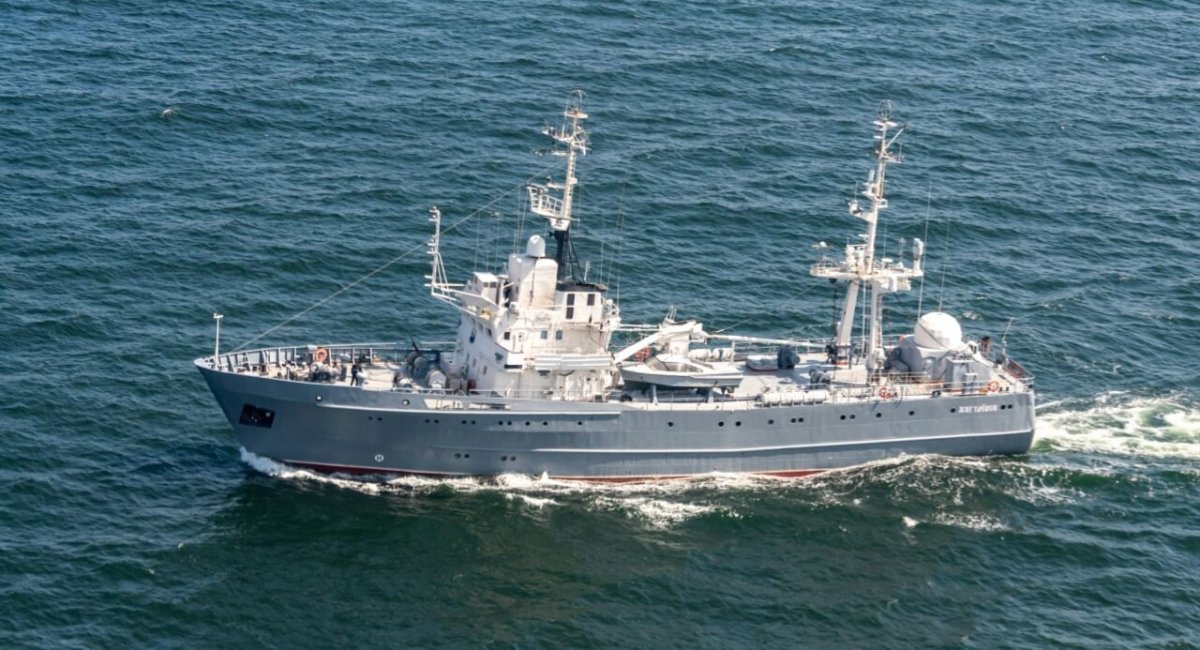

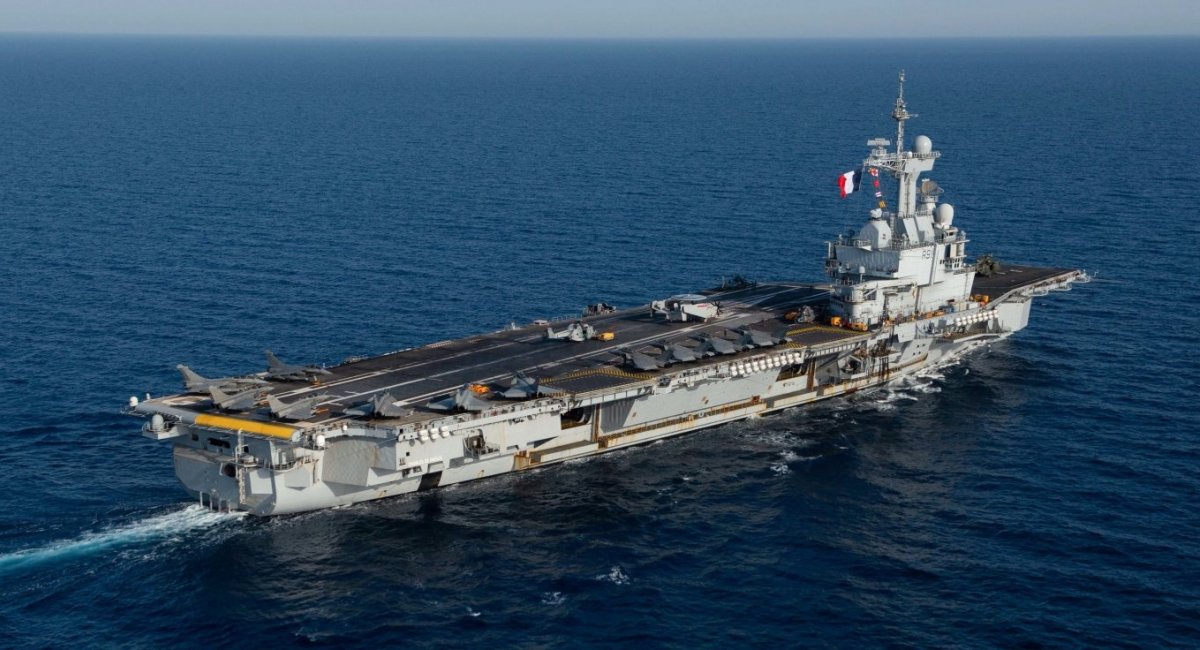
In late February 2026, russia staged another provocation against Europe: the Baltic Fleet Zhigulevsk spy ship launched a drone that flew toward the anchorage in Sweden where the Charles de Gaulle nuclear-powered aircraft carrier, the flagship of the French Navy, was located.
The incident occurred on February 26, while Sweden's Ministry of Defence officially announced it the following day, on February 27.
Read more: russia's Drone Caught Spying on France's Only Aircraft Carrier — Details Revealed
The episode was widely covered in the press, and Defense Express has already reported on it in a separate publication. However, several less obvious details deserve closer attention.
First of all, this may be the first, or at least one of the first known cases in which Western militaries:
- immediately identified the source of the threat in an incident involving a reconnaissance drone flying toward military facilities;
- managed to neutralize that threat in advance.
For comparison, one can recall an incident from January 2026 in Germany, where authorities failed to protect the Arrow 3 missile defense system, designed to intercept russia's Oreshnik missile, from three unidentified drones.
The Zhigulevsk spy ship entered the 12-nautical-mile zone (about 22 kilometers) of Sweden's territorial waters. The drone launched from the vessel was neutralized seven miles (approximately 12 kilometers) from the anchorage of the Charles de Gaulle aircraft carrier.
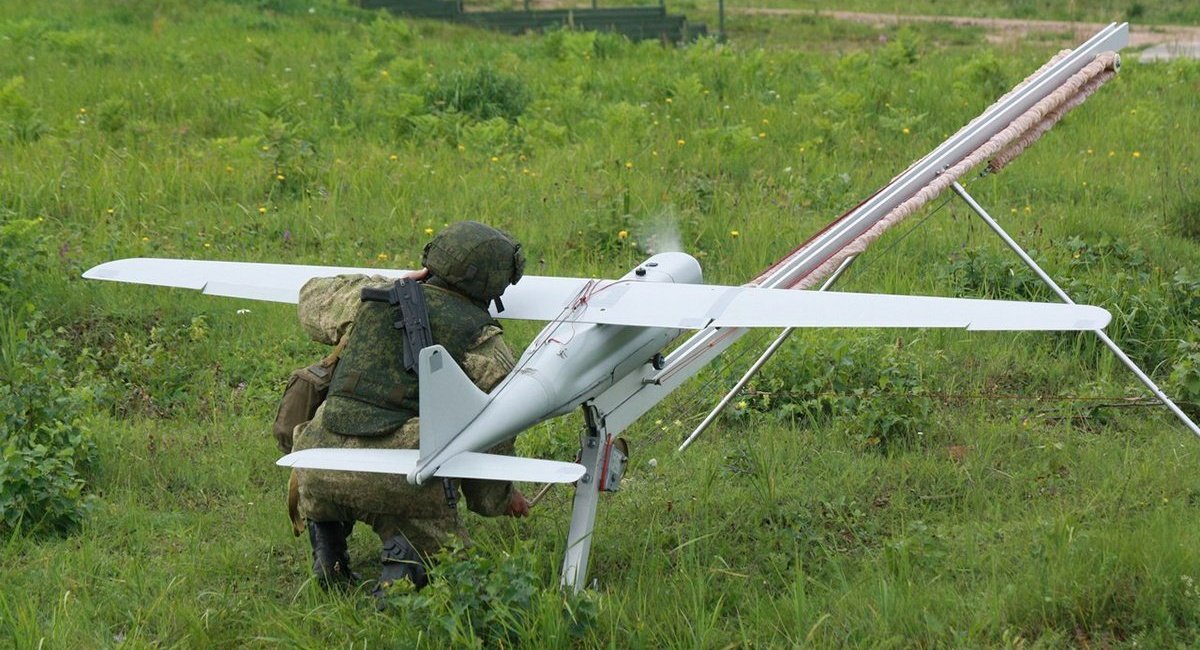
Such a distance could have been covered either by a fixed-wing reconnaissance UAV, for example an Orlan-10, or by an FPV drone.
The Zhigulevsk ship belongs to Project 503R. The vessel is 53.7 meters long and 10.7 meters wide, with a full displacement of 1,137 tons, an endurance of up to 25 days, and a crew of 24. In theory, a ship of this size could accommodate a launcher for systems such as the Orlan-10.
Project 503R intelligence vessels were developed on the basis of Project 503 Alpinist fishing trawlers. However, russian Navy reconnaissance ships of this project can be distinguished by their characteristic gray paint scheme.
Putting all these details together reveals the key point. A russian intelligence vessel approached to within just 22 kilometers of the coast of Sweden, a NATO country, launched a drone, and the UAV was neutralized only about 12 kilometers from shore.
This suggests that russia has refined the practice of launching drones from vessels belonging to its so-called shadow fleet for provocations against European countries. The next step appears to have been an attempt to launch a UAV directly from a military ship.
Such aggressive reconnaissance activity may be one of the indicators that russia is preparing for a potential large-scale confrontation with the European segment of NATO. This is the most important conclusion from the incident described above.
Ivan Kyrychevskyi, serviceman of the 413th Raid Regiment of the Unmanned Systems Forces of Ukraine and weapons expert at Defense Express.
Read more: russia's Second Oreshnik Strike Wasn't About Ukraine, It Was Testing How NATO's Arrow 3, Aegis Track Missiles