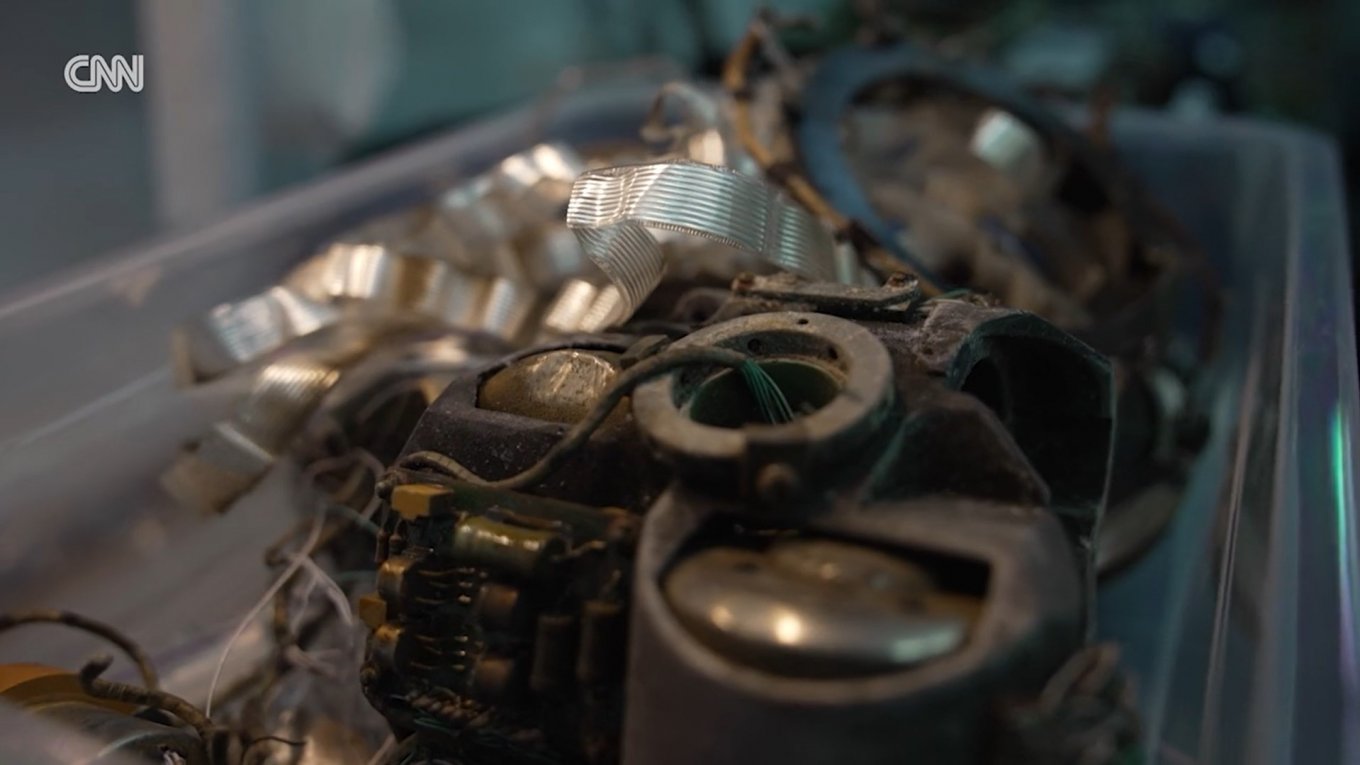
After specialists from the Kyiv Scientific Research Institute of Forensic Expertise publicly examined debris from the russian Oreshnik intermediate-range ballistic missile and revealed a "microcircuit" containing a vacuum tube, the actual state of russia's so-called "military electronics" became difficult to deny. In response, russian sources rushed to provide a familiar justification, once again framed as an "analog-free" technological choice.
According to this narrative, vacuum tubes were allegedly used to ensure resistance to the electromagnetic pulse of a nuclear detonation, which is claimed to disable all semiconductor electronics.
Read more: russia's Second Oreshnik Strike Wasn't About Ukraine, It Was Testing How NATO's Arrow 3, Aegis Track Missiles

In reality, this explanation merely revives a long-standing Soviet myth that once served to mask the USSR's critical technological lag. The claim that Soviet military electronics relied on vacuum tubes to survive nuclear warfare proved remarkably persistent and outlived the Soviet Union itself by decades.
The truth is more nuanced. If a complex electronic system is built entirely on vacuum tubes rather than semiconductors, it can indeed be highly resistant to EMP. At the same time, such a system would be roughly the size of a cabinet, consume vast amounts of power, and generate significant heat. It would also have to consist almost exclusively of vacuum tubes. That means no processors, no solid-state memory, no microcontrollers, and not even MOSFETs or similar components. In addition, long wiring runs, ribbon cables, and other vulnerable connections would need to be avoided.
Modern microelectronics exists precisely because of transistors and semiconductor technology. Crucially, vacuum tubes are far from the only, or even the most practical, way to achieve resistance to electromagnetic pulses. EMP-hardened systems rely on a broad range of measures, including shielding, signal filtering, hardened layouts, and specialized materials such as sapphire substrates, including silicon-on-sapphire technology.
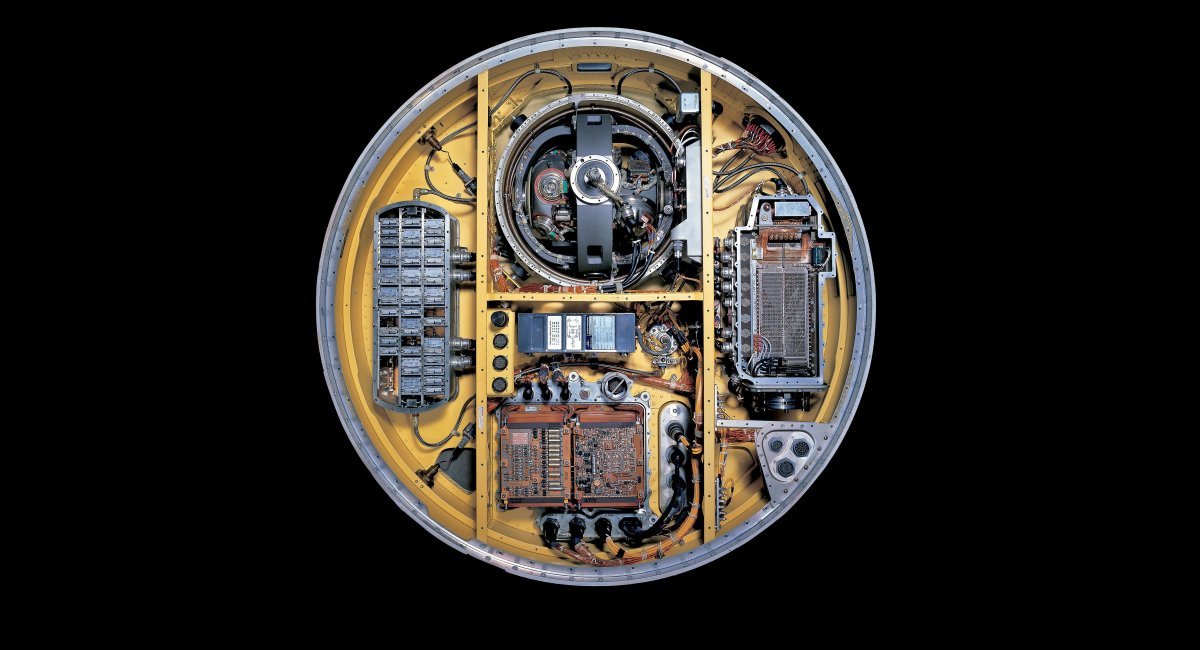
A clear historical counterexample can be found in how the United States addressed this challenge in the 1960s while developing a protected guidance system for the Minuteman III intercontinental ballistic missile. The Minuteman III entered service in 1970 and remains operational today.
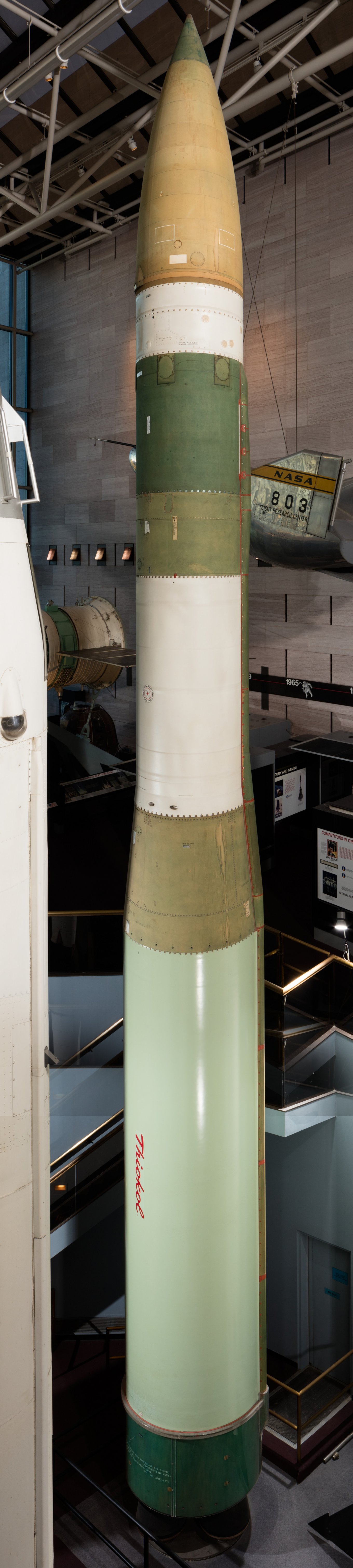
Its guidance unit, incorporating an inertial navigation system and apparently representing one of the early versions, is currently on display at the U.S. National Air and Space Museum.
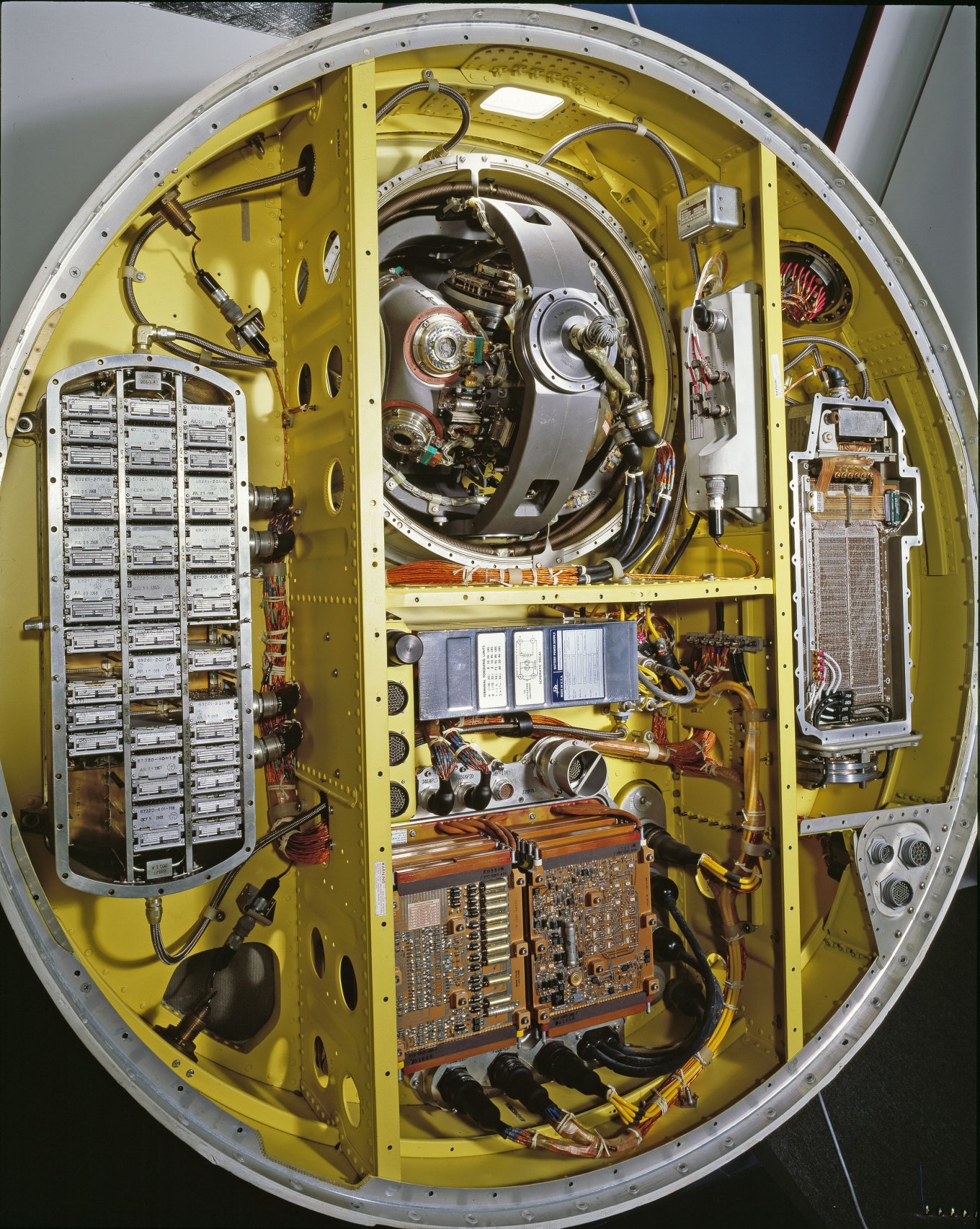
The Minuteman III was equipped with an onboard digital computer built on early integrated circuits. This computer stored and calculated the missile's flight trajectory, enabling rapid retargeting prior to launch.
By 1977, this system had been declassified and transferred to a museum. No vacuum tubes are visible in its hardware—yet its ability to function in a nuclear environment was ensured.
Read more: Oreshnik IRBM in "Kinetic Version": How Effective Is It and What Is Its Power?