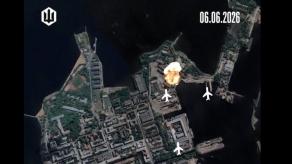



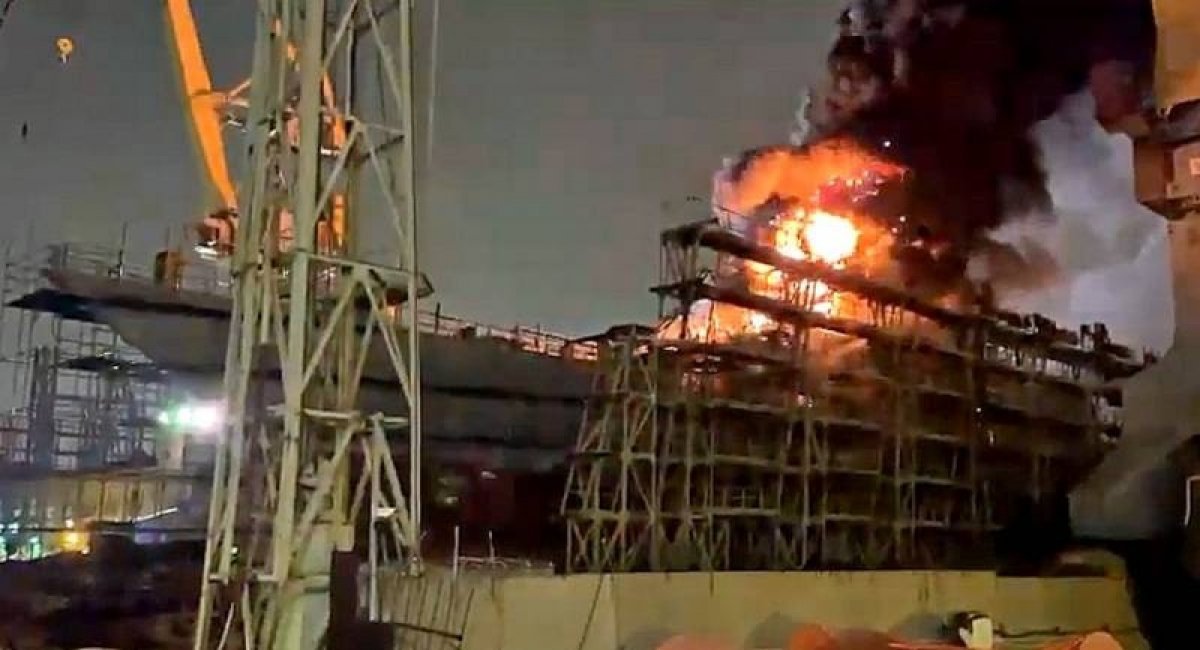
The successful strike carried out by Ukraine's Unmanned Systems Forces against the russian Baltic Fleet Boykiy corvette while it was undergoing repairs in a dry dock at the Kronstadt Marine Plant may have effectively destroyed the vessel.
This assessment is based on high-resolution satellite imagery released by Vantor and subsequently published online.
Read more: Ukrainian Drones Strike russian Boykiy Corvette in the Baltic Fleet Base (Video)
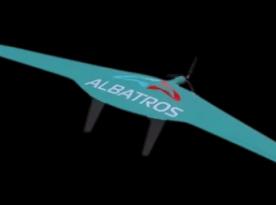
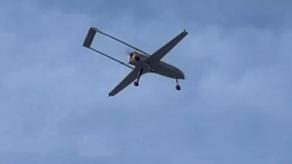
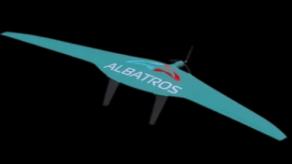
The available images show the corvette during firefighting operations after it was struck by Ukrainian FP-1 drones. Depending on the variant used, these drones are believed to carry warheads weighing approximately 60 kg or more than 100 kg. The fire appears to have been severe enough that emergency crews immediately began dousing the vessel from multiple hydrants, while ladders were positioned alongside the ship to support firefighting efforts.
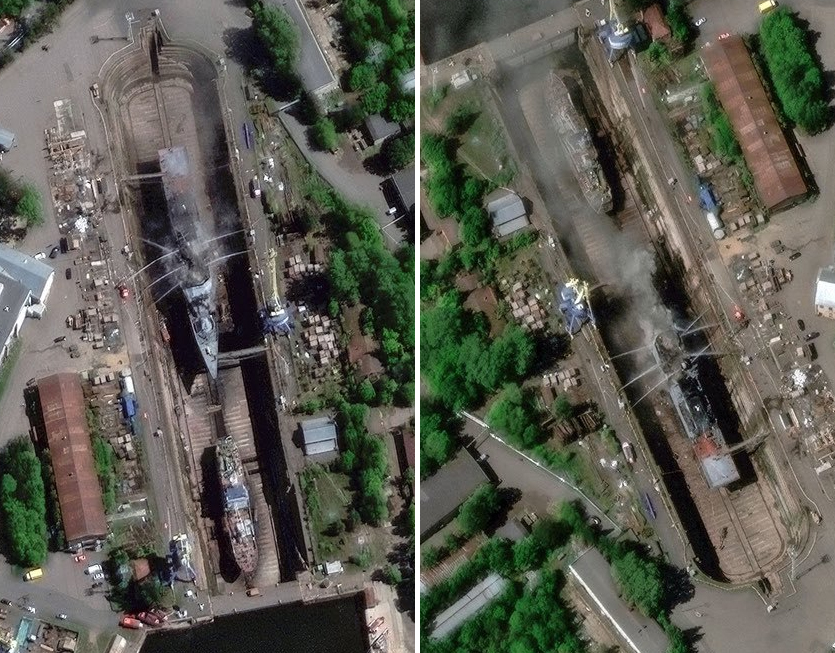
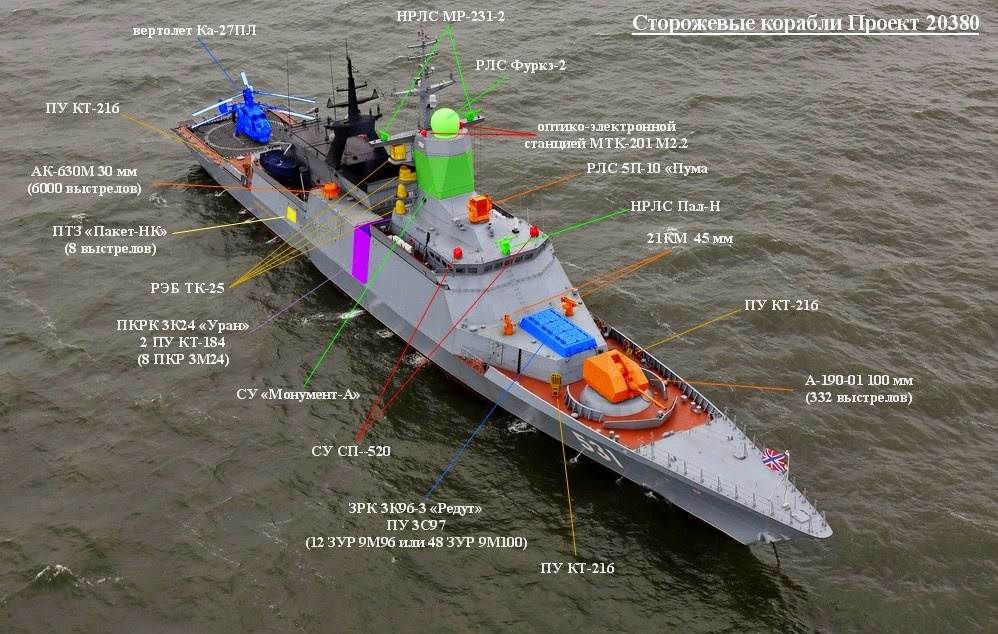
The impact appears to have occurred near the center of the ship, in the area of the bridge and mast structure. This section contains many of the Project 20380 corvette's most important electronic systems, including the Furke-2 air-search radar, the Monument-A missile-targeting radar, MR-231-2 navigation radars, the TK-25 electronic warfare suite, and artillery fire-control equipment.
The second image suggests that part of the bridge roof may have collapsed. Such damage would be consistent with both the apparent impact location and the effects of prolonged exposure to high temperatures. Steel rapidly loses strength when heated, while composite materials, which were used in portions of the vessel's superstructure, are generally even more vulnerable to intense fire.
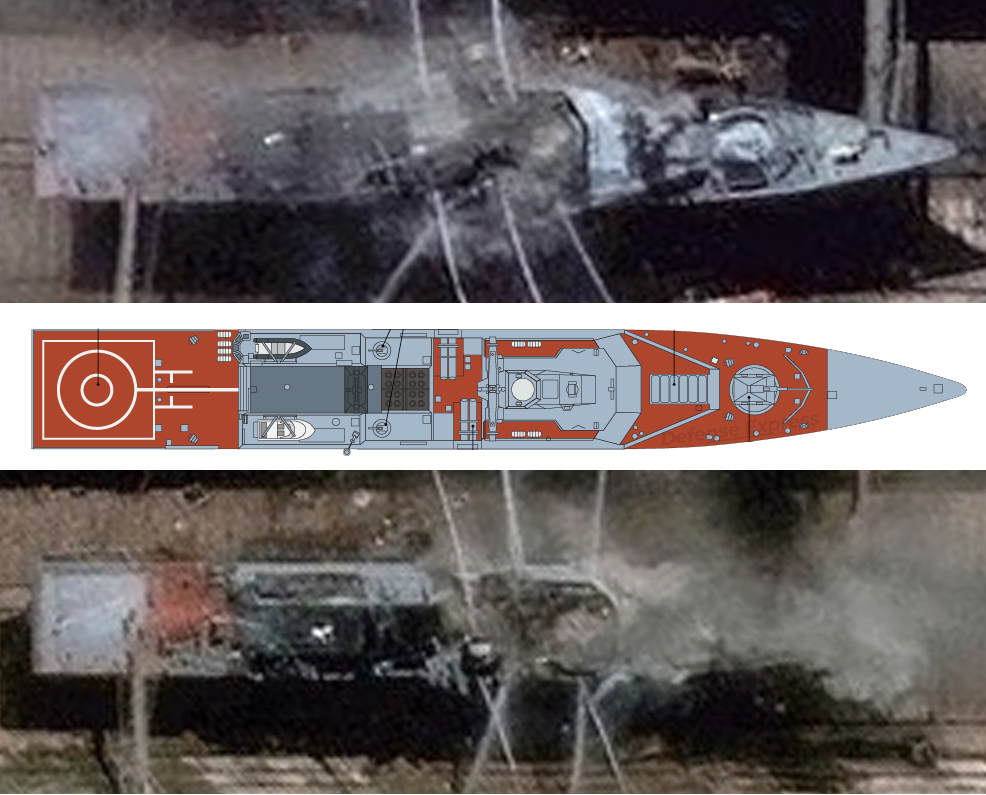
In practice, the fire likely caused more damage than the blast and fragmentation effects of the drone warheads themselves. Fires aboard warships are particularly destructive because flames, heat, and smoke can spread through cable trunks, ventilation shafts, and internal passageways, affecting systems far beyond the initial point of impact.
Another important factor is that Boykiy was located in a dry dock. During maintenance and repair work, watertight doors and compartment barriers are often left open, allowing fire to spread more easily throughout the ship. In addition, automatic firefighting systems may be partially disabled or unavailable during repairs.
The firefighting effort itself can also inflict extensive damage. Large quantities of water used to extinguish a blaze can flood electrical equipment, sensors, combat systems, and wiring. Water penetration into internal compartments further accelerates corrosion of structures that may already have been weakened by heat.
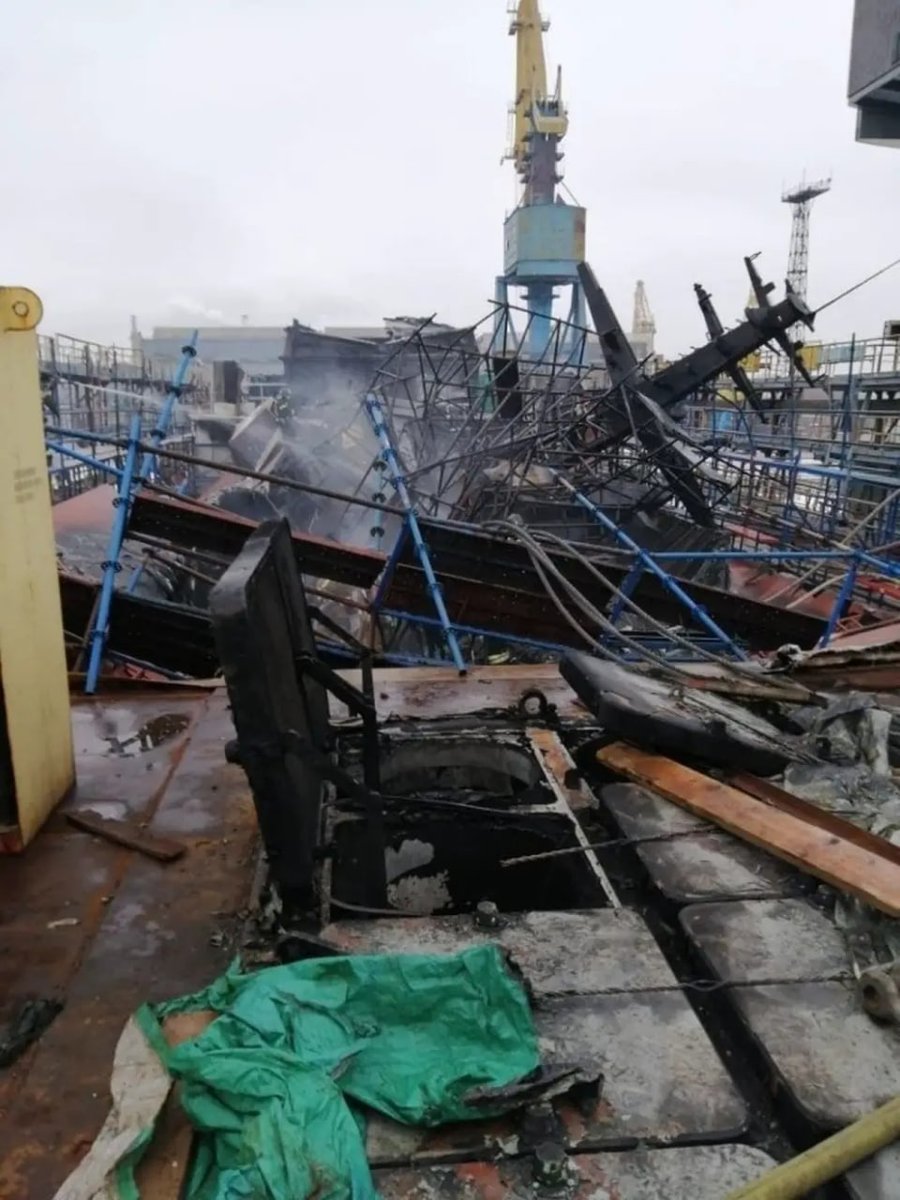
A useful comparison can be made with the russian Provornyy corvette, a Project 20385 vessel derived from the Project 20380 design. On December 17, 2021, Provornyy suffered a major fire while under construction at Severnaya Verf shipyard in St. Petersburg. Like Boykiy, the ship was in dry dock, and the fire originated around the bridge and mast structure.
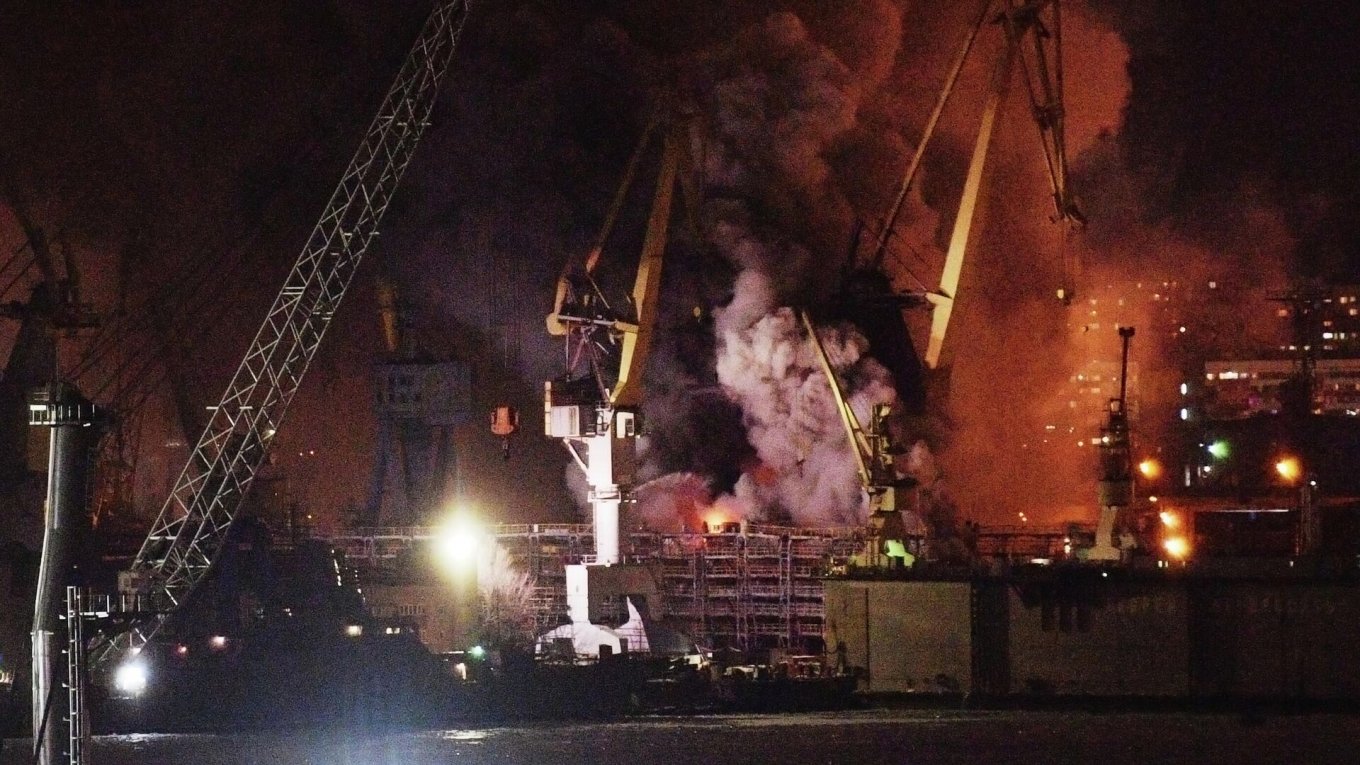
The blaze burned for roughly 20 hours and caused catastrophic damage. Unofficial estimates placed the losses at approximately 22 billion rubles, compared with a total vessel value of around 30 billion rubles, equivalent to roughly $300 million and $400 million respectively at the time.
russian authorities eventually chose to rebuild the ship. The damaged superstructure was removed and replaced, and the vessel was initially expected to enter service by 2024. However, despite years of repair work, Provornyy has yet to become operational.
Given the extent of the apparent fire damage, the location of the strike, and the lessons from the Provornyy case, there are strong reasons to believe that Boykiy may have suffered damage severe enough to render restoration economically impractical. Even if the hull itself survived, returning the corvette to operational service could require years of work and costs approaching those of building a replacement vessel.
Read more: Why Ukraine's Strike on Kronstadt May Matter More Than Fire at St. Petersburg's Oil Terminal