


Ukraine's Defense Forces have been steadily disrupting russian logistics using drones equipped with advanced AI algorithms, including the Hornet system. That pressure appears to be pushing russian troops toward increasingly unconventional solutions.
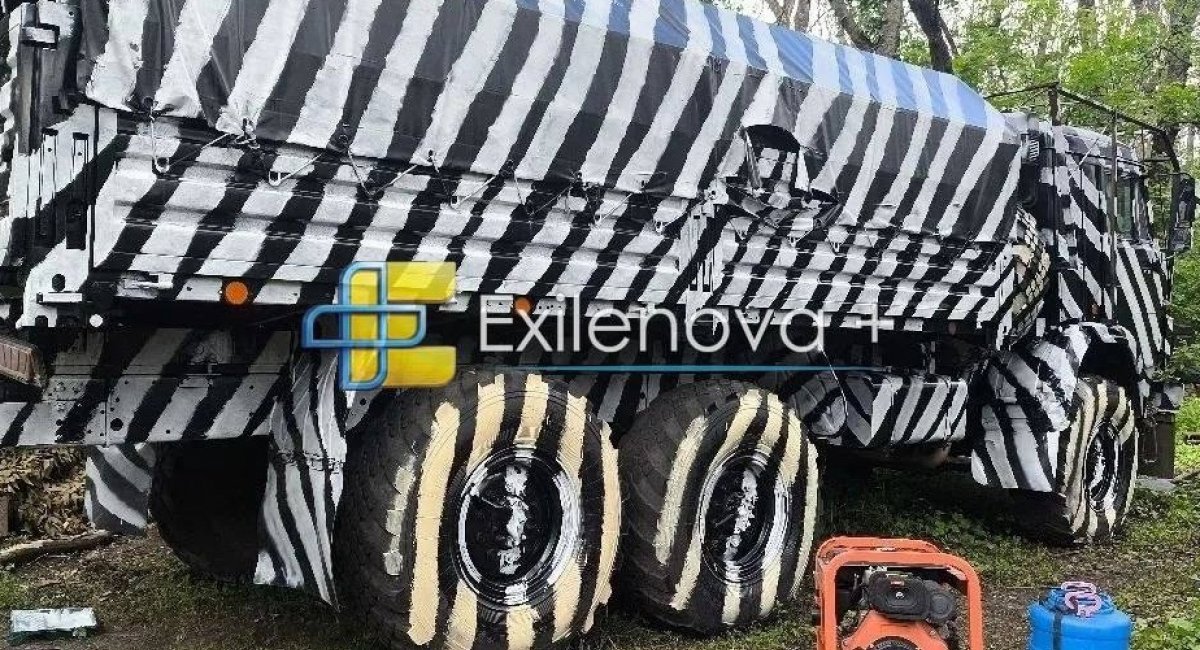
A photograph recently surfaced online showing a russian military KamAZ truck painted in a highly unusual pattern. At first glance, it resembles an attempt to imitate a zebra's stripes. In reality, it appears to be an effort to recreate so-called dazzle camouflage.
Read more: How Many Pantsir Systems Has russia Placed on Moscow Rooftops to Protect Kremlin From Ukrainian Drones
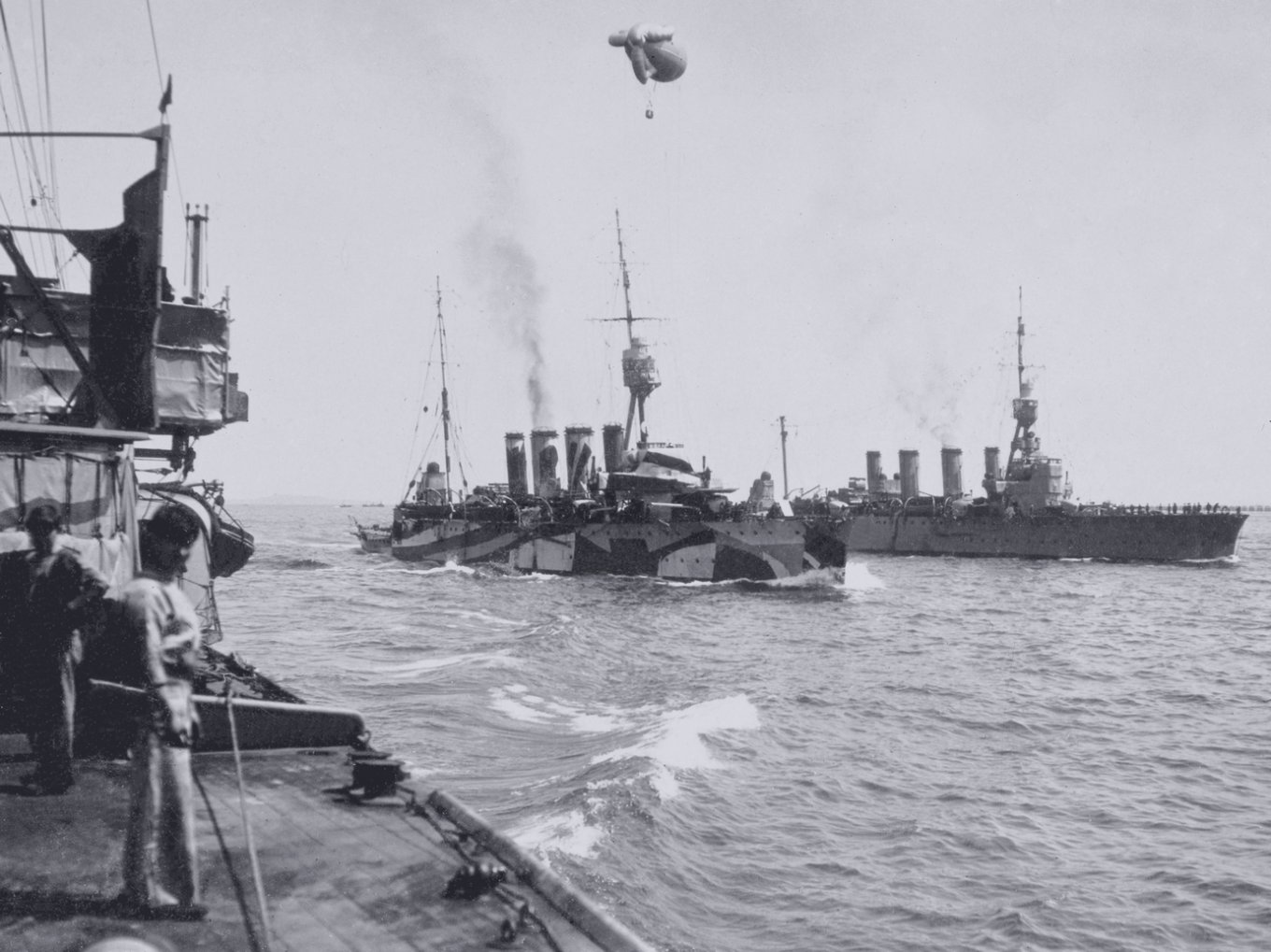
Dazzle camouflage was a highly specialized form of naval camouflage developed during World War I. It consisted of large, brightly colored, asymmetrical geometric shapes designed to break up a ship's recognizable outline. A famous 1918 photograph of several Town-class light cruisers demonstrates the effect particularly well.
Unlike conventional camouflage, which is intended to conceal an object, dazzle camouflage was designed to make it difficult to accurately determine a target's course, speed, and distance. At the time, these parameters were measured using optical rangefinders. The technique was not limited to black-and-white patterns. It employed multiple colors as well as deliberately distorted light and shadow patterns to confuse observers.
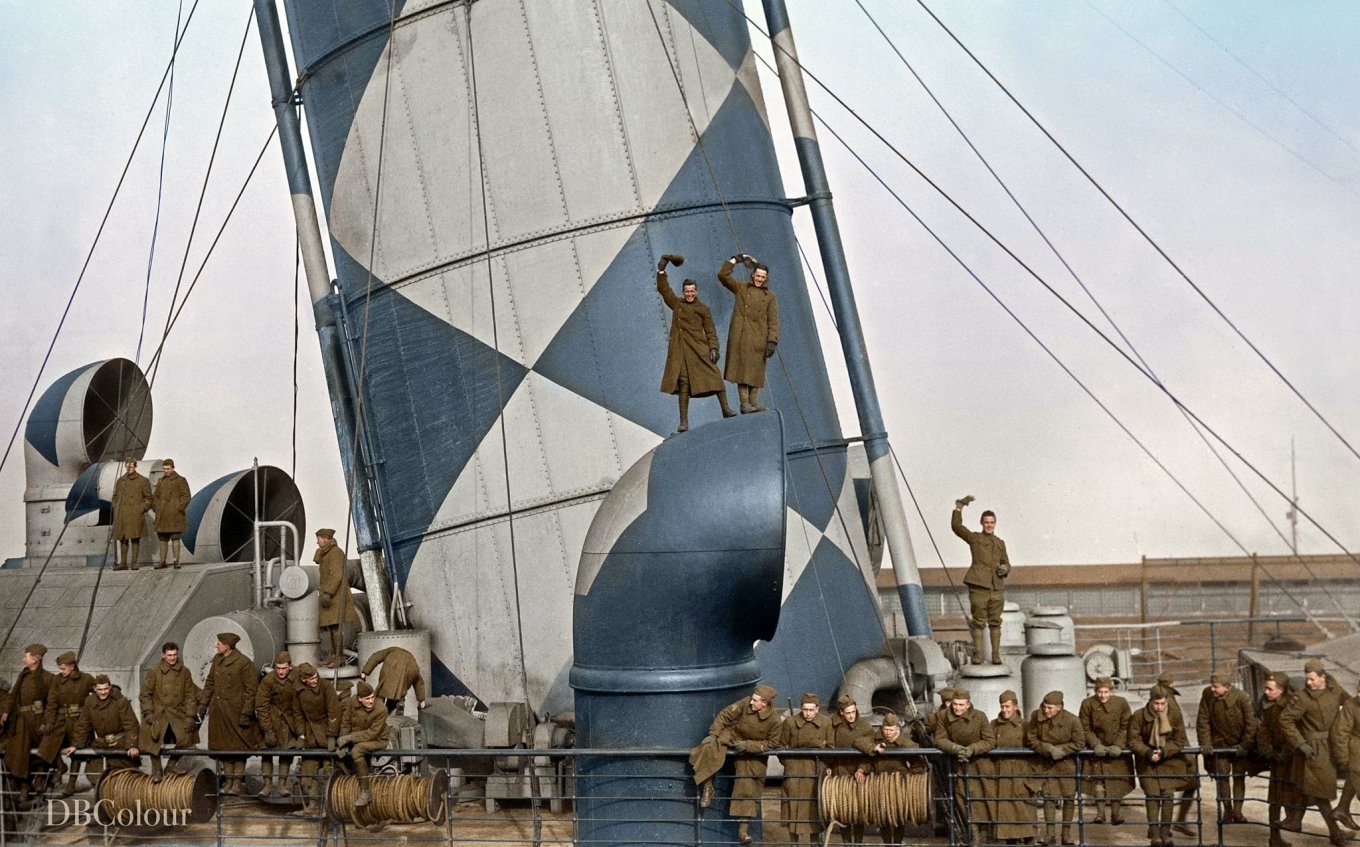
The goal was to interfere with both human perception and the operation of optical rangefinding equipment. For example, naval crews often had to align stereoscopic images or estimate a ship's height from the waterline to the top of its mast before identifying its class and calculating its position.
Without accurate information on a vessel's type, speed, course, and range, it was impossible to generate reliable firing solutions for naval guns or torpedoes. In other words, dazzle camouflage was specifically designed to disrupt enemy targeting calculations. It could only be effective against large targets observed from considerable distances.
Despite several experiments, the concept never gained widespread acceptance in aviation. Later, the introduction of radar during World War II largely rendered it obsolete at sea as well.
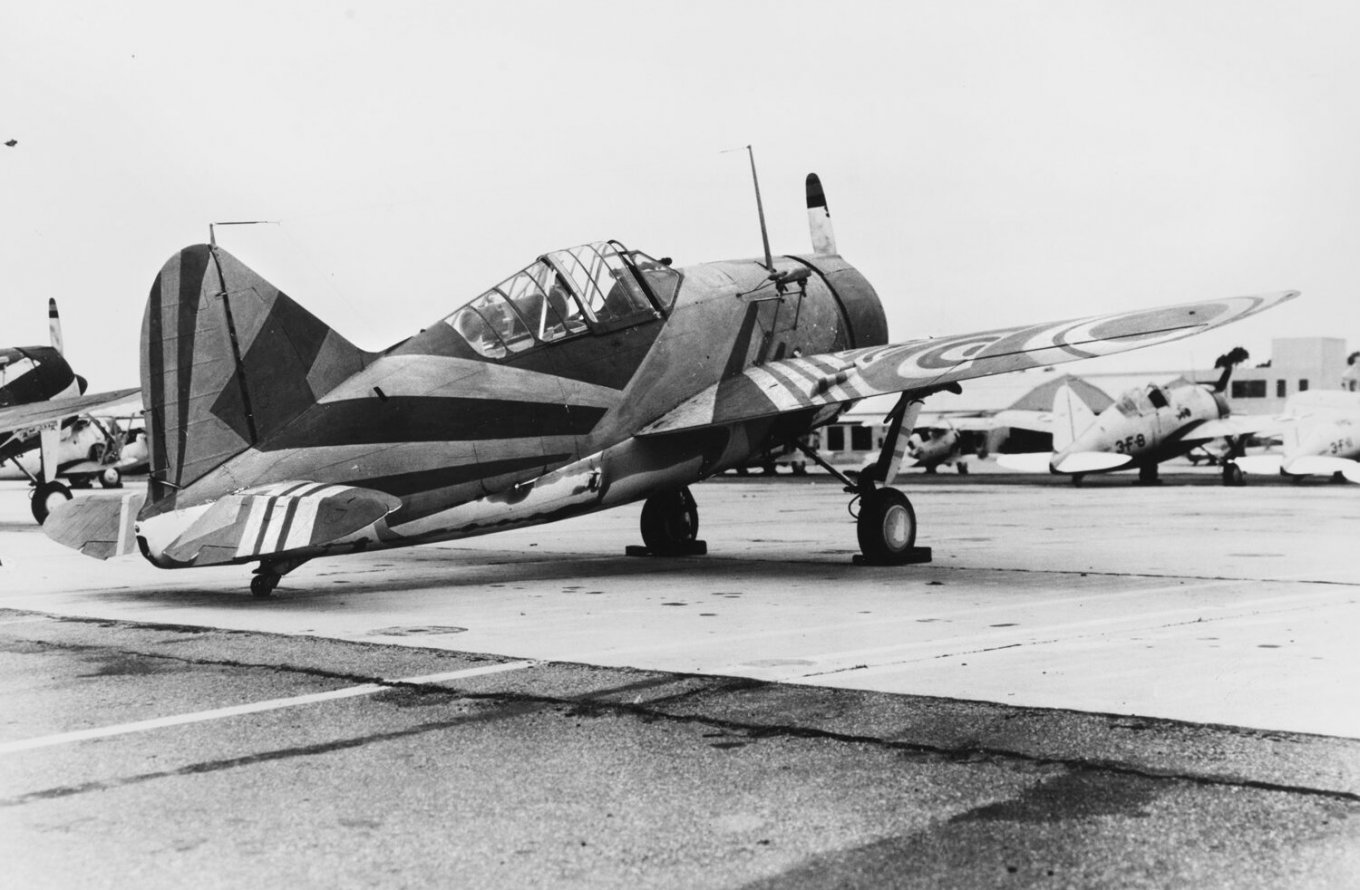
Machine-vision algorithms, however, do not estimate range in the same way optical rangefinders once did. More importantly, their methods of image recognition have little in common with how the human brain processes visual information. This particular russian attempt to imitate dazzle camouflage therefore suggests a misunderstanding of both its purpose and the principles behind it.
If one of these zebra-striped KamAZ trucks ends up in the crosshairs of a Ukrainian drone operator, the paint scheme is likely to have little effect beyond a possible psychological one. The operator may not even notice it if the drone is using a thermal imaging camera.
Read more: russia Creates New Ka-29 Helicopter Regiment Protect Northern Fleet Against Ukrainian Drones 2,500 km from Ukraine