Several years after Ukrainian naval drones forced russia to withdraw much of what remained of its Black Sea Fleet to distant ports such as Novorossiysk, Moscow continues to adapt its defenses in ways that underscore persistent vulnerability. Surface drone attacks previously compelled russian forces to block the harbor entrance with barges, creating a physical barrier intended to prevent unmanned vessels from entering the bay.
These measures, however, proved insufficient against underwater threats. On December 15, Ukraine's Security Service successfully struck russian Project 636.3 Kilo-class submarine inside Novorossiysk harbor. The submarine was later identified as the B-271 Kolpino, marking a significant escalation in Ukraine's use of underwater maritime drones and demonstrating that even heavily protected rear bases are no longer immune.
Read more: russian Shadow Fleet Ship Sank with Nuclear Reactor Components Aboard

Following the attack, russian forces substantially reinforced security in the bay, yet the incident appears to have shattered any remaining sense of safety. New satellite imagery indicates that defensive measures were expanded rapidly and in direct response to the strike.
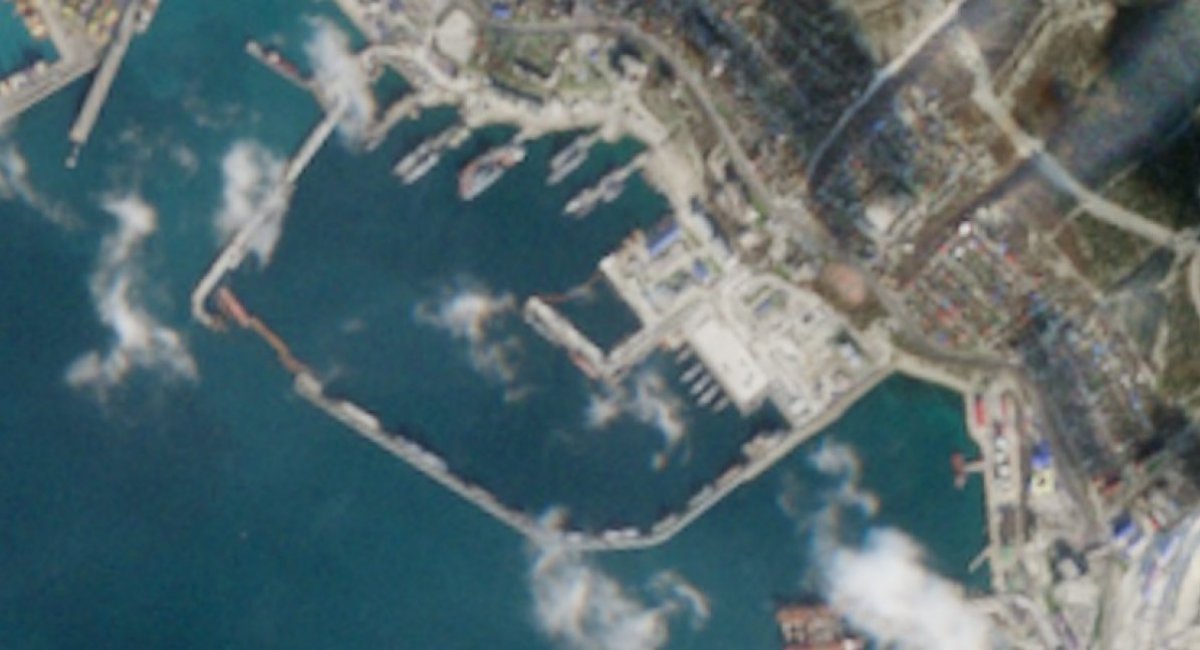
Synthetic aperture radar images from the Sentinel-1 satellite constellation show that, in addition to the barges at the main harbor entrance, a new barrier appeared inside the inner bay where the submarine had been hit. This internal obstruction became visible as early as December 21, just six days after the attack.
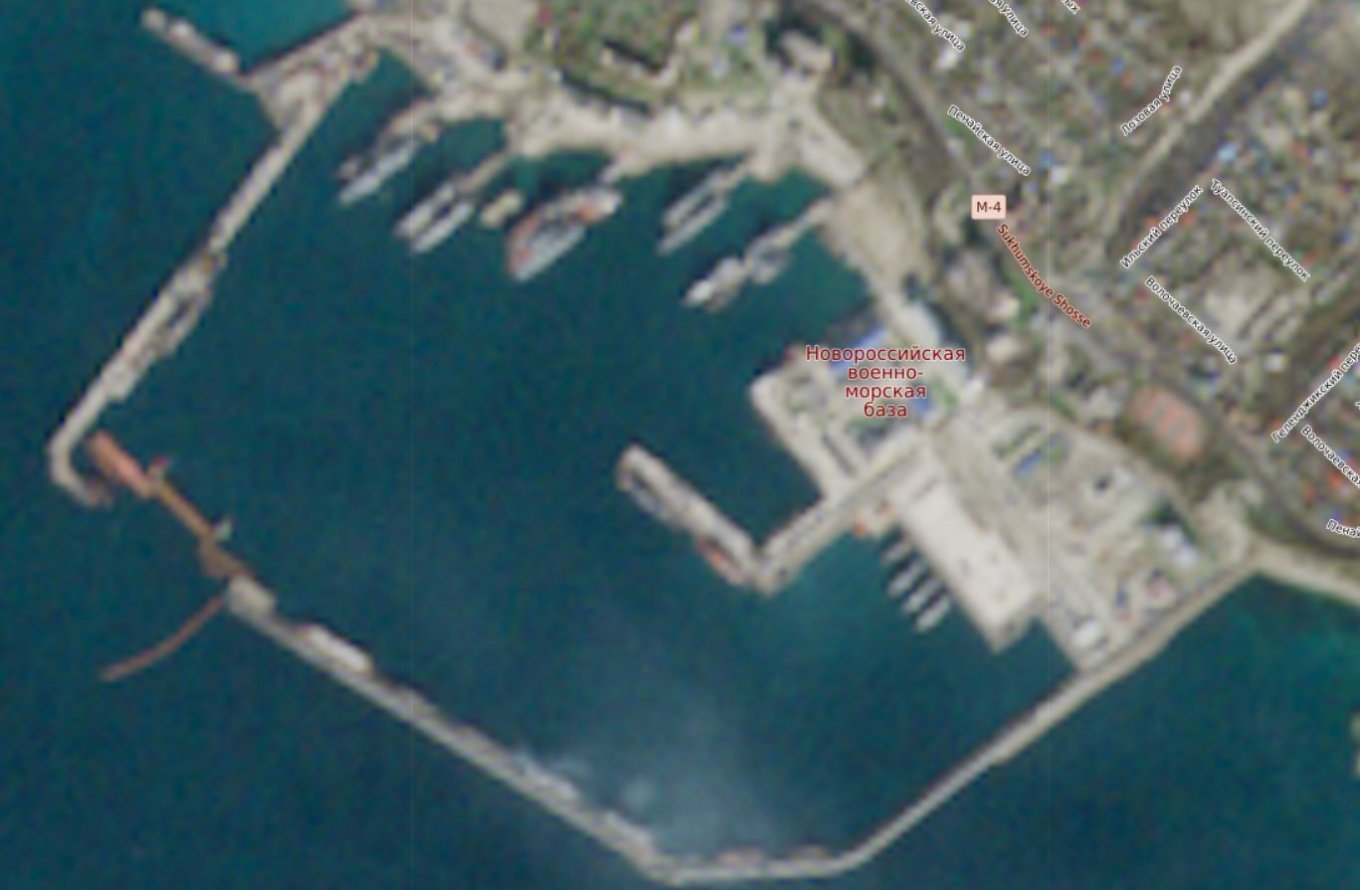
Subsequent optical imagery from Sentinel-2 satellites dated December 25 clarified the nature of this barrier, identifying it as a boom defense system. Around the same period, the boom previously located at the harbor entrance disappeared, suggesting it was relocated rather than newly installed.
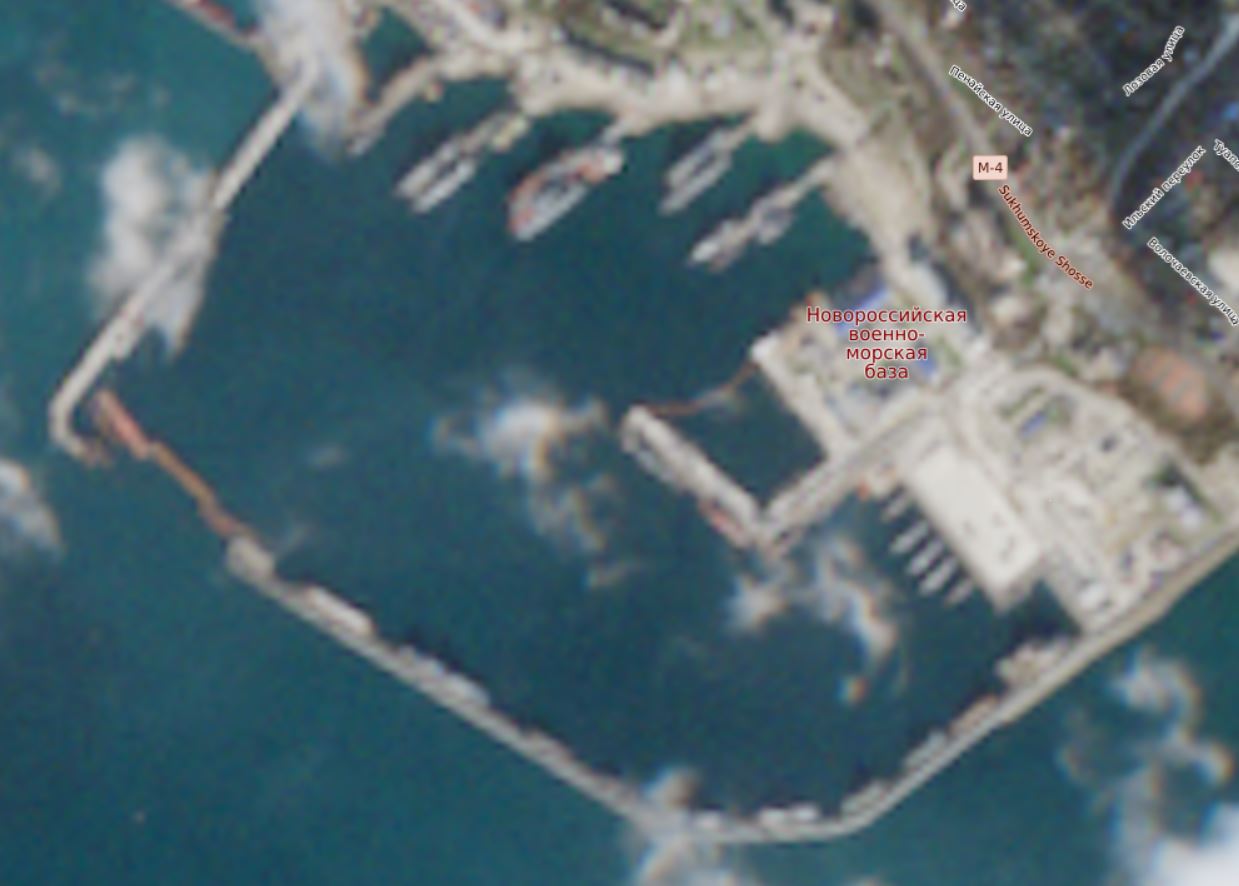
This shift points to a reassessment of threat vectors by russian forces. While the barge barrier at the bay entrance can be opened for extended periods to allow ship movements, such openings create windows of vulnerability during which an underwater drone could potentially enter undetected, likely mirroring the circumstances of the earlier strike.
The relocated boom inside the bay appears to function as a second defensive layer, intended specifically to protect submarines if an unmanned underwater vehicle penetrates the outer defenses. Notably, this internal bay seems to host submarines exclusively, meaning other surface vessels in Novorossiysk remain without comparable secondary physical protection.
Satellite imagery also suggests that only one submarine is currently present in the port, and that submarine is the same B-271 Kolpino previously damaged in the attack.
Read more: Targeted Explosion Disrupts russian Supply Operations in Melitopol (Video)