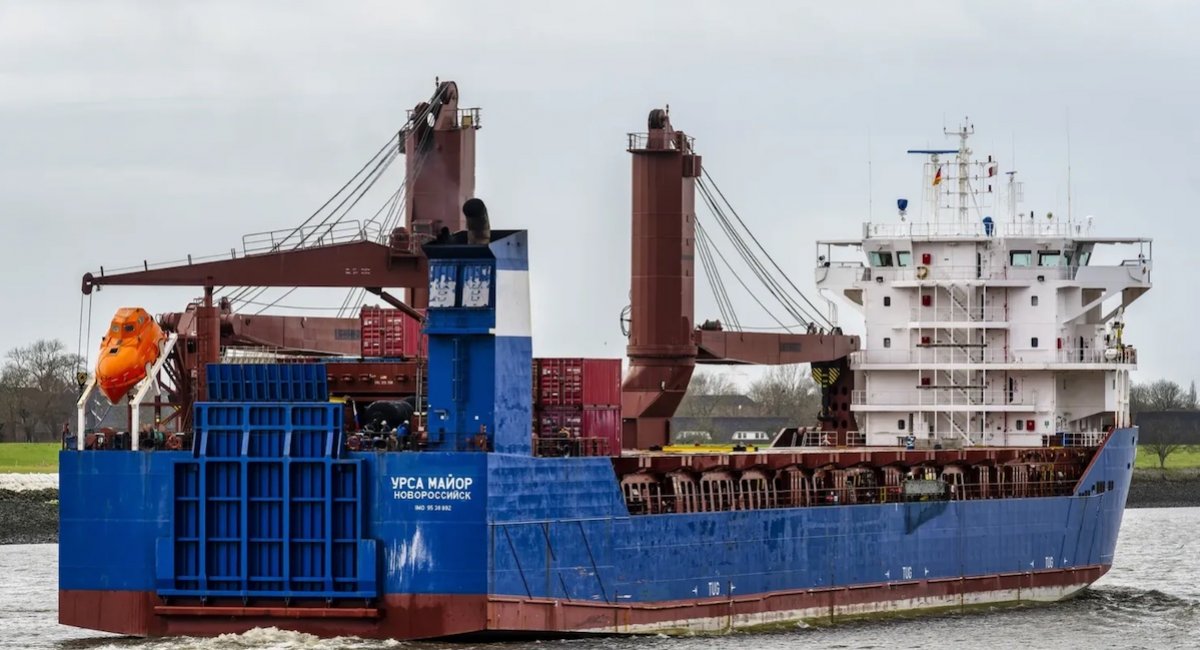
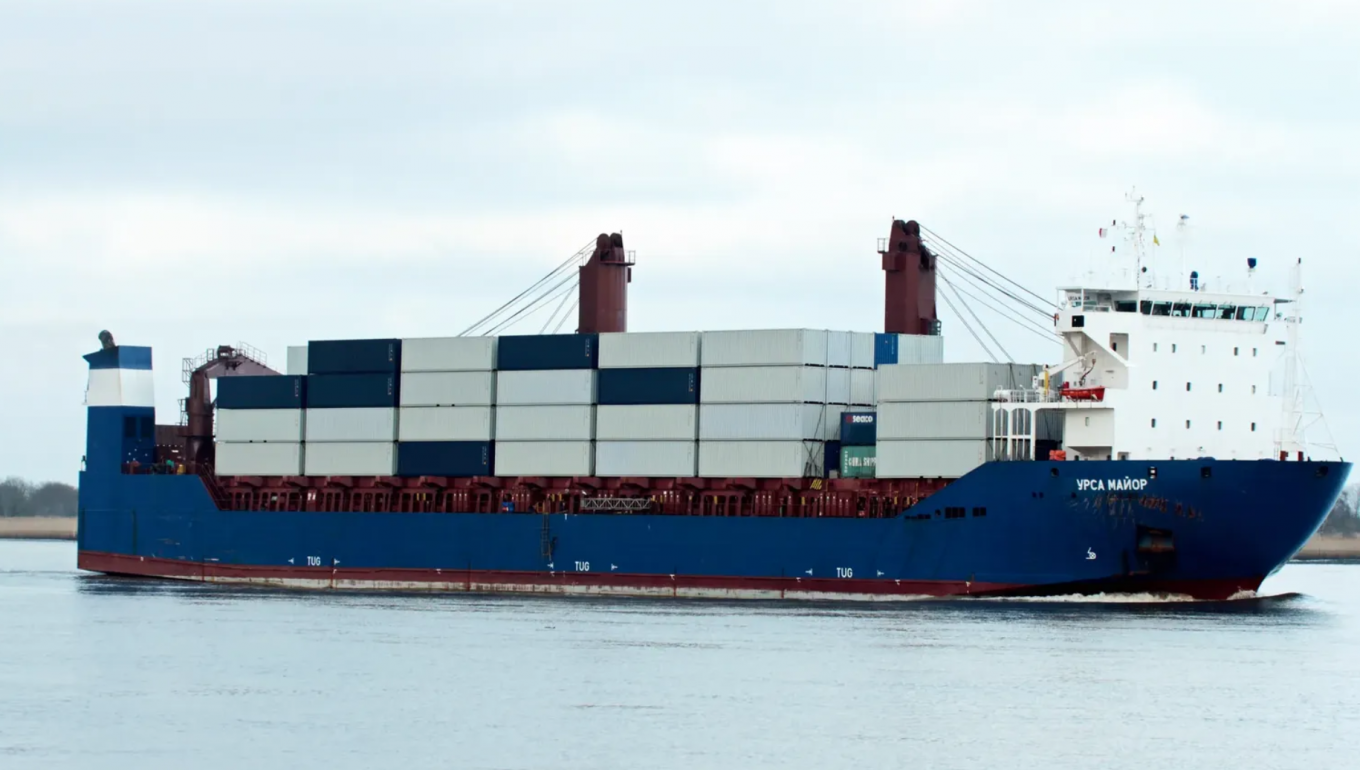
Spanish investigation has concluded that russian Ursa Major cargo vessel, which sank in the Mediterranean Sea near Cartagena in December 2024, was transporting a covert strategic payload. According to findings reported by Spanish outlet La Verdad, the ship was carrying components linked to nuclear technology.
Investigators determined that the vessel was transporting two nuclear reactor housings of the VM-4SG type. These reactors are believed to have been destined for North Korea, raising serious concerns about covert military-technical cooperation and violations of international sanctions regimes.
Read more: russia Claims Su-57 Is Safer Than F-35 Here's Marketing Trick Behind Pitch to India
The Ursa Major vessel was reportedly part of russia's shadow fleet, a network of vessels used to conduct opaque and sanction-evasive maritime operations. Its route was highly atypical, sailing from St. Petersburg to Vladivostok via the Mediterranean Sea rather than using established northern or eastern maritime corridors.
The situation escalated following the appearance of russian Ivan Gren landing ship near the site of the maritime incident. The warship reportedly demanded that Spanish vessels withdraw from the area surrounding the accident, significantly raising tensions and complicating monitoring efforts.
Following the use of signal flares and electronic warfare measures, the Ursa Major vessel disappeared from the surface and subsequently sank to a depth of approximately 2,500 meters. The circumstances surrounding the vessel's loss immediately drew scrutiny due to the sensitive nature of its alleged cargo.
Seismographic instruments recorded vibrations consistent with a low-yield underwater detonation at the time the ship sank. This finding has fueled suspicions that explosives may have been deliberately used to scuttle the vessel, potentially to prevent inspection or recovery of its cargo.
After the sinking, russian Yantar oceanographic vessel arrived at the site. According to assessments, the ship may have been involved in operations to destroy, recover, or conceal remnants of the classified cargo resting on the seabed.
Read more: Satellite Deception: China Disguises Nuclear ICBM Launchers as Construction Cranes