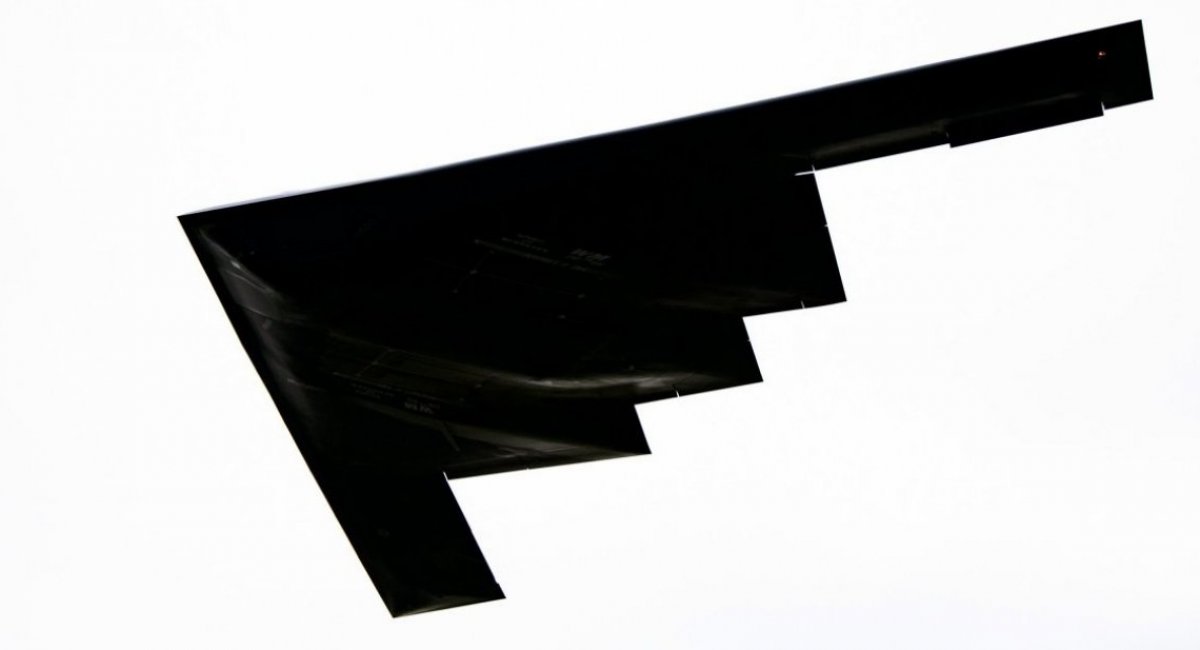
U.S. Air Force must improve methods of securely transmitting critically important information to bomber crews and other aircraft, so that in the future the service can successfully execute operations like last year's Midnight Hammer with strikes on Iran's nuclear program, which also involved B-2 Spirit bombers with GBU-57 MOP (Massive Ordnance Penetrator) bombs.
Such an opinion was voiced by U.S. Air Force Deputy Commander of Global Strike Lieutenant General Jason Armagost, his words are quoted by Defense News.
Read more: russia First Tried Selling Its Kama MLRS in 2007, Now Unveils Its Comeback as Sarma
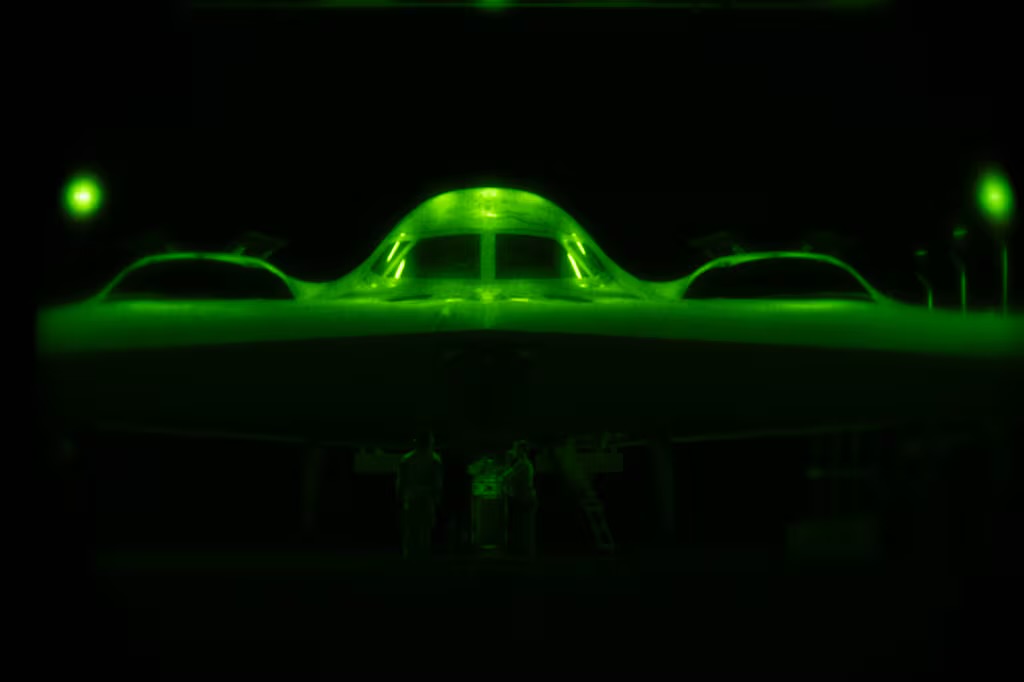
He emphasized the success of strikes (however, the thesis about how truly successful they could be is quite controversial), but noted that if the U.S. Air Force wants to continue maintaining such an advantage, they must ensure secure transmission of important instructions and aircraft status updates through command and control networks and communication architectures.
“If that [strike] package is not able to … communicate the status of their forces and the ‘go’ from the mission commander, then that is a foul on all of us,” Armagost said during a panel about the Operation Midnight Hammer , specifically in the context of lessons learned during its implementation.
Chief of U.S. Air Force Central Command Armaments and Tactics Department Major Claire Randolph also emphasized that communication capabilities and intelligence information exchange need improvement, who, however, expressed concern with the fact that this shouldn't affect decision-making processes when pilots will make operational decisions, which would undermine crew commanders' authority.
From these voiced theses, Defense Express can make a cautious conclusion that probably during the operation to bomb Iran's nuclear facilities, aircraft crews indeed could have had problems in the mentioned direction, which for understandable reasons was not officially reported.
Making any concrete conclusions is difficult without having more data about what exactly these information transmission and communication problems are, but it's not excluded that these could be some failures, up to the point that they could put Operation Midnight Hammer execution at risk.
PS: Defense Express received a response to this artical from a Spokesperson of U.S. Air Force Global Strike Command.
“Gaining, maintaining, and exploiting domain awareness delivers decisive advantage. Communication systems will be important on the future battlefield, and we are focused on continuing to master and lead the world in those capabilities from the B-2 and into the B-21. The B-21 is the most advanced aircraft ever made by human hands and we are looking forward to its continued, highly successful and on-time development and fielding,” the response reads.
Defense Express previously reported whether generals can be replaced by artificial intelligence if it bypassed U.S. Air Force planners.
Read more: When Patriot Launchers Go Empty: How Many PAC-3 MSE Missiles Ukraine Needs Per Month, Per Salvo