


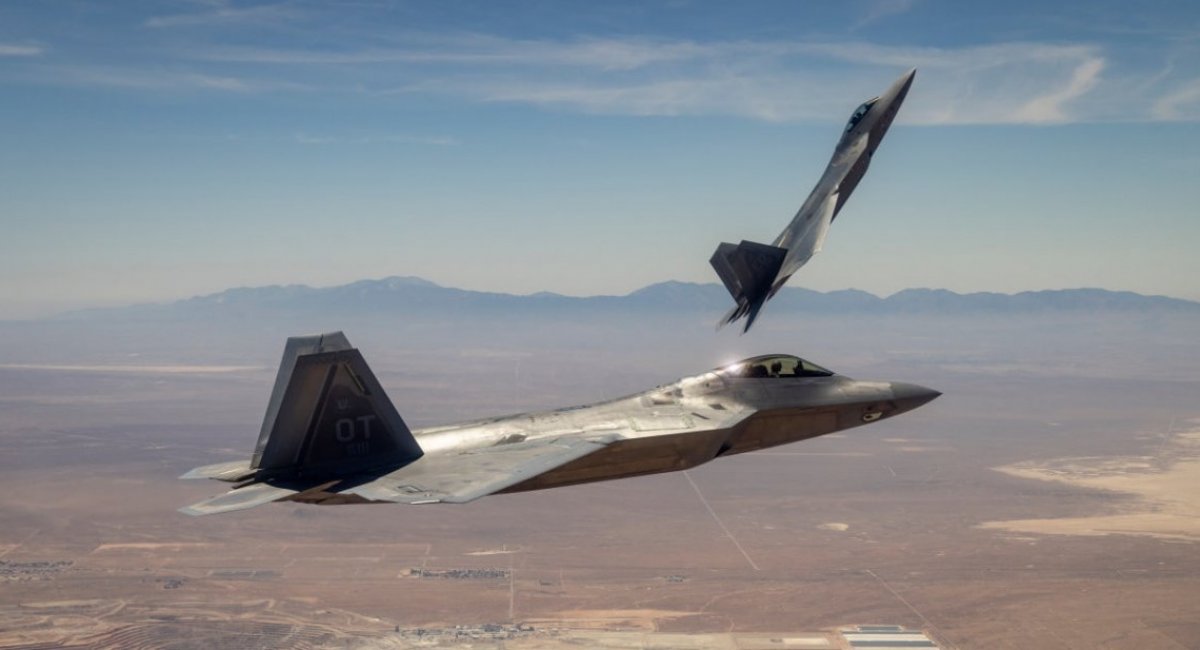
Replacing generals or command officers with artificial intelligence may seem not so unrealistic. In the DASH experiment conducted by U.S. Air Force in fall 2025, at least one of six algorithms managed to surpass humans in planning tasks.
Within the research, participants were offered to solve various tasks including a wide spectrum of situations. There were both typical things like organizing airstrikes or redirecting aircraft to another base, and quite specific ones like reconnaissance of electromagnetic anomalies or protecting a damaged fleet ship.
Read more: U.S. Created LUCAS Attack Drone Squadron, then Admitted Warheads Don't Exist Yet
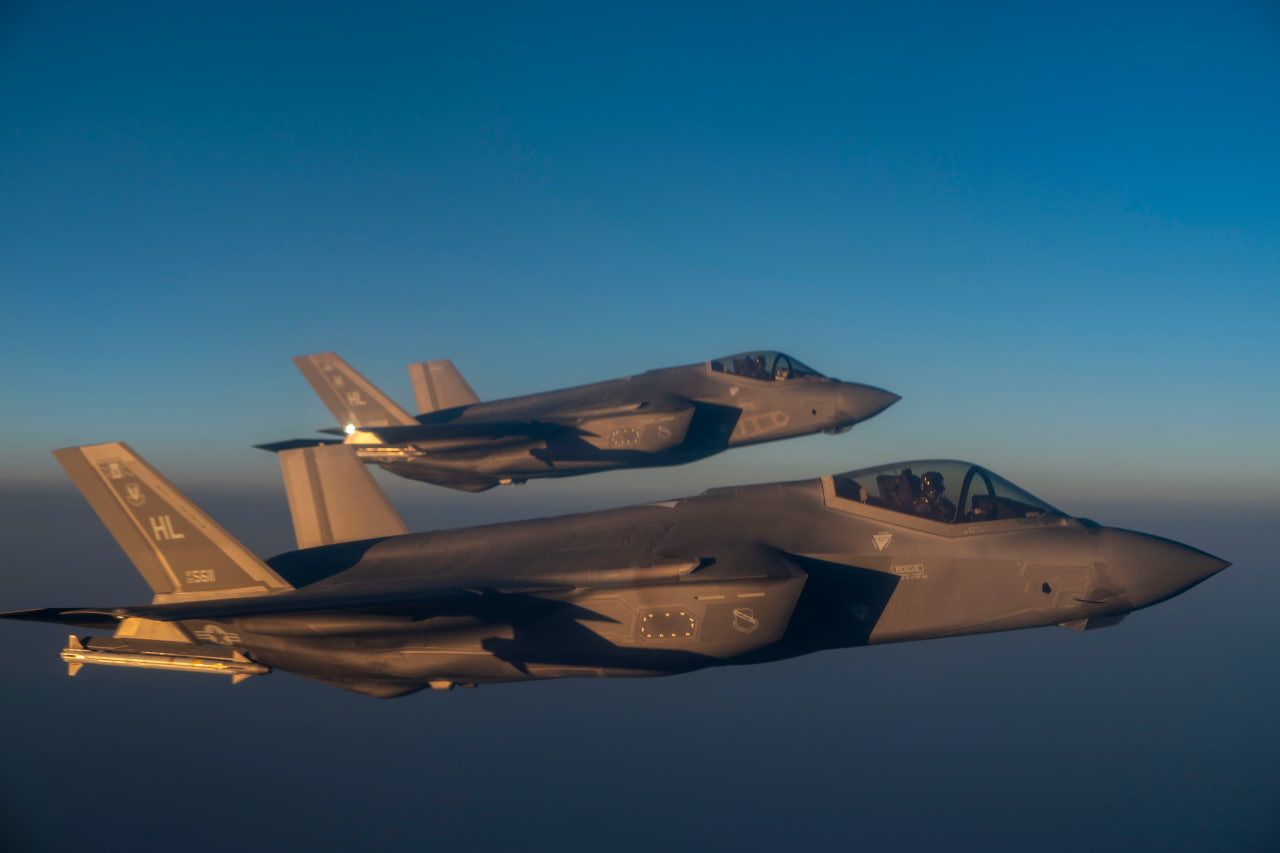
Humans managed in about 19 minutes with 48% of provided options considered acceptable. Meanwhile, artificial intelligence produced results 97% faster with 90% acceptable proposals.
Here someone might immediately conclude computer surpassed human thinking, considering faster and better answers. However, there are more nuances here than you might imagine.
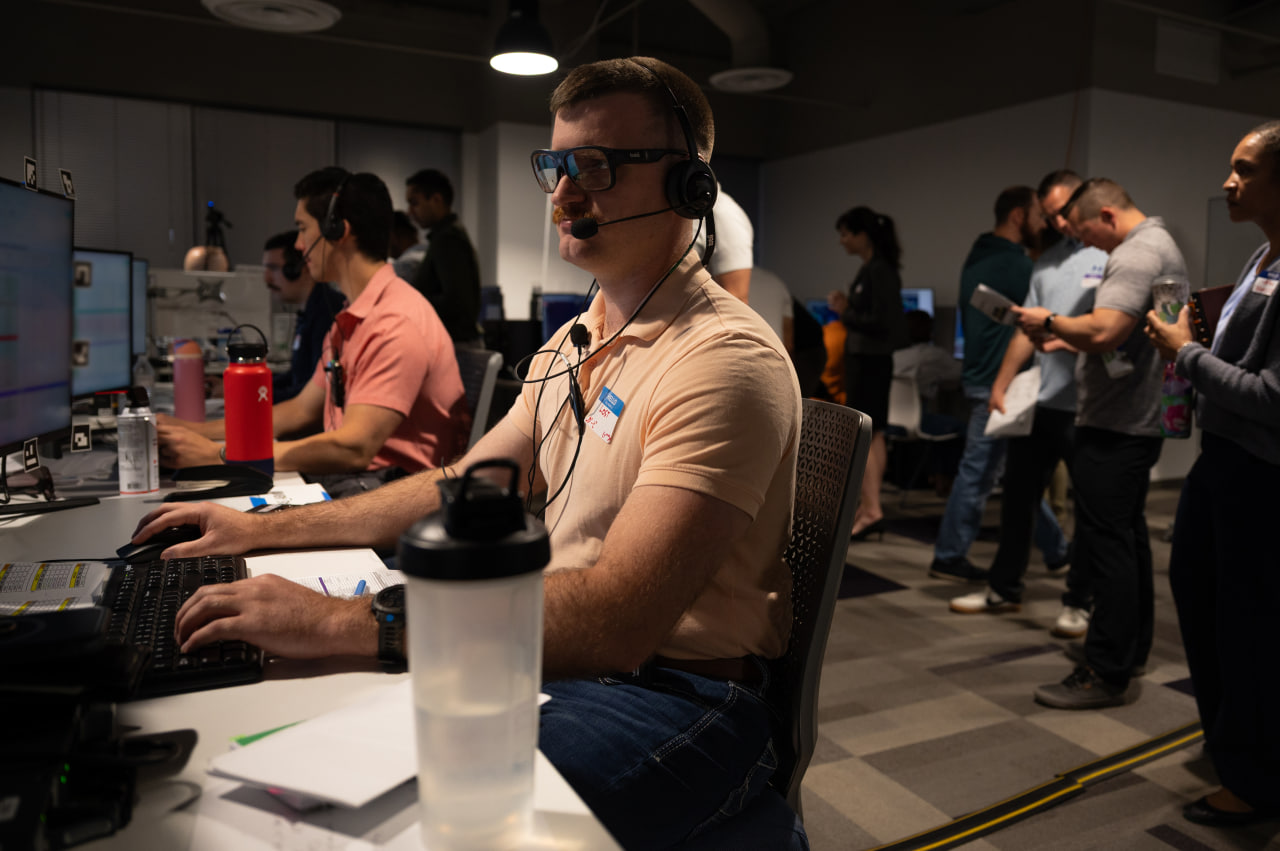
As U.S. Air Force Advanced Battle Management System Cross-Functional Team (ABMS CFT) director Colonel John Olund explained in a Breaking Defensecomment, the experiment was organized so human participants were under enormous stress and locked into tight execution deadlines. Meanwhile, such psychological factors don't affect artificial intelligence.
Another interesting point was that not all military personnel participating in the experiment worked within their competency. The youngest had only two years of training and no electronic warfare experience.
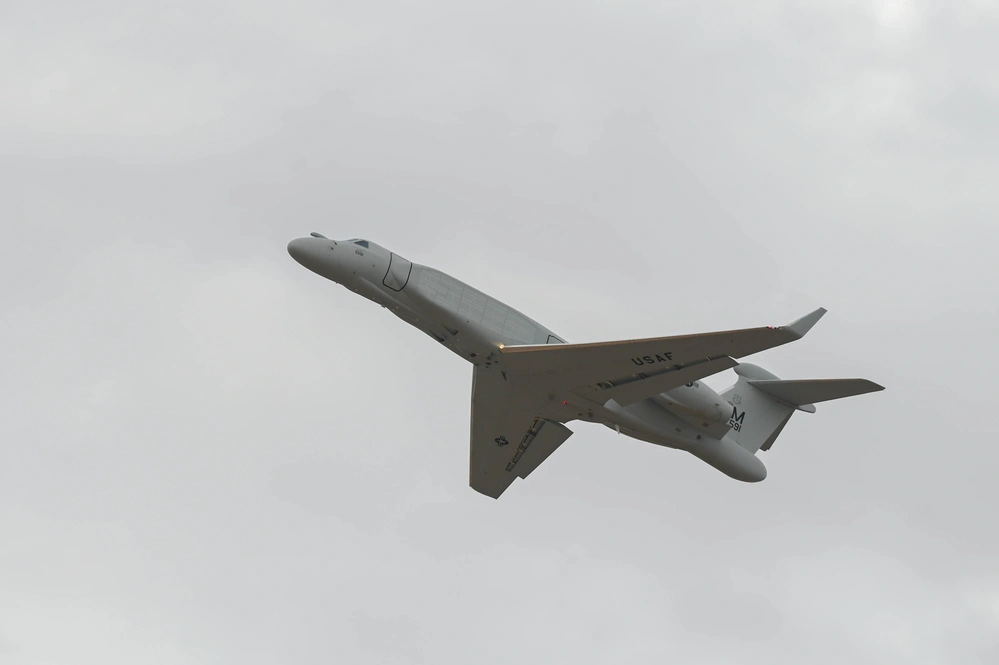
Well, and the briefing given to both humans and algorithms was equally brief 20 pages. This included both general instructions known as commander's intent and various tables with statistics and characteristics of different missiles, electronic warfare means, interception probabilities, etc.
As a result, military personnel could miss something, forget, or confuse due to the large amount of new information provided in a short time. Meanwhile, AI was able to store and process this information.
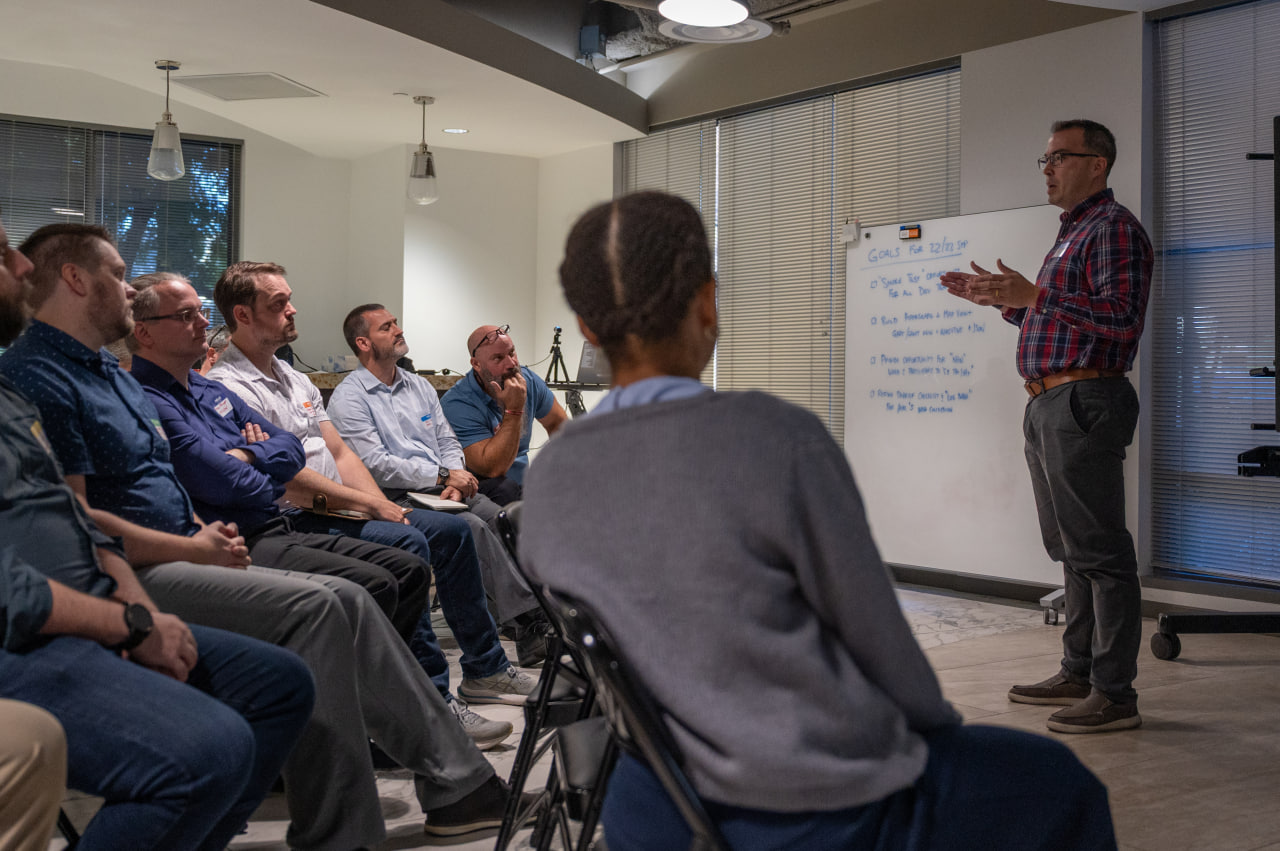
U.S. Air Force summarizes that a long-verified rule was determined people work better with what they've long been familiar with. Meanwhile, computer algorithms can quickly master diverse data. However, this is only one experiment, and the proposed six systems are not yet ready for full deployment and need further refinement.
So the conclusion was made that actually replacing human presence with artificial intelligence is impossible. However, a special tool can be created that connects at various stages and helps make decisions, accelerating work.
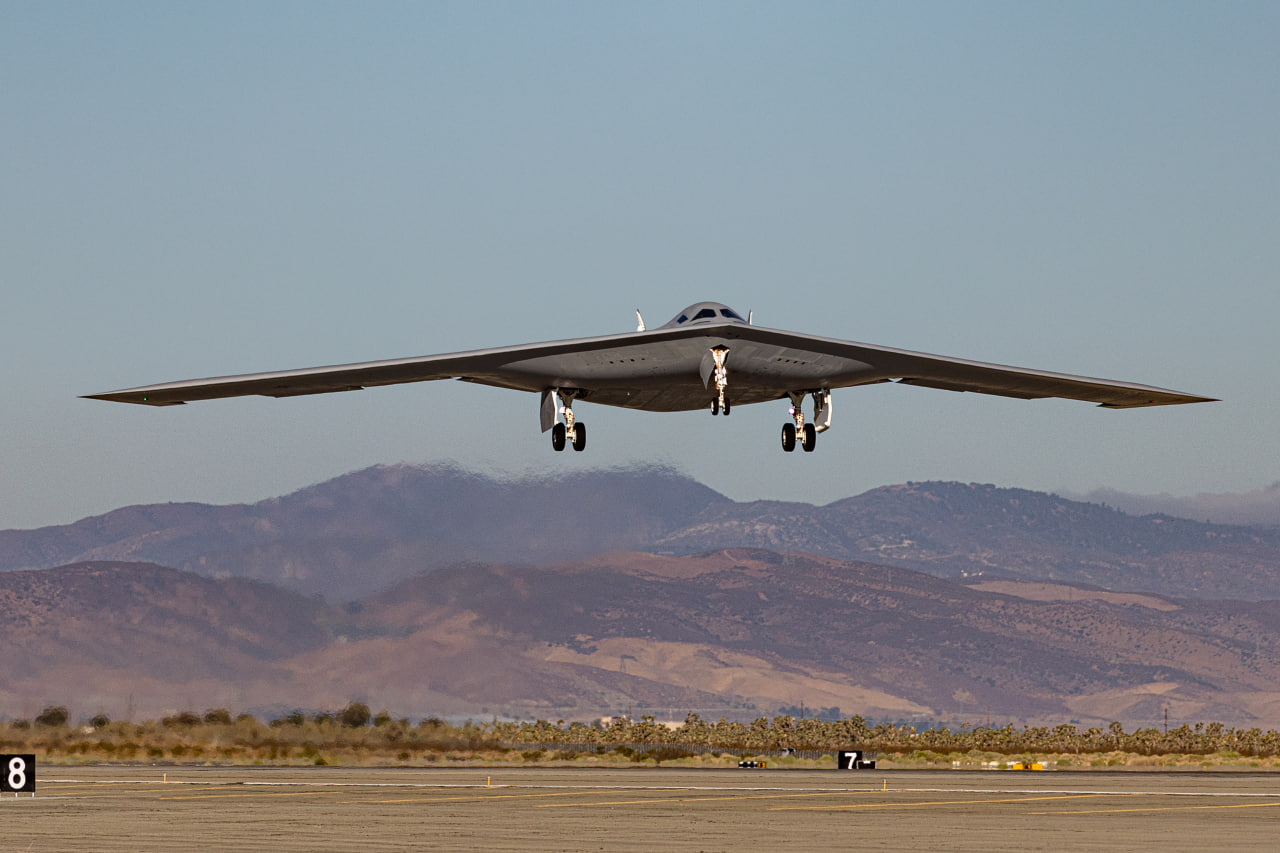
Defense Express notes such experiments are generally part of mastering computer algorithm application in military operations planning and command. And although many love to indulge in extreme radical thoughts, in practice, as we see, technology will integrate to assist people.
Also worth adding: while such developments give ambiguous results and are prone to hallucinating. Therefore, application should be careful, and data and queries submitted to artificial intelligence should be accurate, detailed, and verified by humans.
Read more: France Adds Anti-Drone Kit to 800 RCWSs, But Tests Hit Slow Targets, Not 100km/h FPVs