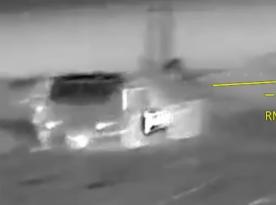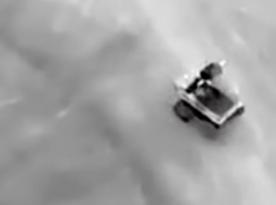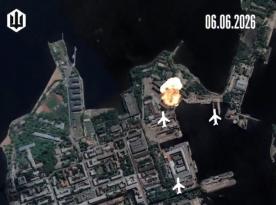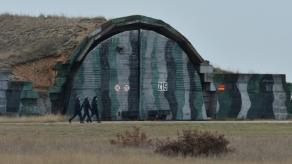
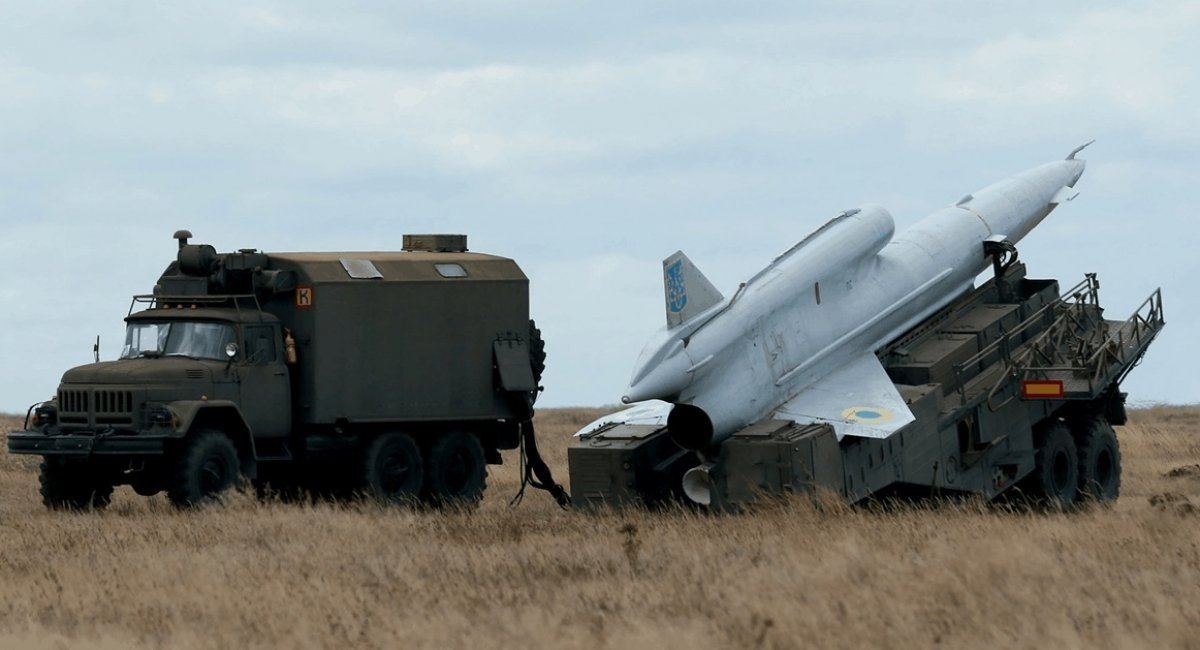
The operation known as Operation Spiderweb, conducted on June 1, 2025, continues to affect russia's ability to use strategic aviation for large-scale strikes against Ukraine. Defense Express previously reported on the OSA FPV drone developed by First Contact, which Ukrainian FPV drones used to destroy russian strategic bombers such as the Tu-95MS, Tu-22M3, and Tu-160.
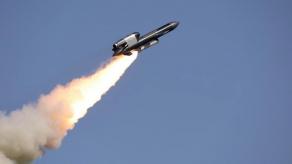
Today we focus on the Tu-141 Strizh as the first platform used by the Armed Forces of Ukraine to strike russian Tu-95MS and Tu-22M3 bombers in the winter of 2022. In essence, Ukraine became the first country in history to destroy enemy missile-carrying aircraft using strike UAVs.
Read more: FP-5 Flamingo Is Nothing Like the Tu-141 Strizh: Let's Explain in Pictures
Several factors explain why the Strizh was selected for these early deep-strike missions. The Tu-141 Strizh was produced at the Kharkiv Aviation Plant between 1979 and 1989, with a total of 152 units built. As a result, part of the design documentation and technical expertise remained in Ukraine.
The Strizh has a flight range of up to 1,000 kilometers and a maximum speed of about 1,110 km/h. By late 2022, Ukraine had no other system with comparable flight characteristics capable of delivering long-range strikes.
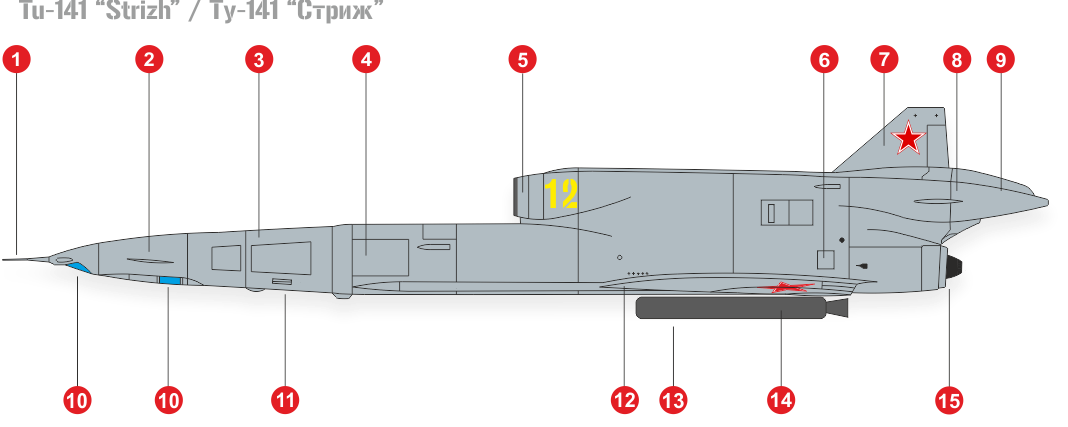
With a fuselage length of 14 meters and a wingspan of 3 meters, the Tu-141 Strizh has a launch weight of approximately 5.37 tons. Such a large platform would be highly visible on radar. At the same time, its size allowed for significant flexibility in warhead configuration.
There have been documented cases of using the Soviet-era OFAB-100-120 high-explosive bomb as the Strizh's warhead. This munition contains about 46 kilograms of explosives and can create a crater up to five meters wide, with fragmentation dispersing up to 100 meters upon detonation.
To convert the Strizh into a long-range kamikaze drone, engineers could remove the reconnaissance cameras located in the nose section, as well as the landing and braking parachutes normally used for recovery.
The exact number of Strizh drones available to the Armed Forces of Ukraine at the start of russia's full-scale invasion, as well as the number launched against targets inside russia, remains unknown in open sources. However, the results of their use are quite telling.
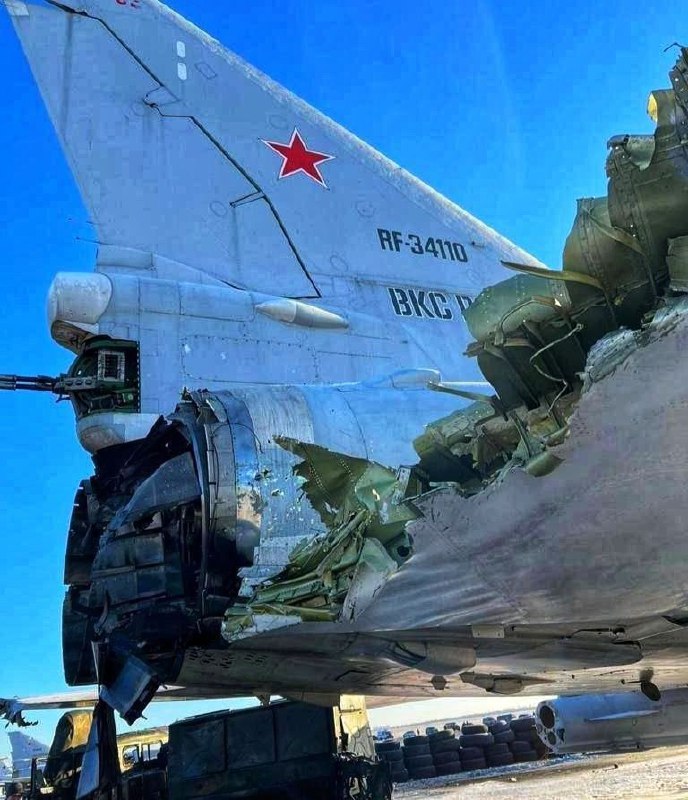
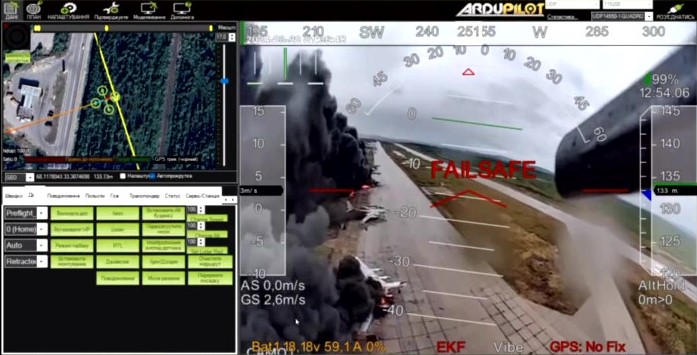
During the strike on Engels Air Base on December 5, 2022, at least one Tu-95MS bomber was reportedly damaged. On the same day, another strike targeted Dyagilevo Air Base. Ukrainian sources initially reported damage to one Tu-22M3 bomber, although russian sources later acknowledged that as many as three such aircraft and one Kh-32 missile had been hit.
A video version of this material is also available. It was produced as part of the History of UAVs series by the media group of the 413th Raid Regiment of the Unmanned Systems Forces of Ukraine.
The video features commentary by Ivan Kyrychevskyi, serviceman of the 413th Raid Regiment of the Unmanned Systems Forces of Ukraine and weapons expert at Defense Express.
Read more: How FrankenSAM Revived Soviet SAMs, Became a Nightmare for Shaheds, and What Lies Ahead