


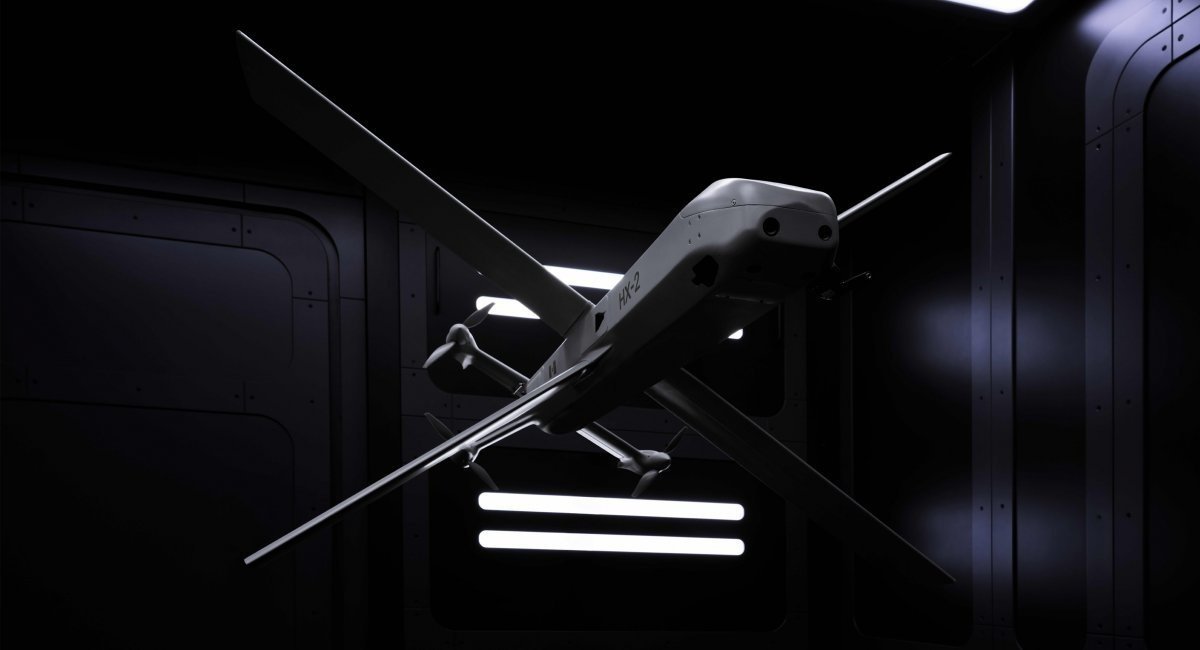
Evidence has surfaced confirming that the HX-2, Germany's counterpart to the russian Lancet drone produced by Helsing, was indeed delivered to Ukraine. However, this confirmation arrived alongside criticism regarding the drone's alleged poor combat effectiveness, a claim disputed by the manufacturer.
On January 19, 2026, Bloomberg published a report stating that further orders of these UAVs for the Ukrainian military had been suspended due to critical flaws. The publication cited anonymous Ukrainian and German sources.
Read more: Ukraine to Receive 6,000 Kamikaze Drones from Germany—Analogs of the russian Lancet
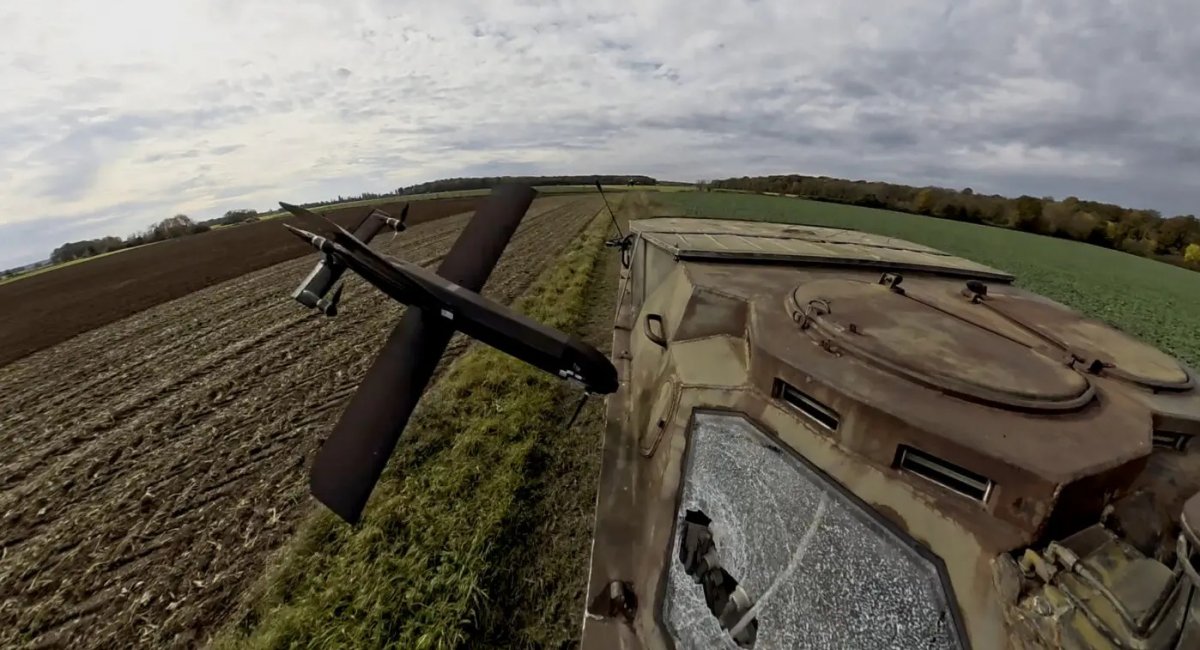
The report claims that according to a presentation by a German military unit under General Günter Schneider, the HX-2 experienced takeoff failures during trials conducted by the 14th Separate Regiment of the Unmanned Systems Forces (USF). This unit has since been restructured into the 1st Separate Center of Unmanned Systems.
Furthermore, the drone models, which were intended to feature AI-driven flight control components, reportedly lacked several of the advertised capabilities, rendering part of the functionality unavailable.
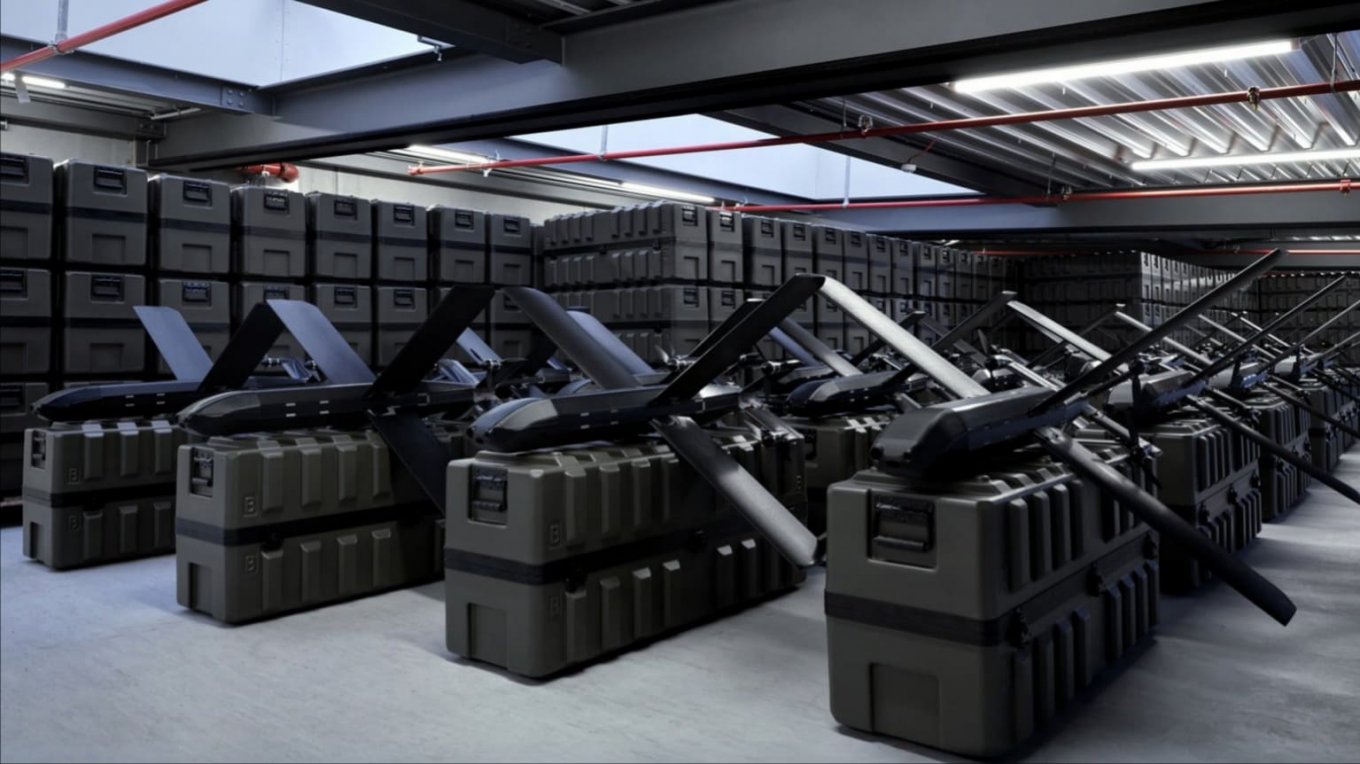
The aforementioned presentation and sources also assert that during frontline deployment, russian Electronic Warfare (EW) systems compromised the HX-2 units, leading to a loss of data link and control. This significantly diminished demand for these specific UAVs.
The only positive highlight of the report was the confirmation that the German government funded the Helsing UAV deliveries, which had previously been subject to doubt. However, Berlin does not intend to finance future orders without an official request from the Ukrainian side - a request that appears forthcoming due to the cited technical issues.
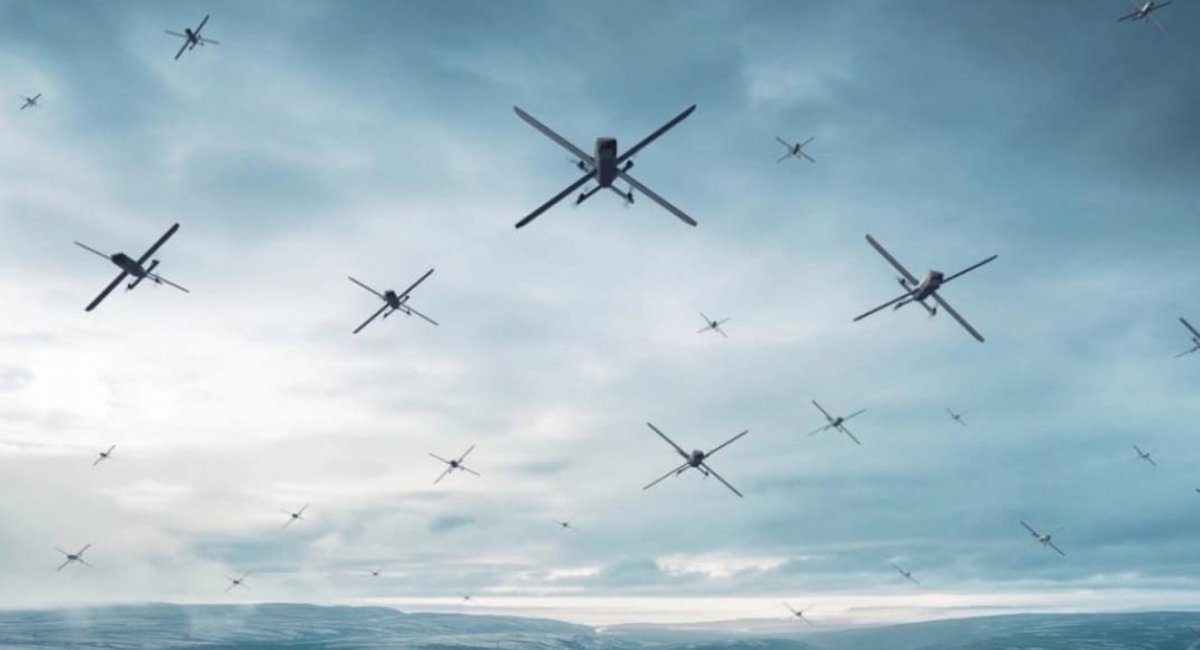
Helsing issued a rebuttal the following day, stating that the Bloomberg report was misleading. Furthermore, the company claims to have active requests for their drones from six different Ukrainian units, while the unit that conducted the initial combat trials has requested an additional 1,000 units.
The company emphasized that the HX-2 successfully passed battlefield testing with "sufficient effectiveness" and was integrated into Ukraine's centralized military supply system, likely referring to the DOT-Chain Defense procurement marketplace.
Over the past few months Helsing’s next-generation loitering munition HX-2, has been tested by soldiers across four different countries in military-led field tests. The strike drone is autonomous with a human on the loop, and compatible with different warheads. pic.twitter.com/u9PtvuH85R— Helsing (@HelsingAI) November 10, 2025
Helsing pointed out that its UAVs demonstrated high efficiency during trials in Nigeria, the UK, and Germany. In the German trials,they were reportedly among the few to achieve any results, although contracts were ultimately awarded to all participants.
Defense Express notes that this situation presents a conflict of narratives with no independent verification currently available. Moreover, the German government maintains strict confidentiality regarding military aid details, making it impossible to confirm whether deliveries have actually been suspended.
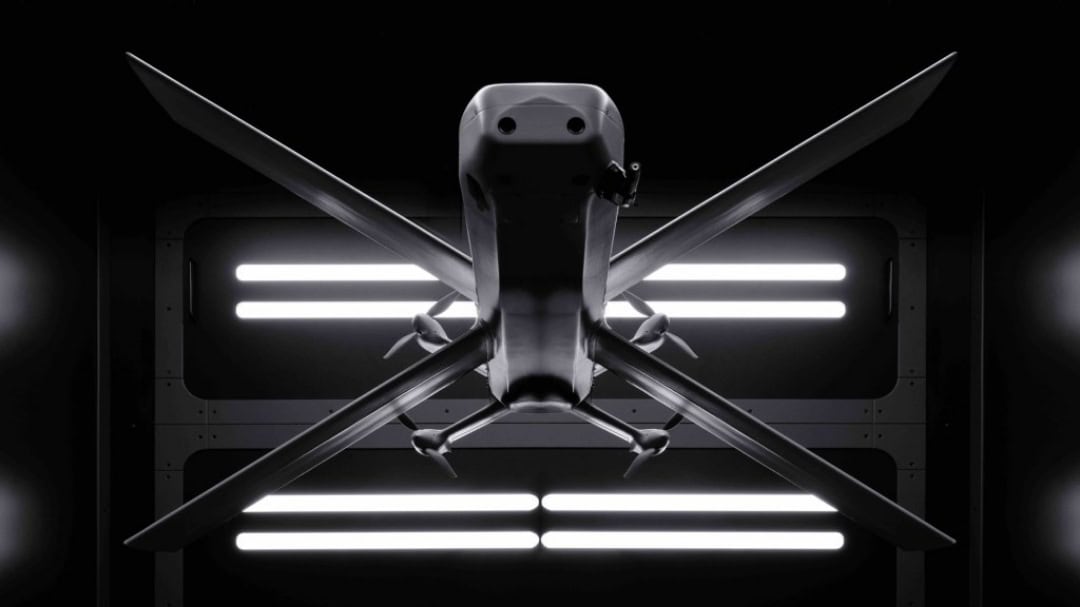
It is important to consider that the continuous evolution of battlefield technology in the Russo-Ukrainian war can render systems that were relevant only months ago obsolete. Western companies often struggle to match this pace of iterative updates, leading to a decline in the perceived effectiveness of their hardware.
This may be the case here, explaining the discrepancy between successful foreign trials and simultaneous EW-related issues in Ukraine. Notably, in its response, Helsing did not deny instances of EW interference but told Bloomberg it had no knowledge of takeoff or configuration issues. Earlier in 2025, the company expressed its intent to continue refining the platform.
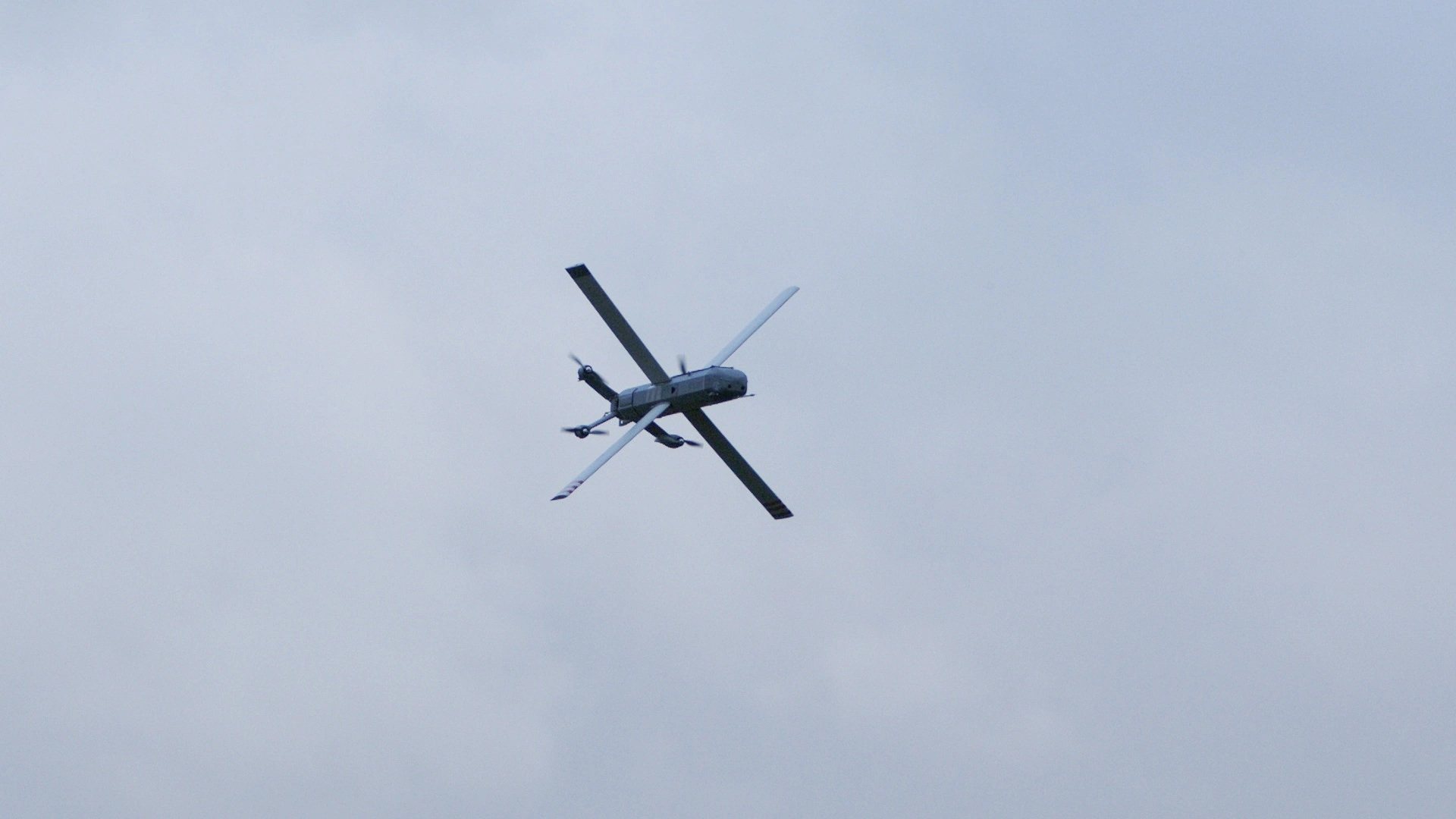
If the issue lies in the HX-2's inability to meet rapidly changing battlefield realities, it may be rectified through user feedback, potentially allowing the contract to proceed. However, if specific components remain incomplete or undeveloped, it could signal the end of their procurement prospects, given the stiff competition, particularly from domestic Ukrainian manufacturers.
At present, there is no precise public data to confirm the scope or severity of the Helsing UAV issues. Eventually, more information may emerge regarding these drones, whose operational use by the Defense Forces remains classified.
Read more: Israel Delays Watchkeeper X Delivery to Romania for Five Months – First Drones Expected in a Few Months