


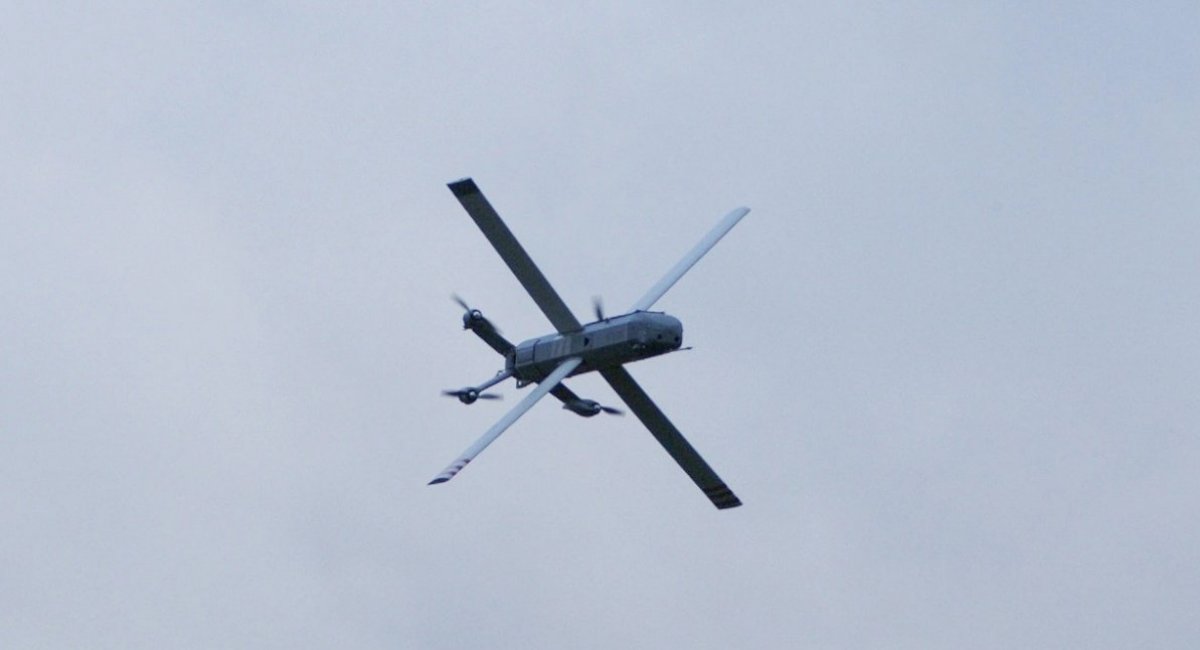
Confusion over Germany's procurement records has led to a widespread assumption that Ukraine was due to receive 10,000 HX-2 loitering munitions from Helsing, drones visually comparable to russian Lancet drone. However, new analysis suggests this may not be accurate, and it is possible that the HX-2 systems were never financed for Ukraine at all.
The issue was raised by German Aid to Ukraine, which provided additional context based on its own sources. According to their findings, the original order of 4,000 units was not for the HX-2 system but for another Helsing platform, the HF-1. By July 2025, Ukraine had already received 2,200 HF-1 drones under this initial contract, confirming that the first tranche was entirely unrelated to the later Lancet-type systems.
Read more: Ukrainian Forces Destroy russian Orion Drone Base in Temporarily Occupied Crimea
The confusion began in early 2025, when Germany announced an additional order for 6,000 drones, which indeed referred to the HX-2 systems. Yet it is now clear that this "new contract" was actually an optional extension clause of the original HF-1 agreement. Crucially, this extension would only become binding if the German government allocated extra funding, a condition not publicly confirmed at the time. When the supposed second contract was announced in February, none of these financial caveats were mentioned, even though the defense aid budget for 2025 had already been fully allocated.
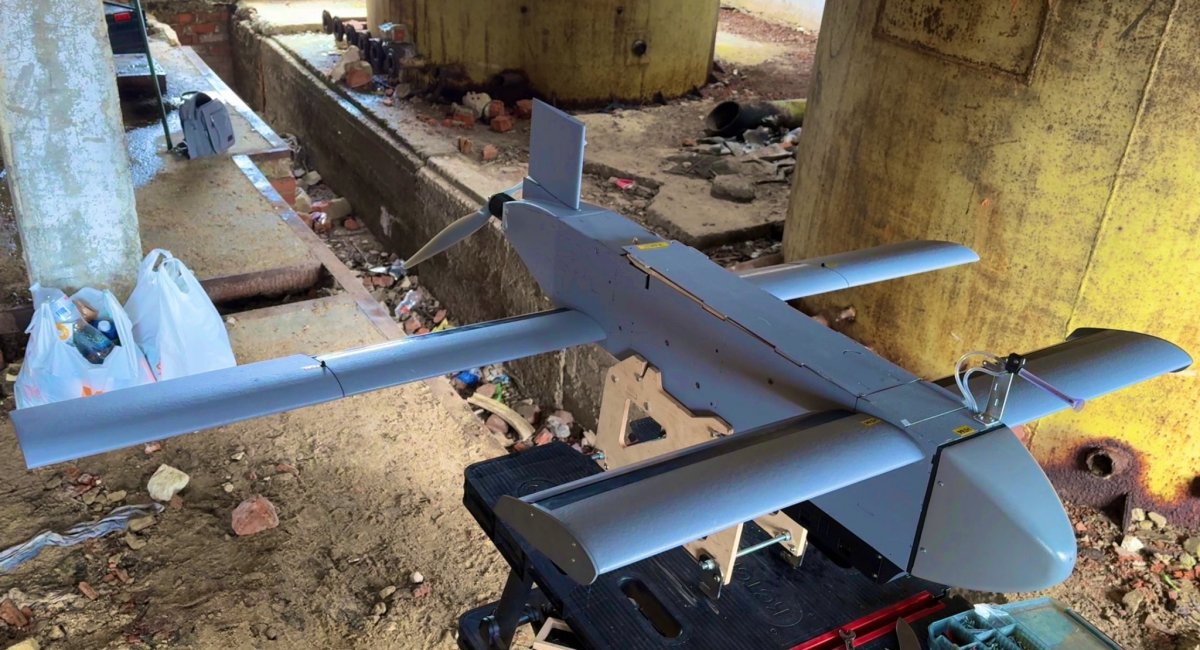
In April, months after the initial announcement, a Helsing spokesperson privately confirmed to German Aid to Ukraine that the 6,000 HX-2 units were merely optional. Whether funding was withheld or simply not disclosed for security reasons remains unknown. What is clear is that the public narrative at the time did not reflect the contractual reality behind the scenes.
Complicating matters further is the shift in Berlin's transparency policy. With the arrival of Germany's new government, all details about military aid to Ukraine have been classified, a stark change from the previously open reporting system. As a result, it is currently impossible to verify whether funding for the HX-2 option was ever approved. There is also speculation that the restrictions extend to contractors, preventing Helsing from making clarifying statements.
For now, there is no concrete evidence that the HX-2 system, often portrayed as a Western analogue to russian Lancet drone, is being delivered to Ukraine. At the same time, there are no indications that the option has been canceled either. Theoretically, everything except confirmed financing still points to the possibility of eventual procurement, but without documentation, this remains speculation.
Ultimately, the strongest proof would be battlefield footage of the HX-2 drones employed by Ukrainian forces. Until such evidence emerges, or until Germany publicly reports otherwise, the status of the HX-2 procurement remains suspended in uncertainty.
Read more: Germany's Military Expansion: €19 Billion to Equip Almost Half a Million Troops by 2034