


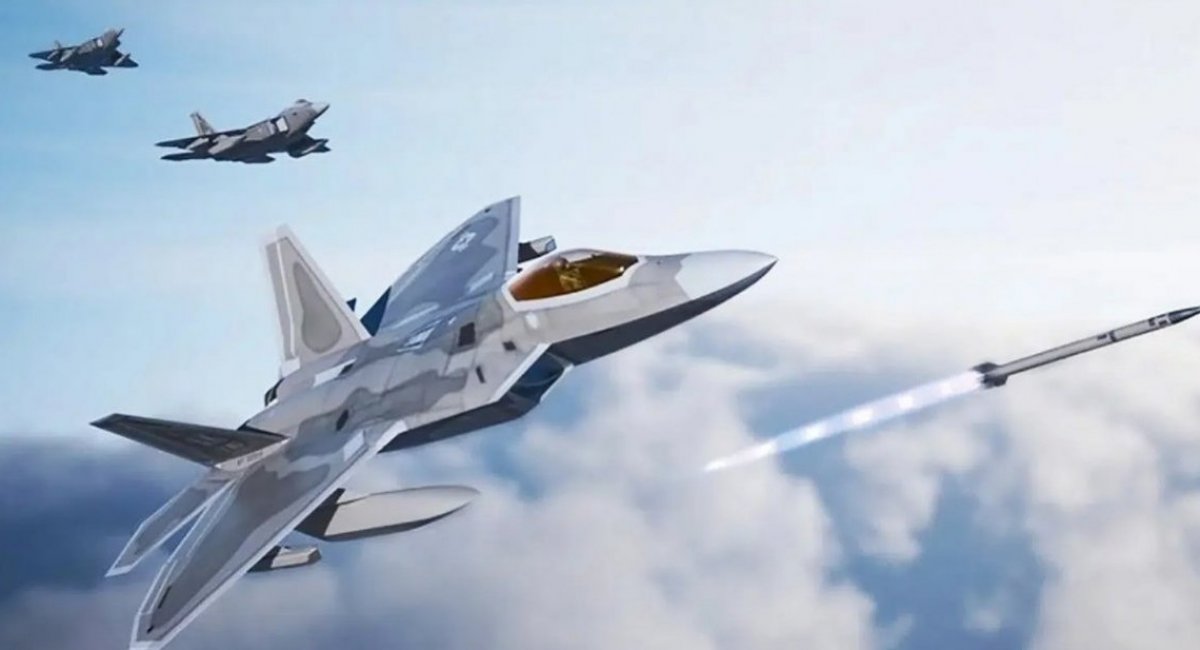
In proposals for the U.S. Department of War's future budget for fiscal year 2027, one can notice interesting growth in the program cost for the newest classified AIM-260 Joint Advanced Tactical Missile (JATM) air-to-air missile, over 3 times.
In particular, this missile program's budget for current fiscal year 2026 is $894 million, but already in fiscal year 2027 it will grow to $2.94 billion. Such serious budget increase indicates U.S. intentions to accelerate its development and expand production volumes. Moreover, this means they will transition to full-scale serial production already in 2027.
Read more: U.S. Nuclear Launch System Built With President as Only "Safety" — How Trump Could Order Strike on iran
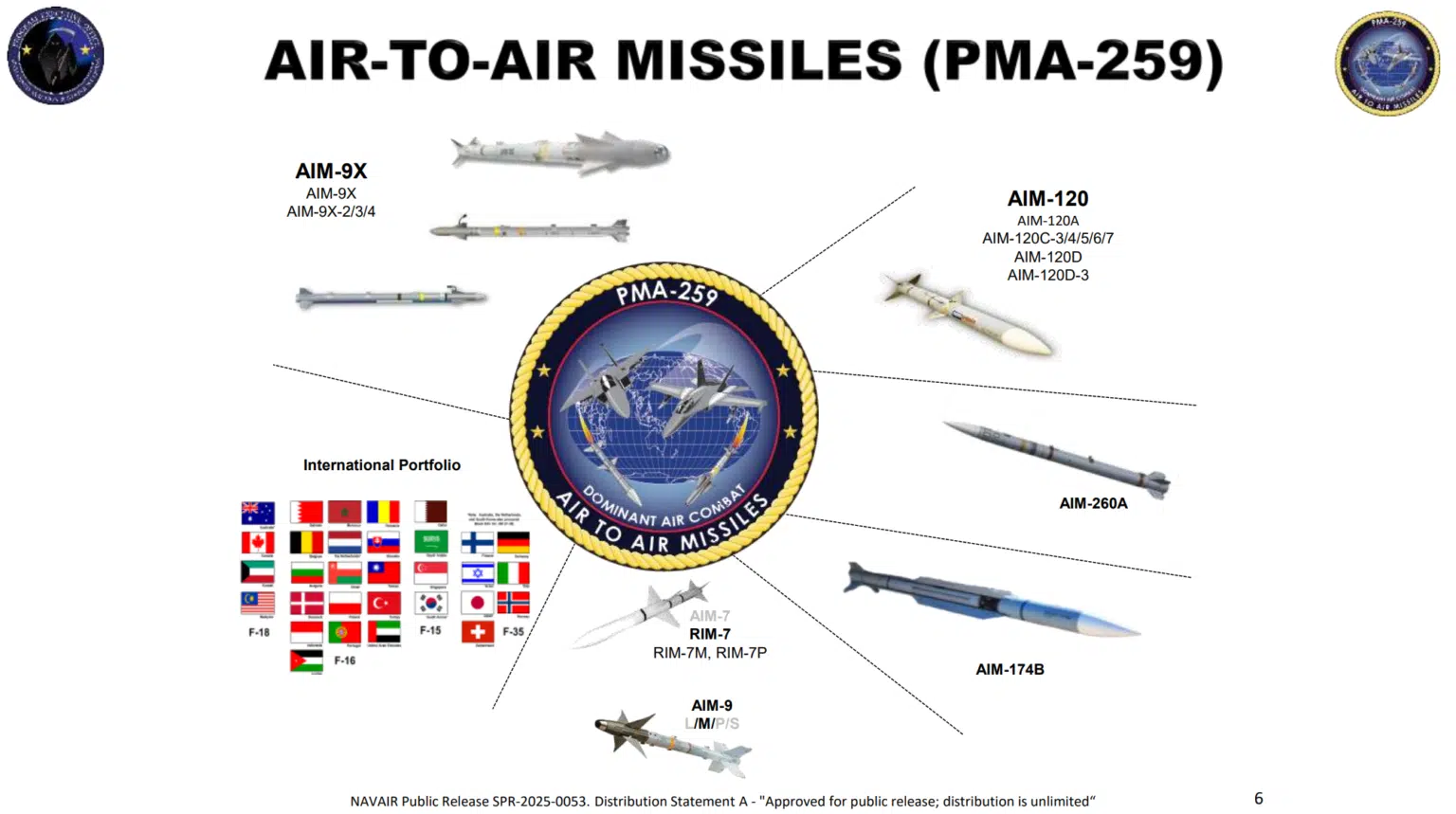
The U.S. military critically needs a new modern long-range air-to-air missile that could complement or replace AIM-120 missiles, whose maximum range in the most modern AIM-120D-3 modifications is up to 180 km.
Especially considering that currently the most likely adversary, China already has air-to-air missiles with 300-500 km range. Of course, one shouldn't forget about AIM-174B missiles, which are an air-launched version of the SM-6 missile, but it's still at the development and testing stage.
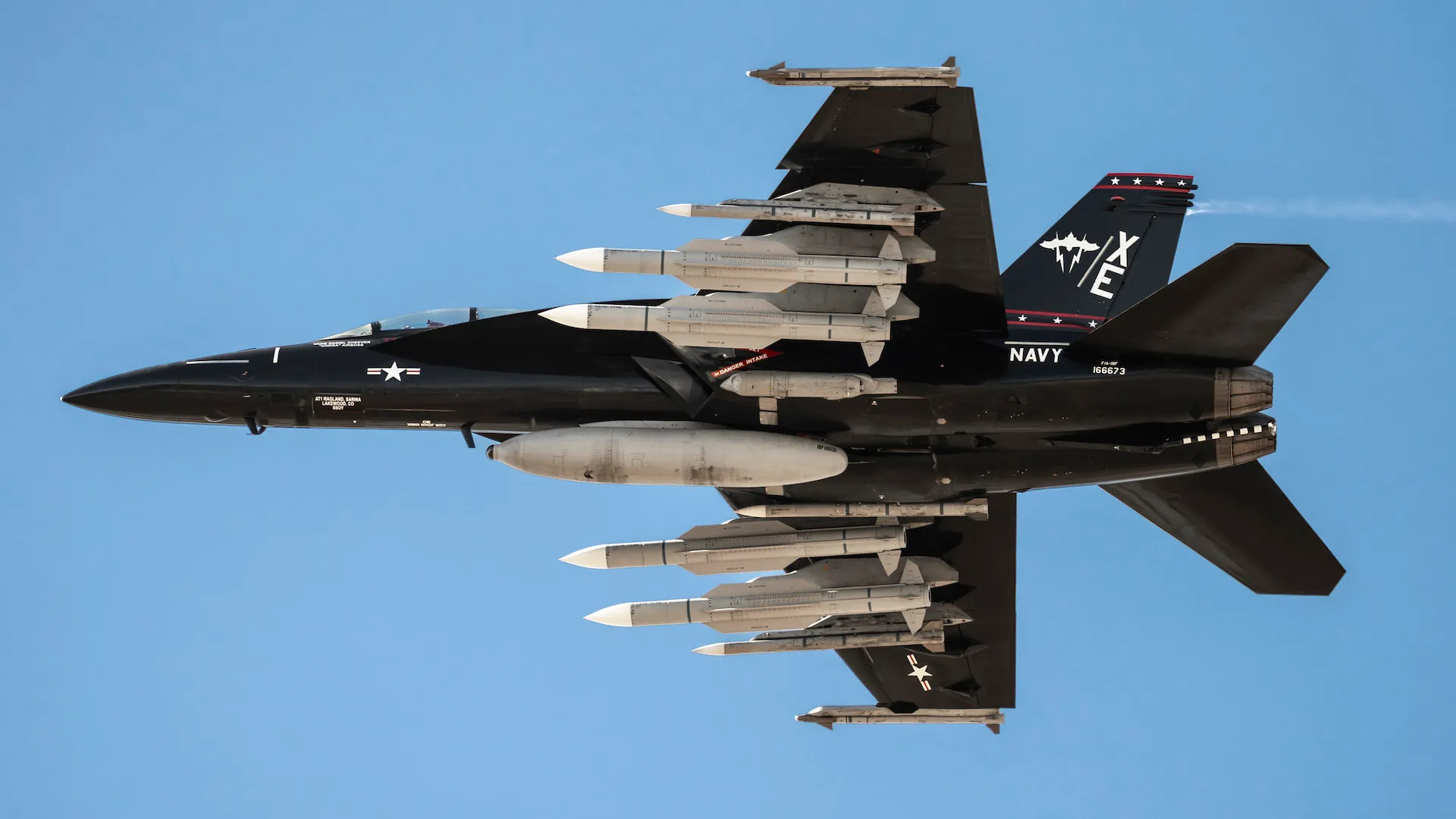
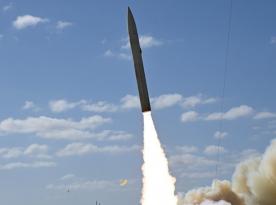
AIM-260 JATM development began only in 2017 by Lockheed Martin. Since that moment, this missile has remained quite mysterious. Information about it is scarce, while images are even fewer, only several renders of how it may look exist.
AIM-260 JATM still isn’t in U.S. service, but this didn't prevent Australia from already ordering 450 such missiles for $3.1 billion. From this, its approximate cost of $5.8 million per unit became known, which is indeed a lot.
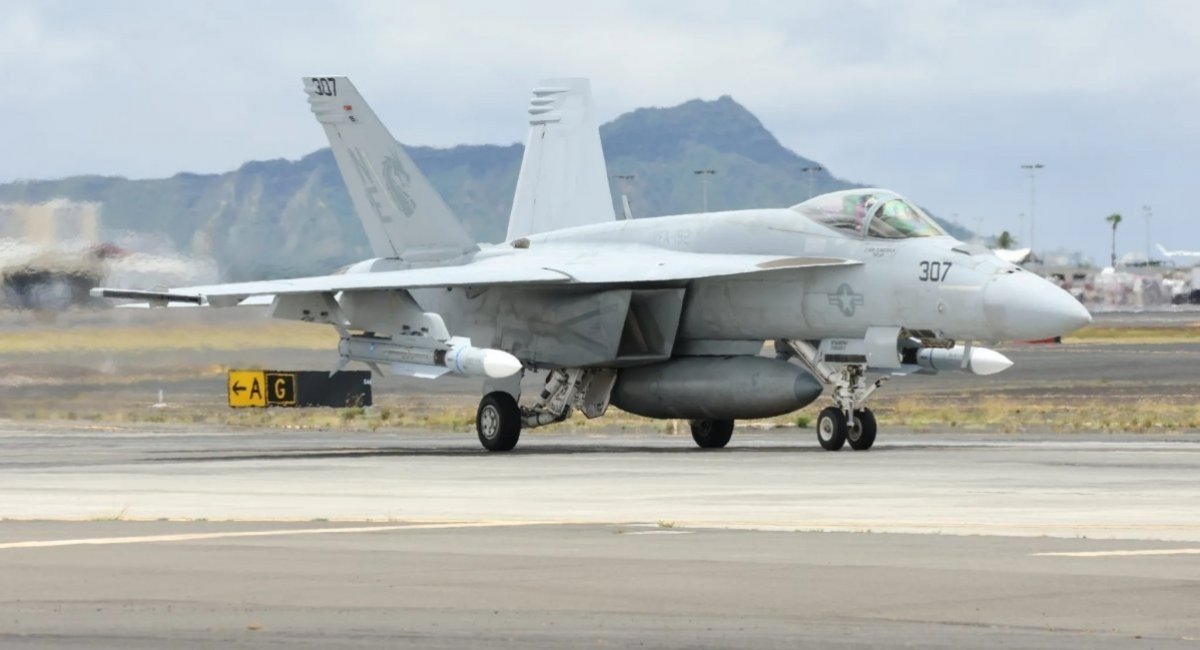
However, despite ordering already now, they will reach Australia only 8 years after order placement, in 2033. Therefore, the U.S. Air Force and Navy, which have special priority, will still become this missile’s first operator.
At the end of October last 2025, it became known that the U.S. may slow AIM-260 JATM development by as much as 3 months. Initially it was thought this was due to U.S. government shutdown. However, as became known later, the delay reason was different and wasn't related to shutdown.
Read more: HMS Dragon Breaks Down Days After Cyprus Arrival as Cascade of Problems Exposes Royal Navy's Critical State