


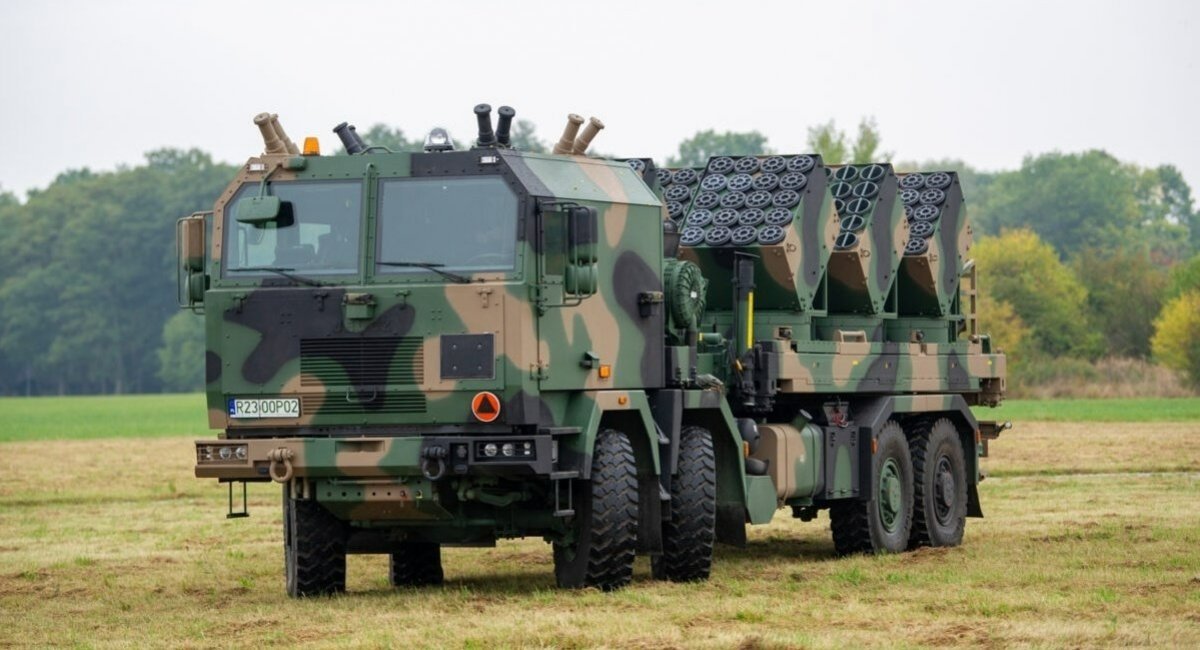
The threat of a russian attack on the Baltic states and Poland is growing, making the question of how to stop russian forces and prevent them from advancing deeper into these countries increasingly urgent. Consequently, the Polish Armament Agency announced the signing of a contract with the Polish company Bydgoskie Zakłady Elektromechaniczne Belma for the supply of anti-tank mines.
The agency has not disclosed the total number of mines contracted, but says it has ordered tens of thousands of anti-tank mine packages, worth a total of 3.4 billion zlotys (about $933.8 million).
Read more: Romania Explains Why Lynx IFV Costs Over €11M and What 40% Localization Means; Ukraine May Get Similar Terms
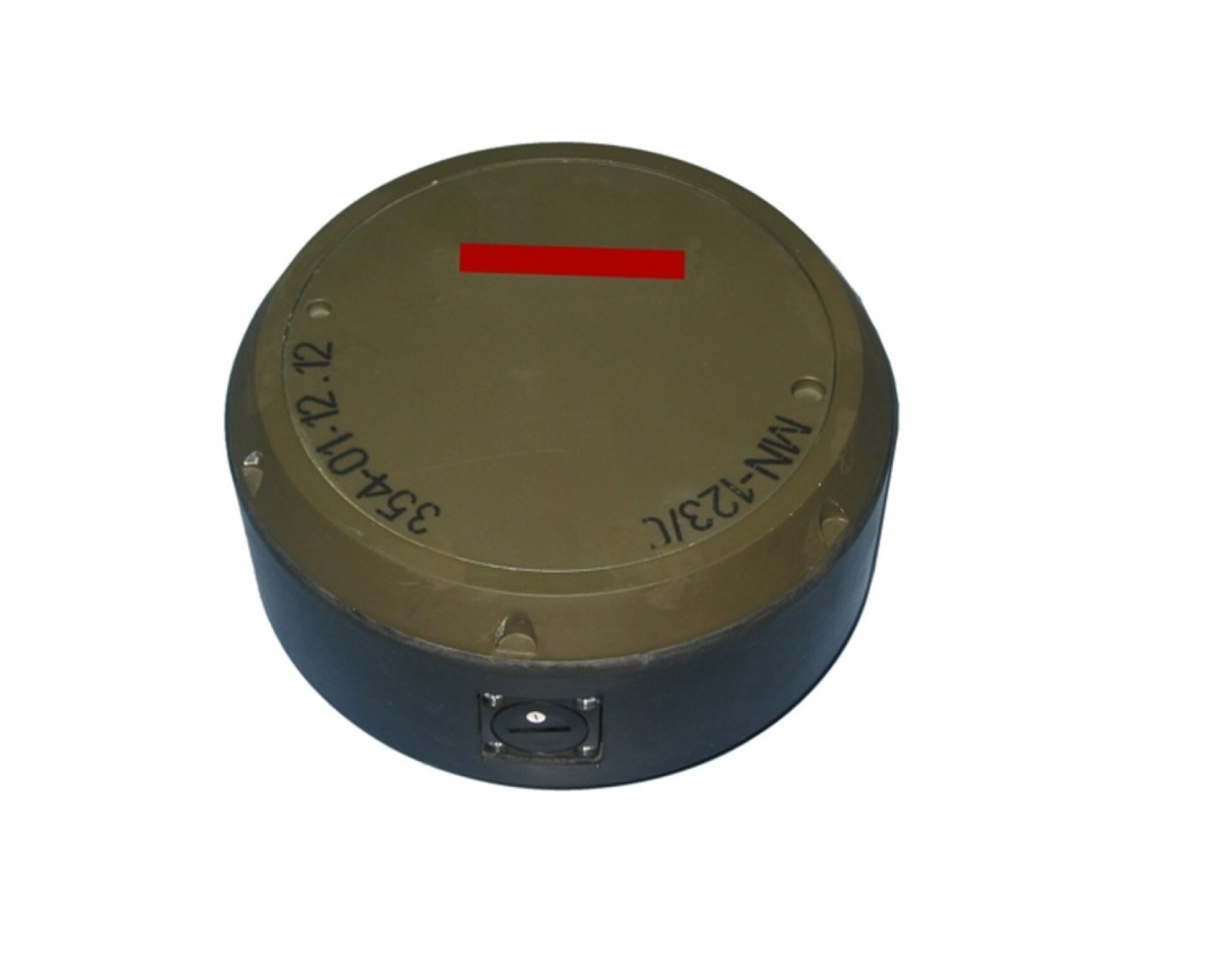
The anti-tank mines in question, the MN-123, are designed for deployment from Baobab-family mine-laying systems. These mines are housed in cassettes containing five mines each. As a result, the total number of mines contracted runs into the hundreds of thousands.
It is worth noting that last year, Poland had already contracted for a large batch of Baobab-G mine-laying system mounted on Krab self-propelled howitzer chassis, at a total cost of 1 billion zlotys ($277.6 million), with deliveries scheduled to begin in 2029.
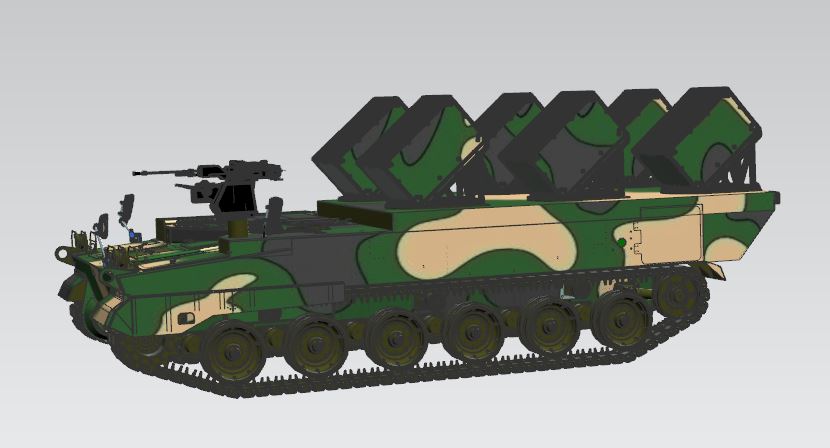
Back in 2023, Poland also ordered 24 Baobab-K wheeled mine-laying systems, worth a total of 510 million zlotys ($124.4 million), with deliveries scheduled between 2026 and 2028.
In addition, these mines can also be deployed from the ISM Kroton mine-laying system, which is already in service with the Polish military. The new large-scale order for MN-123 mines is intended not only to replenish stocks for existing systems but also to expand them in anticipation of new systems.
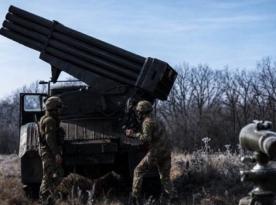
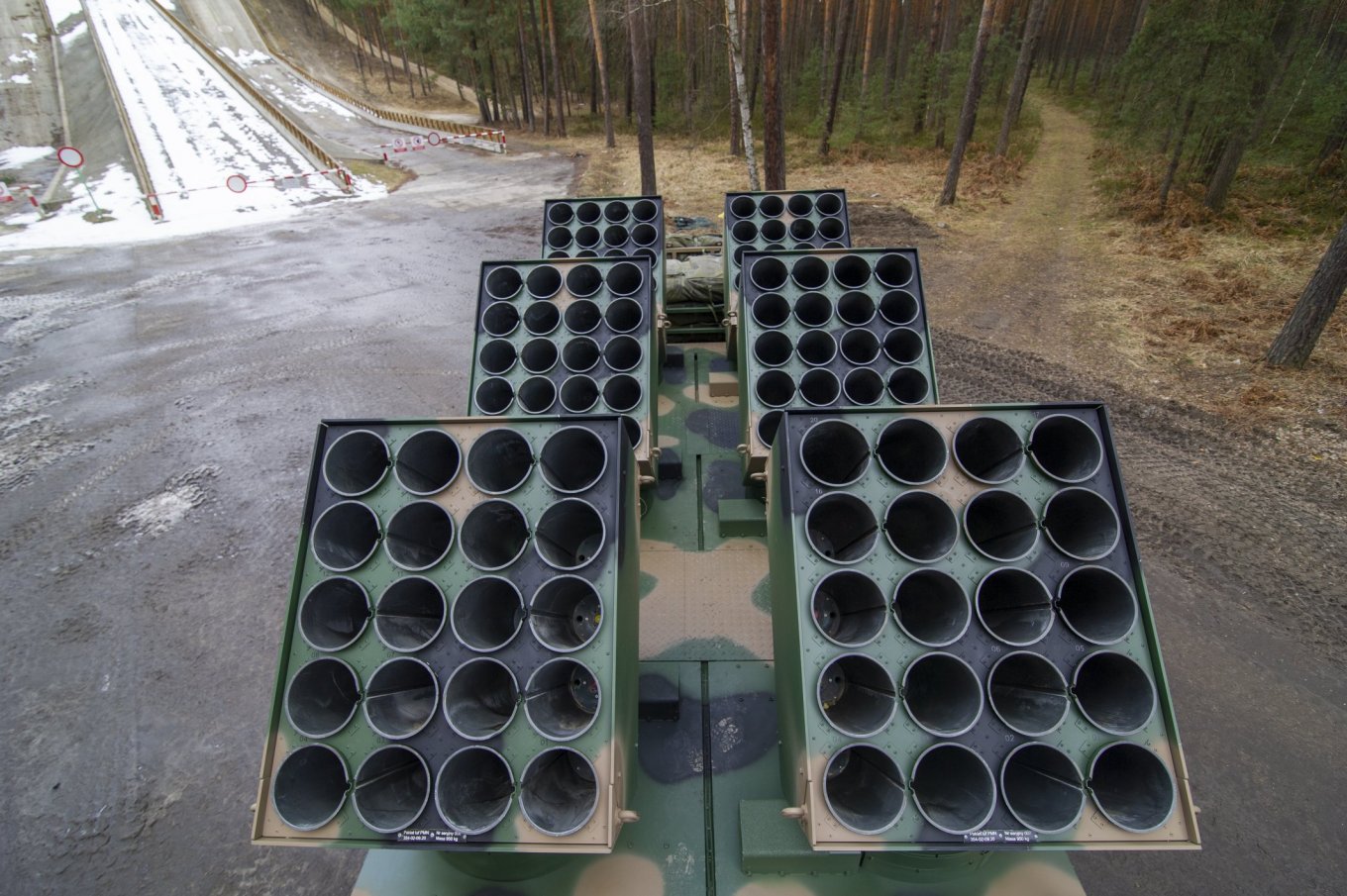
The Baobab family is capable of laying a minefield 1.8 km long and 30 to 90 meters wide in just 22 minutes. The operator can select the density and width of the minefield, and all data on the deployed minefield is automatically displayed on digital maps.
Both models in the Baobab family are equipped with six launch modules, each containing 20 launch tubes, with each tube holding five mines. A single system can deploy up to 600 mines in a single run, and can be fully reloaded in just 30 minutes.
The MN-123 mines contain a shaped charge and a non-contact fuze, making them difficult to defuse. The MN-123 also features a self-destruct mechanism that can be programmed for various time intervals.
Read more: NATO C2 Integration Lets AN/TPQ-53 Feed Targets to Kinetic/Non-Kinetic Counter-Drone Systems