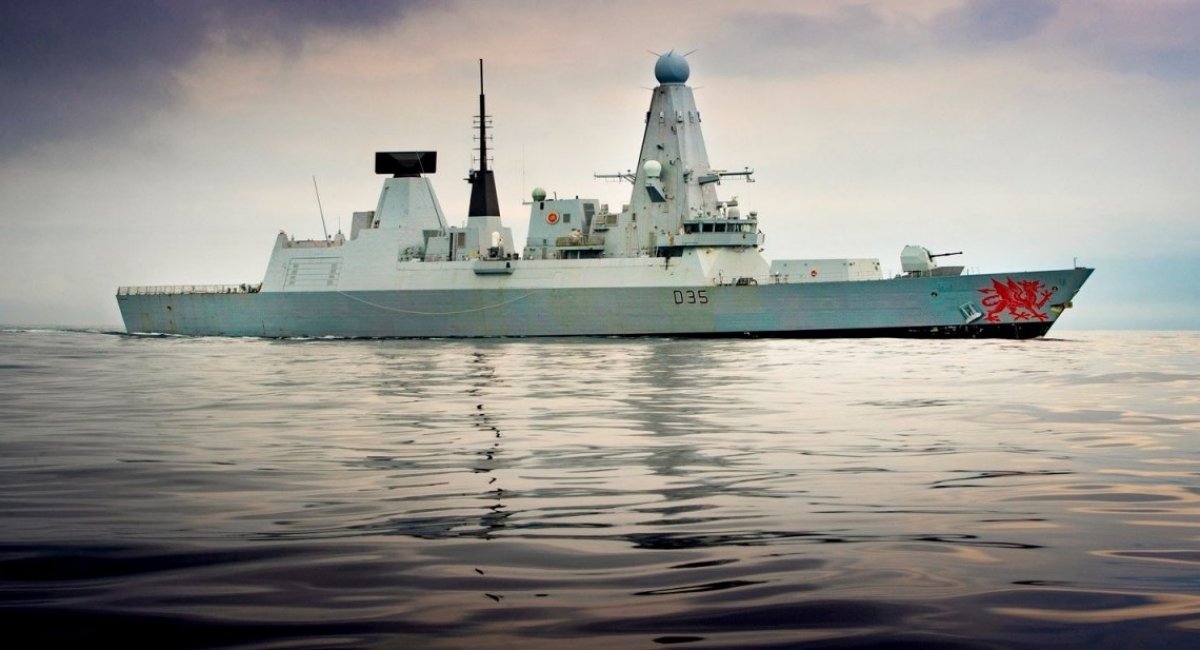
British missile destroyer HMS Dragon broke down almost immediately after arriving at Cyprus. Its onboard water supply system failed, but actually the problem is significantly deeper and cascading.
An epic continues around Type 45-class missile destroyer HMS Dragon of Royal Navy, which has become a very unpleasant bell regarding British fleet real state.
Read more: Why russian Bagulnik-82 Robotic Mortar System Might Be "Too Complex" for Battlefield
Currently this ship is at pier at unnamed Eastern Mediterranean base for, as reported two days ago by British defense department, short-term maintenance to repair onboard water supply system.
However, currently nothing is known about resuming its deployment. In Britain itself, criticism is gradually building. The situation itself is becoming reason for opposition attacks on government, while defense department continues radiating restrained optimism and explaining situation by such deployment's very complexity.
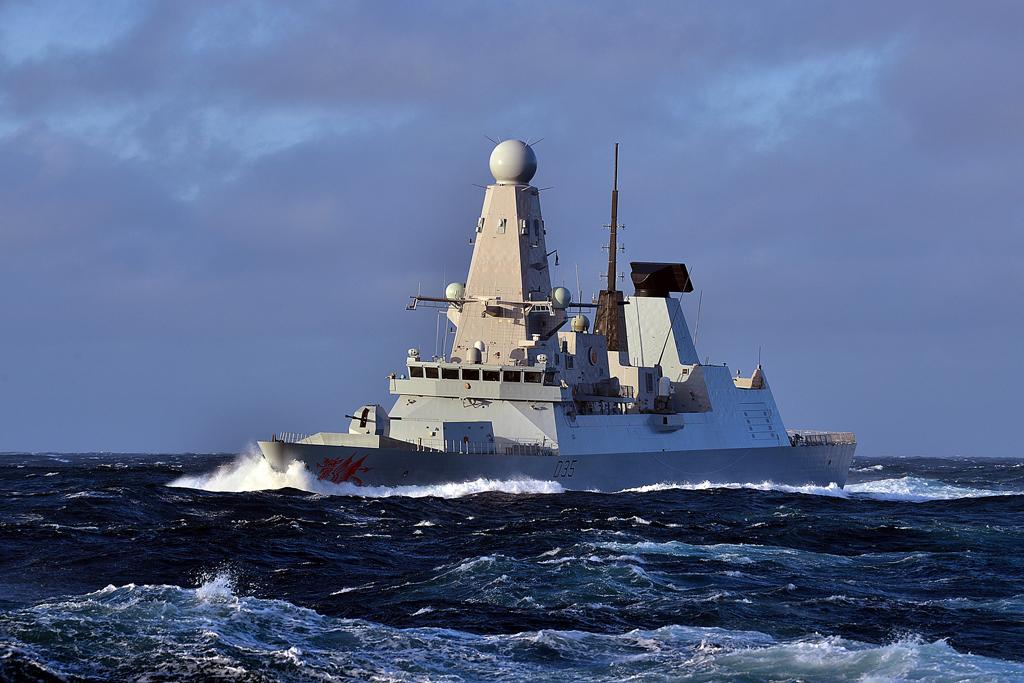
At the same time, this involves an entire cascade of problems not dependent on who specifically currently occupies 10 Downing Street residence. Problems with Type 45-class missile destroyers, of which there are only six, began immediately upon entering service from 2010. All due to problem with Rolls Royce WR-21 gas turbine power plant having design defect in cooling unit, for which Northrop Grumman was responsible. Fixing this defect proved impossible, with solution being installation of three powerful diesel generators instead of two weaker ones.
Through Power Improvement Project (PIP) program modernizing all six Type 45-class destroyers with generator replacement, currently only two of six missile destroyers are in combat-ready state without operation restrictions in Royal Navy — HMS Dauntless and HMS Dragon.
However, when on March 2 a Shahed attacked British Akrotiri airbase in Cyprus, HMS Dragon was precisely the most ready in British Navy for deployment. It was preparing for deployment as part of NATO Standing Maritime Group 1, which should have occurred early April. Its preparations were accelerated and squeezed into a week, which naturally could not be without consequences.
On March 10, HMS Dragon left Portsmouth, but en route to Gibraltar, which it reached only March 17, encountered storm weather and also unofficially experienced power plant problems. Only March 24 did the missile destroyer begin its operation near Cyprus. Only to stand at pier again April 7 or even slightly earlier.
In other words, this is a cascade of problems that began not even with cooling unit problem but generally with extremely small order for only six missile destroyers for Britain, which still possesses significant quantity of territories scattered worldwide.
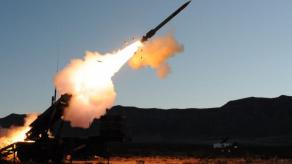
At the same time, the only sense of sending specifically HMS Dragon to Cyprus, ensuring primarily anti-missile defense. This would be significantly easier to do with ground-based systems. However, Britain has no SAM systems that can shoot down ballistic missiles. This is precisely why British government already started talking about anti-missile defense plans.
Read more: Admiral Grigorovich Frigate Escorts Shadow Fleet Tankers in English Channel as russia Fears Ukrainian Maritime Drones