


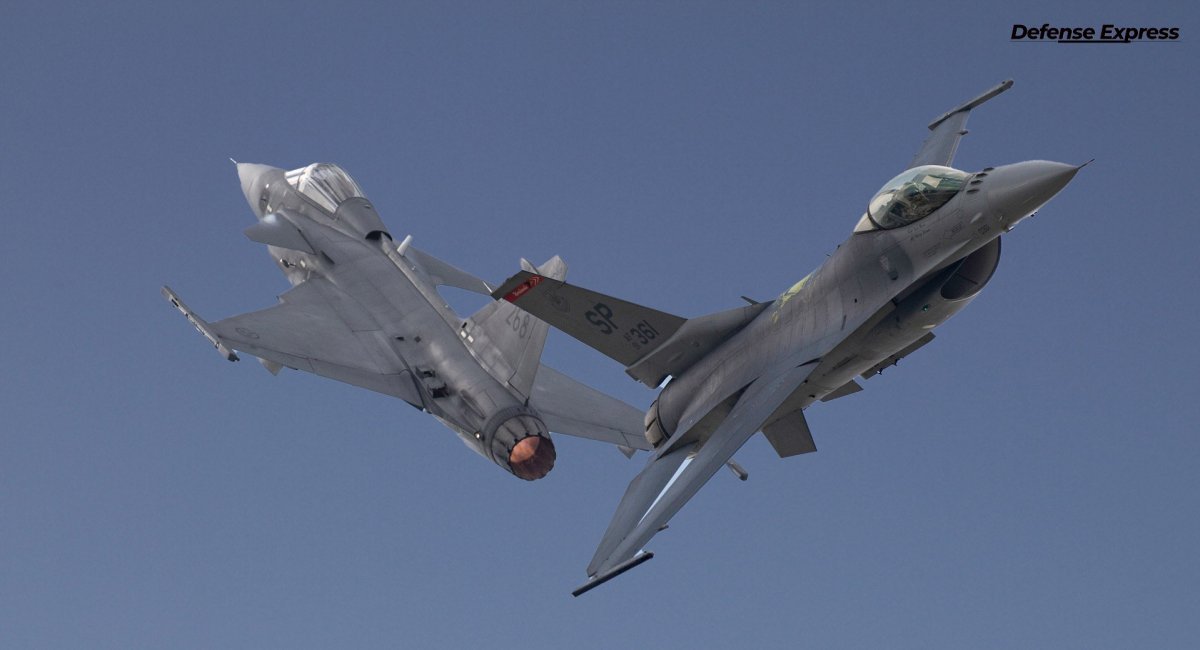
Peru's signing of a firm contract for F-16 fighters came amid full-scale political chaos and marked the end of a competition that had started back in 2012, fourteen years earlier. For Ukraine, which also faces the need to procure new fighter jets, this should serve as an important lesson.
At the moment, Kyiv has only preliminary intentions regarding the possible purchase of 100 Rafale fighters and 150 Gripens. Considering that the total budget for acquiring 250 fourth-generation-plus fighters could easily reach €50 billion, it is highly likely that either the number of aircraft or the mix of platforms will need to be revised.
Read more: France Finally Begins Integrating APKWS Analog Into Rafale Jets to Combat Shaheds, But a Strange Option Is Chosen
That means a difficult choice will have to be made. It is also entirely possible that once negotiations move closer to firm contracts, the list of offers will expand beyond these two aircraft. So will the pressure on Ukraine, because when billion-dollar contracts are involved, dirty competition should be expected.
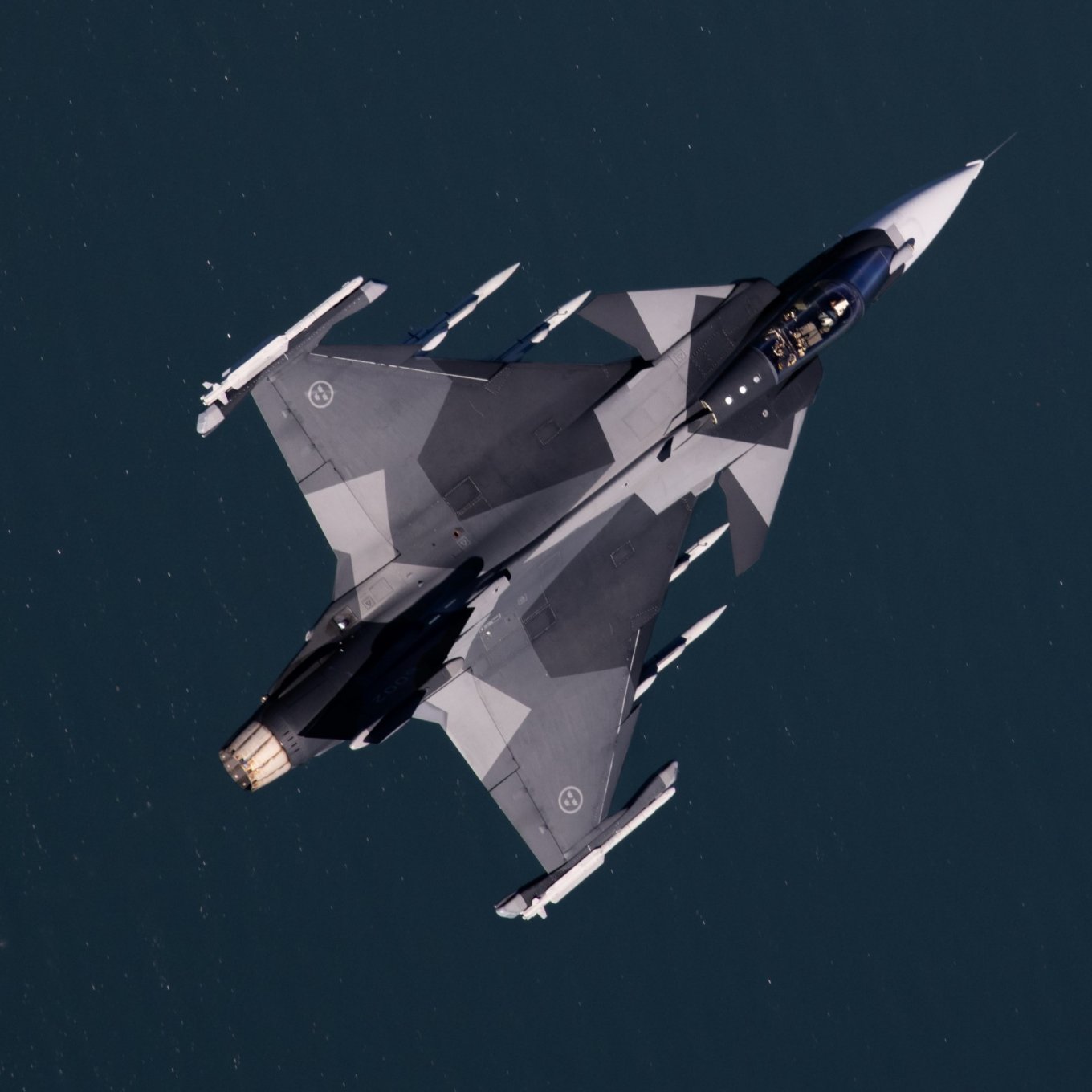
Peru's case demonstrates this perfectly. The competition intensified in the summer of 2024, when Dina Boluarte was president and the list of candidates had narrowed to three fighters: the F-16, Rafale, and Gripen.
By April 2025, it strongly appeared that Lima had leaned toward the Swedish Gripen because of its lower cost compared to the Rafale. Approval had been obtained for the sale of 12 Gripens, and broad offset and compensation agreements were under negotiation. When the U.S. announced approval in September for the sale of F-16s at a price of $285 million per aircraft, it seemed the American jet was simply too expensive to remain a serious contender.
But then Peru's political crisis entered a new phase. The country was hit by a wave of protests over pension reform. Criticism of President Dina Boluarte, who faced heavy corruption allegations, escalated further, and in October 2025 impeachment proceedings were launched against her.
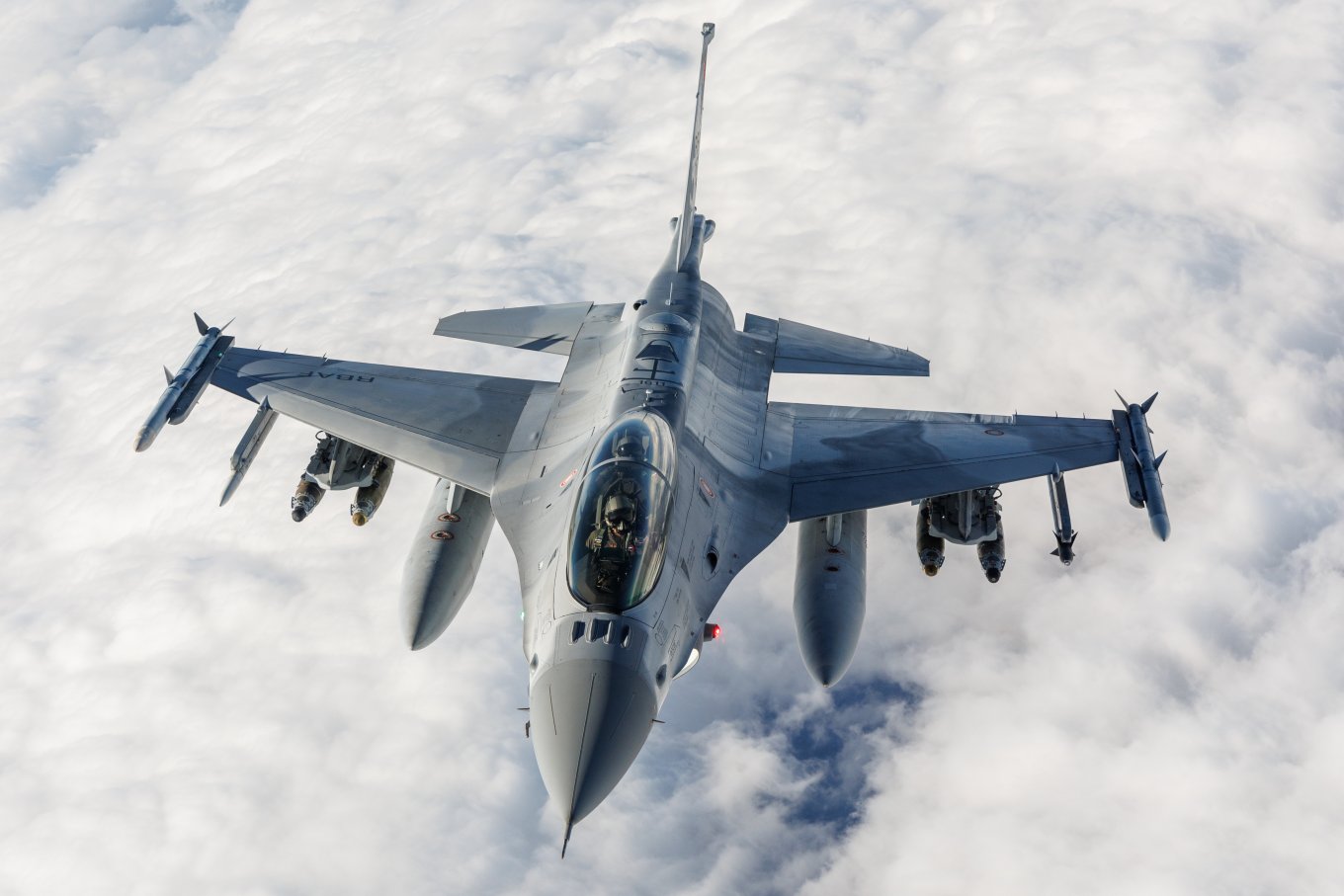
The new government, led by José Jerí, reviewed the decision in December and shifted toward purchasing F-16 Block 70 fighters. In February 2026, officials in Lima openly confirmed that choosing the American fighter was purely a political decision. Just one week later, Jerí himself was removed from office over corruption allegations.
He was replaced by José María Balcázar, whose term was set to last only until July 2026, when power would pass to the winner of the elections, the first round of which took place in mid-April.
Amid this constant смена of power, the F-16 deal gained even more momentum. The price was reduced to $2 billion for 12 fighters, with an option for another 12 aircraft for $1 billion. That meant approximately $166 million per aircraft, or $145.8 million per F-16 Block 70 if all 24 were contracted.
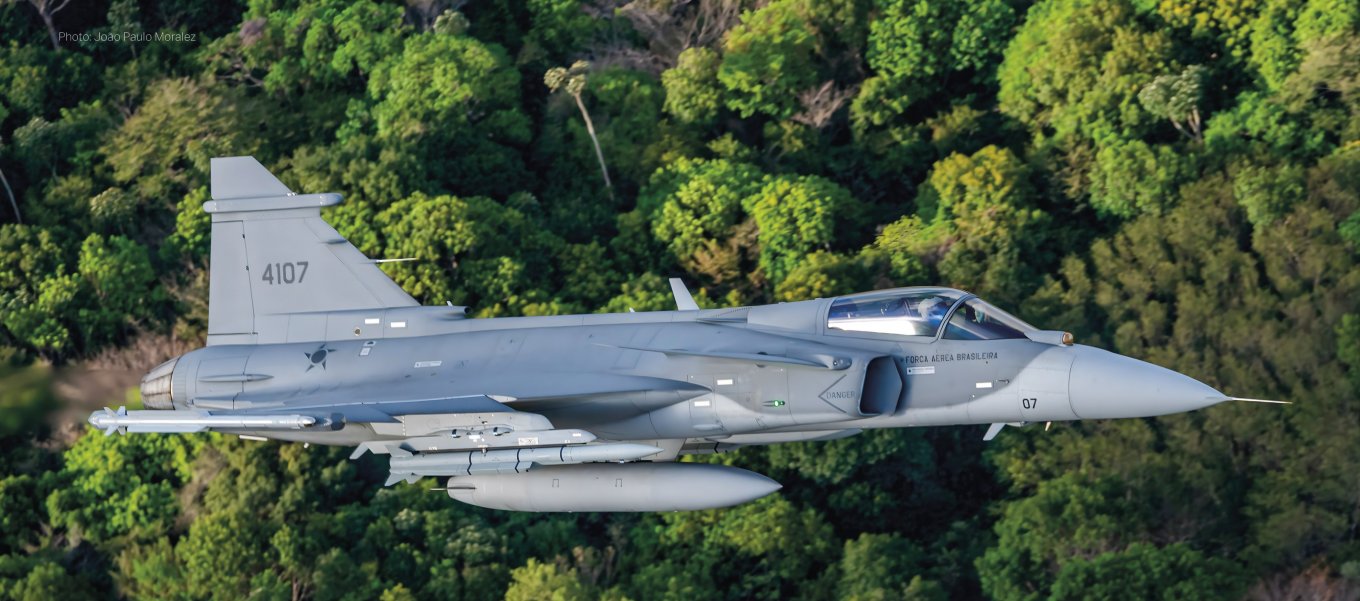
But the competition moved far beyond comparing aircraft performance and contract terms. Much dirtier methods entered the game. Sweden’s Saab stated that it had never received an official request from the Peruvian government regarding its proposal, which could have been more attractive than the American one.
Under those conditions, Saab refused to accept defeat quietly. After issuing an ultimatum, the Swedish company withdrew from the competition entirely.
Even the fact that Balcázar, due to the temporary nature of his authority, refused to sign the F-16 procurement agreement did not stop the process. In response, the U.S. ambassador openly called it "undermining U.S. interests" and threatened to use "all available tools to protect and promote the prosperity and security of the United States and our region."
Eventually, representatives of Peru's government signed the firm F-16 agreement behind the president’s back and even made the first payment of $462 million. After that, the ministers of defense and foreign affairs resigned. Now, discussions of impeachment against the president himself have also emerged in parliament.
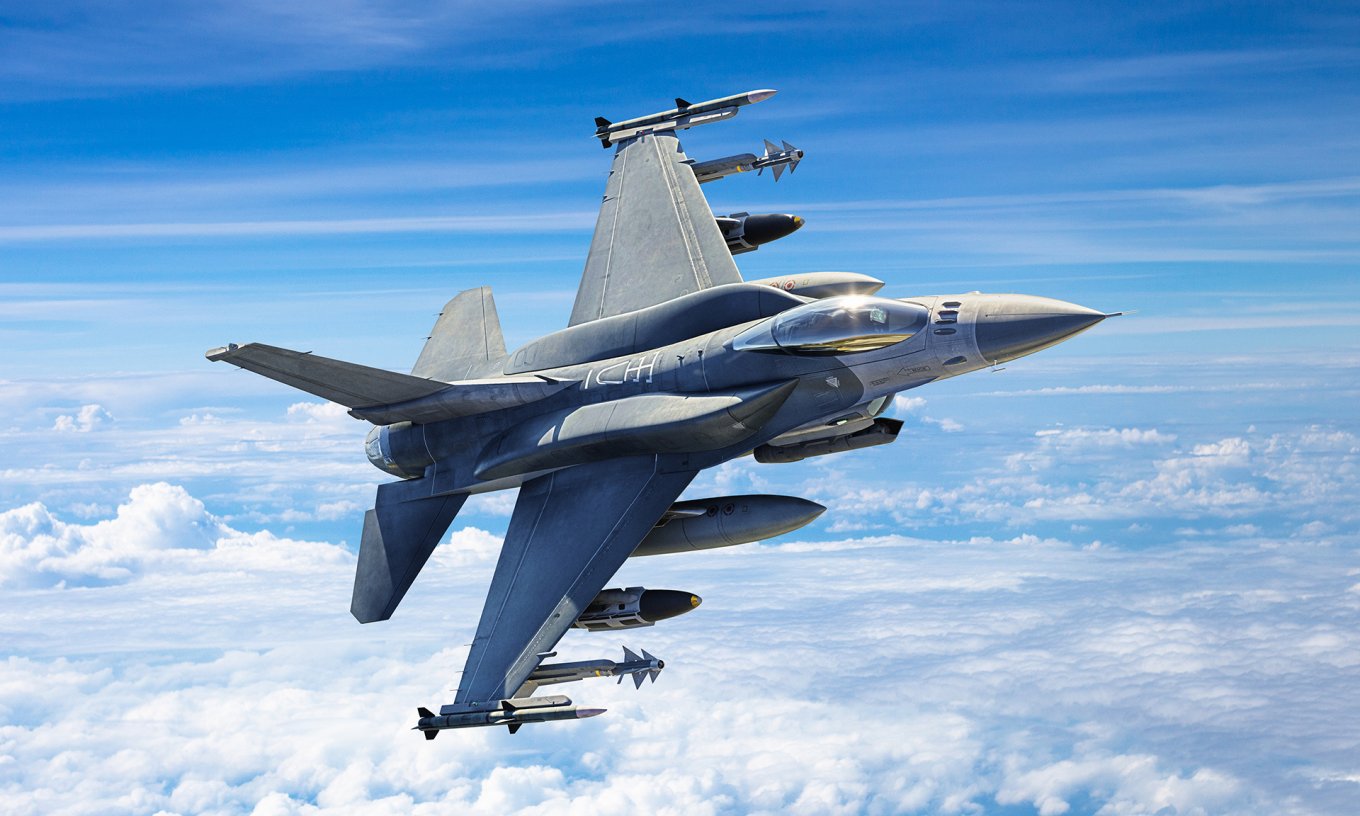
Whether the F-16 Block 70 won fairly in this political chaos probably no longer matters. Peru genuinely needed new aircraft, as reports suggested that only two fighters remained in flyable condition. And a price of $146–166 million per F-16 Block 70 is indeed attractive. Still, the impression remains that this fighter was not simply chosen, it was "pushed through."
Read more: Gripen Deliveries for Ukraine May Avoid Delays as Engine Manufacturer Expands Production by $1 Billion