

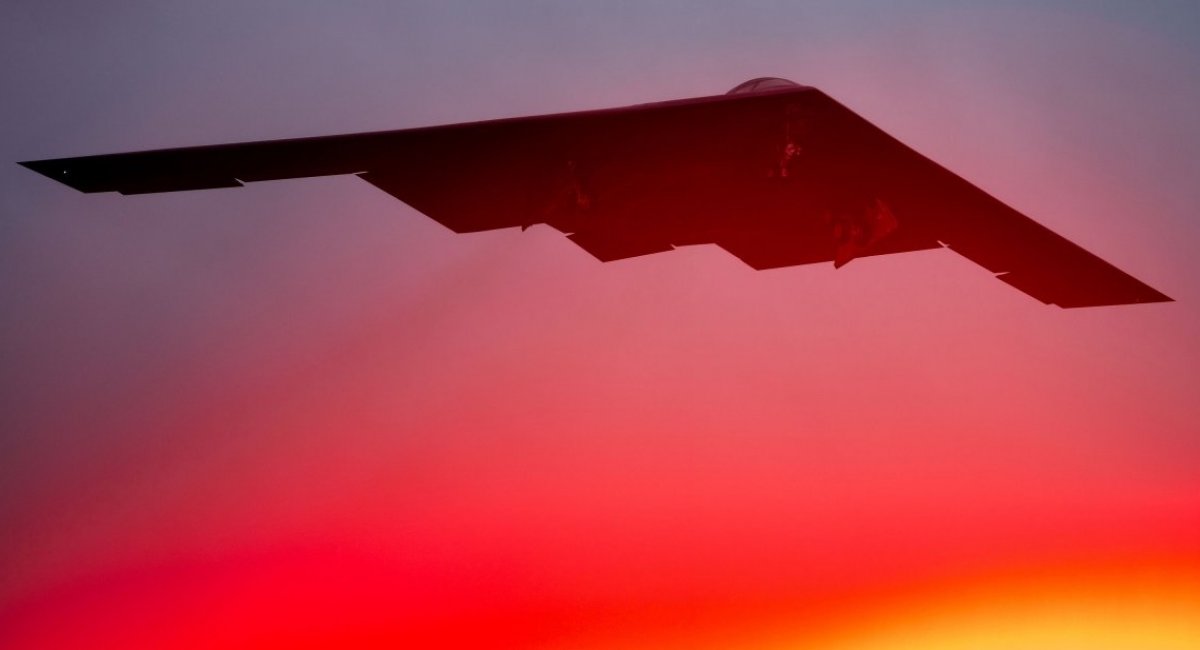
Immediately after U.S. President Donald Trump's threats toward iran about the night of April 8 when an entire civilization will die, information spread that Americans were preparing to deliver nuclear strike. Certain panic spread worked by warnings to civilian populations of Persian Gulf countries, situational comments from politicians, as well as media insiders about allegedly made decision.
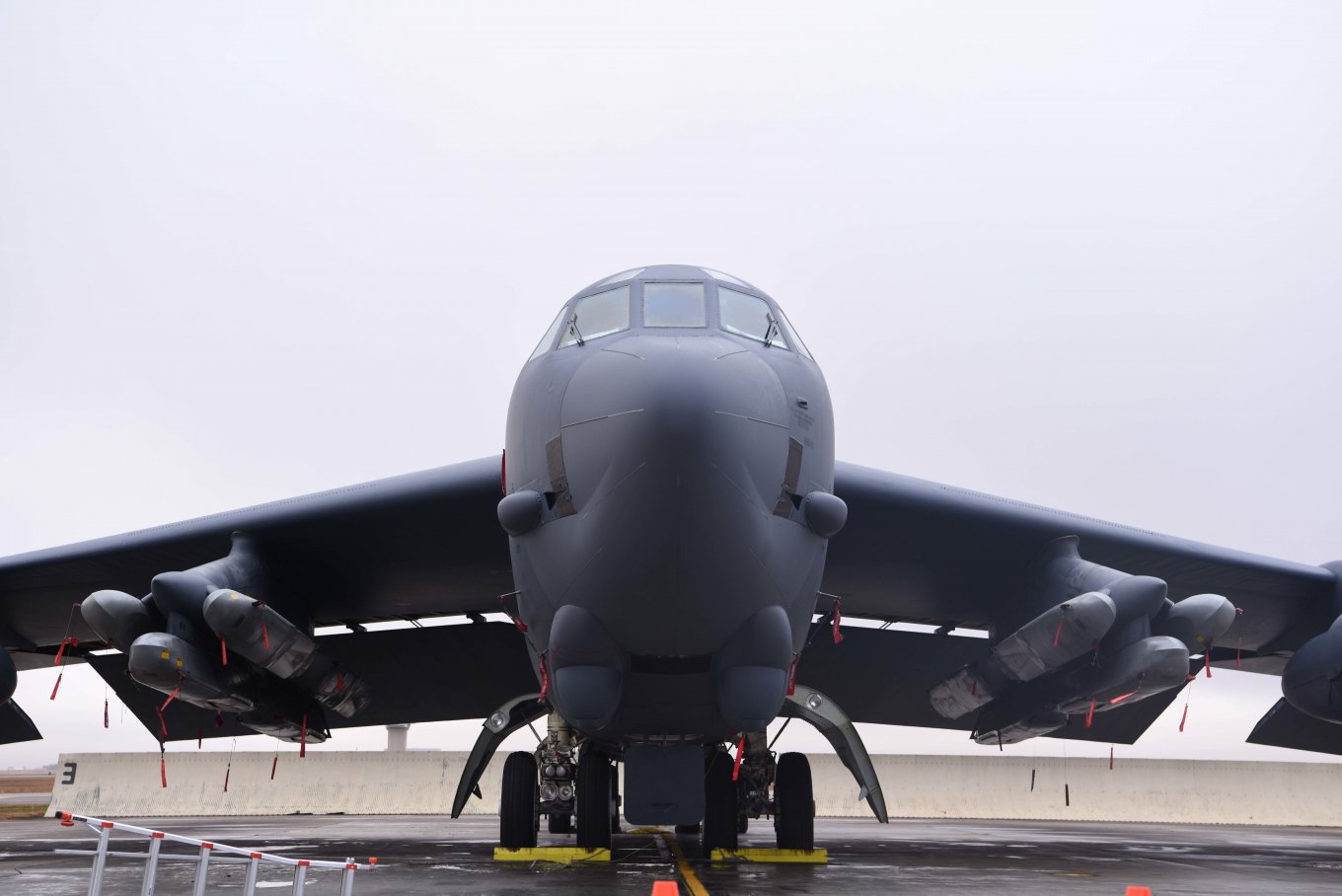
This was naturally amplified by overall U.S. armed forces activation in the region, which was noticed on public flight tracking services. Most importantly footage of B-52 strategic bombers lifted into air from Britain bases.
Read more: Ukraine Faces Small Jet Engine Shortage as European Suppliers Max Out Production for Strike Drones Like Peklo
At the same time, specifically these B-52 bombers that took off from Fairford airbase could hardly carry nuclear charges, as the U.S. keeps free-fall B61 nuclear bombs in Europe not in Britain but at bases in Italy, Germany, Turkey, Netherlands and Belgium. In Britain itself, only work is ongoing equipping Lakenheath airbase with corresponding infrastructure in connection with plan to place charges there for future British F-35As.
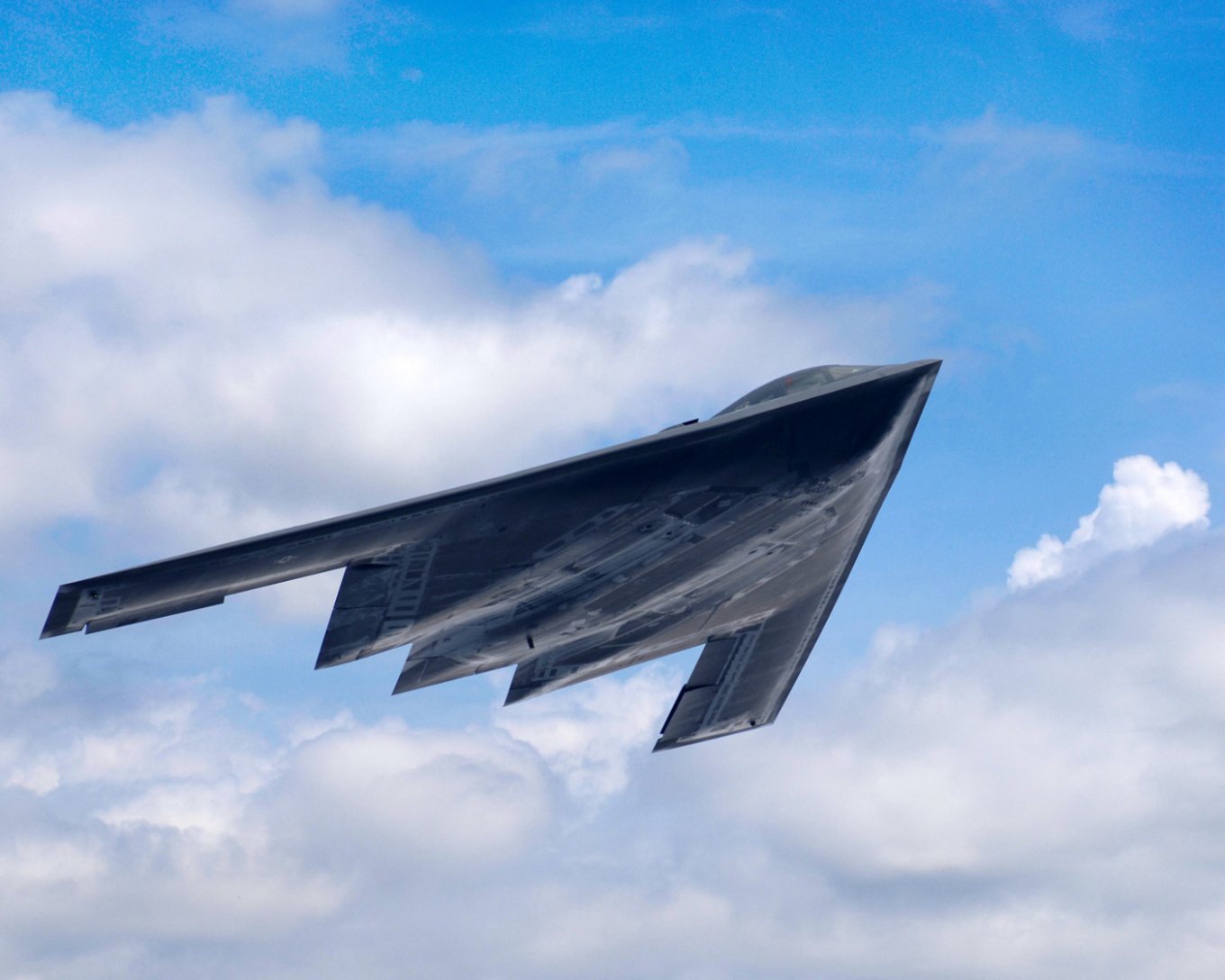
Ultimately, if the U.S. does make decision regarding using strategic bombers with nuclear bombs for strike on iran, these will more likely be B-2s taking off from Whiteman airbase in Missouri. This will be very similar to Operation Midnight Hammer striking iranian nuclear facilities at Fordow, Natanz and Isfahan on June 22, 2025. However, instead of 13-ton GBU-57 Massive Ordnance Penetrator (MOP) bunker-buster bombs, each B-2 will carry up to 16 B61 thermonuclear bombs with yield up to 400 kt each.
However, then the main question is whether the U.S. could have made decision regarding delivering nuclear strike with tactical nuclear weapons at all, and most importantly begin implementing this plan. In other words, whether any safeguards exist for this case.
The main problem currently is that in the American nuclear weapons employment order system, specifically the president is the main safety of this system. Only the U.S. president can give order to employ nuclear weapons of any level, and this was done in case so military personnel themselves would not start nuclear war without political decision.
In the U.S., nuclear forces command and control (NC2) is hierarchically closed specifically on the president and only he can authorize nuclear weapons employment. This is enshrined in official and public Joint Nuclear Operations document.
At the same time, the U.S. president's decision is unilateral and made only based on recommendations from Secretary of Defense, USSTRATCOM (U.S. Strategic Command) commander, other command chiefs, senior advisors and allies.
It is also enshrined that the president is only consulted regarding possible employment variants, their effect, consequences, and so on. Nuclear weapons employment variants themselves must already be worked out by USSTRATCOM, considering purpose, means and consequences. They are believed printed on cards that will be provided to president for familiarization.
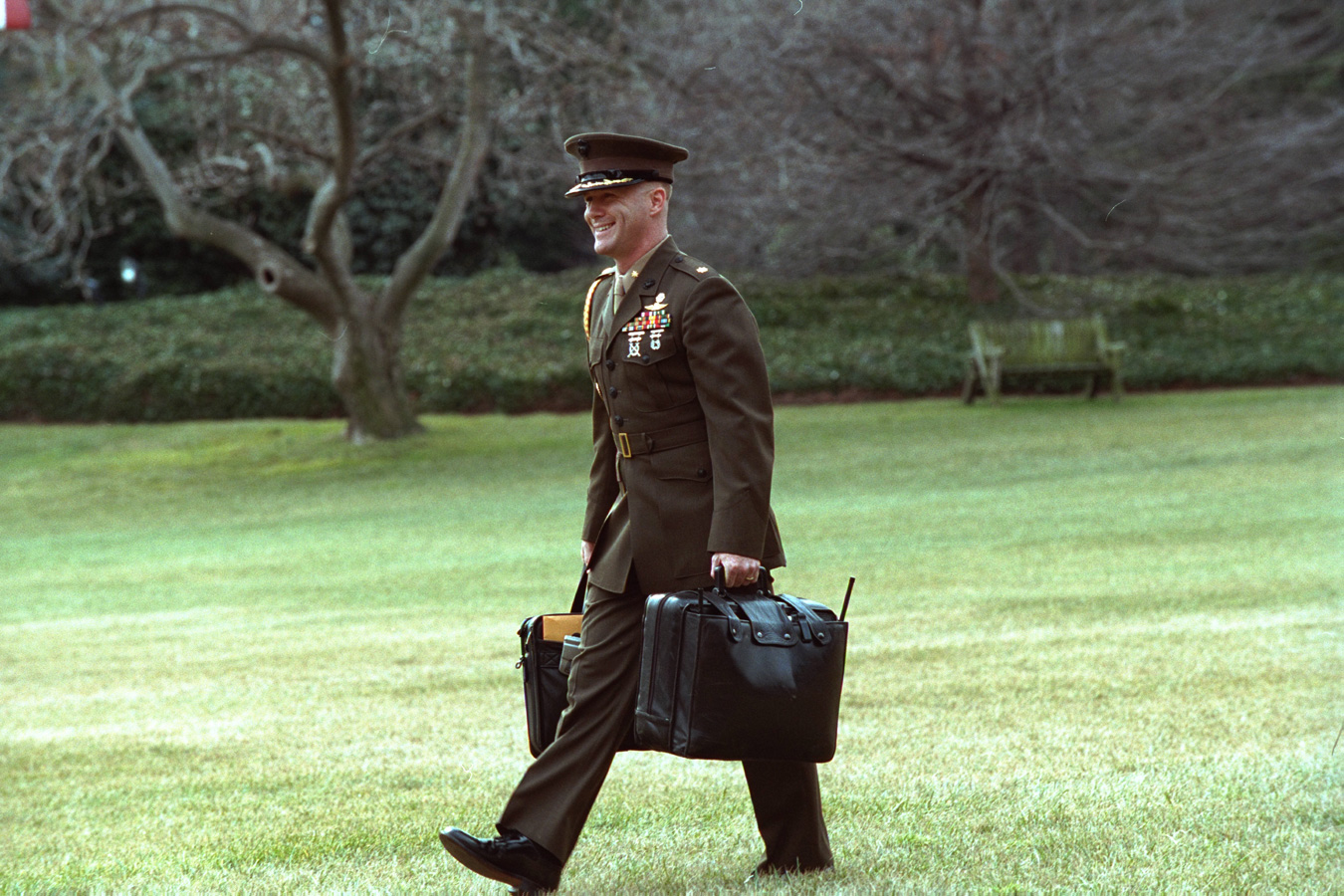
After making unilateral decision regarding nuclear weapons employment, the president must contact National Military Command Center (NMCC), unless of course already located in it. This is done through Nuclear Command and Control System (NCCS), with communications terminal being the so-called nuclear briefcase, which in the U.S. is called Nuclear Football.
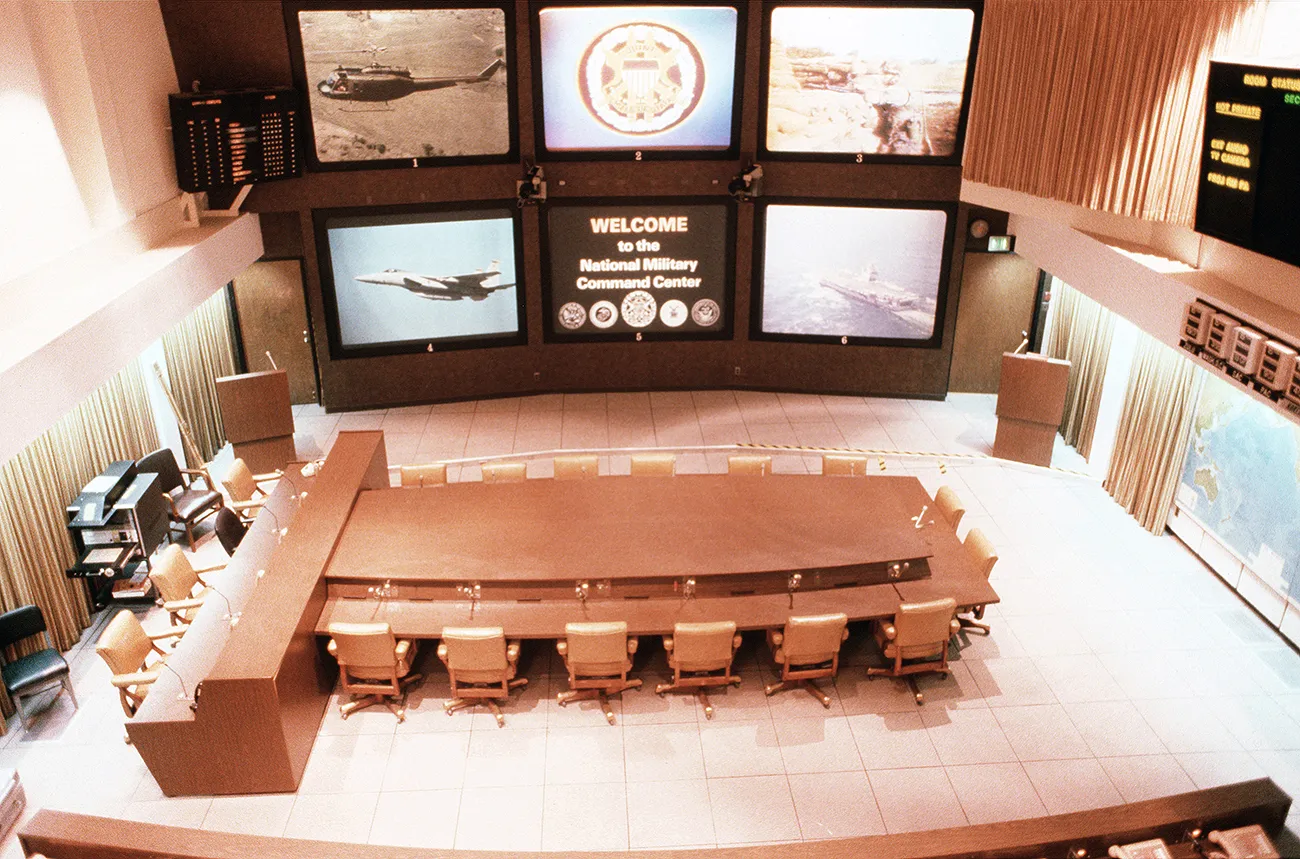
After establishing jam-resistant encrypted communications with NMCC, the U.S. president passes identification by reading code from special card and gives specific order.
Further the system already has no safety from the decision itself being made except military discipline observance. Through NCCS system, corresponding order and activation codes for specific nuclear munitions are directed to direct executors.
At the same time, the entire system is also configured only so military personnel on site cannot start nuclear attack arbitrarily. Specifically, it is known that bringing nuclear charges to combat readiness requires inputting corresponding codes using device, which will be externally transmitted through NCCS system.
Thus, Trump indeed could quite possibly have given order to use nuclear weapons against iran. At the same time, this order effectively must be prepared by USSTRATCOM and evidently cannot be spontaneous, as corresponding force and means lineup must always be ready for it
Read more: russian Pantsir-S1 System Eliminated in Deep Strike by Ukraine's 23rd Brigade (Video)