


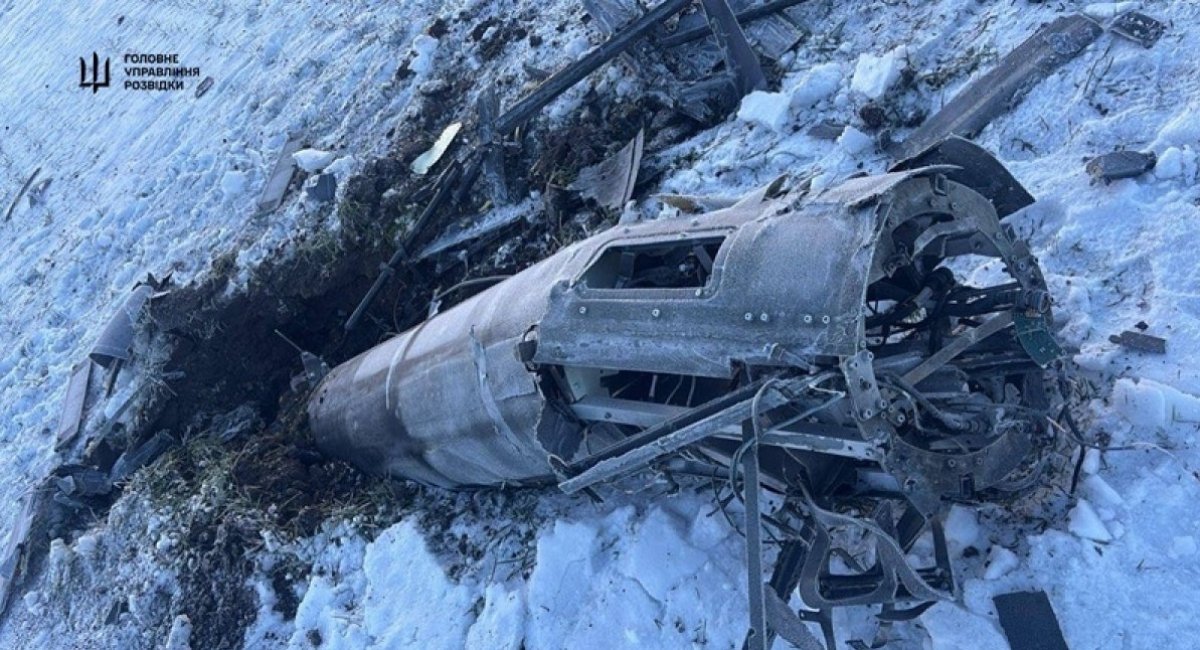
russia's appearance of Geran-5 long-range strike drone is the result not only of access to Chinese-made small turbojet engines and mesh modems, but also of sustained cooperation with Iran, whose influence on the design is increasingly difficult to ignore.
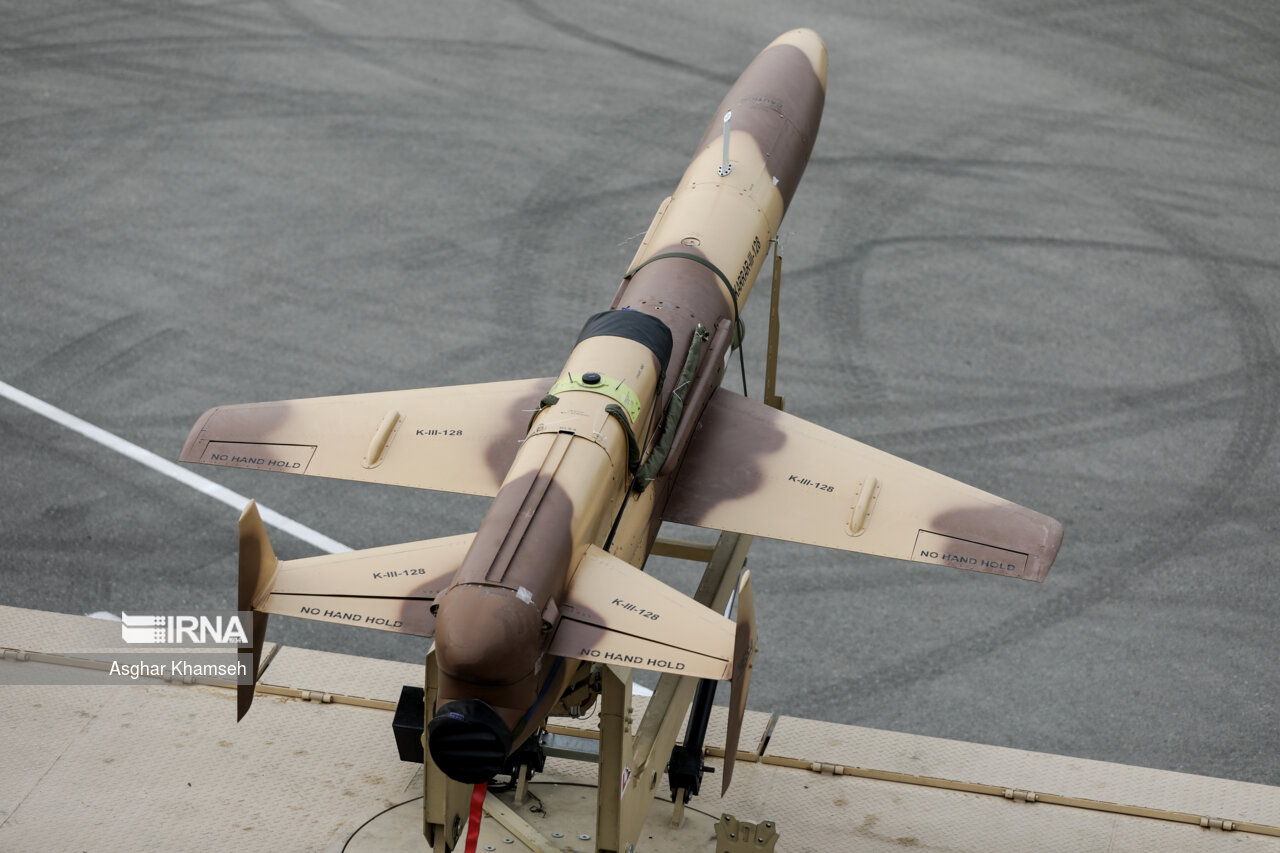
The visual and structural similarity between russia's Geran-5 and Iran's Karrar UAV is evident. Even if the russian drone does not represent a direct copy, it is clearly based on the Iranian platform. This is reflected in comparable reported parameters, including takeoff weight, around 850 kg for Geran-5 drone versus roughly 700 kg for Karrar UAV, as well as in overall aerodynamic layout.
Read more: Which Key Chinese Components New russian Jet-Powered Geran-5 Strike UAV Cannot Operate Without
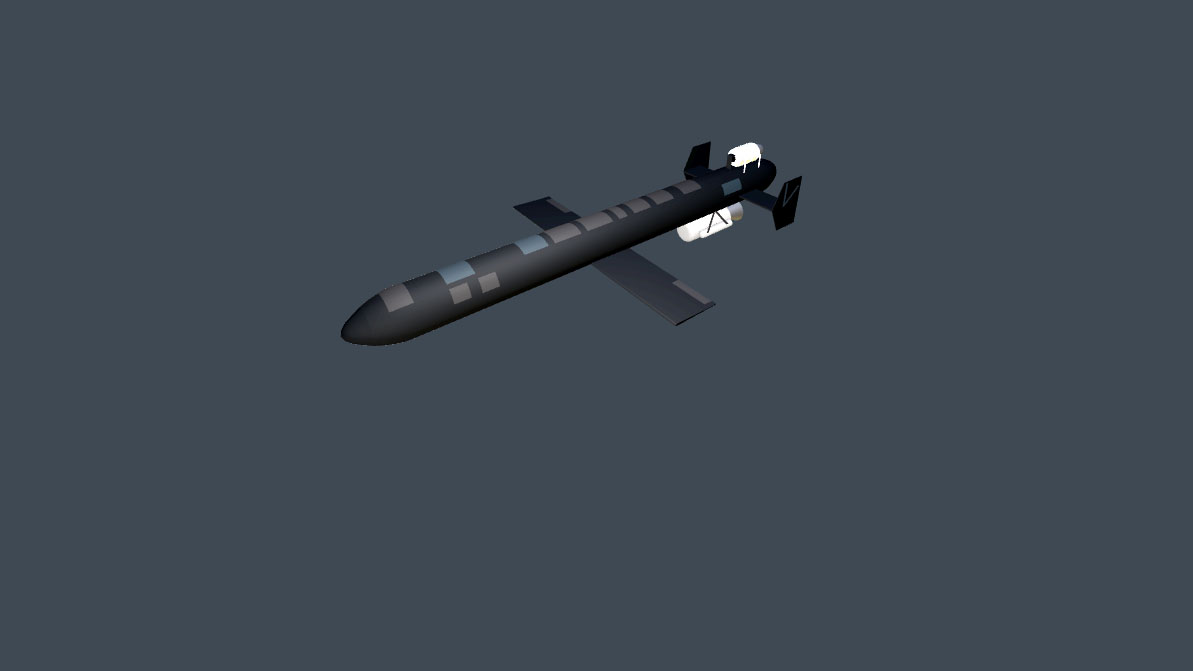
Both designs feature a low-wing configuration, a jet engine mounted above the fuselage, and a distinctive twin-fin tail arrangement. At the same time, Geran-5 system shows notable differences, including a straight wing planform and a smaller turbojet engine positioned above the fuselage rather than integrated into the tail section. These changes suggest adaptation rather than simple duplication.
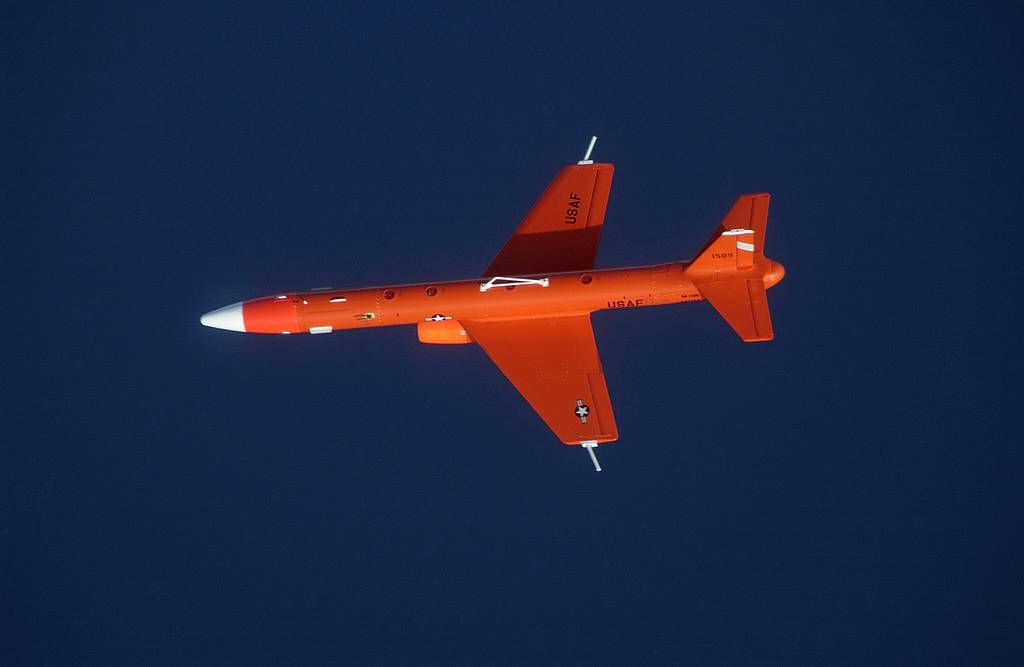
However, Karrar system itself was not a wholly indigenous Iranian development. Shortly after its public debut in 2010, analysts noted its strong resemblance to American MQM-107 Streaker, a jet-powered aerial target drone developed by Beechcraft in the 1970s for air defense training. MQM-107 system entered Iran legally prior to the 1979 Islamic Revolution, providing a plausible technological baseline.
Another potential influence cited by observers is Skua target drone developed by South Africa's Denel Dynamics in the early 2010s. Although Denel has consistently denied any cooperation with Iran, it has acknowledged that visible design elements, such as the twin-fin tail, could have been copied simply from exhibition displays or publicly available imagery.
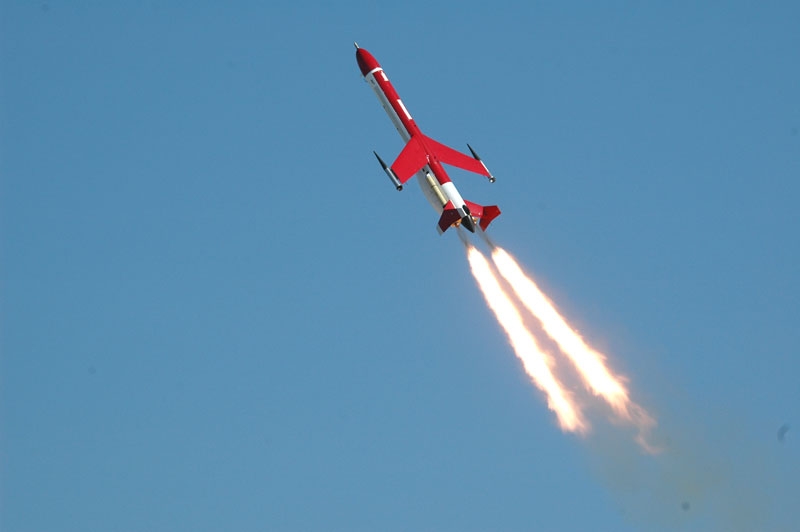
In aerodynamic terms, Karrar system appears to be a reworking of these earlier target drone concepts rather than a fundamentally new system. This borrowing applies primarily to airframe design and flight characteristics, not to onboard electronics or propulsion. Iran's Toloue-4 and Toloue-5 turbojet engines, believed to be derived from the French Microturbo TRI 60, represent a separate line of technological replication.
Notably, Iranian engineers modified the engine placement seen on MQM-107 and Skua drones, relocating it from beneath the fuselage to the rear. This change required the introduction of a dorsal air intake, a solution reminiscent of Soviet-era reconnaissance drones such as Tu-141 Strizh and Tu-143 Reis.
Read more: russia Tried Market Su-57 Exploiting Jets' "Combat Successes", Ukrainian Pilots Disrupted Plan